


 English
  中文简体
中文简体 • The CNC Knife Grinding Machine adopts PLC program control, which is easy to operate, fast, stable,...
See DetailsHow Does a Straight Knife Grinding Machine Work?
Industry News-Content
In modern woodworking, papermaking, printing, and plastics cutting industries, maintaining the sharpness of cutting tools is crucial for ensuring production efficiency and product quality.
What is a Straight Knife Grinding Machine?
A Straight Knife Grinding Machine is a machine tool specifically designed for repairing and precision grinding straight-edged cutting tools. It is widely used for grinding planer blades, paper cutters, shredder blades, and doctor blades. Whether the blades are made of alloy steel or high-speed steel, the precision machining of a Straight Knife Grinding Machine can restore them to their initial cutting accuracy.
Working Principle of a Straight Knife Grinding Machine
The working process of a Straight Knife Grinding Machine is a typical mechanical cutting and cooling cycle. Its core principle can be summarized in the following steps:
1. Blade Fixing (Electromagnetic Chuck Technology)
Before starting work, the straight cutting tool to be ground needs to be placed flat on the worktable. Modern high-efficiency Straight Knife Grinding Machines typically use electromagnetic chucks. Through powerful electromagnetic force, the blade is firmly fixed to the chuck surface, ensuring that it will not shift during high-speed grinding, thus guaranteeing the straightness of the ground surface.
2. Angle Adjustment
Different cutting tools have different requirements for the cutting edge angle (wedge angle). The worktable or grinding head of a spur grinder is usually designed with a rotating mechanism, allowing the operator to precisely adjust the grinding angle between 0° and 90° according to process requirements.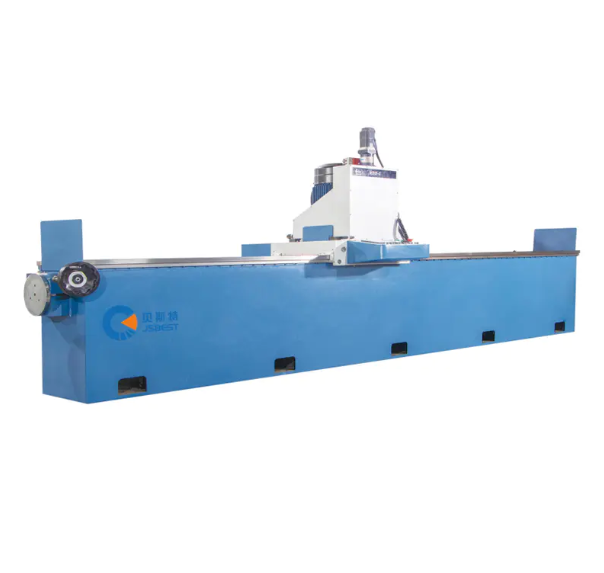
3. Grinding Head Reciprocating Motion
The core component of a spur grinder is the grinding head (spindle motor). The grinding head carries a high-speed rotating grinding wheel (such as a resin grinding wheel or diamond grinding wheel) in a horizontal reciprocating linear motion on a guide rail.
- Grinding Cutting: With each reciprocating motion, the grinding head automatically or manually feeds downwards (to a depth of micrometers).
- Surface Treatment: The dull metal layer is gradually removed through the contact between the edge of the grinding wheel and the cutting edge.
4. Cooling System Intervention
Because dry grinding generates a large amount of frictional heat, it may cause the cutting edge to soften due to annealing or crack. Therefore, spur grinders are equipped with a comprehensive cooling spray system. The coolant circulates at the grinding point, quickly carrying away heat and flushing away metal dust, ensuring that the hardness of the cutting edge is not affected.
Core Components
To achieve high-precision grinding results, a high-quality swivel tool grinder typically includes the following components:
- Machine Bed: Utilizes heavy-duty casting technology to reduce vibration during operation.
- Precision Guideways: Employ linear or V-shaped guideways to ensure the straightness of the grinding head's trajectory.
- Stepper/Servo Motors: Control the automatic depth of cut, achieving micron-level precision control.
- Frequency Inverter: Adjusts the grinding head speed to adapt to grinding different types of cutting tools.
Why do businesses need professional swivel tool grinders?
- Extended Tool Life: Compared to manual grinding, swivel tool grinders produce more uniform grinding, avoiding excessive wear and effectively extending the lifespan of expensive alloy cutting tools.
- Improved Machining Accuracy: Automated control ensures that the straightness error of the cutting edge is kept within a minimal range, resulting in finished products (such as paper cutters or wood veneer) with clean, burr-free edges.
- Reduced Labor Costs: Fully automatic straight-blade grinders support one-button start, eliminating the need for long-term operator supervision and significantly improving workshop productivity.
Straight-blade grinders are not only "doctors" for maintaining production equipment performance, but also an indispensable hardware foundation for enterprises to achieve precision machining. Through electromagnetic fixing, angle fine-tuning, and high-precision reciprocating grinding, they provide high-quality cutting solutions for various industries.
Related products
-
-

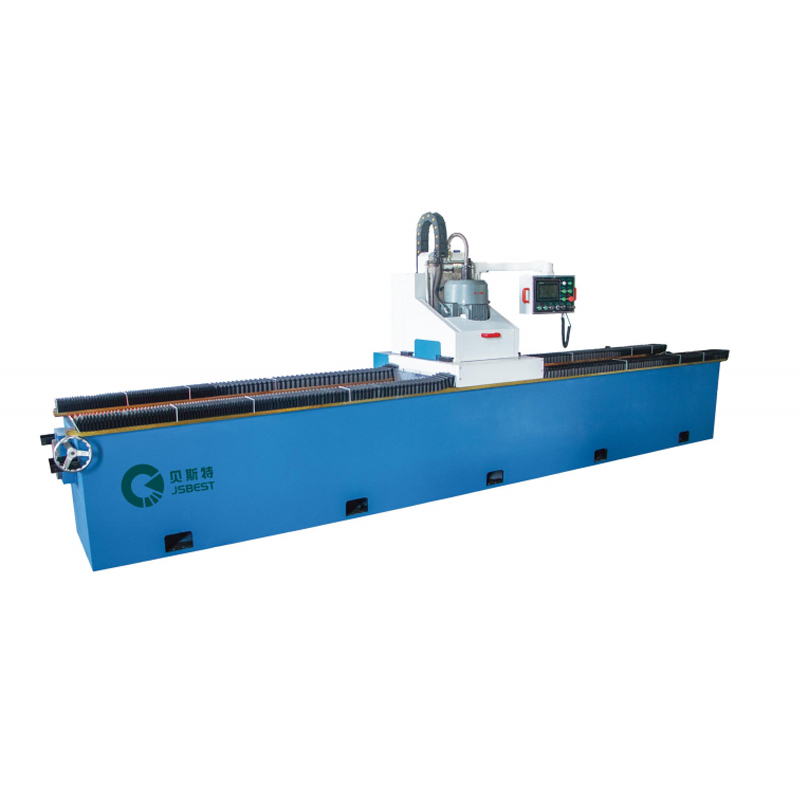
• The whole machine adopts a high-strength gantry-type welding structure, with a solid and compact o...
See Details -
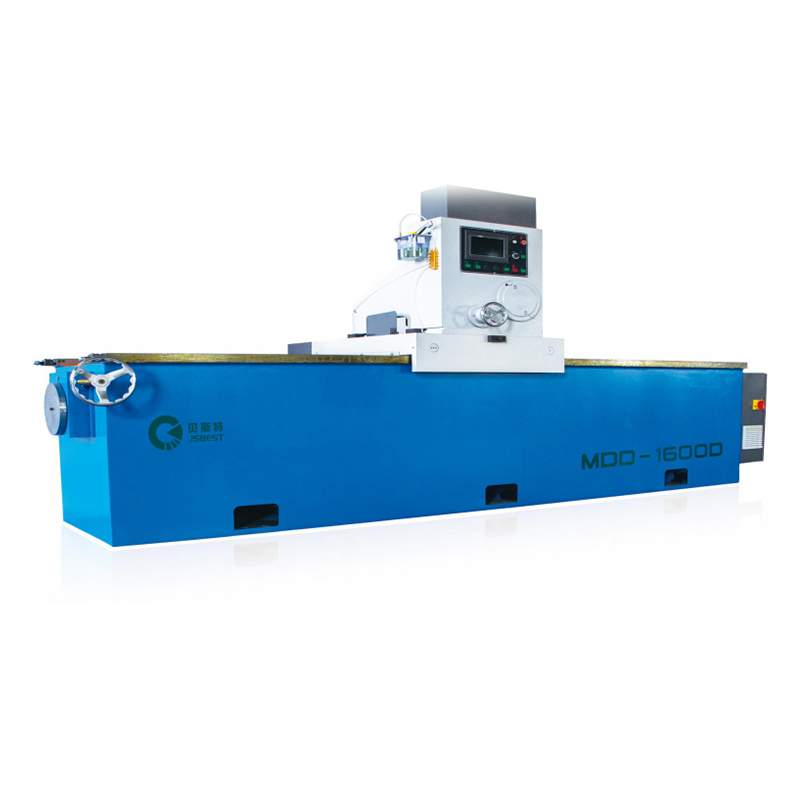
• The grinder adopts a gantry-type bed, high-quality steel plate welding, high-temperature tempering...
See Details -
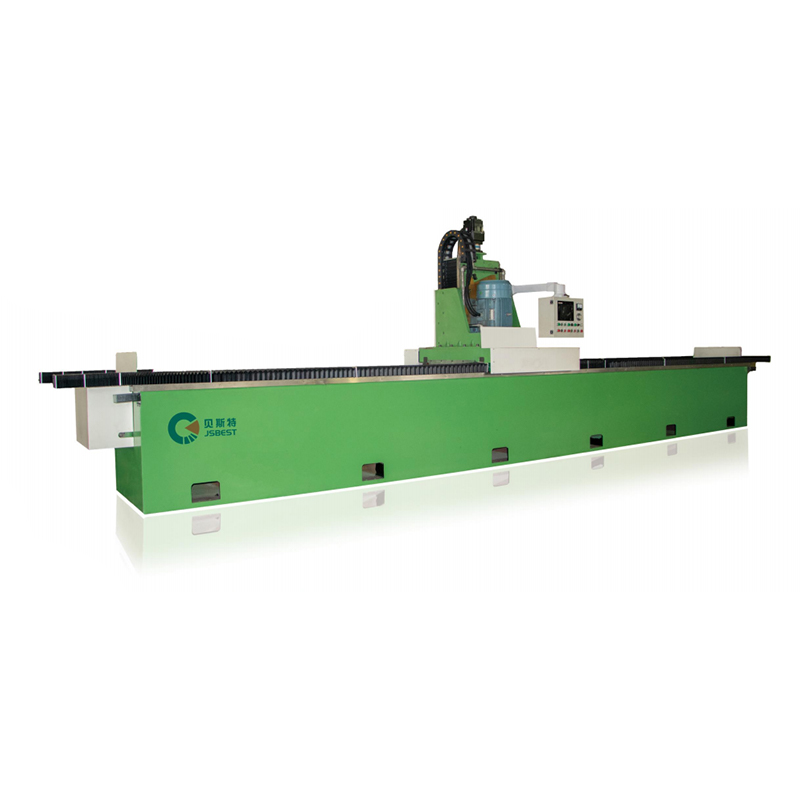
• A high-strength welded steel structure is adopted to eliminate the internal stress of the machine ...
See Details -
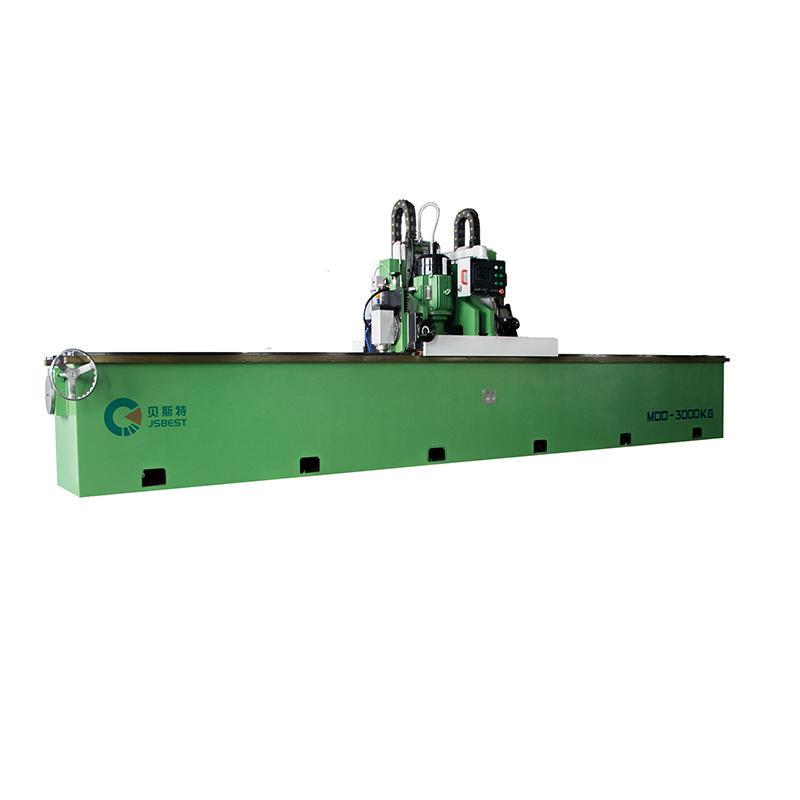
Double-Head Knife Grinding Machine is an efficient grinding equipment that combines rough grinding a...
See Details -
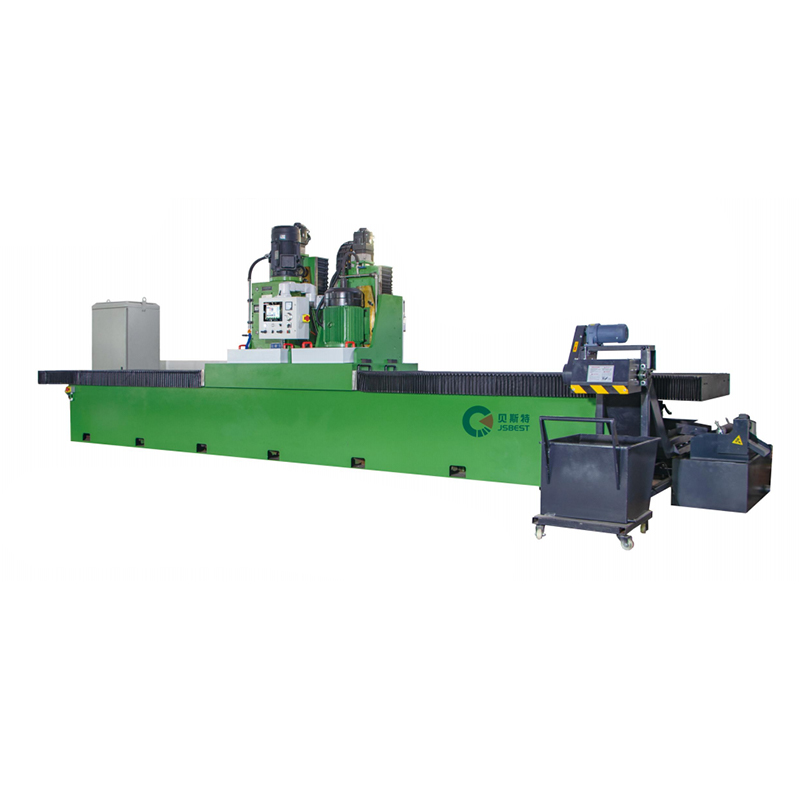
Heavy-Duty Surface Milling And Grinding Machine is an efficient processing equipment that integrates...
See Details -
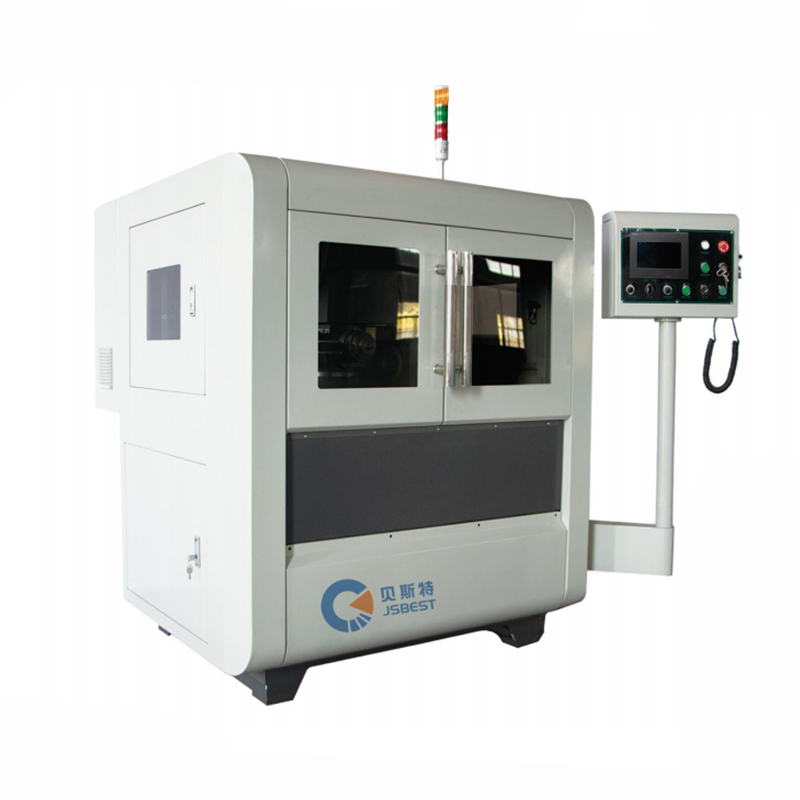
• This round knife grinder adopts a PLC program to control the automatic feeding part, which is easy...
See Details -
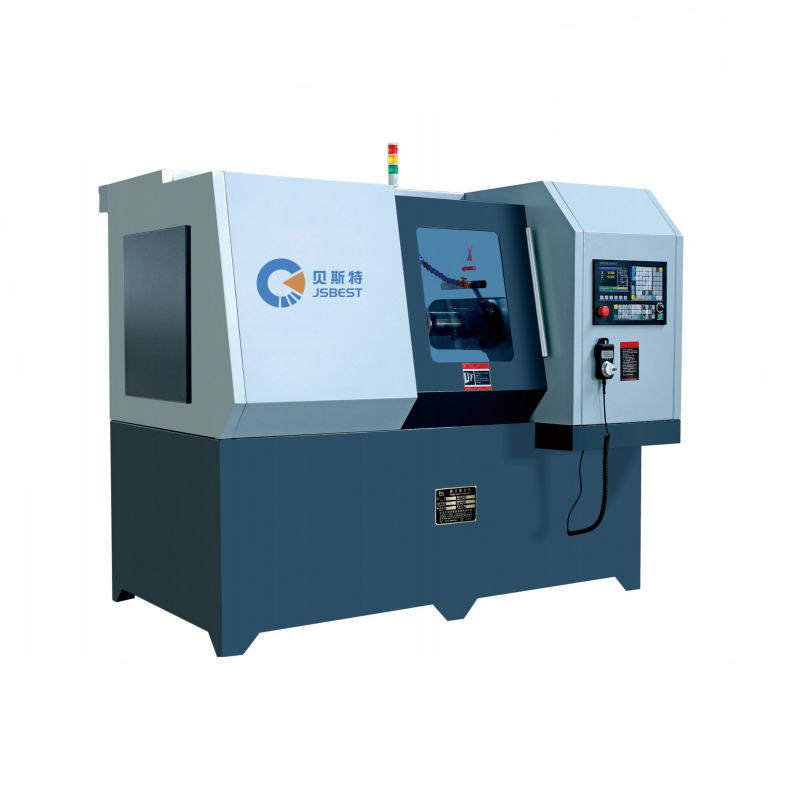
CNC Circular Knife Grinding Machine structural features:• High grinding accuracy, spindle and knife ...
See Details

- PRODUCT
- MDD Series Straight Knife Grinding Machine
- MYD Series Circular Knife Grinding Machine
- MCD Series Rewinding Knife Grinding Machine
- QUICK LINKS
- About Us
- Manufacturing
- Industry Solutions
- Downloads
- Contact
- CONTACT US
-
-
 No.99, Huanghai South Road, Tangyang Town, Dongtai City, Jiangsu Province, China
 -
 0086-13818631306
 -
 +86-515-85652988
 -

-

