


 English
  中文简体
中文简体 • The CNC Knife Grinding Machine adopts PLC program control, which is easy to operate, fast, stable,...
See DetailsPrecision Engineering Meets Industrial Power: The Future of High-Performance Blade Maintenance
Industry News-Content
- 1 A Foundation Built for Stability
- 2 Smooth Motion and Geometric Accuracy
- 3 Intelligent Speed Control for Diverse Materials
- 4 Superior Workholding: The Electromagnetic Advantage
- 5 The Heart of the Machine: High-Precision Grinding Heads
- 6 Maintenance Made Simple with Microcomputer Support
- 7 Environmental Responsibility and Internal Cleanliness
- 8 Conclusion: A High-ROI Investment
In the modern manufacturing landscape, the difference between a high-quality product and a rejected one often comes down to the sharpness of a blade. As industrial demands for precision and speed continue to rise, the technology behind tool maintenance has undergone a significant transformation. Today, we take a closer look at the latest advancements in heavy-duty grinding technology—a cornerstone for industries ranging from paper milling to metal processing.
The introduction of the Heavy-Duty Knife Grinding Machine marks a significant leap forward in how enterprises handle large-scale blade sharpening. By combining structural integrity with intelligent automation, this equipment is designed to solve the most common pain points in the workshop: thermal deformation, vibration, and inconsistent grinding quality.
A Foundation Built for Stability
The backbone of any high-precision machine tool is its bed. Without a stable foundation, even the most advanced motors cannot deliver accuracy. This new generation of grinding machines utilizes a high-strength welded steel structure. However, the secret lies in what happens after the welding.
To ensure long-term reliability, the machine bed undergoes an integral heat treatment process. This "stress-relief" stage eliminates the internal tension within the metal, preventing the machine from warping or shifting over years of use. Furthermore, the inner cavity of the bed is specifically engineered with anti-distortion and anti-vibration functions. In a heavy-duty environment, these features act as a silencer for the microscopic tremors that usually lead to "chatter marks" on a blade’s edge.
Key Structural Advantages
| Feature | Benefit to the User |
| Heat-Treated Steel | Prevents machine deformation over time. |
| Anti-Vibration Cavity | Ensures a smoother finish on the workpiece. |
| Integral Hardening | Increases the lifespan of the guide rails. |
Smooth Motion and Geometric Accuracy
Movement is where the magic happens. The machine employs a high-hardness guide rail system that has undergone integral hardening and high-precision grinding. When paired with grinding ball screws and a gear rack system, the result is ultra-high geometric accuracy.
What does this mean for the operator? It means that whether you are grinding a 1-meter blade or a 4-meter blade, the consistency remains absolute. The system is designed for high rigidity but surprisingly low friction. This combination reduces power consumption—a vital factor for factories looking to lower their carbon footprint and operational costs.
Intelligent Speed Control for Diverse Materials
Not all blades are created equal. A blade used for cutting soft plastics requires a different approach than one used for hardened steel. To address this, the walking speed (the horizontal movement of the grinding head) is controlled via high-performance servo motors or frequency conversion technology.
This allows the operator to fine-tune the speed to match the specific material and hardness of the workpiece. By maintaining the perfect "rhythm" during the grinding process, the machine prevents overheating of the blade edge, which can ruin the tempering of the steel.
Performance Specifications at a Glance
| Component | Technology Used | Primary Goal |
| Drive System | Servo / Frequency Conversion | Precision speed control |
| Transmission | Grinding Ball Screw & Gear Rack | Ultra-low friction |
| Lubrication | Microcomputer-controlled Pump | Extended component life |
Superior Workholding: The Electromagnetic Advantage
One of the most tedious parts of blade grinding is the setup. Traditional clamps can be slow and may cause slight bending of the blade. The solution provided here is a special electromagnetic sucker equipped with a copper coil.
This system offers several distinct advantages:
- Uniform Suction: The blade is held flat across its entire surface, ensuring a perfectly straight grind.
- Delay Demagnetization: This safety and convenience feature allows for easier removal of the blade once the job is done.
- Versatility: Depending on the factory’s specific needs, the machine can be equipped with either a fixed worktable or a rotary worktable, allowing for complex angle grinding without re-clamping.
The Heart of the Machine: High-Precision Grinding Heads
The grinding head is where the actual work is done. All standard units in this series feature special motors with adjustable axial clearance. This is a critical detail for professionals; being able to adjust the clearance means the machine can maintain "like-new" precision even after years of heavy use.
The transmission is designed to be exceptionally smooth, allowing for a "large grinding amount"—meaning you can remove more material in a single pass without sacrificing the surface quality. This significantly boosts throughput for high-volume sharpening centers.
Maintenance Made Simple with Microcomputer Support
A machine is only as good as its maintenance. To take the guesswork out of servicing, an automatic lubrication pump is integrated into the system. Controlled by a microcomputer, this pump delivers oil to the linear guide rails and ball screws at:
- Fixed Points: Exactly where the friction occurs.
- Fixed Times: Regularly scheduled intervals.
- Fixed Quantities: No more, no less—preventing mess and waste.
By automating this process, the risk of human error is eliminated, ensuring that the most expensive parts of the machine are always protected.
Environmental Responsibility and Internal Cleanliness
Modern workshops prioritize cleanliness, both for the health of the workers and the longevity of the equipment. The entire series comes equipped with automatic cleaning and slag collecting devices.
During the grinding process, metal dust and stone waste (slag) can contaminate the cooling water and clog the machine. This system automatically collects waste and purifies the cooling water, recycling it back into the system. This not only keeps the internal components of the machine pristine but also reduces the frequency of water changes and waste disposal.
The Maintenance Ecosystem
| System | Function | Impact |
| Auto-Lubrication | Micro-metered oiling | 40% increase in rail lifespan |
| Slag Collector | Waste filtration | Cleaner workspace / Pure coolant |
| Cooling Purifier | Water recycling | Cost savings and eco-friendly |
Conclusion: A High-ROI Investment
The Heavy-Duty Knife Grinding Machine is more than just a piece of hardware; it is a comprehensive solution for industrial precision. By focusing on structural rigidity, intelligent speed control, and simplified maintenance, it allows companies to keep their production lines running at peak efficiency with minimal downtime.
Whether you are a specialized sharpening service or a large-scale manufacturing plant, upgrading to this level of technology ensures that your "cutting edge" remains exactly that—sharp, precise, and reliable.
Related products
-
-

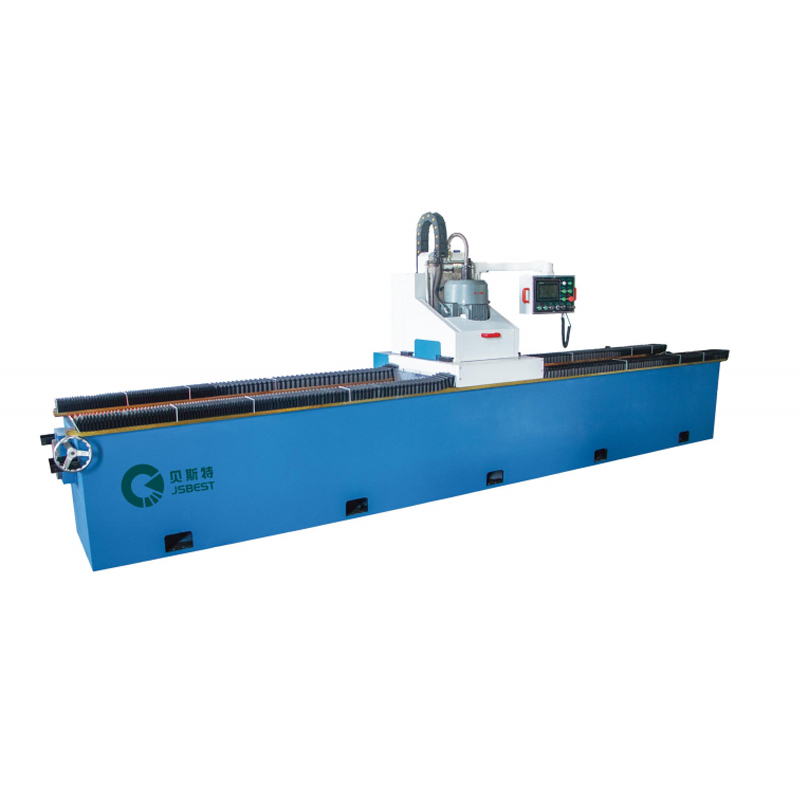
• The whole machine adopts a high-strength gantry-type welding structure, with a solid and compact o...
See Details -
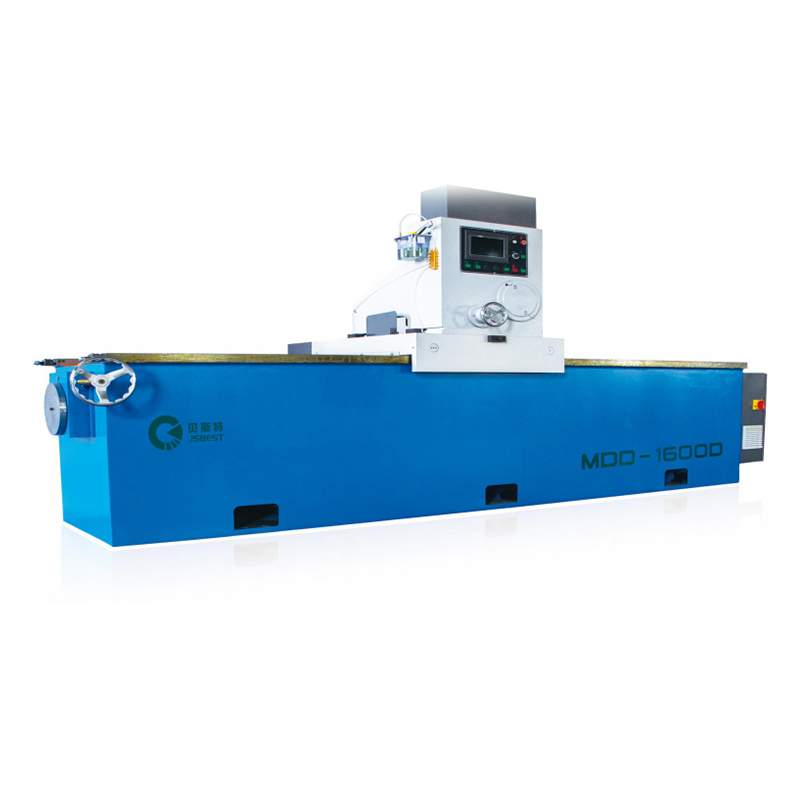
• The grinder adopts a gantry-type bed, high-quality steel plate welding, high-temperature tempering...
See Details -
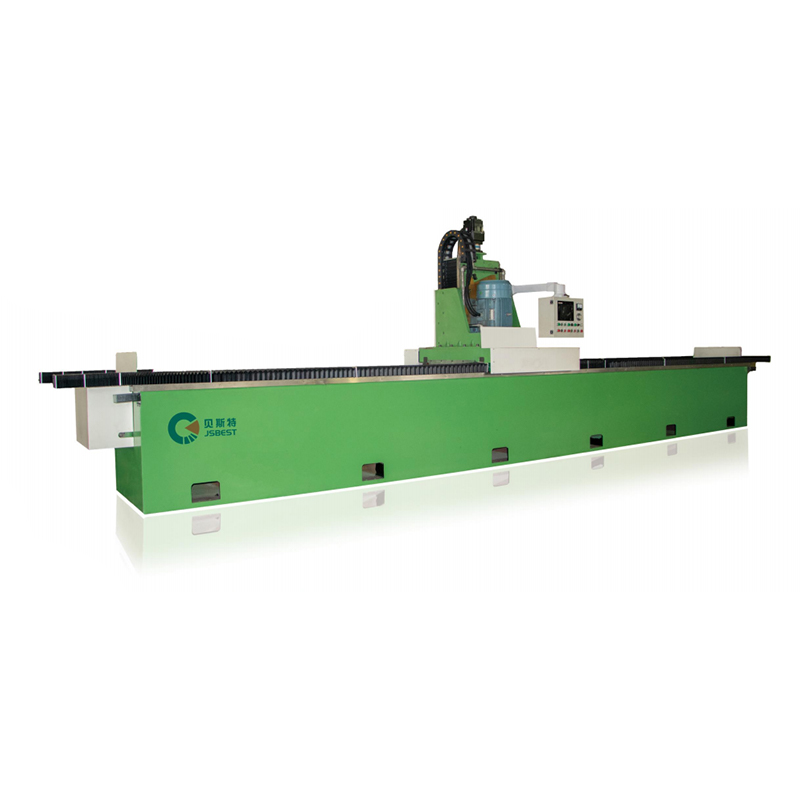
• A high-strength welded steel structure is adopted to eliminate the internal stress of the machine ...
See Details -
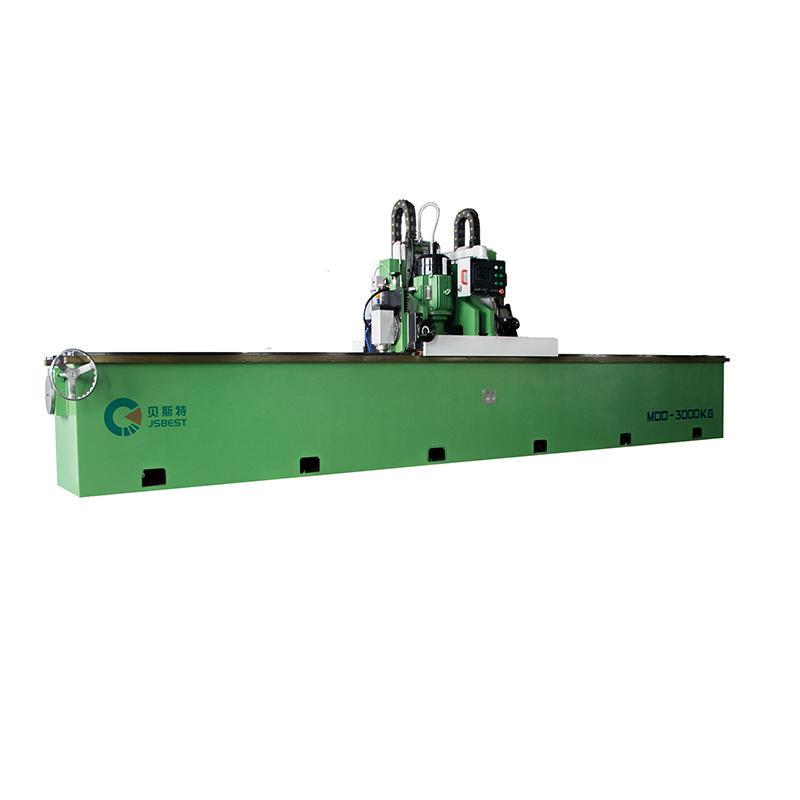
Double-Head Knife Grinding Machine is an efficient grinding equipment that combines rough grinding a...
See Details -
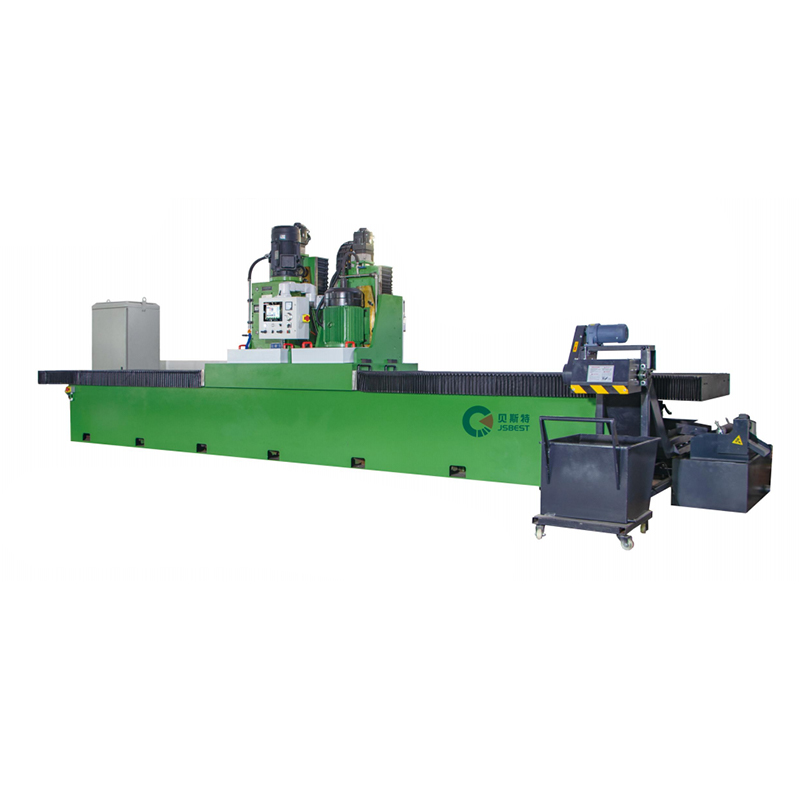
Heavy-Duty Surface Milling And Grinding Machine is an efficient processing equipment that integrates...
See Details -
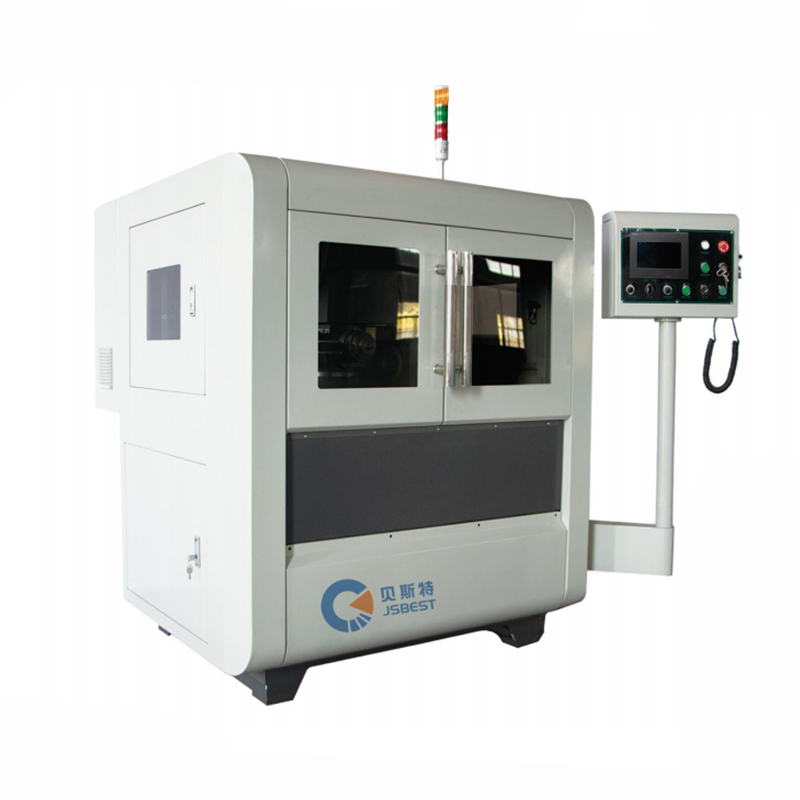
• This round knife grinder adopts a PLC program to control the automatic feeding part, which is easy...
See Details -
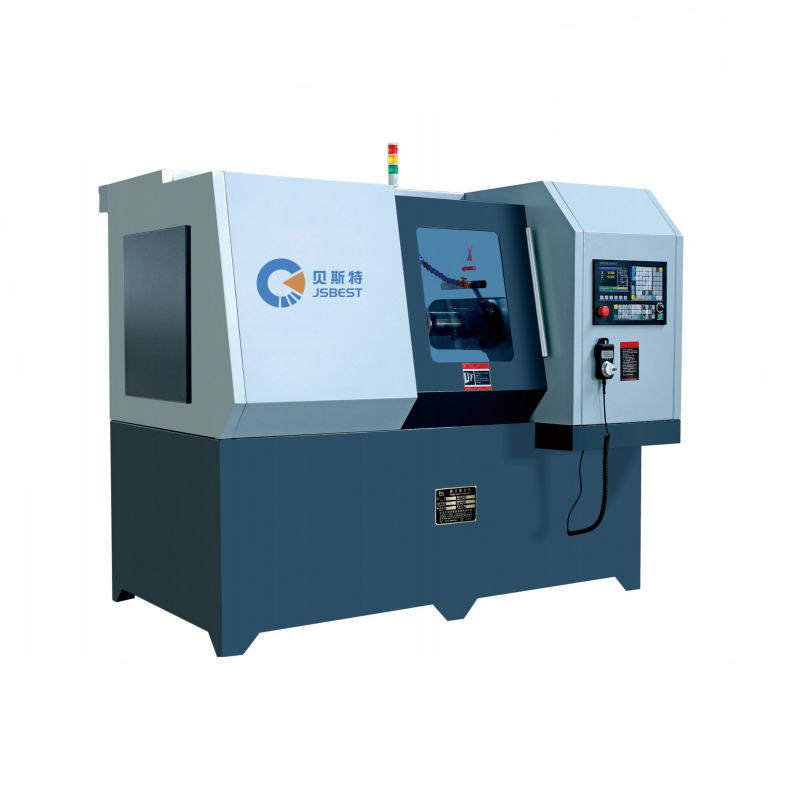
CNC Circular Knife Grinding Machine structural features:• High grinding accuracy, spindle and knife ...
See Details

- PRODUCT
- MDD Series Straight Knife Grinding Machine
- MYD Series Circular Knife Grinding Machine
- MCD Series Rewinding Knife Grinding Machine
- QUICK LINKS
- About Us
- Manufacturing
- Industry Solutions
- Downloads
- Contact
- CONTACT US
-
-
 No.99, Huanghai South Road, Tangyang Town, Dongtai City, Jiangsu Province, China
 -
 0086-13818631306
 -
 +86-515-85652988
 -

-

