


 English
  中文简体
中文简体 • The CNC Knife Grinding Machine adopts PLC program control, which is easy to operate, fast, stable,...
See DetailsWhat are the applications of a rewinding knife grinding machine?
Industry News-Content
- 1 Paper and Paperboard Converting
- 2 Flexible Packaging and Plastic Film
- 3 Aluminum Foil and Metallic Laminate Slitting
- 4 Textile and Nonwoven Fabric Converting
- 5 Adhesive Tape and Label Stock Converting
- 6 Rubber and Foam Sheet Slitting
- 7 The MCD Series: A Purpose-Built Solution for These Applications
- 8 Operational and Economic Benefits Across All Applications
- 9 Choosing the Right Grinding Machine for Your Application
A Rewinding Knife Grinding Machine is specifically designed to sharpen, profile, and restore the cutting edges of circular (rotary) slitter knives used in rewinding and slitting lines. Its core application is precision regrinding of worn or damaged blades to restore them to factory-level sharpness, ensuring consistent, clean cuts across high-speed converting operations. Without regular grinding, blade degradation leads to poor cut quality, material waste, and unplanned downtime -- issues that directly impact production efficiency and profitability.
Industries from paper converting to flexible packaging rely on these machines to maintain blade performance. The following sections explore every major application domain in detail.
Paper and Paperboard Converting
The paper industry is one of the largest users of rewinding knife grinding equipment. Paper mills and converting facilities operate continuous slitting lines that run at speeds of 400 to over 1,200 m/min (source: TAPPI converting speed benchmarks). At these speeds, circular knives wear rapidly, and even a 5-micron deviation in edge geometry causes visible defects such as fraying, dust generation, and uneven edge quality.
Typical Paper Industry Applications
- Tissue and toilet paper roll slitting lines
- Kraft paper and corrugated board trimming
- Newsprint and publication paper rewinding
- Coated and uncoated fine paper converting
A mid-sized tissue converting plant typically consumes 200 to 400 circular knives per year. With OEM replacement knife costs ranging from $15 to $80 per blade, a reliable in-house grinding machine can reduce annual blade expenditure by up to 60% by extending each knife's serviceable life through multiple regrind cycles.

Flexible Packaging and Plastic Film
Flexible packaging is one of the fastest-growing converting segments globally. According to the Flexible Packaging Association (FPA), the North American flexible packaging market exceeded $34 billion in 2023, with growth driven by food, pharmaceutical, and e-commerce applications. All of this packaging requires precision slitting of films such as BOPP, PET, LDPE, CPP, and multilayer laminates.
Plastic films are unforgiving: a dull or misaligned knife creates edge curl, whiskers, and micro-tears that cause downstream sealing and printing failures. Rewinding knife grinding machines allow converters to maintain tight edge-angle tolerances -- typically within +/-0.5 degrees -- which is critical for clean film slit edges.
Film Types Requiring Precision-Ground Knives
- BOPP (Biaxially Oriented Polypropylene): Requires a very sharp, burr-free edge to prevent delamination
- PET (Polyester Film): High tensile strength; dulls knives faster than most substrates
- LDPE / LLDPE: Softer films prone to edge stretch if blade geometry is incorrect
- Multilayer barrier films: Complex structures that demand consistent blade profiles across all layers
Aluminum Foil and Metallic Laminate Slitting
Aluminum foil is one of the most demanding substrates for slitter knives. Its hardness and tendency to gall and cold-weld to blade surfaces means knives lose their edge geometry faster than in paper or film applications. Foil gauges in packaging range from 6 to 200 microns, and each gauge band requires a specific knife bevel angle and surface finish.
Rewinding knife grinding machines equipped with diamond or CBN (Cubic Boron Nitride) grinding wheels are well suited to regrinding the hardened tool steel or tungsten carbide knives used in foil slitting. Maintaining a consistent 30-45 degree included bevel angle is essential for clean foil cuts without pinholing or edge cracking.
Foil Industry Grinding Needs
- Household foil roll production lines
- Pharmaceutical blister pack foil slitting
- Battery electrode foil for lithium-ion cells (a rapidly growing application)
- Decorative and barrier laminate foil converting
Battery electrode foil slitting deserves specific mention: with the global EV battery market projected to reach $134 billion by 2030 (source: BloombergNEF, 2023), precision grinding of copper and aluminum electrode foil knives is becoming a high-value niche application for rewinding knife grinding machines.
Textile and Nonwoven Fabric Converting
Textile slitting covers a broad range of substrates, from woven fabrics and stretch knits to nonwoven materials used in hygiene products, medical devices, and industrial filtration. Nonwoven production lines -- such as those making spunbond PP for diapers or surgical gowns -- operate at speeds up to 600 m/min and require precisely sharpened razor-style or circular knives to produce clean, fray-free slit edges.
In this sector, knife grinding machines are used to restore the micro-serrated or smooth-edge profiles of specialty blades. A dull blade in a medical nonwoven line can result in product rejection rates of 3 to 8%, a cost that vastly exceeds the investment in regular blade maintenance.
Nonwoven and Textile Blade Grinding Applications
- Hygiene product nonwoven slitting (diapers, sanitary napkins)
- Medical nonwoven fabric converting
- Geotextile and industrial wipe slitting
- Stretch and elastic fabric cutting for apparel manufacturing
Adhesive Tape and Label Stock Converting
Pressure-sensitive adhesive (PSA) tapes and label stock are among the most difficult substrates to slit cleanly. The adhesive layer loads onto knife surfaces rapidly, causing gumming and edge buildup that degrades cut quality within hours of starting a new blade. Rewinding knife grinding machines with fine-grit finishing capability allow converters to restore knife edges without removing excessive material -- critical when knife diameter tolerances on a gang-slitter must be maintained within 0.01 mm across all blades.
The global pressure-sensitive materials market was valued at approximately $68 billion in 2023 (source: FINAT Label Industry Global Study, 2023), and virtually all of it passes through slitting lines that depend on well-maintained knife sets.
Key Tape and Label Applications
- BOPP packaging tape slitting
- Masking and double-sided tape converting
- Self-adhesive label stock slitting (paper, PE, and PP facestock)
- Medical-grade tape for wound care and device attachment
Rubber and Foam Sheet Slitting
Foam and rubber sheets -- including EVA, polyurethane, neoprene, and silicone foam -- require blades that are extremely sharp and free of surface defects. Even microscopic nicks cause tearing and ragged edges in these compressible materials. Because foam and rubber applications often involve slower line speeds but higher blade-to-material friction, thermal edge wear is a common issue that necessitates frequent regrinding cycles.
A rewinding knife grinding machine with programmable feed and depth-of-cut control ensures that only the minimum necessary material is removed per regrind pass, extending blade life by 3 to 5 regrind cycles compared to manual grinding methods.
The MCD Series: A Purpose-Built Solution for These Applications
For operations spanning the industries above, the Rewinding Knife Grinding Machine in the MCD Series is engineered to address the full spectrum of circular knife regrinding needs. Its design incorporates CNC-controlled grinding head movement, automatic compensation for wheel wear, and programmable knife profiles -- enabling repeatable results across knife diameters typically ranging from 100 mm to 450 mm.
Key Capabilities Relevant to the Applications Above
| Application | Critical Requirement | MCD Series Feature |
|---|---|---|
| Paper converting | High throughput, consistent bevel angle | Auto-cycle grinding with programmable angle |
| Plastic film slitting | Burr-free edge, tight diameter tolerance | Fine-grit finishing pass, diameter compensation |
| Aluminum foil | CBN/diamond wheel compatibility | Compatible with CBN and diamond wheel sets |
| Adhesive tape | Gang-knife diameter matching | Precision diameter hold across knife set |
| Nonwoven fabric | Micro-edge profile restoration | Programmable micro-bevel profiles |
The machine's coolant system prevents thermal damage to blade hardness during grinding -- a common cause of premature re-dulling when knives are ground dry or with insufficient cooling. This is especially relevant for thin-section foil and film knives where heat-affected zones can alter the temper of the steel within 0.1 mm of the cutting edge.
Operational and Economic Benefits Across All Applications
Beyond the industry-specific uses described above, rewinding knife grinding machines deliver consistent operational advantages regardless of substrate:
- Reduced blade replacement cost: Each regrind cycle costs a fraction of a new blade. Most industrial circular knives tolerate 8 to 15 regrind cycles before reaching minimum diameter, yielding cost savings of 70 to 85% per blade over its full service life.
- Shorter changeover downtime: A freshly ground knife set installed on a slitter reduces micro-adjustment time at startup. Studies from AIMCAL (Association of International Metallizers, Coaters and Laminators) indicate that blade-related setup time accounts for up to 18% of total slitter downtime.
- Consistent product quality: Ground knives with controlled edge geometry produce slit rolls with tighter width tolerance, reducing rejects and customer complaints.
- Reduced waste and rework: Dull blades increase edge defect rates. Even a 1% reduction in waste on a line producing 5,000 kg/hr represents 50 kg/hr of recovered material value.
Choosing the Right Grinding Machine for Your Application
Not all rewinding knife grinding machines are equal in capability. When evaluating options for your specific application, consider the following factors:
- Knife diameter range: Confirm the machine accommodates your smallest and largest knife diameters. Most converting operations use knives between 100 mm and 400 mm.
- Grinding wheel type: Aluminum oxide wheels suit standard tool steel knives; CBN or diamond wheels are necessary for carbide or HSS (High Speed Steel) knives used in foil and demanding film applications.
- Angle programmability: If your operation runs multiple substrates requiring different bevel profiles, choose a machine with programmable or quickly adjustable grinding angle settings.
- Coolant system: Wet grinding with a properly maintained coolant system is essential for knives used in precision film and foil applications to prevent thermal edge damage.
- Throughput capacity: Calculate your monthly knife regrind volume and match it to the machine's cycle time. A facility grinding 200 knives per month requires a different capacity than one grinding 20.
Consulting with the machine supplier about your specific knife geometry, material, and substrate requirements before purchase ensures the selected model delivers the edge quality your slitting process demands.
Related products
-
-

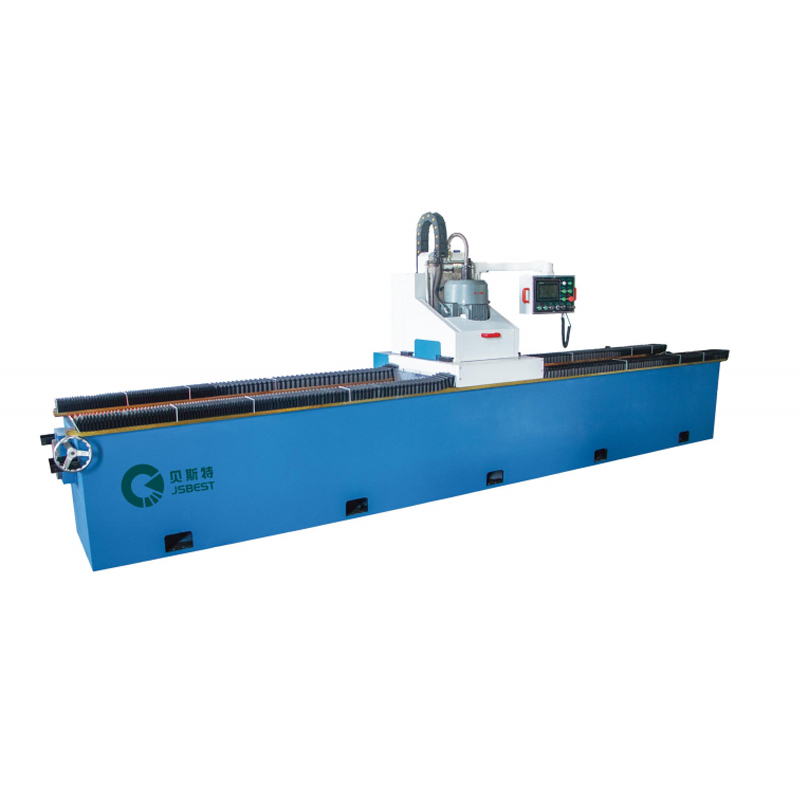
• The whole machine adopts a high-strength gantry-type welding structure, with a solid and compact o...
See Details -
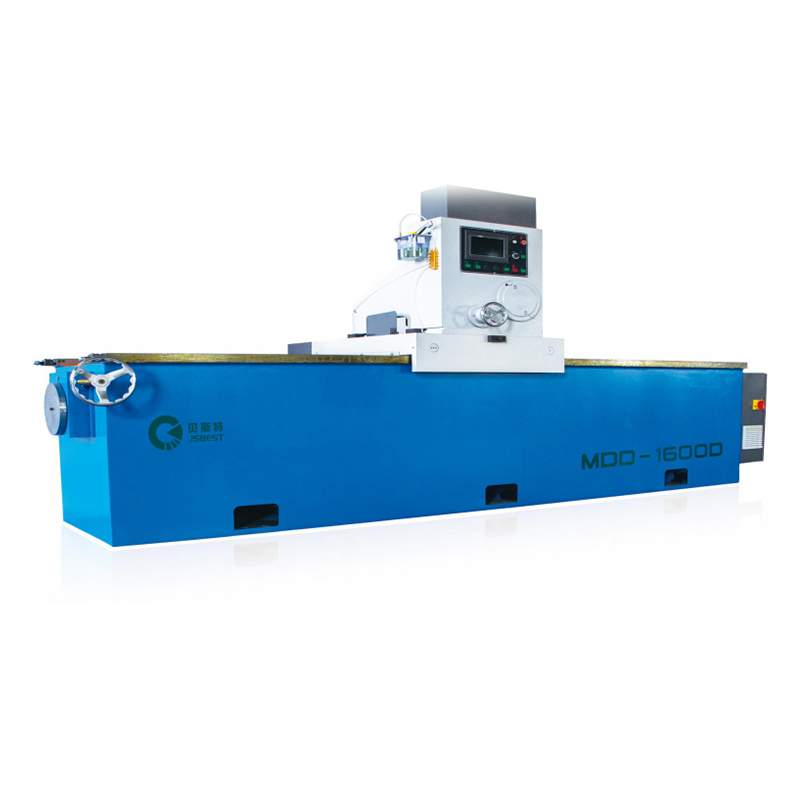
• The grinder adopts a gantry-type bed, high-quality steel plate welding, high-temperature tempering...
See Details -
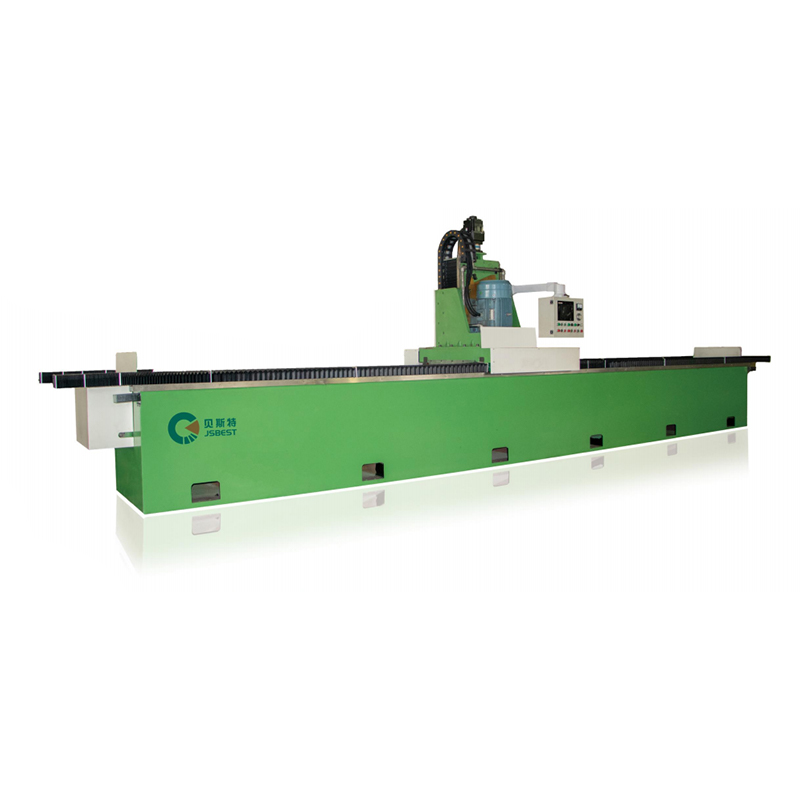
• A high-strength welded steel structure is adopted to eliminate the internal stress of the machine ...
See Details -
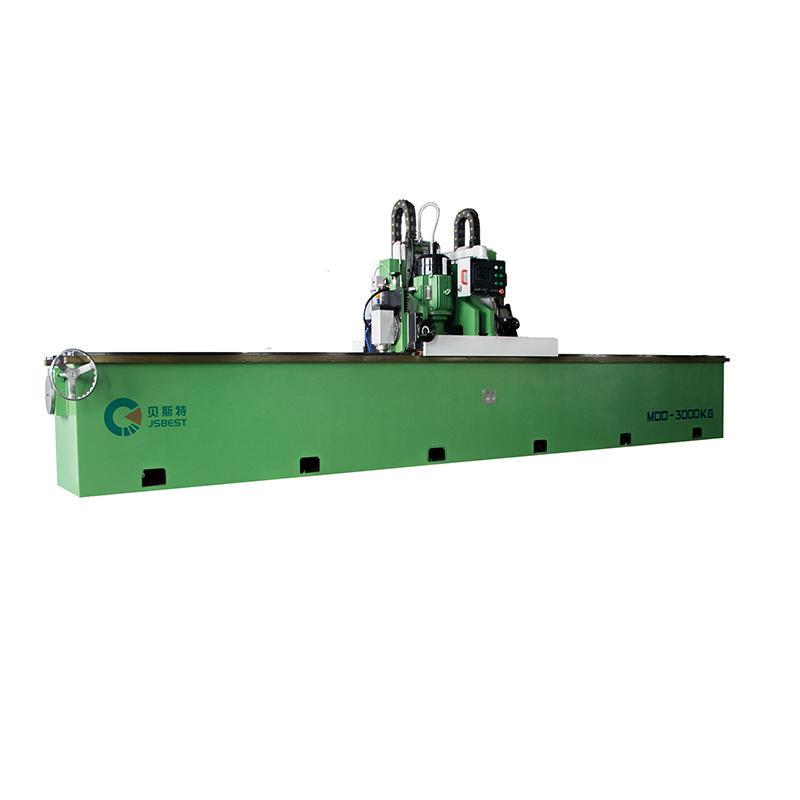
Double-Head Knife Grinding Machine is an efficient grinding equipment that combines rough grinding a...
See Details -
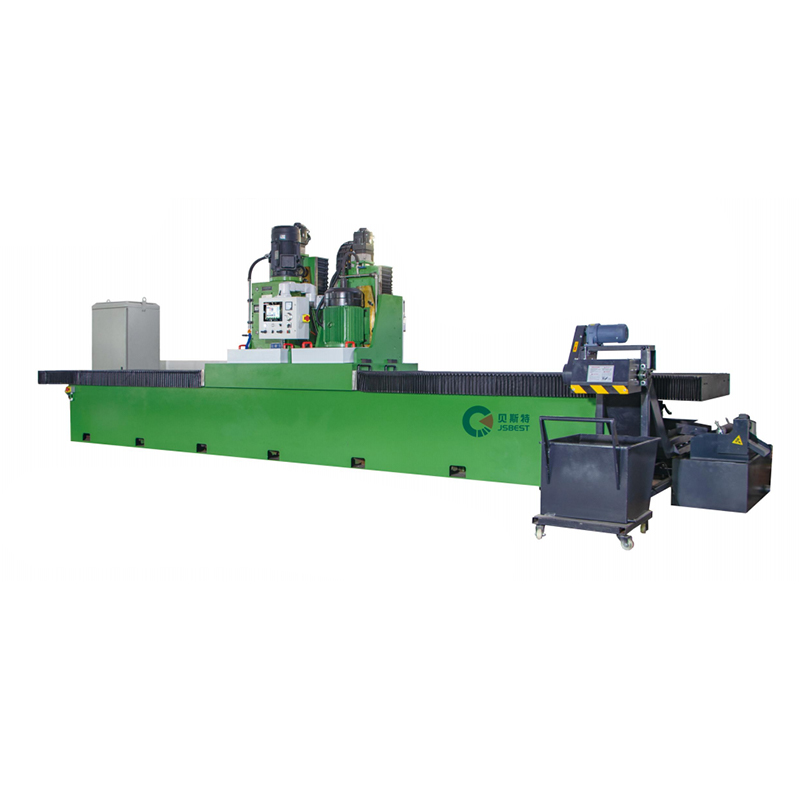
Heavy-Duty Surface Milling And Grinding Machine is an efficient processing equipment that integrates...
See Details -
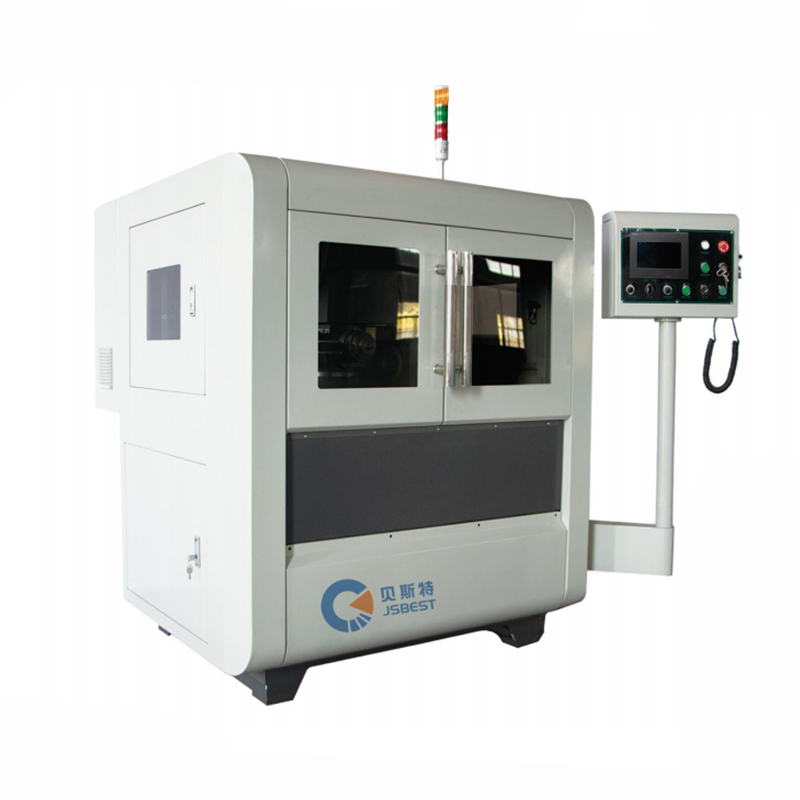
• This round knife grinder adopts a PLC program to control the automatic feeding part, which is easy...
See Details -
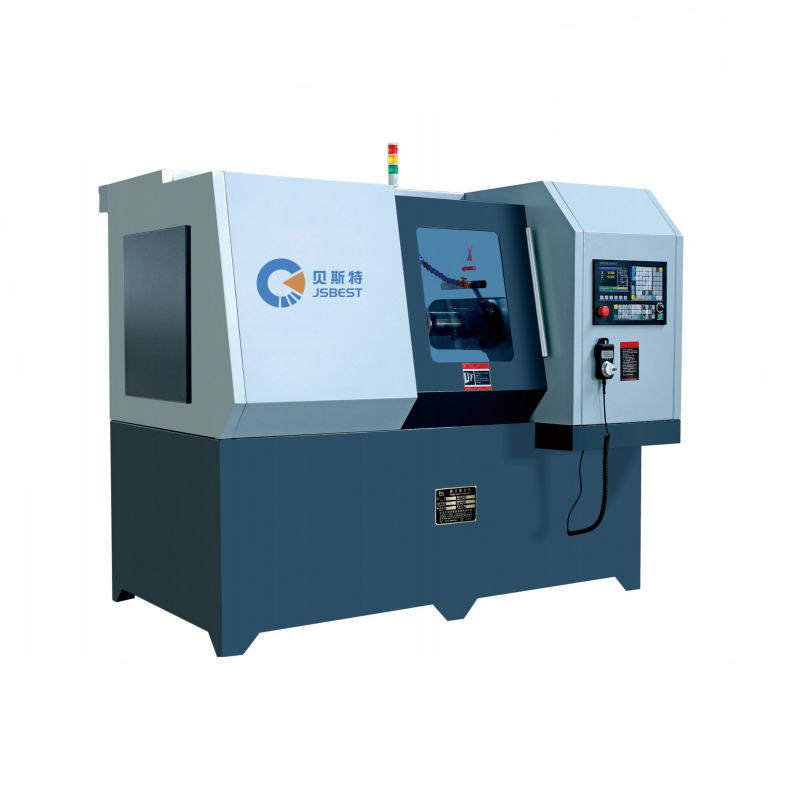
CNC Circular Knife Grinding Machine structural features:• High grinding accuracy, spindle and knife ...
See Details

- PRODUCT
- MDD Series Straight Knife Grinding Machine
- MYD Series Circular Knife Grinding Machine
- MCD Series Rewinding Knife Grinding Machine
- QUICK LINKS
- About Us
- Manufacturing
- Industry Solutions
- Downloads
- Contact
- CONTACT US
-
-
 No.99, Huanghai South Road, Tangyang Town, Dongtai City, Jiangsu Province, China
 -
 0086-13818631306
 -
 +86-515-85652988
 -

-

