


 English
  中文简体
中文简体 • The CNC Knife Grinding Machine adopts PLC program control, which is easy to operate, fast, stable,...
See DetailsIndustrial Blade Grinding Machine: Analyzing Key Technologies to Boost Industrial Efficient Production
Industry News-Content
- 1 How does an industrial blade grinding machine achieve precise repair and grinding of blades?
- 2 Which types of industrial blades are suitable for maintenance using a grinding machine?
- 3 What core indicators should enterprises focus on when purchasing an industrial blade grinding machine?
- 4 What safety precautions should operators take when using an industrial blade grinding machine?
- 5 How to perform daily maintenance on an industrial blade grinding machine to extend its service life?
- 6 What Common Faults Occur in Industrial Blade Grinding Machines, and How to Troubleshoot Them Quickly?
In the field of industrial production, blades are core components of many types of equipment. Their sharpness and precision directly affect production efficiency and product quality. However, the industrial blade grinding machine, a key device for maintaining blade performance, is not widely known to the general public. From a popular science perspective, this article will help you fully understand industrial blade grinding machines and explore their important value in the industry through a series of practical questions.
How does an industrial blade grinding machine achieve precise repair and grinding of blades?
The core function of an industrial blade grinding machine is to repair and grind worn or dull industrial blades, restoring their original sharpness and precision. Its working principle revolves around "precision control" and "efficient grinding," mainly consisting of three key steps.
The first step is blade fixing and positioning. The machine is equipped with specialized fixtures that can be adjusted according to the shape (e.g., circular, rectangular, special-shaped) and size of different blades to ensure the blade remains stable during the grinding process. At the same time, some high-end models are equipped with laser positioning systems, which can automatically identify the edge position and wear degree of the blade, accurately set the grinding starting point and path, and avoid grinding deviations caused by manual positioning errors. For example, for circular slitting blades, the fixture can be quickly fixed through a center positioning device to ensure the blade's center remains parallel to the axis of the grinding wheel during grinding, preventing uneven edge thickness.
The second step is the setting and execution of grinding parameters. Operators can adjust the rotation speed of the grinding wheel (usually 1,000-6,000 rpm), grinding pressure (0.5-5 MPa), and grinding time according to the blade material (e.g., high-speed steel, cemented carbide, ceramics) and required precision. Grinding wheels mostly use high-strength abrasives such as diamond and silicon carbide, with different abrasives suitable for different blade materials: diamond abrasives have high hardness and are suitable for grinding super-hard material blades like cemented carbide and ceramics; silicon carbide abrasives have good toughness and are more suitable for metal blades like high-speed steel and stainless steel. During the grinding process, the machine uses pressure sensors to monitor the grinding pressure in real time. If pressure fluctuations occur, it automatically adjusts the hydraulic system to maintain stable pressure, preventing blade edge chipping due to excessive pressure or reduced grinding efficiency due to insufficient pressure.
The third step is precision inspection and correction. After grinding, some advanced models use built-in optical inspection systems to automatically measure parameters such as the blade's edge angle (common range: 15°-45°) and surface roughness (usually requiring Ra ≤ 0.8 μm). During inspection, the optical lens captures high-definition images of the blade edge, and image recognition algorithms calculate the edge angle error. If the error exceeds ±0.5°, the machine automatically adjusts the grinding wheel angle and grinding time for secondary grinding. Additionally, some models are equipped with edge radius inspection functions, which can ensure the radius precision of the curved edge (e.g., for food slicing blades) is controlled within 0.1-0.5 mm, meeting special processing requirements.
Which types of industrial blades are suitable for maintenance using a grinding machine?
There are many types of industrial blades, and not all blades are suitable for maintenance with a grinding machine. The suitability depends on the blade's material, structure, and application scenario. Currently, industrial blade grinding machines are mainly suitable for the following common types of blades, covering multiple industrial fields.
Metal processing blades are among the primary targets for grinding machines, including turning blades, milling blades, and planing blades. Most of these blades are made of high-speed steel or cemented carbide. During metal cutting, their edges are prone to wear or edge rolling due to high temperatures and friction. Taking cemented carbide milling blades commonly used in CNC milling machines as an example, when the edge wear reaches 0.2 mm, the cutting efficiency decreases by more than 40%. At this point, grinding the blade to remove a 0.3-0.5 mm wear layer can restore its original cutting performance, extending its service life by 30%-50% and significantly reducing the enterprise's blade procurement costs. However, if the blade has severe chipping (chip depth exceeding 2 mm) or blade body deformation, it cannot be repaired by grinding and must be replaced directly.
Blades in the packaging and printing industry also rely heavily on grinding machines for maintenance, such as slitting blades, hot cutting blades, and die-cutting blades. These blades are usually used for cutting materials like paper, plastic films, and metal foils, requiring extremely high flatness and sharpness of the edge. Taking plastic film slitting blades as an example, their edge roughness must be controlled at Ra ≤ 0.4 μm; otherwise, the cut edge of the film will have burrs and wrinkles, affecting the appearance of the product packaging. Grinding machines can reduce the edge roughness to Ra ≤ 0.2 μm through fine grinding and repair small edge notches (depth ≤ 0.5 mm) to ensure cutting precision. Additionally, for hot cutting blades (used for cutting hot-melt plastics), grinding machines can polish the edge to reduce plastic adhesion and improve cutting efficiency.
Blades in the food and pharmaceutical industries are also suitable for grinding machines but must meet strict hygiene requirements. These blades (e.g., slicing blades, chopping blades, capsule filling blades) are mostly made of 304 or 316 stainless steel. During use, their edges are prone to dulling due to food residue and cleaning corrosion. Special food-grade blade grinding machines use all-stainless steel bodies and food-grade lubricants (complying with FDA standards). After grinding, they are equipped with high-temperature and high-pressure cleaning systems (water temperature: 80-95°C, water pressure: 0.8-1.2 MPa) and UV disinfection functions to ensure no oil or bacterial residues on the blades. However, if the blade has rust spots covering more than 10% of its surface or edge cracks, grinding is not recommended, and the blade must be replaced to avoid affecting food or pharmaceutical safety.
In addition, planer blades and chipper blades in the woodworking industry (mostly made of high-speed steel) and fabric cutting blades in the textile industry (mostly made of carbon steel or stainless steel) can all be maintained using grinding machines as long as their blade bodies are structurally intact and free from severe deformation. However, for super-hard coated blades such as diamond-coated blades and cubic boron nitride (CBN) blades, the coating must be removed first before edge grinding. Ordinary grinding machines cannot complete this task, so specialized grinding machines with coating removal functions are required.
What core indicators should enterprises focus on when purchasing an industrial blade grinding machine?
For enterprises, purchasing a suitable industrial blade grinding machine can not only improve blade maintenance efficiency but also reduce production costs. During the purchasing process, enterprises should focus on the following core indicators to avoid blind investment.
To clearly present the core indicators and parameter ranges for easy comparison and reference, the table below summarizes the requirements for key purchasing indicators and their applicable scenarios:
|
Core Indicator |
Key Parameter Requirements |
Examples of Applicable Scenarios |
|
Grinding Precision |
Edge angle error ≤ ±0.5° (≤ ±0.1° for precision blades); Surface roughness Ra ≤ 0.8 μm (≤ 0.2 μm for precision scenarios); Parallelism error ≤ 0.01 mm/m |
Ordinary metal processing uses standard precision; high-precision models are used for electronic wafer cutting and precision die-cutting. |
|
Equipment Compatibility |
Blade size: Length 50-500 mm, Width 10-100 mm, Thickness 1-20 mm; Supports circular/rectangular/special-shaped blades; Compatible with materials such as high-speed steel/cemented carbide |
Machines with adjustable fixtures are used for processing blades of multiple sizes; customized specialized fixtures are required for special-shaped blades. |
|
Grinding Efficiency |
Semi-automatic: 8-12 pieces/hour (cemented carbide turning blades); Fully automatic: 20-30 pieces/hour (multi-station grinding) |
Semi-automatic models are suitable for daily maintenance ≤ 30 pieces; fully automatic models are suitable for daily maintenance ≥ 50 pieces to avoid efficiency waste or blade backlog. |
|
Core Component Quality |
Grinding wheel: Diamond content 50%-80%, Grit 80-400 mesh; Motor: Servo motor, speed fluctuation ≤ ±50 rpm; Guide rail: Linear guide rail, precision ≥ H7 |
High-purity grinding wheels + servo motors are used for high-frequency operation; linear guide rails are required for precision grinding to ensure stability. |
|
After-sales Service & Consumables |
Consumables delivery ≤ 3 days, Grinding wheel unit price 500-2000 yuan/piece; Local service support with ≤ 24-hour response and 48-hour fault resolution |
Enterprises with fast production rhythms prioritize suppliers with local service support to reduce downtime losses. |
Grinding precision is the primary indicator to consider, as it directly determines the performance of the blade after grinding. Enterprises can use the parameter requirements in the table above to make judgments based on their production needs: for ordinary metal processing, an edge angle error of ≤ ±0.5° and surface roughness of Ra ≤ 0.8 μm are sufficient; for electronic wafer cutting and precision mold processing in the electronics industry, high-precision models with an edge angle error of ≤ ±0.1° and surface roughness of Ra ≤ 0.2 μm are required. During purchasing, it is recommended to request actual ground samples, conduct on-site testing using tools such as roughness meters and angle gauges, or perform small-batch blade test grinding to verify whether the machine's precision meets requirements.
Equipment compatibility must match the enterprise's existing blade types. If an enterprise uses both circular slitting blades with a diameter of 50 mm and rectangular turning blades with a length of 300 mm, it should select a model with an adjustable chuck diameter (10-200 mm) and fixture length ≥ 300 mm; if it involves special-shaped blades such as curved edges or toothed blades, it must confirm whether customized specialized fixtures are available to avoid inability to grind due to mismatched sizes or shapes.
Grinding efficiency should be selected based on the daily blade maintenance volume. For example, if the daily maintenance volume is 20 blades, a semi-automatic model (8-12 pieces/hour) is sufficient; if the daily maintenance volume is 60 blades, a fully automatic multi-station model (20-30 pieces/hour) is required to improve efficiency through automatic feeding and simultaneous grinding, reducing the workload of operators.
The quality of core components determines the stability and service life of the equipment. For grinding wheels, high-purity products are recommended: 80-120 mesh for rough grinding (to efficiently remove the wear layer) and 200-400 mesh for fine grinding (to ensure surface precision); the motor should be a servo motor to ensure stable speed and avoid uneven edge grinding due to speed fluctuations; linear guide rails are preferred for guide rails, with a precision grade of ≥ H7, to reduce jitter during carriage movement and ensure grinding consistency.
After-sales service and consumables supply require attention to response speed and costs. Enterprises should prioritize suppliers with local service support. In case of equipment failures, on-site maintenance can be provided quickly (≤ 24-hour response) to reduce downtime; for consumables, it is necessary to confirm the unit price and delivery cycle of vulnerable parts such as grinding wheels and fixtures to avoid affecting production due to consumables shortages. At the same time, the cost-effectiveness of consumables from different suppliers should be compared to reduce long-term operating costs.
What safety precautions should operators take when using an industrial blade grinding machine?
During the operation of an industrial blade grinding machine, there are high-speed rotating grinding wheels (1,000-6,000 rpm) and sharp blades. Improper operation can easily lead to safety accidents such as cuts, impacts, and dust pollution. Operators must strictly abide by the following safety precautions to ensure personal safety and normal equipment operation.
Pre-operation safety checks must be fully implemented without exception. First, check the electrical system of the equipment: confirm that the power supply voltage matches the rated voltage of the equipment (usually 380V three-phase power), the power cord is free from damage and aging, and the grounding device is secure (grounding resistance ≤ 4 Ω) to avoid electric shock; second, check the pneumatic/hydraulic system: if the equipment uses a pneumatic fixture, confirm that the pressure gauge shows a pressure of 0.6-0.8 MPa and the air pipe is free from leaks; if a hydraulic system is used, check that the hydraulic oil level is above 2/3 of the oil gauge and the oil is free from turbidity and deterioration; third, check the grinding wheel and fixture: the grinding wheel should be free from cracks and chips and securely installed (the nut tightening torque should comply with the instructions, usually 20-30 N·m), the fixture should be free from deformation and wear, and the adjustment mechanism should be flexible; finally, check the safety protection devices: the protective cover should be properly closed, the emergency stop button (red, diameter ≥ 40 mm) should be sensitive and effective, the distance between the two-hand start buttons should be ≥ 200 mm (to prevent one-hand misoperation), and there should be no obstacles around the equipment (safety distance ≥ 1.5 m).
Standardized operation during the process is the core of safety protection. Operators must wear complete personal protective equipment (PPE): safety helmets (for impact protection), safety goggles (for protection against grinding debris splashing, impact-resistant goggles are recommended), cut-resistant gloves (for protection against blade cuts, made of Kevlar or nitrile), and non-slip work shoes (for slip prevention, with a sole slip coefficient ≥ 0.8). Loose clothing (e.g., jackets with untightened cuffs) and jewelry (e.g., rings, bracelets) are strictly prohibited. Long hair must be tucked into a work cap to prevent it from being caught by rotating parts. When clamping the blade, ensure the equipment is in a stopped state (emergency stop button pressed or power turned off), hold the blade with both hands and place it steadily into the fixture, and avoid touching the edge with fingers; when clamping the blade, apply moderate force (controlled by a torque wrench, usually 5-10 N·m). Excessive clamping will cause blade deformation, while insufficient clamping may cause the blade to fly out during grinding. During the grinding process, operators should stand on the side of the equipment (avoiding the direction of the grinding wheel rotation), remain focused, and must not leave their posts. They must not touch the rotating grinding wheel or blade with their hands, nor place tools, workpieces, or other items on the equipment. If it is necessary to observe the grinding situation, use the transparent observation window of the equipment (made of tempered glass, thickness ≥ 5 mm); opening the protective cover for observation is strictly prohibited.
The handling of grinding debris and dust must comply with environmental protection and safety requirements. During grinding, metal debris (e.g., iron filings, alloy chips) and abrasive dust (e.g., silicon carbide dust) are generated. Long-term inhalation of dust can easily cause respiratory diseases. The equipment must be equipped with a dedicated dust removal system: dry dust removal can use a bag filter (filtration efficiency ≥ 99%), and wet dust removal can use a water curtain dust collector to ensure the dust concentration in the work area is ≤ 8 mg/m³ (complying with GBZ2.1-2019 "Occupational Exposure Limits for Hazardous Factors in the Workplace"). Operators must regularly clean the dust collection box of the dust removal system (once a day) to avoid fire risks caused by dust accumulation. Metal debris must be collected through the equipment's debris collection trough,stored in a dedicated container, and recycled by professional institutions; random disposal is prohibited.
Emergency handling of abnormal situations must be mastered proficiently to avoid accident escalation. During the grinding process, press the emergency stop button immediately if any of the following situations occur: abnormal noise from the equipment (e.g., metal impact sound, motor squealing), increased vibration (amplitude exceeding 0.1 mm), grinding wheel chipping, blade flying out, smoke, or unusual odors. After pressing the emergency stop button, cut off the equipment's power and air supply, and wait for the equipment to stop completely (usually 10-30 seconds, depending on the grinding wheel rotation speed) before checking the cause of the abnormality: if the grinding wheel is chipped, clean up all debris and replace it with a new grinding wheel; if the blade flies out, check whether the fixture is damaged and readjust the clamping force; if there is an abnormality in the motor, contact maintenance personnel for inspection and do not disassemble it without authorization. In case of personal injury (e.g., debris scratches, blade cuts), rinse minor wounds with normal saline immediately, disinfect with iodophor, and apply a bandage; for severe wounds, stop work immediately, call an emergency number, and protect the scene to avoid secondary injuries.
In addition, enterprises must establish a sound safety management system: operators must receive professional training (training duration ≥ 40 hours), be familiar with the equipment structure, operating procedures, and safety precautions, and pass an assessment (theory + practical operation, passing score ≥ 80 points) before taking up their posts; regular safety drills (once a quarter) should be organized to improve emergency handling capabilities; safety warning signs (e.g., "No gloves when operating rotating parts," "Safety goggles must be worn") should be posted on the equipment to remind operators of safety.
How to perform daily maintenance on an industrial blade grinding machine to extend its service life?
Daily maintenance of an industrial blade grinding machine is key to ensuring stable equipment performance and extending its service life (usually 5-8 years, or more than 10 years with proper maintenance). Improper maintenance will not only reduce the equipment's grinding precision and cause frequent failures (e.g., grinding wheel chipping, motor burnout) but also increase the enterprise's maintenance costs (the cost of a single major repair is usually 20%-30% of the total equipment price). Enterprises must establish a "daily maintenance, weekly inspection, monthly maintenance" system and do a good job in the following aspects.
Daily Maintenance (Performed Before and After Daily Operation)
Equipment cleaning is basic work. Before operation, use compressed air (pressure 0.4-0.6 MPa) to blow off dust and debris from the equipment surface, grinding wheel, and fixture—pay special attention to the gap between the grinding wheel and flange, as accumulated debris here may cause vibration during operation. Wipe the equipment body with a cloth dipped in a neutral cleaner (e.g., diluted dish soap) to prevent oil and debris buildup. After operation, clean residual abrasives from the grinding wheel surface (using a stiff brush for gentle scrubbing, moving in the direction of the grinding wheel’s rotation to avoid damaging the abrasive layer), remove metal debris from the fixture (to avoid affecting clamping precision in subsequent use), and empty the debris collection trough and dust collector’s dust box to ensure no residues remain. Note that direct water washing of electrical components (e.g., control panel, motor) is strictly prohibited to prevent short circuits.
Lubrication inspection and replenishment must be conducted daily. Refer to the equipment manual to check lubrication conditions at all lubrication points: Apply guide rail oil (typically grade 32# or 46#) to the guide rails once before daily operation—use a small brush to spread the oil evenly along the rail surface, ensuring a continuous oil film without excess oil pooling. For bearings, inject grease (usually lithium-based grease) through the grease fitting until a small amount of fresh grease seeps out; if the equipment is equipped with an automatic lubrication system, check that the oil level is within the normal range and listen for the lubrication pump (a steady humming sound indicates normal operation, while abnormal clicking may mean clogged oil lines). Apply high-temperature grease to the lead screw (for ball screws, reapply after each shift) to prevent wear that could reduce carriage movement precision. Use an appropriate amount of lubricant: the thickness of guide rail oil should not exceed 1 mm, and grease should fill 1/3 to 1/2 of the bearing internal space. Excessive lubricant may cause oil leakage and contaminate the equipment or blades.
Safety device inspection must not be overlooked. Before daily operation, test the emergency stop button: pressing it should immediately cut power and stop the equipment, and the equipment should restart normally after resetting. Check the protective cover: it should fasten securely without looseness, and the equipment should not start if the cover is open (to ensure interlock functionality). Verify the two-hand start buttons: the equipment should only start when both buttons are pressed simultaneously, and no response should occur if only one button is pressed (to prevent one-hand misoperation). If any safety device malfunctions, stop using the equipment immediately and contact maintenance personnel for repairs—never operate faulty equipment.
Weekly Inspection (Conducted on the Last Working Day of Each Week)
Comprehensive inspection of core components is essential. For the grinding wheel: Check for cracks, chips, or excessive wear (replace if diameter wear exceeds 10% of the original size—mark the original diameter on the wheel’s side with a permanent marker for easy comparison). Measure the grinding wheel runout using a dial indicator (radial runout ≤ 0.05 mm, end runout ≤ 0.03 mm); if runout exceeds limits, reinstall the wheel and use a balancing tool to adjust counterweights until runout meets standards. For the motor: Touch the motor housing to check temperature (normal operating temperature ≤ 60°C; stop operation for inspection if temperature exceeds 70°C—use an infrared thermometer for more accurate readings). Listen for smooth motor operation without abnormal noise, and check that motor terminals are secure without looseness or oxidation (apply a small amount of anti-oxidation paste to terminals after cleaning to prevent future corrosion). For the fixture: Test clamping force with a torque wrench (adjust spring or cylinder pressure if clamping force decreases by more than 10%—record the standard torque value in the equipment log for quick reference); inspect the fixture contact surface for wear (replace the fixture or repair the surface if wear depth exceeds 0.2 mm—use fine sandpaper to polish minor scratches if wear is minimal).
Precision calibration should be performed regularly. Use a dial indicator (precision grade 0.01 mm) to calibrate carriage movement precision: Secure the dial indicator to the carriage, align the indicator probe with the guide rail reference surface, manually move the carriage along its full stroke (e.g., 500 mm), and record dial indicator readings. Adjust guide rail fastening screws or replace rail sliders if maximum error exceeds 0.02 mm. Calibrate the parallelism between the grinding wheel axis and carriage movement direction using a laser interferometer; if parallelism error exceeds 0.01 mm/m, loosen the grinding wheel motor mounting bolts and adjust the motor position until error meets requirements. Additionally, calibrate the optical inspection system: Use standard angle blocks (precision ±0.005°) and standard roughness samples (known Ra values) for verification. If inspection error exceeds ±0.1° (for angle) or ±0.05 μm (for roughness), recalibrate the optical lens focal length and image recognition algorithm parameters.
Inspection of electrical and pneumatic systems is necessary to eliminate potential faults. For the electrical system: Check that buttons and indicator lights on the control panel function normally. Use a multimeter to measure motor winding insulation resistance (≥ 50 MΩ) to prevent short circuits from poor insulation. Inspect wiring terminals for looseness or oxidation; clean with sandpaper and re-tighten if issues are found. For the pneumatic system: Check air pipe connections for leaks (apply soapy water—no bubbles indicate a tight seal). Replace aging air pipes (service life typically does not exceed 3 years). Clean water and debris from the pneumatic triplet (filter, pressure regulator, lubricator) to ensure the pressure regulator maintains output pressure at 0.6-0.8 MPa, the lubricator oil level is between 1/2 and 2/3 of the gauge, and the oil mist rate is adjusted to 1 drop every 2-3 seconds.
Monthly Maintenance (Conducted on the Last Working Day of Each Month, Requiring 4-8 Hours of Downtime)
In-depth cleaning and component inspection should be thorough. First, disassemble and clean key components: Remove the grinding wheel, fixture, and protective cover. Use an ultrasonic cleaner (water temperature 50-60°C, cleaning time 15-20 minutes) to clean debris-prone areas such as the fixture clamping groove and grinding wheel flange, removing oil and metal chips. After drying components with compressed air, inspect the grinding wheel flange flatness (replace or repair if error exceeds 0.01 mm). Check small fixture parts (e.g., locating pins, springs) and replace any that are deformed or broken. Second, clean the equipment interior: Open the equipment side cover, use a vacuum cleaner to remove dust from the electrical cabinet and motor compartment, and wipe the exterior of the hydraulic oil tank and gearbox to check for oil leaks.
Lubrication system maintenance is critical for extending component life. For hydraulic systems (if equipped): Use an oil contamination tester to check oil purity (grade ≤ NAS 8); replace hydraulic oil (e.g., grade 46 anti-wear hydraulic oil, as specified in the equipment manual) if contamination exceeds limits or the oil has been in use for more than 6 months. Clean the oil tank and filter during replacement to prevent residue buildup. For gearboxes: Check the gear oil level (must be between the upper and lower marks on the oil gauge) and quality; replace oil (typically grade 150 industrial gear oil) if it turns black or emits an unusual odor (replacement cycle should not exceed 12 months). Additionally, fully lubricate all lubrication points: Remove old grease from guide rails and lead screws before applying new grease to ensure full coverage. Inject grease through the bearing grease fitting until fresh grease seeps out of the bearing gap.
Comprehensive precision testing and adjustment ensure stable equipment performance. Invite professional technicians or use specialized testing equipment to conduct full precision checks, including grinding wheel circular runout (≤ 0.03 mm), carriage movement straightness (≤ 0.01 mm/m), and blade edge grinding precision (≤ ±0.1°). If deviations are detected, perform systematic adjustments such as scraping guide rails, balancing the grinding wheel, or correcting optical inspection system parameters. Test grinding efficiency by selecting 3-5 standard blades (e.g., 15×15×4 mm cemented carbide turning blades), recording grinding time per blade and post-grinding precision. If efficiency decreases by more than 10% or precision fails to meet requirements, inspect for excessive grinding wheel wear, unstable motor speed, or inaccurate pressure sensors, and resolve issues one by one.
Replacement of vulnerable parts and inventory checks should be proactive. Replace parts based on usage and service life: Replace grinding wheels after grinding 500-1000 blades; replace fixture clamping pads every 3-6 months (to prevent reduced clamping force from wear); replace dust collector filter bags when filtration efficiency drops below 95%; and replace pneumatic system seals every 6 months (to prevent leaks). Check vulnerable part inventory to ensure 1-2 spares are available for each part, avoiding production downtime due to stockouts. When replacing parts, use original accessories matching the equipment model—never use low-quality substitutes, as they may compromise equipment performance and safety.
By strictly implementing the "daily maintenance, weekly inspection, monthly maintenance" system, enterprises can reduce industrial blade grinding machine failure rates by over 60%, maintain stable grinding precision and efficiency, extend equipment service life, and lower maintenance costs and production losses.
What Common Faults Occur in Industrial Blade Grinding Machines, and How to Troubleshoot Them Quickly?
During long-term use of industrial blade grinding machines, equipment faults may occur due to component wear, improper operation, or inadequate maintenance. Failure to resolve these issues promptly can disrupt grinding schedules and compromise blade quality. The table below summarizes common faults, potential causes, troubleshooting steps, and preventive measures to help operators quickly identify and address problems:
|
Common Fault Type |
Potential Causes |
Troubleshooting Steps |
Preventive Measures |
|
Post-grinding Blade Precision Failure |
1. Excessive grinding wheel wear/abrasive loss; 2. Carriage movement precision deviation (guide rail wear/looseness); 3. Improper grinding parameter settings (unsuitable pressure/speed) |
1. Inspect the grinding wheel—replace if wear exceeds 10%, and balance after replacement; 2. Calibrate carriage precision with a dial indicator, adjust guide rails or replace sliders; 3. Adjust parameters by material (e.g., cemented carbide: 1-2 MPa pressure, 4000-5000 rpm) |
1. Check the grinding wheel regularly, replace after grinding 500 blades; 2. Calibrate carriage precision weekly; 3. Create a parameter table for blades of different materials |
|
Abnormal Noise During Operation |
1. Loose grinding wheel flange/excessive contact with the blade; 2. Worn motor bearings/short-circuited windings; 3. Lack of lubrication on guide rails/worn lead screws |
1. Tighten the flange (20-30 N·m torque), adjust blade-wheel gap; 2. Replace worn bearings, measure winding resistance (≥ 50 MΩ); 3. Add guide rail oil/grease, replace severely worn lead screws |
1. Check flange tightness after each clamping; 2. Inspect the motor monthly, lubricate bearings regularly; 3. Lubricate guide rails daily |
|
Insufficient Clamping Force/Failure of Pneumatic Fixture |
1. Low pneumatic system pressure (< 0.6 MPa); 2. Aging/cracked cylinder seals; 3. Debris in fixture grooves/worn clamping pads |
1. Adjust the triplet pressure regulator to maintain 0.6-0.8 MPa; 2. Disassemble the cylinder, replace worn seals; 3. Clean fixture grooves, replace pads if wear exceeds 0.2 mm |
1. Check pneumatic pressure daily; 2. Replace cylinder seals every 6 months; 3. Clean fixture grooves after each use |
|
Sudden Shutdown and Failure to Restart |
1. Accidental activation of the emergency stop button/unreset state; 2. Motor overload protection trigger (excessive load); 3. Unstable power supply/tripped circuit breaker |
1. Check the emergency stop button, press to reset; 2. Allow the motor to cool, reset the overload protector, and resolve wheel jamming; 3. Measure power voltage (380±10V), reset the circuit breaker, and tighten terminals |
1. Verify emergency stop status before operation; 2. Prevent wheel jamming (e.g., clean debris promptly); 3. Inspect power lines regularly, use a voltage stabilizer if needed |
|
Large Error in Optical Inspection System |
1. Dust/contamination on the optical lens; 2. Uncalibrated inspection parameters (deviated angle blocks/samples); 3. Malfunctioning image recognition algorithm |
1. Wipe the lens with a lint-free cloth (avoid scratching); 2. Calibrate parameters with standard angle blocks (±0.005°); 3. Contact suppliers to re-calibrate the algorithm and update software |
1. Clean the lens daily to prevent dust buildup; 2. Calibrate with standard samples monthly; 3. Do not modify system parameters arbitrarily |
In addition to the faults listed in the table, intermittent grinding wheel stalling is another common issue. Its potential causes include: 1. Loose connection between the motor and grinding wheel drive shaft; 2. Contaminated or insufficient hydraulic oil (for hydraulic-driven wheels); 3. Overloaded motor due to excessive grinding pressure. Troubleshooting steps: 1. Check the drive shaft coupling, tighten loose bolts, and replace worn coupling gaskets; 2. Sample and test hydraulic oil—replace if contamination exceeds NAS 10 grade, and top up to the correct level; 3. Reduce grinding pressure by 0.2-0.5 MPa and test run. Preventive measures: 1. Inspect the drive shaft coupling monthly; 2. Change hydraulic oil every 6 months as scheduled.
For the fault of excessive dust in the work area (even with a dust collector), possible causes are: 1. Clogged dust collector filter bag; 2. Loose connection between the dust suction hood and the machine; 3. Reduced fan speed in the dust collector. Troubleshooting: 1. Remove and tap the filter bag to shake off dust, or replace it if it’s heavily clogged; 2. Check the suction hood’s seals and replace worn rubber gaskets; 3. Measure the fan’s rotational speed with a tachometer—adjust the fan’s motor voltage or replace the fan belt if speed is low. Preventive measures: 1. Clean the filter bag every 3 days; 2. Inspect the suction hood seals weekly.
Related products
-
-

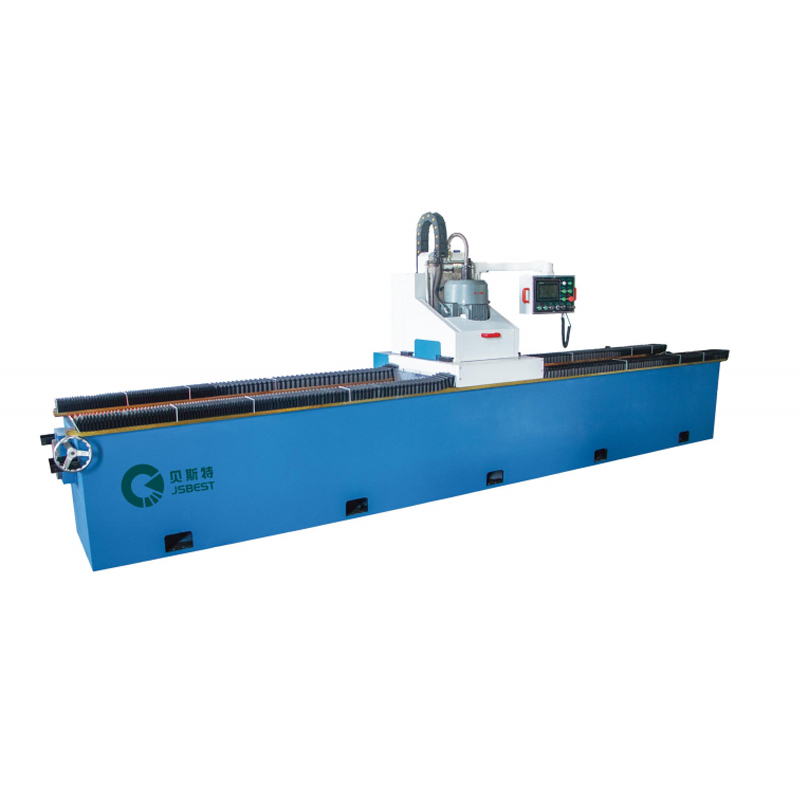
• The whole machine adopts a high-strength gantry-type welding structure, with a solid and compact o...
See Details -
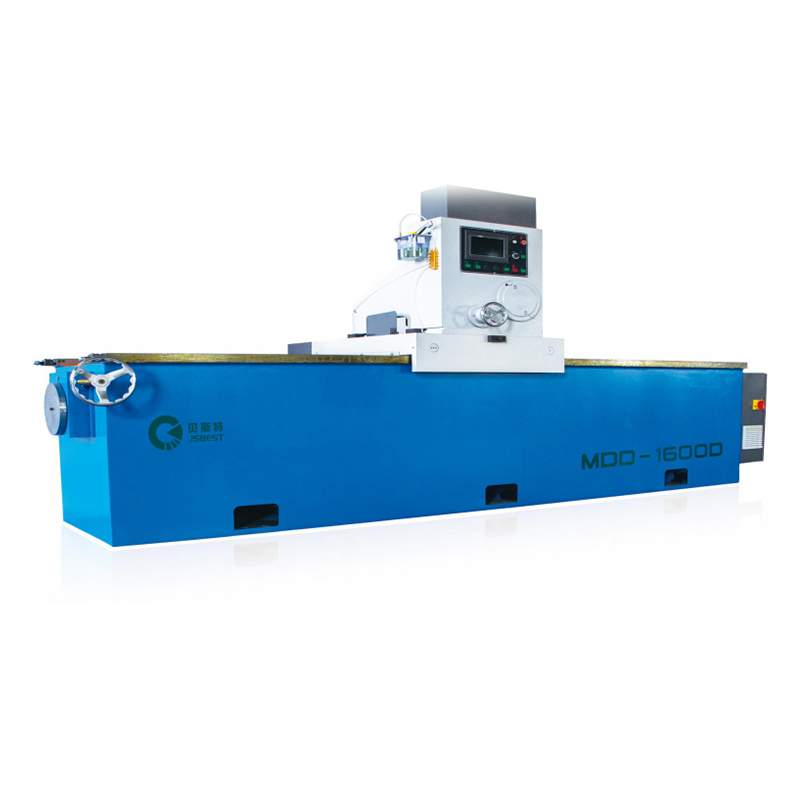
• The grinder adopts a gantry-type bed, high-quality steel plate welding, high-temperature tempering...
See Details -
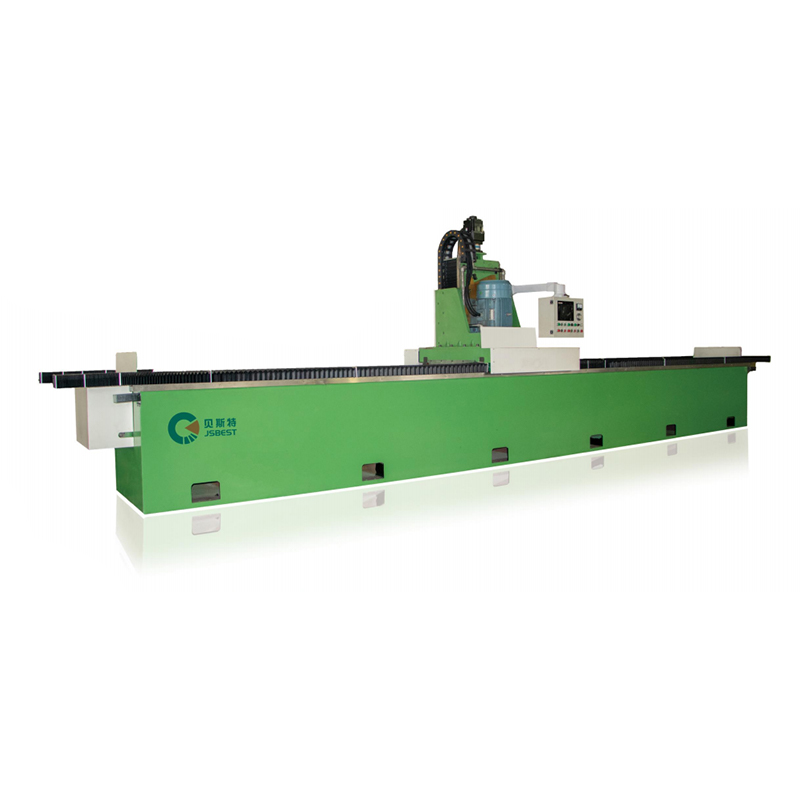
• A high-strength welded steel structure is adopted to eliminate the internal stress of the machine ...
See Details -
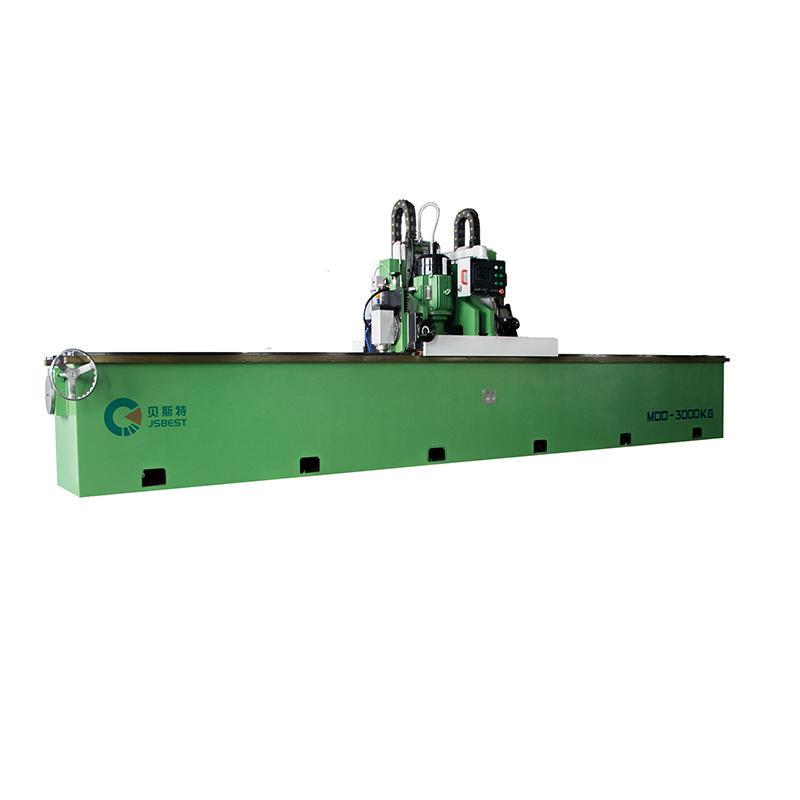
Double-Head Knife Grinding Machine is an efficient grinding equipment that combines rough grinding a...
See Details -
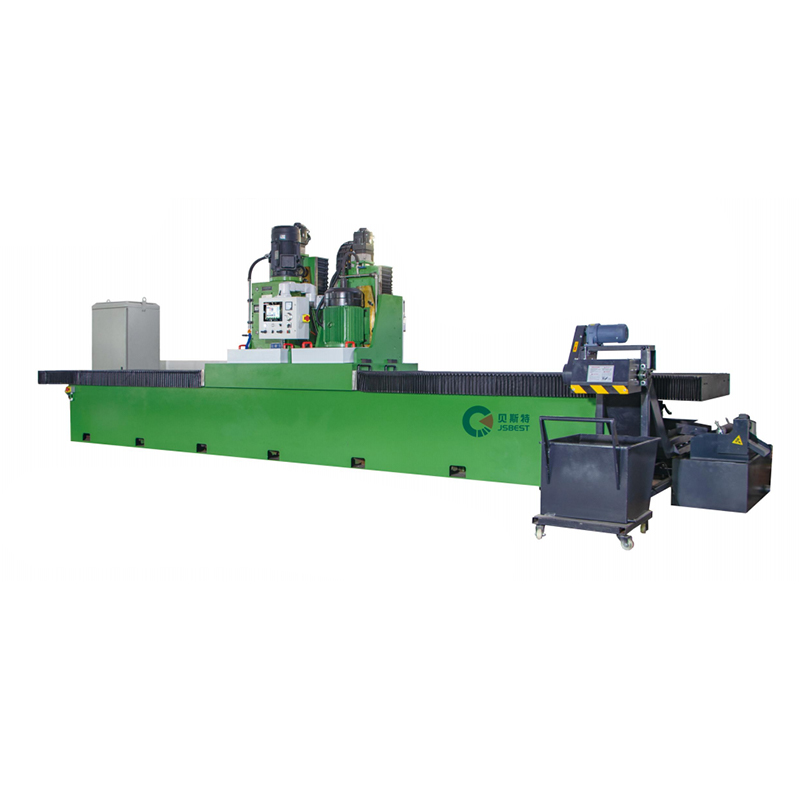
Heavy-Duty Surface Milling And Grinding Machine is an efficient processing equipment that integrates...
See Details -
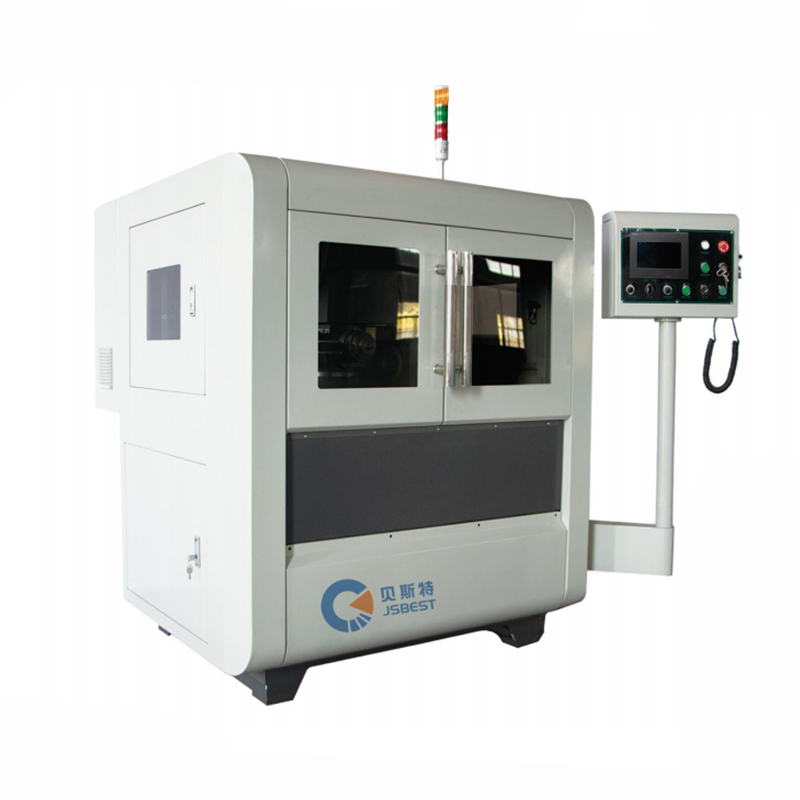
• This round knife grinder adopts a PLC program to control the automatic feeding part, which is easy...
See Details -
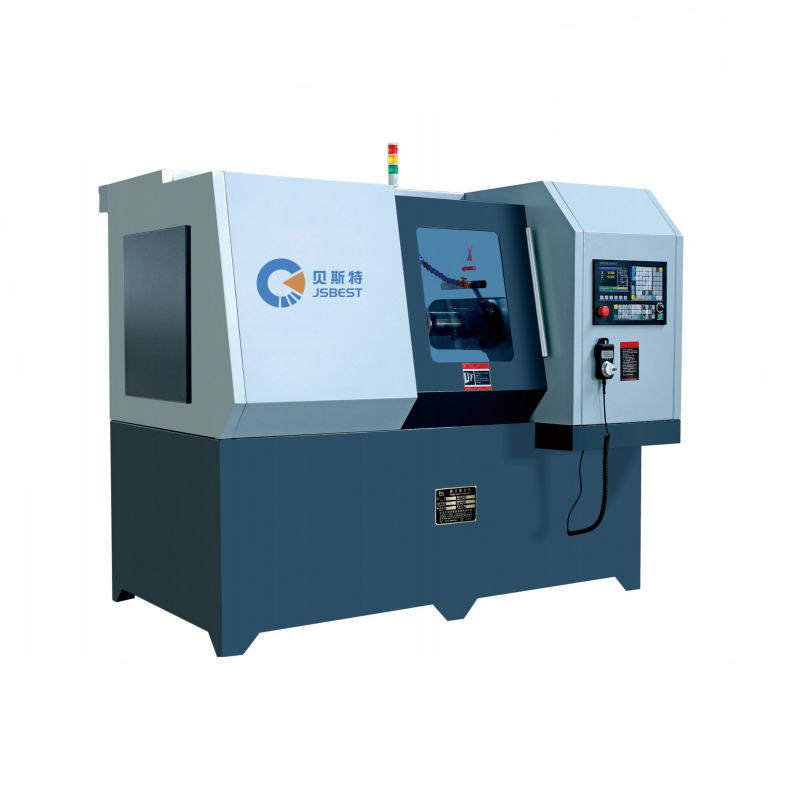
CNC Circular Knife Grinding Machine structural features:• High grinding accuracy, spindle and knife ...
See Details

- PRODUCT
- MDD Series Straight Knife Grinding Machine
- MYD Series Circular Knife Grinding Machine
- MCD Series Rewinding Knife Grinding Machine
- QUICK LINKS
- About Us
- Manufacturing
- Industry Solutions
- Downloads
- Contact
- CONTACT US
-
-
 No.99, Huanghai South Road, Tangyang Town, Dongtai City, Jiangsu Province, China
 -
 0086-13818631306
 -
 +86-515-85652988
 -

-

