


 English
  中文简体
中文简体 • The CNC Knife Grinding Machine adopts PLC program control, which is easy to operate, fast, stable,...
See DetailsIndustrial Straight Knife Grinding Machine: Empowering Production Efficiency, A Professional Solution to Knife Sharpness Challenges
Industry News-Content
- 1 I. What Are the Differences Between Industrial Straight Knife Grinding Machines and Ordinary Models? What Are the Core Advantages?
- 2 II. How to Select a Suitable Straight Knife Grinding Machine for Different Industrial Fields?
- 3 III. What Details Ensure Grinding Precision and Equipment Safety When Using Industrial Straight Knife Grinding Machines?
- 4 IV. How to Maintain Industrial Straight Knife Grinding Machines? Can It Extend Equipment Service Life and Ensure Stable Production?
- 4.1 (1) Daily Maintenance: Basic Cleaning and Condition Inspection to Prevent Potential Problems
- 4.2 (2) Weekly Maintenance: Component Lubrication and Precision Calibration to Ensure Stable Performance
- 4.3 (3) Monthly Maintenance: System Inspection and Vulnerable Part Replacement to Extend Equipment Service Life
- 5 V. How Much Does the Industrial Straight Knife Grinding Machine Improve Production Line Efficiency? Actual Cases Speak for Themselves
- 5.1 (1) Garment Factory Case: From "Frequent Shutdowns" to "Efficient Continuous Production"
- 5.2 (2) Wood Processing Factory Case: Solving the "Knife Jamming" Problem and Improving Cutting Efficiency
- 5.3 (3) Metal Sheet Processing Factory Case: Precise Grinding to Reduce Costs and Improve Product Qualification Rate
- 6 VI. How to Quickly Troubleshoot Common Faults of Industrial Straight Knife Grinding Machines? Avoid Production Disruption
- 7 VII. How to Test the Grinding Quality of Industrial Straight Knife Grinding Machines? Use Simple Methods to Determine if the Knife Meets Standards
- 8 VIII. Grinding Adaptation Skills for Different Knife Materials: Adjust Parameters Targetedly to Avoid Knife Damage
- 9 IX. Key Considerations When Purchasing Industrial Straight Knife Grinding Machines
- 10 Conclusion: Industrial Straight Knife Grinding Machine – A Core Equipment to Solve Knife Grinding Pain Points in Industry
In industrial production scenarios such as garment cutting, leather processing, wood cutting, and metal sheet cutting, straight knives are core processing tools. Their sharpness directly determines production efficiency, product precision, and material waste. However, industrial-grade knives feature large sizes, high hardness, and high frequency of use. Traditional manual knife sharpening is not only time-consuming and labor-intensive but also difficult to ensure grinding precision, becoming an "invisible bottleneck" restricting production line efficiency. As a professional equipment designed specifically for industrial scenarios, how does the industrial straight knife grinding machine solve the pain points of knife sharpening? How to select a suitable model for different industrial fields? What key points should be noted during daily use and maintenance? This article will comprehensively analyze the core value of industrial straight knife grinding machines from an industrial application perspective.
I. What Are the Differences Between Industrial Straight Knife Grinding Machines and Ordinary Models? What Are the Core Advantages?
Industrial straight knife grinding machines are not just "enlarged versions" of ordinary commercial or household models. Instead, they have undergone professional optimizations in structural design, core components, and functional configurations to meet the high-intensity and high-precision requirements of industrial scenarios. There are significant differences in performance and application scenarios between the two.
Structure and Material: Adapting to High-Intensity Industrial Operations
The body of industrial-grade models is made of high-strength cast iron or welded steel structures, with a weight generally ranging from 50 kg to 200 kg. Compared with household models (5 kg to 10 kg) with plastic or light steel bodies, their shock resistance is increased by 3 to 5 times, which can withstand the impact force of high-speed rotating grinding wheels (2800-4500 r/min) and grinding of large-sized knives, avoiding grinding errors caused by body vibration. At the same time, the length of the workbench can reach 1.5 meters to 3 meters, which can accommodate industrial-grade long straight knives (such as garment cutting knives and wood cutting knives) with lengths of 1000 mm to 2500 mm. In contrast, the workbench length of ordinary commercial models is mostly less than 500 mm, which cannot meet the grinding needs of long knives.
Core Components: Balancing Efficiency and Durability
As the core grinding component, the grinding wheel of industrial-grade models uses high-strength abrasives such as brown corundum and silicon carbide. The grinding wheel has a diameter of 200 mm to 300 mm and a thickness of 50 mm to 80 mm. Compared with ordinary models (diameter 100 mm-150 mm, thickness 20 mm-30 mm), it has a larger grinding area, and the single grinding volume is increased by 2 to 3 times. Moreover, its wear resistance is stronger. The service life of industrial-grade grinding wheels can reach 300 to 500 hours, which is 2 to 3 times that of ordinary grinding wheels. In terms of motor power, the motor power of industrial-grade models is 1.5 kW to 3 kW, which can drive the grinding wheel to stably handle high-hardness knives (such as metal cutting knives with a hardness of HRC 60 or above). However, the motor power of ordinary models is mostly 0.3 kW to 1 kW, which is prone to speed reduction and overheating shutdown when grinding high-hardness knives.
Functional Configuration: Meeting Industrial Automation and Precision Requirements
Industrial-grade models are generally equipped with a PLC programmable control system, which can preset grinding parameters (angle, feed speed, number of grinding times) for different knives and support "one-click start" automatic grinding, reducing manual operation errors. In contrast, ordinary models mostly rely on manual adjustment and depend on the operator's experience. In addition, industrial-grade models also have functions such as automatic feeding (feed speed adjustable from 5 mm/min to 30 mm/min), precise angle adjustment (error ±0.5°), automatic grinding wheel dressing, and dust suction and chip removal. Some high-end models even support linkage with production lines to realize "on-line grinding and immediate reinstallation" of knives, significantly reducing downtime, which is beyond the capability of ordinary models.
II. How to Select a Suitable Straight Knife Grinding Machine for Different Industrial Fields?
There are significant differences in segmented scenarios in the industrial field. Knives in fields such as garment cutting, wood processing, and metal cutting have different characteristics and processing requirements, leading to distinct requirements for straight knife grinding machines. Blind selection will result in low equipment utilization, poor grinding effect, and even affect production. The following table can help quickly clarify the selection criteria for each field:
Parameter Comparison Table for Selecting Industrial Straight Knife Grinding Machines in Different Industrial Fields
|
Industrial Field |
Core Knife Characteristics |
Grinding Wheel Selection |
Motor Power Requirement |
Angle Adjustment Range |
Key Additional Functions |
|
Garment/Leather Processing |
Long-sized cutting knives (1000-2000 mm), thin edges (1-2 mm) |
White corundum/brown corundum, grit 80#-120# |
≥1.5 kW |
15°-35° |
Workbench scale ruler, dust suction device (efficiency ≥90%) |
|
Wood Processing |
Thick-edged cutting knives (3-5 mm), high wear resistance requirement |
Silicon carbide, grit 60#-80# |
≥2.2 kW |
25°-35° |
Cooling system (flow rate ≥5 L/min), anti-jamming protection |
|
Metal Sheet Processing |
Cemented carbide knives (HRC 58-62), high precision requirement |
Diamond, grit 100#-150# |
≥2.5 kW (frequency conversion) |
15°-30° |
Spindle radial runout ≤0.03 mm, coolant filtration system |
(1) Supplementary Requirements for Special Selection in Segmented Scenarios
- Multi-layer Cutting Scenario in Garment Processing: If a factory mainly engages in multi-layer fabric cutting (e.g., cutting 10-20 layers of cotton cloth at a time), the knife edge needs to withstand greater friction. In addition to the basic selection criteria, it is necessary to select a model with the "grinding wheel automatic compensation function". This function can real-time detect the wear amount of the grinding wheel and automatically adjust the position of the grinding wheel, ensuring consistent grinding depth of the knife edge during multi-layer cutting and avoiding cutting precision degradation caused by grinding wheel wear.
- Wet Wood Cutting Scenario in Wood Processing: When processing wet wood (moisture content ≥20%), wood sap is easy to adhere to the knife edge, causing the grinding wheel to clog during grinding. Therefore, it is necessary to additionally equip a model with a "grinding wheel anti-clogging spray device". The spray can form a protective film on the surface of the grinding wheel to reduce sap adhesion. At the same time, a coarse-grained silicon carbide grinding wheel with grit 60# should be selected to improve chip removal efficiency.
- Stainless Steel Cutting Scenario in Metal Sheet Processing: Stainless steel has high hardness (HRC 50-55) and is easy to stick to the knife. It is necessary to select a model with "double grinding wheel configuration" (coarse grinding with 100# diamond grinding wheel, fine grinding with 150# diamond grinding wheel). Coarse grinding quickly removes the wear layer, and fine grinding reduces the surface roughness of the knife edge (Ra ≤0.4 μm), reducing the knife-sticking phenomenon during stainless steel cutting.
III. What Details Ensure Grinding Precision and Equipment Safety When Using Industrial Straight Knife Grinding Machines?
Improper operation of industrial straight knife grinding machines will not only lead to substandard knife grinding precision (e.g., knife edge error exceeding 0.2 mm) and affect product quality but also may cause safety accidents such as equipment overload and grinding wheel explosion. In actual use, it is necessary to focus on the details of three links: knife fixing, parameter setting, and safety protection.
(1) Knife Fixing: From "Clamping" to "Precise Positioning" to Avoid Grinding Deviation
Industrial-grade knives are large in size and heavy in weight (some long knives weigh 5-10 kg). Improper fixing will easily cause the knife to shake during grinding, resulting in errors such as "thick on one side and thin on the other" of the knife edge, and even risk the knife slipping.
Operation Details:
- Fixture Selection and Adjustment: Select a suitable fixture according to the knife type. For long-sized cutting knives, use a hydraulic long splint fixture. The length of the splint should match the length of the knife (error ≤50 mm) to ensure uniform force on the knife. For thick-edged metal knives, use a bolt-type clamping fixture, and set the clamping pressure to 0.4-0.5 MPa to avoid knife deformation. Before fixing, clean the knife edge and the surface of the fixture to remove oil stains and chips and prevent the knife from slipping.
- Positioning Calibration: After placing the knife on the workbench, use a laser positioning instrument to calibrate the parallelism between the knife edge and the grinding wheel to ensure the contact line between the knife edge and the grinding wheel is continuous without breakpoints. For long knives, set positioning blocks at both ends of the workbench to avoid axial deviation of the knife during grinding, and the error of the positioning blocks should be ≤0.1 mm.
(2) Parameter Setting: Matching According to Knife Characteristics, Rejecting "One-Size-Fits-All"
Grinding parameters (grinding wheel speed, feed speed, number of grinding times) for industrial knives of different materials and uses need to be accurately matched. Improper parameters will cause knife edge damage or low grinding efficiency.
Parameter Setting Principles:
- Grinding Wheel Speed: When grinding soft knives (such as high-speed steel woodworking knives), set the speed to 3600-4500 r/min to improve grinding efficiency. When grinding hard knives (such as cemented carbide metal knives), set the speed to 2800-3600 r/min to avoid the grinding wheel abrasive falling off and scratching the knife edge.
- Feed Speed: For new knives or slightly worn knives (knife edge wear ≤0.1 mm), set the feed speed to 15-20 mm/min, and one grinding cycle is sufficient. For severely worn knives (knife edge wear ≥0.2 mm), two steps are required: rough grinding (feed speed 5-10 mm/min) to remove the wear layer, and fine grinding (feed speed 20-25 mm/min) to improve precision.
- Number of Grinding Times: Thin-edged knives (such as garment cutting knives) only need 1-2 grinding cycles to avoid over-grinding which makes the knife edge too thin. Thick-edged knives (such as metal cutting knives) can be ground for 2-3 cycles. After each grinding, use a micrometer to measure the thickness of the knife edge to ensure it meets the requirements.
(3) Safety Protection: Standardizing Operation to Avoid Equipment and Personnel Risks
Industrial straight knife grinding machines have high power and high speed. During operation, strict compliance with safety specifications is required to avoid equipment failures or personal injuries.
Safety Key Points:
- Equipment Inspection Before Startup: Before each startup, check whether the grinding wheel has cracks or gaps. Tap the grinding wheel with a wooden mallet; a clear sound indicates the grinding wheel is in good condition, while a dull sound means it needs to be replaced. Check whether the cooling system and dust suction system are normal; the coolant level should be above the scale line, and the dust suction pipe should be unobstructed.
- Operator Protection: Operators should wear protective glasses (to prevent chip splashing), non-slip gloves (to avoid hand contact with high-speed rotating parts), and earplugs (to reduce equipment noise; the noise of industrial-grade models is about 75-85 decibels). Wearing scarves, loose gloves, or other items that are easy to entangle is strictly prohibited.
- Emergency Handling: If abnormalities such as grinding wheel explosion or knife loosening occur during grinding, press the emergency stop button immediately to cut off the power supply. If coolant leaks, turn off the cooling pump, clean up the leaked liquid, check whether the pipe interface is loose, and restart the equipment only after repair.
IV. How to Maintain Industrial Straight Knife Grinding Machines? Can It Extend Equipment Service Life and Ensure Stable Production?
Industrial straight knife grinding machines are key auxiliary equipment in production lines. Improper maintenance will lead to frequent equipment failures (such as motor overheating and grinding wheel spindle wear), shortening the Mean Time Between Failures (MTBF) to 1-2 months, which seriously affects production progress. According to industry data, well-maintained industrial straight knife grinding machines can have a service life of 8-10 years, with the MTBF extended to 6-8 months and the comprehensive equipment utilization rate increased by more than 30%.
(1) Daily Maintenance: Basic Cleaning and Condition Inspection to Prevent Potential Problems
After daily use, 15-20 minutes of maintenance is required, focusing on cleaning equipment debris and checking the status of key components to avoid problem accumulation.
Maintenance Tools and Operation Details:
- Cleaning Tools: Prepare an air gun (pressure 0.4-0.6 MPa), neutral cleaning agent (e.g., detergent diluted with water at a ratio of 1:10), a soft brush (bristle length 5-8 mm, to avoid scratching the equipment surface), and a dry cloth (cotton material, absorbent and lint-free).
- Cleaning Steps:
- Use the air gun to blow the inside of the grinding wheel guard, the gaps of the feed guide rail, and the coolant spray nozzle to ensure no debris remains (pay special attention to the connection between the grinding wheel and the spindle, as accumulated debris can easily cause spindle wear).
- Dip the soft brush in the neutral cleaning agent, wipe the fixture surface and workbench to remove coolant residues and oil stains, then dry with the dry cloth.
- Check for oil stains on the surface of the coolant tank and use oil-absorbing paper to absorb floating oil to prevent oil stains from mixing into the coolant and affecting the cooling effect.
- Component Inspection:
- Grinding Wheel Inspection: Observe whether the grinding wheel surface has abrasive loss or local depressions. Rotate the grinding wheel by hand to feel if there is jamming (if jamming occurs, the spindle bearing may be short of oil and needs to be refilled with grease).
- Electrical Inspection: Check whether the power plug has signs of overheating and whether the equipment indicator lights are normal (power light, operation light, fault light should not flash abnormally).
(2) Weekly Maintenance: Component Lubrication and Precision Calibration to Ensure Stable Performance
30-40 minutes of in-depth maintenance is required weekly to lubricate moving components and calibrate equipment precision, ensuring the equipment maintains optimal operating conditions.
Lubrication and Calibration Details:
- Lubrication Components and Oil Selection:
|
Maintenance Component |
Recommended Oil |
Lubrication Method |
Dosage Standard |
|
Feed Guide Rail |
32#-46# Industrial Guide Rail Oil |
Wiping |
A thin layer covers the guide rail surface without dripping |
|
Gearbox |
150#-220# Industrial Gear Oil |
Filling |
Oil level reaches 1/2-2/3 of the gearbox oil gauge |
|
Grinding Wheel Motor Bearing |
Lithium Grease No. 2 |
Injecting |
1/2 of the bearing internal space, once a quarter |
- Precision Calibration Methods:
- Angle Calibration: Use a universal angle ruler (precision 0.1°) to measure three commonly used angles preset by the equipment: 20°, 25°, and 30°. If the error exceeds ±0.5°, loosen the fixing screw of the angle adjustment knob, slowly rotate the knob to the standard angle, then tighten the screw, and repeat the measurement 2-3 times to confirm precision.
- Feed Speed Calibration: Set the feed speed to 10 mm/min, stick a scale paper on the workbench, mark the initial position of the knife fixture, start automatic feeding, and time for 1 minute with a stopwatch. Measure the actual moving distance of the fixture. If the error exceeds 5% (i.e., actual distance <9.5 mm or >10.5 mm), open the equipment control panel and adjust the frequency parameters of the feed motor (e.g., 50 Hz corresponds to 10 mm/min; adjust the frequency by 0.5 Hz for each 1% error).
(3) Monthly Maintenance: System Inspection and Vulnerable Part Replacement to Extend Equipment Service Life
1-2 hours of comprehensive maintenance is required monthly to check the wear of internal equipment components and replace aging vulnerable parts to avoid sudden failures.
Replacement Standards and Operations for Vulnerable Parts:
- Grinding Wheel Replacement: Replace the grinding wheel when it has been used for 300-500 hours or when the following conditions appear on the surface: ① The grinding wheel diameter wear exceeds 10% of the original diameter (e.g., original diameter 200 mm, worn to <180 mm); ② The grinding wheel surface has obvious cracks or gaps; ③ The grinding efficiency decreases by more than 50% (e.g., originally taking 5 minutes to grind one knife, now taking more than 10 minutes). Note during replacement: After installing the new grinding wheel, run it idly for 5-10 minutes until the speed is stable before use to avoid equipment vibration caused by unbalanced grinding wheels.
Coolant Filter Replacement: Replace the coolant filter after 1-2 months of use or when the following conditions occur: ① The liquid output of the cooling pump is significantly reduced; ② The filter surface is clogged with a large amount of metal chips or sludge; ③ The turbidity of the coolant increases significantly (the bottom of the tank cannot be seen when observing through the coolant tank). During replacement, first drain the coolant, remove the old filter, clean the filter interface, install the new filter, and then add new coolant.
- Fixture Splint Replacement: Replace the splint when the splint surface has depressions or scratches deeper than 0.2 mm, or when the knife slips during clamping. When replacing, ensure that the new splint has the same dimensions as the old one (e.g., length and thickness error ≤0.1 mm). After installation, use a micrometer to measure the flatness of the splint, ensuring the error ≤0.05 mm to avoid affecting knife positioning.
V. How Much Does the Industrial Straight Knife Grinding Machine Improve Production Line Efficiency? Actual Cases Speak for Themselves
The value of the industrial straight knife grinding machine is not only "sharpening knives" but also improving production line efficiency, reducing costs by enhancing knife sharpness, shortening sharpening time, and reducing knife wear. Actual cases from garment, wood, and metal processing fields can intuitively show its role in improving production efficiency.
(1) Garment Factory Case: From "Frequent Shutdowns" to "Efficient Continuous Production"
A medium-sized garment factory (producing 2,000 pieces of clothing per day) is equipped with 5 cutting machines, each using a 1,500 mm long cutting knife. Before using the industrial straight knife grinding machine, it faced two major pain points:
- Low Sharpening Efficiency: The knife becomes dull after 2 hours of use and needs to be sharpened manually with a whetstone, taking 30 minutes each time. The 5 machines have a total of 10 hours of downtime per day for sharpening, and only 800 meters of fabric can be cut per day, failing to meet production needs.
- High Knife Wear: Manual sharpening results in uneven angles, easily causing the knife edge to chip. The average service life of the knife is 3 months, with an annual knife purchase cost of 24,000 yuan. Moreover, the fabric waste rate due to rough cutting edges is 8%, wasting 64 meters of fabric per day (at a unit price of 50 yuan/meter), resulting in a daily waste cost of 3,200 yuan.
After introducing the industrial straight knife grinding machine, significant changes occurred:
- Reduced Downtime: The knife is sharpened after 4 hours of use, taking only 5 minutes each time. The daily downtime of the 5 machines is reduced to 2.5 hours, and the daily fabric cutting volume is increased to 1,200 meters, exceeding the production target.
- Significantly Reduced Costs: Precise grinding by the equipment extends the knife service life to 6 months, reducing the annual knife purchase cost to 12,000 yuan (a 50% savings). The fabric cutting edges are smooth, reducing the waste rate to 3%, with a daily waste cost of 1,800 yuan and an annual cost savings of 420,000 yuan (based on 300 working days).
(2) Wood Processing Factory Case: Solving the "Knife Jamming" Problem and Improving Cutting Efficiency
A solid wood furniture factory (cutting 50 cubic meters of wood per day) uses 3 wood cutting knives with a length of 800 mm. Before using the industrial straight knife grinding machine:
- Low Cutting Efficiency: The knife edge wears after 3 hours of use and needs 40 minutes of manual sharpening. The daily sharpening time wastes 4 hours, and only 35 cubic meters of wood can be cut per day, with an order delivery delay rate of 20%.
- High Knife and Material Wear: Manual sharpening leads to uneven angles, causing frequent "knife jamming" when cutting hard wood, resulting in chipped knife edges. The service life of each knife is only 1 month, with an annual purchase cost of 18,000 yuan. The uneven cutting surface due to "knife jamming" increases subsequent sanding time, adding 5 yuan to the sanding belt cost per cubic meter of wood and causing a daily additional waste of 175 yuan.
After introducing the industrial straight knife grinding machine:
- Improved Efficiency: The knife wear cycle is extended to 6 hours, with each sharpening taking only 8 minutes. The daily sharpening time of the 3 knives is reduced to 1.2 hours, saving 2.8 hours of production time. The daily wood cutting volume is increased to 60 cubic meters, and the order delivery delay rate drops to 0.
- Cost Reduction: Precise angle control by the equipment (set to 32°-35° for hard wood) avoids "knife jamming". The knife edge wears evenly, extending the service life to 3 months, reducing the annual knife purchase cost to 6,000 yuan (a 70% savings). The smooth wood cutting surface shortens the sanding time by 2 minutes per cubic meter, reducing the daily sanding belt cost to 80 yuan and saving approximately 25,000 yuan in annual sanding belt costs.
(3) Metal Sheet Processing Factory Case: Precise Grinding to Reduce Costs and Improve Product Qualification Rate
A metal sheet processing factory (processing 30 tons of steel plates per day) uses 4 cemented carbide cutting knives with a length of 1,200 mm. Before using the industrial straight knife grinding machine:
- Substandard Precision: Manual sharpening fails to control the knife edge precision, with errors often exceeding 0.2 mm. Burrs appear on the edge of the cut steel plate, requiring 5 minutes of manual secondary grinding per plate, adding 800 yuan to the daily labor cost. The product qualification rate is only 92%, with approximately 0.5 tons of steel plates scrapped per day due to excessive burrs (at a unit price of 5,000 yuan/ton), resulting in a daily loss of 2,500 yuan.
- Fast Knife Wear: Manual sharpening easily scratches the knife edge, with an average knife service life of 2 months and an annual purchase cost of 48,000 yuan. Each knife replacement requires 1 hour of downtime, resulting in a total of 24 hours of downtime per year for the 4 knives.
After introducing the industrial straight knife grinding machine:
- Improved Precision and Qualification Rate: Diamond grinding wheel grinding controls the knife edge error within 0.08 mm, resulting in no burrs on the cut steel plate and eliminating the need for secondary grinding, saving 800 yuan in daily labor costs. The product qualification rate increases to 99.5%, reducing the daily scrapped steel plate to 0.075 tons and the daily loss to 375 yuan, with an annual scrap cost savings of approximately 760,000 yuan.
- Reduced Knife and Time Costs: Precise grinding reduces knife edge damage, extending the service life to 6 months and reducing the annual purchase cost to 16,000 yuan (a 67% savings). Reduced knife replacement frequency shortens the annual downtime to 8 hours, enabling additional processing of 120 tons of steel plates and increasing output value by 600,000 yuan.
Cases from the three industries show that the industrial straight knife grinding machine's empowerment of the production line is not a single-dimensional "efficiency improvement" but a multi-dimensional optimization of "time saving, cost reduction, and quality improvement". For industrial enterprises, a suitable straight knife grinding machine is not only a tool to solve knife sharpening pain points but also a key equipment to improve the comprehensive competitiveness of the production line.
VI. How to Quickly Troubleshoot Common Faults of Industrial Straight Knife Grinding Machines? Avoid Production Disruption
During high-intensity use, industrial straight knife grinding machines may experience faults such as non-rotating grinding wheels, reduced grinding precision, and coolant leakage. Failure to quickly troubleshoot and resolve these issues will cause production line downtime. The following table summarizes the troubleshooting steps and solutions for high-frequency faults to help enterprises shorten fault handling time:
High-Frequency Fault Troubleshooting and Solution Table for Industrial Straight Knife Grinding Machines
|
Fault Phenomenon |
Possible Causes |
Troubleshooting Steps |
Solutions |
|
Grinding wheel not rotating at all |
1. Power off / air switch tripped; 2. Motor winding burned |
1. Check power cord connection and distribution box switch (reset and check overload cause if tripped); 2. Measure motor winding resistance with a multimeter (normal range 5-15 Ω; infinite resistance indicates burnout) |
1. Reconnect power / close switch (after removing grinding wheel chips); 2. Replace with a motor of the same power (e.g., 2.5 kW frequency conversion motor) and test the rotation direction after replacement |
|
Large knife edge angle deviation after grinding |
1. Incorrect angle dial calibration; 2. Loose fixture; 3. Uneven grinding wheel wear |
1. Measure the actual angle with an angle ruler (calibration required if error exceeds ±0.5°); 2. Check hydraulic fixture pressure (increase if below 0.4 MPa); 3. Observe if there are local depressions on the grinding wheel surface |
1. Adjust the angle dial fixing screw to the standard angle and lock after calibration; 2. Tighten the bolt fixture or increase the hydraulic pressure to 0.4-0.5 MPa; 3. Dress the grinding wheel with a grinding wheel dresser to remove depressions |
|
No coolant output |
1. Cooling pump failure; 2. Pipe blockage; 3. Insufficient liquid level; 4. Pump impeller jamming |
1. Listen for cooling pump operation noise (no noise indicates failure); 2. Check if the pipe is bent or blocked by chips (test by blowing air through the interface); 3. Check the liquid level scale (must be above the minimum line); 4. Disassemble the pump body to check for chips jamming the impeller |
1. Repair the pump body (remove jamming objects) or replace the cooling pump; 2. Blow the pipe with compressed air; use a wire to clear stubborn blockages; 3. Add coolant at a ratio of 10:1 (water:emulsified oil); 4. Clean the impeller chips and reinstall |
|
Severe equipment vibration |
1. Unbalanced grinding wheel; 2. Loose machine body fixation; 3. Worn spindle bearing |
1. Observe if there is obvious vibration when the grinding wheel rotates; 2. Check if the machine body anchor bolts are loose; 3. Measure the spindle radial runout with a dial indicator (wear if exceeding 0.05 mm) |
1. Replace with a new grinding wheel (calibrate with balance weights during installation); 2. Tighten the anchor bolts; add anti-vibration pads under the machine body if necessary; 3. Replace the spindle bearing and recalibrate the spindle precision after replacement |
During actual troubleshooting, follow the principle of "power off before inspection". For core components such as motors and circuits, it is recommended to be operated by professional electricians or equipment maintenance personnel to avoid electric shock or secondary damage.
VII. How to Test the Grinding Quality of Industrial Straight Knife Grinding Machines? Use Simple Methods to Determine if the Knife Meets Standards
Whether the sharpened knife meets production requirements needs to be confirmed through professional testing to avoid substandard knives being put into use and affecting product quality. The following three testing methods do not require complex equipment, are suitable for on-site operation in the workshop, and cover the three core dimensions of "appearance, precision, and performance":
(1) Visual Inspection: Intuitively Judge Knife Edge Flatness and Smoothness
This is the most basic and rapid testing method, focusing on the appearance of the knife edge:
- Flatness Test: Irradiate the knife edge with a high-intensity flashlight (light at a 45° angle to the knife edge). If the reflection of the knife edge forms a continuous and uniform bright line, the knife edge is flat. If "dark spots" (depressions) or "bright spots" (protrusions) appear, re-calibrate the fixture positioning and adjust the grinding parameters before re-grinding.
- Smoothness Test: Gently touch the knife edge with a gloved hand (to avoid scratches) to feel for obvious "burrs" or "scratches". You can also observe the knife edge against the light. If there are no longitudinal scratches (caused by grinding wheel blockage) or transverse scratches (caused by excessive feed speed) on the surface, the smoothness is qualified; otherwise, dress the grinding wheel or reduce the feed speed.
(2) Precision Test: Measure Key Parameters with Simple Tools
Precision is a core requirement for industrial knives and needs to be confirmed with basic measuring tools:
- Angle Measurement: Use a universal angle ruler (precision 0.1°) to measure the knife edge at three positions: both ends and the middle, and take the average value. For example, if the set angle of a garment cutting knife is 20°, the three measured values should be within the range of 19.5°-20.5°. If the error exceeds the range, re-adjust the equipment's angle adjustment knob and measure again after calibration.
- Thickness Error Measurement: Use a micrometer (precision 0.01 mm) to measure the thickness of the knife edge every 50 mm, record the maximum and minimum values, and calculate the difference. For example, if the standard thickness of a wood cutting knife edge is 3 mm, the maximum thickness difference should be ≤0.05 mm (i.e., 2.97 mm-3.02 mm). If the difference exceeds 0.1 mm, the grinding is uneven, and you need to check if the grinding wheel is balanced or if the feed speed is stable.
- Straightness Test: For long-sized knives (e.g., 1,500 mm cutting knives), place the knife on a flat plate and use a feeler gauge to measure the gap between the knife edge and the flat plate. The maximum gap should be ≤0.1 mm/m to avoid deviations in cutting caused by a bent knife edge.
(3) Practical Test: Verify Sharpness and Durability by Simulating Production Scenarios
Practical testing can most directly reflect the performance of the knife and needs to be designed according to specific industry scenarios:
- Garment Cutting Knife Test: Take 2 layers of 0.2 mm thick cotton cloth (simulating thin fabric) and 5 layers of 0.5 mm thick denim (simulating thick fabric), and cut at a constant speed of 300 mm/s with the knife. If the cutting edge is smooth without burrs or fabric fiber stretching, and the knife edge can still easily cut the fabric after 50 consecutive cuts, the sharpness and durability are qualified.
- Wood Cutting Knife Test: Take 50 mm thick pine (soft wood) and 30 mm thick oak (hard wood), and cut at a constant speed with the knife. The soft wood cutting surface should have no "tearing" marks, and the wood chips should be uniform particles. There should be no "jamming" when cutting hard wood, and the knife edge should not curl after cutting 10 pieces of wood continuously, indicating that it meets the requirements.
- Metal Sheet Cutting Knife Test: Take 1 mm thick cold-rolled steel plate and 0.8 mm thick stainless steel plate, and cut them in one go. The cutting edge of the cold-rolled steel plate should have no burrs, and there should be no knife-sticking phenomenon (no metal adhesion on the knife edge) for the stainless steel plate. After cutting, touching the knife edge with your hand shows no obvious wear, indicating that the sharpness is up to standard.
VIII. Grinding Adaptation Skills for Different Knife Materials: Adjust Parameters Targetedly to Avoid Knife Damage
Industrial knives are made of various materials, and high-speed steel, cemented carbide, carbon steel, and other materials have significant differences in hardness and toughness. Using uniform parameters for grinding can easily cause knife damage (such as cemented carbide chipping and carbon steel rusting). The following table summarizes targeted grinding adaptation plans based on material characteristics, with additional key notes:
Grinding Parameter Adaptation Table for Knives of Different Materials
|
Knife Material |
Knife Hardness (HRC) |
Grinding Wheel Selection |
Grinding Wheel Speed (r/min) |
Feed Speed (mm/min) |
Cooling Requirements |
Key Notes |
|
High-Speed Steel (Woodworking Knives/Cutting Knives) |
58-62 |
Brown corundum, grit 60#-100# |
3600-4500 |
Rough grinding: 10-15 Fine grinding: 20-25 |
Flow rate ≥5 L/min, coolant covers the grinding area |
1. Avoid excessive speed (over 4500 r/min) to prevent knife edge annealing; 2. Slightly polish with fine sandpaper (400#) after fine grinding to improve smoothness |
|
Cemented Carbide (Metal Knives) |
62-65 |
Diamond, grit 100#-150# |
2800-3600 |
Rough grinding: 5-10 Fine grinding: 15-20 |
Pressure 0.2-0.3 MPa, continuous coolant spraying |
1. Never use brown corundum grinding wheels (insufficient hardness, unable to grind and damage the knife); 2. Do not set the feed speed too fast (over 20 mm/min may cause edge chipping); 3. Clean residual diamond powder on the knife edge after grinding |
|
Carbon Steel (Ordinary Woodworking Knives/Knives) |
50-55 |
Silicon carbide, grit 46#-80# |
4000-4500 |
Rough grinding: 15-20 Fine grinding: 25-30 |
Wipe with anti-rust oil after grinding to prevent rust |
1. The silicon carbide grinding wheel needs regular dressing (once every 10 hours of use); 2. Avoid coolant residue on the knife edge; wipe it dry immediately after grinding and apply anti-rust oil; 3. Remove burrs on the knife edge after rough grinding to avoid scratching materials during use |
IX. Key Considerations When Purchasing Industrial Straight Knife Grinding Machines
Purchasing an industrial straight knife grinding machine is a crucial decision that affects a company’s production efficiency and cost control. To ensure the procurement of a suitable and high-quality machine, enterprises need to consider multiple dimensions. Below are the key purchasing considerations:
(1) Adaptability Evaluation: Aligning with Production Needs is Critical
- Industry Scenario Adaptation: Different industries have significantly different requirements for knife grinding. The garment cutting industry needs to ensure the machine can precisely grind sharp edges suitable for cutting fabrics, with angles and smoothness matching fabric characteristics. In the wood processing industry, for cutting knives used on hardwood and softwood, the grinding machine should have the ability to adjust grinding parameters to meet the knife requirements of different hardness woods. Metal sheet processing has extremely high requirements for edge precision, so the grinding machine must control the edge error within a very small range. Enterprises should select a machine with strong industry-specific features based on their specific production scenarios.
- Knife Specification Adaptation: Consider the length, thickness, and material of the knives used. For long knives (e.g., cutting knives over 1500 mm), the machine’s workbench must be long enough to ensure the knife can be placed stably and ground completely. Different knife thicknesses require different grinding depth and pressure adjustment capabilities of the grinding wheel. As mentioned earlier, knives made of materials such as high-speed steel, cemented carbide, and carbon steel have different hardness and toughness, so the grinding machine should be compatible with the commonly used knife materials in the enterprise and provide corresponding grinding solutions.
(2) Core Component Inspection: Determining Machine Performance and Service Life
- Grinding Wheel: The grinding wheel is the core grinding component of the machine. Its material must match the knife material—for example, diamond grinding wheels for cemented carbide knives and brown corundum grinding wheels for high-speed steel knives. The grit of the grinding wheel affects grinding precision and efficiency: a larger grit size (e.g., 150# is larger than 100#) results in a smoother grinding surface but relatively lower efficiency. Enterprises should select the appropriate grit based on their focus on precision or efficiency. Additionally, the durability of the grinding wheel is important; high-quality grinding wheels wear slowly, reducing replacement frequency and lower operating costs.
- Motor: The motor power determines the grinding power of the machine. For grinding high-hardness, large-sized knives, a high-power motor is required. For example, cemented carbide cutting knives used in metal sheet processing typically require a motor with a power of 2.5 kW or more to ensure efficient and stable grinding. Furthermore, the stability and reliability of the motor cannot be ignored—frequent failures will affect production progress. It is recommended to select motors from well-known brands, which offer better performance and after-sales support.
- Fixture: A precise and stable fixture is key to ensuring knife grinding precision. The fixture must firmly fix the knife to avoid knife displacement during grinding, which would cause edge grinding deviation. Hydraulic fixtures fix the knife by adjusting hydraulic pressure, with a suitable pressure range generally between 0.4-0.5 MPa; for bolt fixtures, check the tightness and durability of the bolts. Additionally, the versatility of the fixture is important—whether it can adapt to multiple specifications of knives directly affects the machine’s application range.
(3) Price and After-Sales Balance: Comprehensive Cost and Long-Term Support
- Price Reasonableness: The price of industrial straight knife grinding machines on the market varies widely, ranging from thousands to tens of thousands of yuan(Chinese Yuan). An excessively lowprice may indicate defects in the machine’s material, craftsmanship, or performance, leading to frequent failures during later use and increasing maintenance and replacement costs. An excessively high price may not fully match the enterprise’s needs, possibly resulting in function redundancy. Enterprises should compare the prices of products from different brands and models based on their clear needs and select cost-effective machines. For example, small garment processing factories with relatively simple functional requirements can choose affordable machines with complete basic functions; large metal sheet processing factories with high precision and efficiency requirements can appropriately invest in high-performance machines.
- After-Sales Service: Comprehensive after-sales service can solve worries for enterprises. Before purchasing, understand whether the manufacturer provides installation and commissioning services to ensure the machine can be quickly put into use after delivery. The maintenance response time is also crucial—when a failure occurs, the manufacturer should provide a solution within a short time (e.g., 24 hours) to reduce downtime. Additionally, the sufficient and timely supply of vulnerable parts is related to the continuous operation of the machine. The manufacturer should maintain inventory of common vulnerable parts (such as grinding wheels and cooling pumps) to facilitate timely replacement by the enterprise. At the same time, pay attention to whether the manufacturer provides machine operation training to help enterprise employees quickly master the machine’s use skills and improve operational proficiency.
Conclusion: Industrial Straight Knife Grinding Machine – A Core Equipment to Solve Knife Grinding Pain Points in Industry
In industrial scenarios such as garment cutting, wood processing, and metal sheet cutting, knife sharpness is a key factor determining production efficiency, product precision, and cost control. Traditional manual knife sharpening is not only time-consuming and labor-intensive (e.g., it takes more than 30 minutes to manually sharpen a long knife) but also difficult to meet the "high precision (error ≤0.1 mm), high wear resistance (service life ≥3 months), and long size (over 1000 mm)" requirements of industrial-grade knives, becoming a bottleneck restricting the smooth operation of production lines. However, through targeted structural design (such as high-strength machine bodies and long workbenches), core component optimization (such as high-power motors and wear-resistant grinding wheels), and functional configuration (such as PLC control and automatic feeding), industrial straight knife grinding machines accurately solve this core pain point and become indispensable auxiliary equipment in modern industrial production.
From the perspective of practical application value, the role of industrial straight knife grinding machines runs through the entire process of "model selection - use - maintenance - procurement - quality control": in the model selection stage, suitable models can be matched based on the "selection parameter comparison table for different industrial fields" combined with the needs of segmented scenarios; in the use and maintenance stage, failure troubleshooting and hierarchical maintenance systems are used to reduce downtime, and material adaptation tables are referenced to avoid knife damage; in the procurement stage, adaptability evaluation, core component inspection, and price-after-sales balance ensure the purchase of cost-effective machines; in the quality control stage, visual inspection, precision measurement, and practical testing ensure the sharpened knives meet production requirements.
For industrial enterprises, the value of industrial straight knife grinding machines goes far beyond "sharpening knives" – they can help garment processing factories save 8.5 hours of downtime per day and increase fabric utilization by 5%; assist wood processing factories in solving the "knife jamming" problem and reduce annual knife purchase costs by 70%; support metal sheet factories in reducing product scrap rates by 7.5% and increasing output value by 600,000 yuan. These practical benefits make them a "booster for improving production efficiency" and a "good helper for controlling operating costs".
With the acceleration of industrial automation, industrial straight knife grinding machines will be more closely integrated with production lines in the future, moving towards "intelligent monitoring (such as automatic detection of knife wear), automated grinding (such as unattended operation), and integrated linkage (real-time linkage with cutting machines/slicing machines)", further reducing manual intervention and improving grinding efficiency and precision. In this context, if industrial enterprises can accurately identify their processing needs, purchase scientifically, use standardizedly, and maintain properly, they will surely gain stronger support in improving production competitiveness and achieving cost reduction and efficiency increase.
Related products
-
-

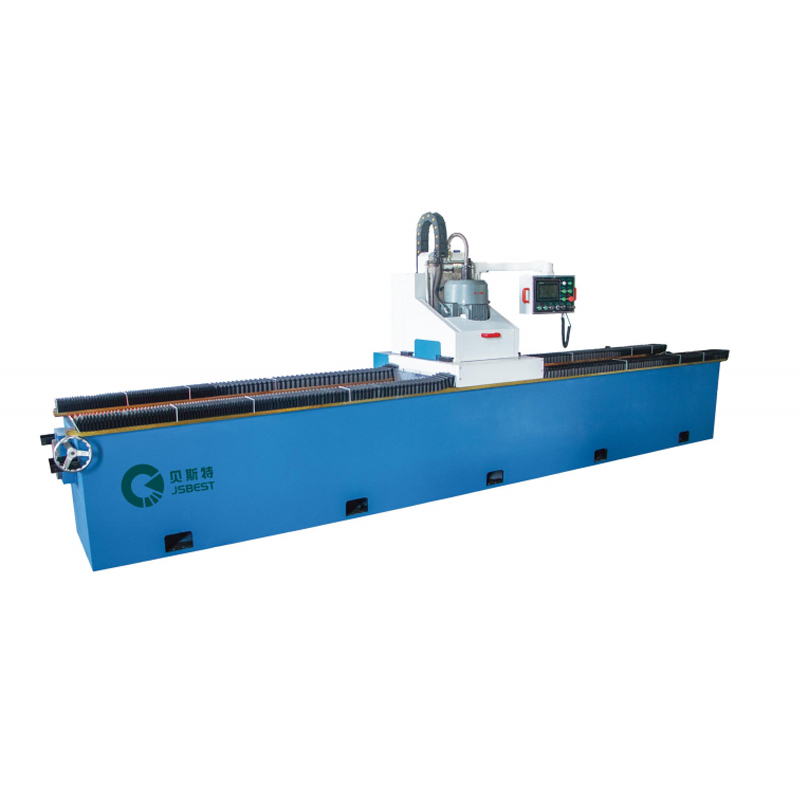
• The whole machine adopts a high-strength gantry-type welding structure, with a solid and compact o...
See Details -
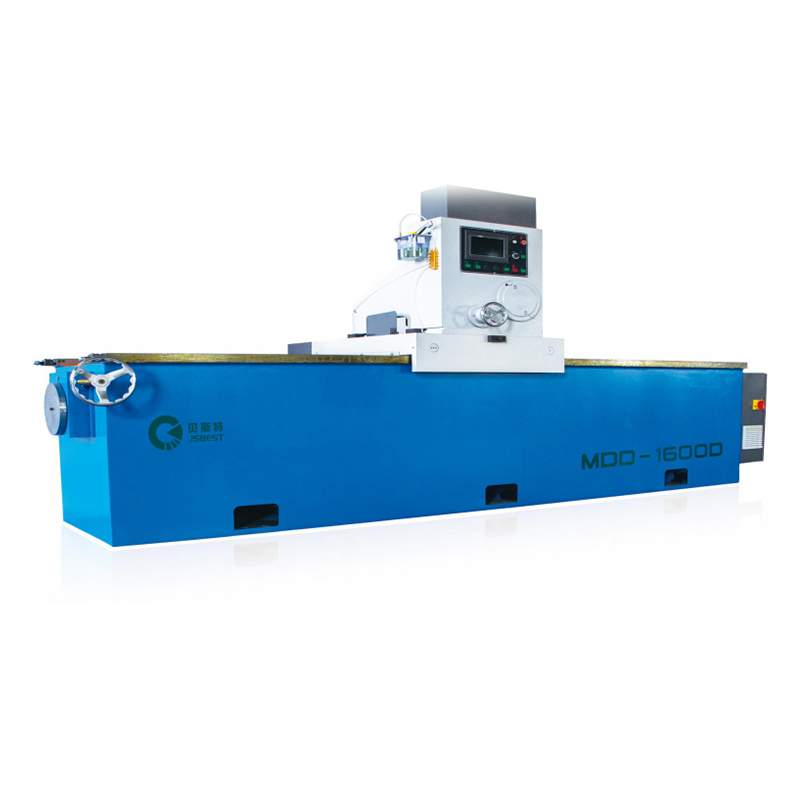
• The grinder adopts a gantry-type bed, high-quality steel plate welding, high-temperature tempering...
See Details -
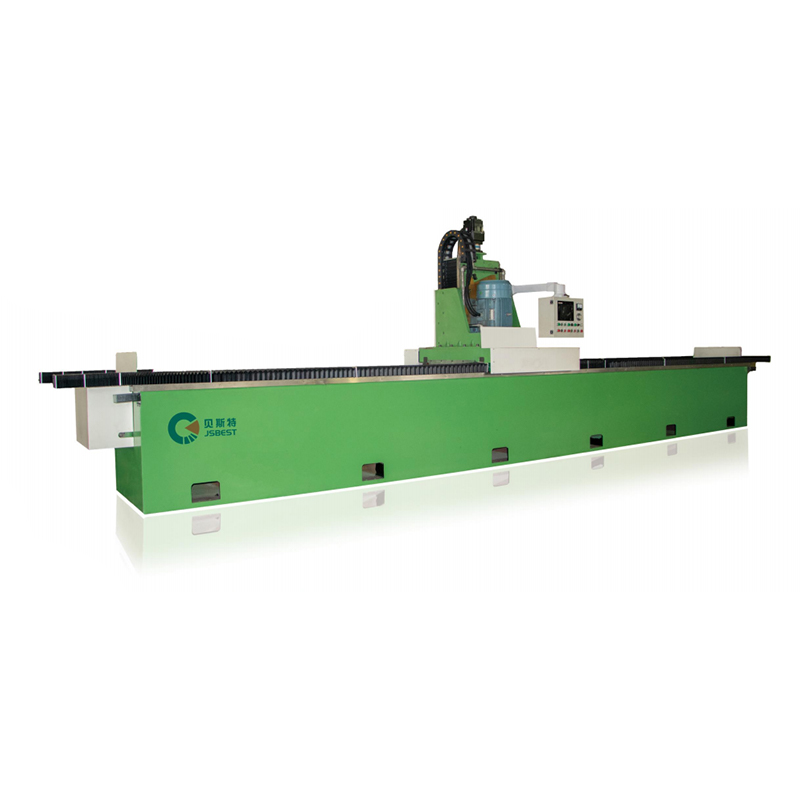
• A high-strength welded steel structure is adopted to eliminate the internal stress of the machine ...
See Details -
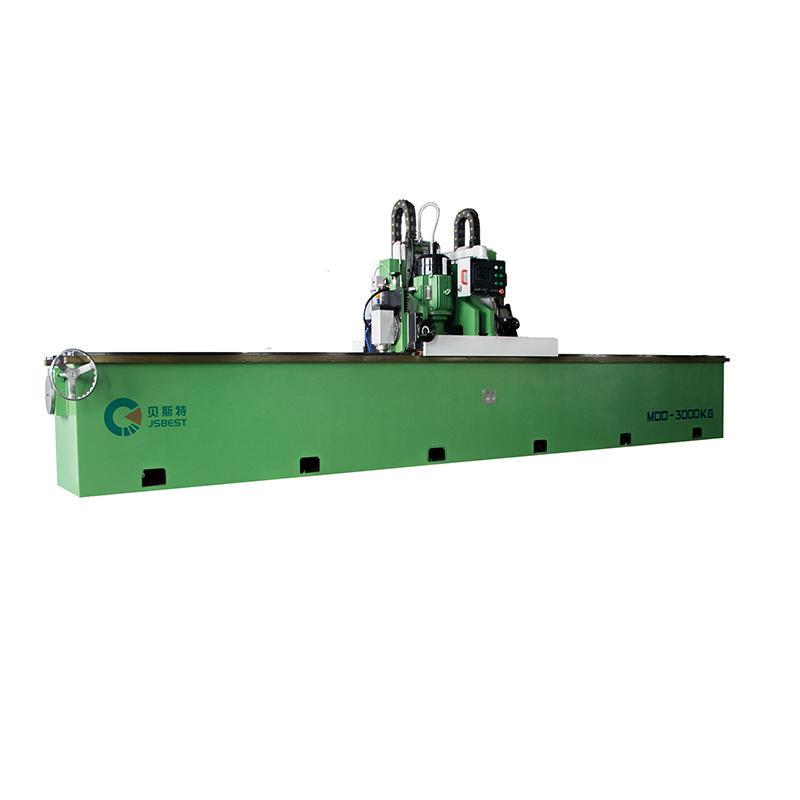
Double-Head Knife Grinding Machine is an efficient grinding equipment that combines rough grinding a...
See Details -
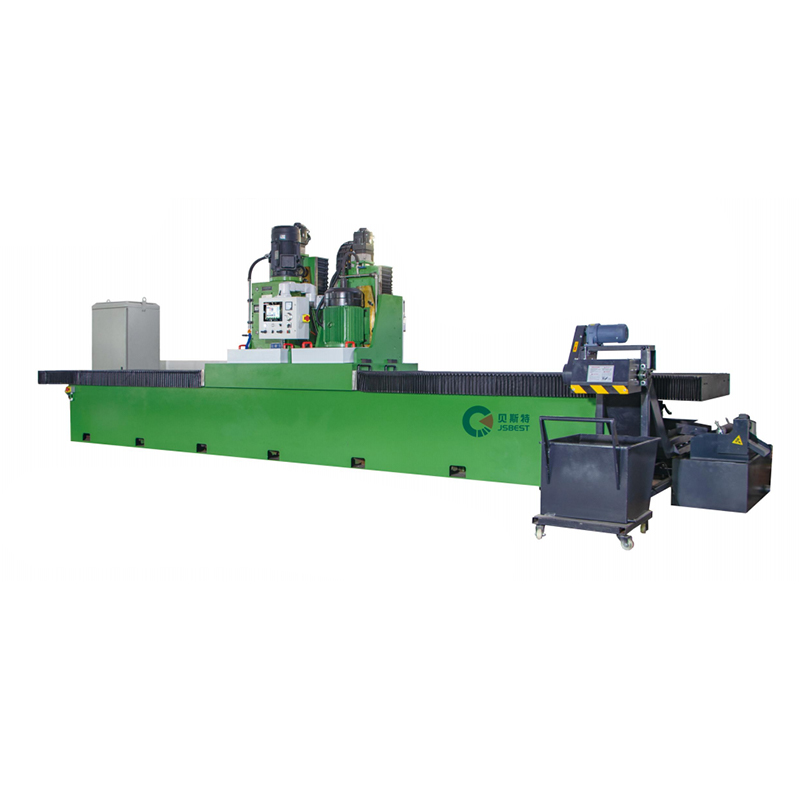
Heavy-Duty Surface Milling And Grinding Machine is an efficient processing equipment that integrates...
See Details -
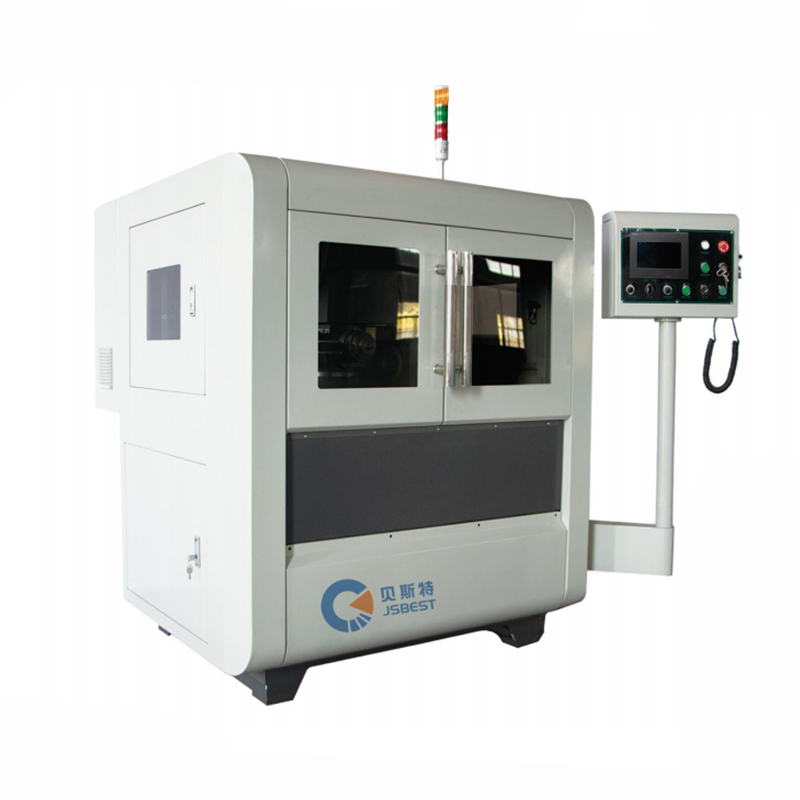
• This round knife grinder adopts a PLC program to control the automatic feeding part, which is easy...
See Details -
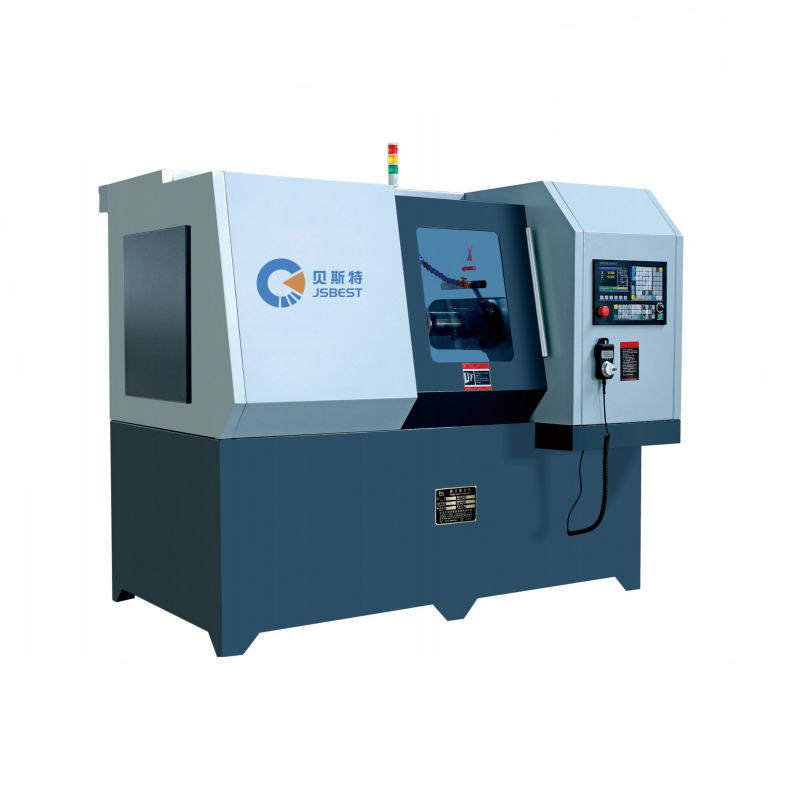
CNC Circular Knife Grinding Machine structural features:• High grinding accuracy, spindle and knife ...
See Details

- PRODUCT
- MDD Series Straight Knife Grinding Machine
- MYD Series Circular Knife Grinding Machine
- MCD Series Rewinding Knife Grinding Machine
- QUICK LINKS
- About Us
- Manufacturing
- Industry Solutions
- Downloads
- Contact
- CONTACT US
-
-
 No.99, Huanghai South Road, Tangyang Town, Dongtai City, Jiangsu Province, China
 -
 0086-13818631306
 -
 +86-515-85652988
 -

-

