


 English
  中文简体
中文简体 • The CNC Knife Grinding Machine adopts PLC program control, which is easy to operate, fast, stable,...
See DetailsCNC Grinding Machines: Focusing on the Product Itself, What Core Traits Support Their Precision Machining Capabilities?
Industry News-Content
- 1 I. What Are the Core Components of a CNC Grinding Machine? How Do Each Component Collaborate to Ensure Machining Precision?
- 2 II. What Are the Common Types of CNC Grinding Machines on the Market? How Do the Application Scenarios of Different Types Differ?
- 2.1 (I) Cylindrical Grinding Machines: "Precision Shapers" for Shaft Workpieces
- 2.2 (II) Surface Grinding Machines: "Flatness Masters" for Flat Workpieces
- 2.3 (III) Profile Grinding Machines: "Shaping Experts" for Workpieces with Complex Curved Surfaces
- 2.4 (IV) Internal Grinding Machines: "Precision Polishers" for Internal Hole Workpieces
- 3 III. What Are the Key Performance Parameters for Evaluating CNC Grinding Machines? How Should Users Select Products Based on These Parameters?
- 4 IV. What Are the Key Points for Daily Use and Maintenance of CNC Grinding Machines? How to Extend the Product Service Life?
In the field of precision manufacturing, the value of CNC (Computer Numerical Control) grinding machines lies not only in their ability to empower industries but also in the technical design and core configurations of the products themselves. From key components that determine precision to product types adapted to different machining needs, and from performance parameters that ensure stable operation to daily maintenance practices, every detail directly impacts machining results. This article will set aside macro perspectives on industrial applications and focus on CNC grinding machines as products themselves, analyzing their inherent characteristics through core questions to provide readers with a more comprehensive understanding of the product.
I. What Are the Core Components of a CNC Grinding Machine? How Do Each Component Collaborate to Ensure Machining Precision?
A qualified CNC grinding machine is a "composite system" where multiple high-precision components work together. The performance and working mechanism of each core component play a decisive role in the final machining precision.
(I) CNC System: The "Intelligent Brain" of CNC Grinding Machines
The CNC system serves as the control core of a CNC grinding machine, responsible for receiving machining data, generating motion trajectories, and driving various components to work in coordination. Its advancement and stability directly determine machining precision. Currently, mainstream CNC systems for grinding machines, such as Fanuc 0i-MF Plus and Siemens Sinumerik 828D, have been specially optimized for grinding processes.
From a workflow perspective, the CNC system first receives 3D model data of the workpiece transmitted by CAD/CAM software. Through built-in grinding process algorithms, it converts the model data into motion trajectory commands for the grinding wheel and workpiece. For example, when machining a workpiece with complex curved surfaces, the system decomposes the curved surface into numerous tiny line segments or arc segments, controlling the grinding wheel to grind step by step along these segments to ensure the final formed surface highly matches the designed model.
The 3D graphical simulation function is a key feature of the CNC system. Before formal machining, operators can visually check the grinding wheel's motion trajectory and the workpiece's machining process through the system's display screen, identifying trajectory deviations or interference issues in advance. For instance, when machining a shaft workpiece with steps, if the grinding wheel's motion trajectory may collide with the steps, the system will issue an alarm during the simulation phase to avoid equipment damage and workpiece scrapping.
Error compensation is a core means by which the CNC system ensures precision. During the operation of a CNC grinding machine, various factors (such as thermal deformation of the machine bed due to temperature changes, pitch errors of ball screws, and positioning errors of servo motors) may cause machining errors. The CNC system collects real-time error data through built-in sensors—for example, temperature sensors monitor temperature changes in various parts of the machine bed, and linear scales detect deviations between the actual and theoretical displacements of ball screws. Then, based on preset compensation algorithms, it dynamically corrects motion commands. For example, when the machine bed elongates due to heat generated during grinding, the system automatically shortens the grinding wheel's feed distance to offset the machining error caused by the bed's elongation, ensuring the workpiece's dimensional precision remains unaffected.
(II) Spindle Unit: The "Power Core" of CNC Grinding Machines
The spindle unit directly drives the grinding wheel to rotate at high speed. Its rotational speed, vibration, and temperature rise directly determine grinding precision and surface quality. Currently, spindle units for s on the market are mainly divided into mechanical spindles and electric spindles, each adapted to different machining needs.
Mechanical spindles transmit power through belts or gears. They have a relatively simple structure and low manufacturing cost, with rotational speeds typically ranging from 8,000 to 15,000 rpm. They are suitable for machining workpieces made of ordinary steel, cast iron, and other materials, such as hydraulic piston rods in the automotive industry. To reduce transmission errors, mechanical spindles adopt a combined support structure of double-row cylindrical roller bearings and angular contact ball bearings, which can withstand both radial and axial forces, ensuring stability when the spindle rotates at high speed. However, due to the elastic sliding and transmission gaps inherent in belt and gear drives, the rotational speed stability and precision of mechanical spindles are relatively lower than those of electric spindles, limiting their application in machining high-precision workpieces or workpieces made of difficult-to-machine materials.
Electric spindles adopt an "integrated motor-spindle" design, eliminating the need for transmission components and achieving "zero transmission." This structure significantly reduces errors and vibrations caused by transmission links, improving the spindle's rotational speed and precision. Electric spindles can reach rotational speeds of 20,000 to 60,000 rpm, with radial runout errors less than 0.0005 mm. They are suitable for machining difficult-to-machine materials such as titanium alloys and ceramics, such as turbine blades in aero-engines.
To ensure the high-performance operation of electric spindles, special designs are adopted in terms of materials and cooling-lubrication technology. The spindle body of an electric spindle is usually made of high-strength alloy steel, which undergoes quenching and other heat treatment processes to enhance its rigidity and wear resistance. Bearings are mostly ceramic bearings, which have the advantages of low density, high hardness, high temperature resistance, and low friction coefficient, effectively reducing friction-induced heat generation and wear of the spindle during rotation. In terms of cooling and lubrication, electric spindles generally use oil-air lubrication systems, which spray lubricating oil onto the bearing raceways in the form of mist. This not only provides lubrication but also dissipates heat generated by the bearings, preventing the spindle from deforming due to excessive temperature rise. A technical engineer from a spindle manufacturer stated: "The electric spindles we supply for CNC grinding machines optimize the spray pressure and frequency of oil-air lubrication, controlling the temperature rise of the bearings within 30°C and extending the bearing service life to over 20,000 hours, far longer than that of traditional lubrication methods."
(III) Feed System: The Guarantee for "Precision Movement" of CNC Grinding Machines
The feed system is responsible for driving the workpiece or grinding wheel to achieve precise linear or rotational motion. Its positioning precision and motion stability directly affect the workpiece's machining precision. The feed system of a CNC grinding machine mainly consists of ball screws, guideways, servo motors, and position detection devices, which work together to ensure motion precision.
Ball screws are the core components of the feed system that convert rotational motion into linear motion. To ensure transmission precision, ball screws are manufactured using high-precision processes, with pitch errors controlled within 0.001 mm per 300 mm. They also undergo preloading treatment to eliminate gaps between the screw and nut. During long-term operation, wear of ball screws can lead to a decline in transmission precision. Therefore, some high-end CNC grinding machines are equipped with ball screw wear compensation functions, which use position detection devices to real-time monitor the actual transmission errors of the screws and then dynamically compensate for these errors through the CNC system, ensuring long-term operation precision.
Guideways provide guidance for the motion of the feed system, and their precision and rigidity directly affect motion stability. Common types of guideways used in CNC grinding machines include rolling guideways and hydrostatic guideways. Rolling guideways achieve motion through the rolling of steel balls or rollers between the guideway and slider, offering the advantages of low friction coefficient, sensitive motion, and high positioning precision. They are suitable for high-speed, high-precision feed motions, such as the motion of the worktable of a surface grinder. Hydrostatic guideways form a layer of high-pressure oil film between the guideway and slider, floating the slider to achieve contactless motion. They have the characteristics of extremely low friction coefficient, high load-bearing capacity, and low vibration, making them suitable for heavy-duty, high-precision grinding machines, such as the grinding wheel headstock of a profile grinder.
Servo motors are the power source of the feed system, and their performance directly determines the response speed and control precision of the motion. CNC grinding machines usually use AC servo motors, which offer the advantages of a wide speed range, large torque, and high control precision. Servo motors use encoders to real-time feed back rotational speed and position information to the CNC system, forming a closed-loop control system that ensures the motor's actual motion highly matches the commanded motion. For example, when the CNC system issues a command to feed 10 mm, the servo motor drives the ball screw to rotate, and the encoder real-time detects the motor's rotation angle to calculate the actual feed distance. If there is a deviation from the commanded distance, the CNC system promptly adjusts the motor's output until the target position is reached.
Position detection devices are crucial for achieving high-precision positioning in the feed system. Currently, the mainstream detection device is the linear scale. A linear scale consists of a scale grating and an index grating, which converts linear displacement into electrical signals through the principle of optical interference and transmits these signals to the CNC system. Linear scales have a resolution of up to 0.0001 mm, enabling real-time, accurate detection of the actual position of the feed system and providing a basis for closed-loop control of the CNC system. In practical applications, linear scales are installed on the side of the guideway or at the end of the ball screw to ensure the detected position matches the actual position of the workpiece or grinding wheel, avoiding detection deviations caused by installation errors.
(IV) Grinding Wheel Dressing Device: The "Doctor" for Grinding Wheels
During the grinding process, the grinding wheel wears, leading to changes in its shape and a decline in cutting performance, which affects machining precision and surface quality. The grinding wheel dressing device is used to real-time dress the grinding wheel, restoring its original shape and cutting performance to ensure consistent precision in each grinding operation.
Common dressing methods for CNC grinding machines include diamond pen dressing and laser dressing. Diamond pen dressing is a traditional dressing method that uses the high hardness of a diamond pen to cut the surface of the grinding wheel along a preset trajectory, removing the worn layer and restoring the grinding wheel's geometric shape. Diamond pens can dress various types of grinding wheels, such as alumina grinding wheels, silicon carbide grinding wheels, and cubic boron nitride (CBN) grinding wheels. During dressing, the CNC system automatically adjusts the feed speed, dressing depth, and dressing times of the diamond pen based on the type, diameter, and wear level of the grinding wheel, ensuring the dressed grinding wheel meets machining precision requirements. For example, when dressing a grinding wheel used for machining gear tooth surfaces, the diamond pen moves along a trajectory matching the gear tooth profile, dressing the grinding wheel into a shape that matches the tooth profile to ensure the precision of the ground gear tooth surface meets design standards.
Laser dressing is a new non-contact dressing method that uses a high-energy laser beam to irradiate the surface of the grinding wheel, causing the abrasive grains on the wheel surface to fall off due to heat, thereby achieving dressing. Laser dressing offers the advantages of high dressing efficiency, high dressing precision, and no mechanical damage to the grinding wheel, making it suitable for dressing high-precision, complex-shaped grinding wheels, such as those used in profile grinders. During laser dressing, the CNC system controls the motion trajectory and laser energy of the laser head, accurately removing excess material from the grinding wheel surface based on the 3D model data of the grinding wheel, dressing it into a complex curved shape. At the same time, laser dressing can optimize the micro-topography of the grinding wheel surface, improving its cutting performance and service life. An engineer from a grinding machine manufacturer explained: "Laser dressing can control the shape error of the grinding wheel within 0.0003 mm, and the dressing time is 50% shorter than that of diamond pen dressing, making it particularly suitable for mass production scenarios."
II. What Are the Common Types of CNC Grinding Machines on the Market? How Do the Application Scenarios of Different Types Differ?
Based on the shape of the workpiece to be machined, process requirements, and motion methods, CNC grinding machines on the market have developed into multiple segmented types. Each type is optimized in terms of structure to adapt to specific scenarios, avoiding precision waste or functional insufficiency caused by a "one-machine-fits-all" approach.
(I) Cylindrical Grinding Machines: "Precision Shapers" for Shaft Workpieces
Cylindrical grinding machines specialize in machining the outer cylindrical surfaces of shaft workpieces and cylindrical workpieces, such as motor shafts in the automotive industry and crankshafts in motorcycles. Their core feature is that the grinding wheel is arranged parallel to the workpiece. Machining is achieved through the rotation of the workpiece and the feed motion of the grinding wheel.
Classified by structure, cylindrical grinding machines can be divided into general-purpose, universal, and end-face cylindrical grinding machines. General-purpose cylindrical grinding machines can only machine outer cylindrical surfaces and are suitable for mass-produced, single-type workpieces, such as hydraulic piston rods. Universal cylindrical grinding machines can adjust the angle of the grinding wheel, enabling them to machine conical surfaces and stepped surfaces, such as conical motor shafts. End-face cylindrical grinding machines can simultaneously grind the outer cylindrical surface and end face of a workpiece, making them suitable for disc-shaped workpieces such as automotive gears, and avoiding precision errors caused by multiple clamping operations.
In terms of performance parameters, the machining diameter range of mainstream CNC cylindrical grinding machines is typically 5 to 500 mm, and the machining length range is 100 to 3,000 mm. The diameter error is controlled within 0.001 mm, and the surface roughness can reach Ra 0.02 μm. When selecting a cylindrical grinding machine, the choice should be based on the workpiece material and precision requirements: for machining ordinary steel workpieces, a general-purpose cylindrical grinding machine equipped with an alumina grinding wheel can be selected; for machining titanium alloy workpieces, a universal cylindrical grinding machine equipped with an electric spindle and a CBN grinding wheel is preferred; for machining disc-shaped workpieces with end faces, an end-face cylindrical grinding machine is the appropriate choice.
(II) Surface Grinding Machines: "Flatness Masters" for Flat Workpieces
Surface grinding machines are used to machine flat workpieces such as plates, mold templates, and chip packaging bases. The axis of the grinding wheel is perpendicular to the worktable surface, and grinding is achieved through the reciprocating motion of the worktable or the movement of the grinding wheel, ensuring the flatness, parallelism, and surface roughness of the workpiece surface.
Classified by the motion method of the worktable, surface grinding machines can be divided into horizontal-spindle rectangular-table, vertical-spindle rectangular-table, horizontal-spindle circular-table, and vertical-spindle circular-table surface grinding machines. Horizontal-spindle rectangular-table surface grinding machines have a rectangular worktable and are suitable for small and medium-sized rectangular workpieces, such as the bases of precision fixtures. Vertical-spindle rectangular-table surface grinding machines have a vertically arranged grinding wheel and are suitable for large, heavy flat workpieces, such as machine tool beds. Horizontal-spindle circular-table surface grinding machines have a circular worktable and are suitable for circular workpieces, such as bearing rings. Vertical-spindle circular-table surface grinding machines can achieve radial feed and are suitable for large circular workpieces, such as the end faces of large gears.
To improve efficiency and precision, some high-end surface grinding machines are equipped with a dual-grinding-wheel structure and automatic grinding cycle functions. The dual-grinding-wheel structure consists of a rough-grinding wheel and a fine-grinding wheel: the rough-grinding wheel quickly removes material allowance, while the fine-grinding wheel ensures machining precision. This structure improves efficiency by more than 40% compared to single-grinding-wheel equipment. The automatic grinding cycle function enables automatic completion of positioning, grinding, and inspection without manual intervention. A purchasing manager from an electronic component factory stated: "When machining chip packaging bases, we use a vertical-spindle rectangular-table surface grinding machine with a dual-grinding-wheel structure and automatic inspection function. Not only does it control the flatness error within 0.0005 mm, but it also achieves a monthly output of 50,000 pieces, meeting the needs of chip packaging production."
(III) Profile Grinding Machines: "Shaping Experts" for Workpieces with Complex Curved Surfaces
Profile grinding machines are used to machine workpieces with complex curved surfaces, such as aero-engine blades and mold cavities. Their core feature is that the grinding wheel can be customized to a specific shape and, combined with 3- to 5-axis linkage technology, enables precise grinding of complex curved surfaces.
Classified by machining method, profile grinding machines can be divided into grinding-wheel profile grinding machines and tool profile grinding machines. Grinding-wheel profile grinding machines dress the grinding wheel into a shape matching the workpiece's curved surface, making them suitable for mass-produced workpieces with fixed shapes, such as the cavities of automotive panel molds. Tool profile grinding machines use profile tools to dress the grinding wheel, which is then used to grind the workpiece. They are suitable for small-batch workpieces with complex shapes, such as aero-engine turbine disks.
The key parameter of profile grinding machines is multi-axis linkage precision, with positioning errors of each axis less than 0.001 mm and repeat positioning errors less than 0.0005 mm. When machining difficult-to-machine materials, the grinding wheel rotational speed needs to reach more than 20,000 rpm, and the feed speed is controlled between 0.0005 and 0.002 mm/rev. A technical supervisor from an aviation manufacturing enterprise said: "When machining blades using a 5-axis profile grinding machine, through multi-axis linkage and laser dressing technology, the profile error of the blade surface is controlled within 0.003 mm, and the surface roughness reaches Ra 0.01 μm, fully meeting the requirements of aero-engines."
(IV) Internal Grinding Machines: "Precision Polishers" for Internal Hole Workpieces
Internal grinding machines specialize in machining internal hole surfaces of workpieces such as bearing inner rings and hydraulic valve sleeves. The grinding wheel has a small diameter (ranging from 50 to 200 mm) and is driven to rotate by a slender spindle, adapting to the limited space of internal holes.
Classified by machining method, internal grinding machines can be divided into general-purpose, planetary, and centerless internal grinding machines. General-purpose internal grinding machines achieve machining through the rotation of the workpiece and the feed motion of the grinding wheel, making them suitable for workpieces with large internal hole diameters and short lengths, such as cylinder liners. Planetary internal grinding machines have a grinding wheel that rotates around its own axis while revolving around the axis of the workpiece's internal hole, making them suitable for work pieces with small internal hole diameters and long lengths, such as hydraulic valve sleeves. Centerless internal grinding machines do not require workpiece clamping; instead, they drive the workpiece to rotate through the rotation of the grinding wheel and guide wheel, making them suitable for mass-produced small and medium-sized internal hole workpieces, such as bearing inner rings.
In terms of performance parameters, the machining hole diameter range of internal grinding machines is typically 5 to 500 mm, and the machining length range is 10 to 1,000 mm. The dimensional error of the internal hole is controlled within 0.001 mm, the cylindricity error is less than 0.0005 mm, and the surface roughness can reach Ra 0.02 μm. To ensure the machining precision of internal holes, internal grinding machines are usually equipped with internal hole detection devices that real-time monitor the size and shape of the internal hole during machining. If the error exceeds the allowable range, the CNC system automatically adjusts the grinding parameters to ensure the workpiece precision meets the requirements.
A production manager from a bearing manufacturing enterprise explained: "The internal hole diameter error of the bearing inner rings we produce is required to be less than 0.0008 mm, and the cylindricity error is less than 0.0003 mm. After adopting planetary internal grinding machines, by optimizing the structure of the grinding wheel spindle and grinding parameters, the machining precision of the internal hole has stably met the standards. At the same time, the production efficiency has increased by 30% compared with general-purpose internal grinding machines, enabling us to process more than 100,000 bearing inner rings per month."
III. What Are the Key Performance Parameters for Evaluating CNC Grinding Machines? How Should Users Select Products Based on These Parameters?
For users purchasing CNC grinding machines, accurately understanding and selecting appropriate performance parameters based on their own needs is crucial to ensuring the equipment meets production requirements. The performance parameters of CNC grinding machines cover machining precision, machining efficiency, load-bearing capacity, and other aspects. Different parameters correspond to different machining needs, and users must consider them comprehensively.
(I) Machining Precision Parameters: The Core Determinant of Workpiece Quality
Machining precision is the most core performance parameter of CNC grinding machines, directly determining the quality of the machined workpiece. It mainly includes dimensional precision, geometric precision, and positional precision.
Dimensional precision refers to the deviation between the actual size of the workpiece after machining and the designed size. Common indicators include diameter tolerance and length tolerance. For example, when a cylindrical grinding machine processes shaft workpieces, the diameter precision is usually marked as "±0.001 mm," indicating that the deviation between the diameter of the processed shaft and the designed diameter does not exceed ±0.001 mm. When a surface grinding machine processes plates, the thickness precision is marked as "±0.0005 mm" to ensure the consistency of the plate thickness. When selecting, users need to determine the dimensional precision based on the design requirements of the workpiece. For general mechanical parts, a dimensional precision of ±0.005 mm can meet the needs; for medical devices or aerospace components, the dimensional precision needs to reach ±0.001 mm or even higher.
Geometric precision refers to the deviation between the actual shape of the workpiece after machining and the ideal shape, such as cylindricity, flatness, and roundness. The cylindricity error is an important indicator for measuring the geometric precision of the outer cylindrical surface of shaft workpieces. The cylindricity of cylindrical grinding machines is usually required to be less than 0.0005 mm/100 mm, meaning that within a length of 100 mm, the deviation between the outer cylindrical surface of the shaft and the ideal cylindrical surface does not exceed 0.0005 mm. The flatness error is used to measure the flatness of flat workpieces, and the flatness of surface grinding machines is usually marked as "≤0.0003 mm/200 mm." For workpieces with strict requirements, such as the welding surface of chip packaging bases, the flatness error needs to be controlled within 0.0002 mm; otherwise, the welding quality of the chip will be affected.
Positional precision refers to the relative positional deviation between the surfaces of the workpiece after machining, such as coaxiality, perpendicularity, and parallelism. For example, when processing a stepped shaft workpiece, the perpendicularity between the stepped surface and the axis is required to be less than 0.001 mm to ensure the accuracy of subsequent assembly. When processing mold templates, the coaxiality error of the holes on the template needs to be less than 0.0005 mm to ensure the mold clamping precision. When selecting, users need to determine the positional precision based on the assembly requirements of the workpiece. If the workpiece needs to be precisely matched with other components, the positional precision must be strictly controlled.
A purchasing manager from a precision machinery processing factory shared his experience: "When we purchased a cylindrical grinding machine before, we did not fully consider the cylindricity requirements of the workpiece, resulting in the processed shaft workpieces failing to match well with the bearings due to excessive cylindricity errors, leading to a large number of reworks. Later, we re-selected equipment with a cylindricity error of less than 0.0005 mm/100 mm, which solved this problem. Therefore, when selecting, users must clarify the requirements for each precision parameter in combination with the actual application scenarios of the workpiece."
(II) Machining Efficiency Parameters: The Key Influencing Production Rhythm
Machining efficiency parameters directly affect the production capacity of CNC grinding machines, mainly including grinding wheel speed, feed rate, worktable stroke, and machining cycle.
The grinding wheel speed determines the number of cutting times of the grinding wheel on the workpiece per unit time. Generally, the higher the speed, the higher the machining efficiency. The grinding wheel speeds of different types of CNC grinding machines vary greatly. The grinding wheel speed of cylindrical grinding machines is usually 8,000 to 20,000 rpm, that of surface grinding machines is 10,000 to 25,000 rpm, and that of profile grinding machines, which need to balance precision and efficiency, is mostly 15,000 to 30,000 rpm. For processing materials with high hardness, such as cemented carbide, a high-speed grinding wheel should be selected to improve the cutting ability; for processing relatively soft materials, such as ordinary steel, the grinding wheel speed can be appropriately reduced to reduce grinding wheel wear.
The feed rate refers to the moving speed of the grinding wheel or workpiece during machining, which is divided into axial feed rate and radial feed rate. The axial feed rate affects the machining efficiency in the length direction of the workpiece, and the radial feed rate affects the machining efficiency in the depth direction of the workpiece. The axial feed rate of mainstream CNC grinding machines can reach 10 to 30 m/min, and the radial feed rate can reach 0.0001 to 0.01 mm/rev. When selecting, users need to adjust the feed rate according to the material removal amount and precision requirements of the workpiece. If it is necessary to quickly remove the material allowance, the feed rate can be increased; if precision grinding is performed, the feed rate needs to be reduced to ensure the surface quality.
The worktable stroke determines the maximum size of the workpiece that can be processed by the CNC grinding machine, including the maximum machining diameter, maximum machining length, and maximum machining height. The maximum machining diameter of cylindrical grinding machines is usually 5 to 500 mm, and the maximum machining length is 100 to 3,000 mm. The maximum machining area (length × width) of surface grinding machines ranges from 500 mm × 1,000 mm to 2,000 mm × 4,000 mm. The maximum machining height of profile grinding machines varies according to the model, ranging from 300 to 1,000 mm. Users need to select the worktable stroke according to the maximum size of the workpieces they usually process to avoid being unable to process due to insufficient stroke or wasting equipment due to excessive stroke. For example, if the main processing object is a shaft workpiece with a length of 500 mm, a cylindrical grinding machine with a maximum machining length of 1,000 mm can be selected, and there is no need to select a large-scale equipment with a maximum machining length of 3,000 mm.
The machining cycle refers to the time required to process a workpiece, which is a comprehensive indicator for measuring machining efficiency. The machining cycle is affected by many factors, such as grinding wheel speed, feed rate, workpiece material, and machining allowance. Users can understand the actual machining cycle of the equipment through the processing cases provided by the equipment manufacturer or on-site test cutting. For example, it takes about 5 minutes for a surface grinding machine to process a stainless steel plate of 200 mm × 300 mm × 20 mm (including rough grinding and finish grinding). If this can meet the user's production rhythm requirements, the equipment can be considered for purchase.
(III) Other Key Parameters: Ensuring Stable Equipment Operation
In addition to machining precision and efficiency parameters, parameters such as the load-bearing capacity, automation level, and cooling system performance of CNC grinding machines also have an important impact on the stable operation and user experience of the equipment.
The load-bearing capacity refers to the maximum weight of the workpiece that the worktable can bear, which directly affects the application range of the equipment. The worktable load-bearing capacity of cylindrical grinding machines is usually 50 to 500 kg, that of surface grinding machines is 100 to 2,000 kg, and that of profile grinding machines, which need to process large workpieces, can reach 500 to 5,000 kg. When selecting, users must ensure that the weight of the workpiece does not exceed the load-bearing capacity of the equipment; otherwise, the worktable will be deformed, affecting the machining precision, and even damaging the equipment. For example, when processing a large flange with a weight of 300 kg, a surface grinding machine with a load-bearing capacity of not less than 300 kg should be selected.
The automation level is mainly reflected in functions such as automatic loading and unloading, automatic grinding wheel changing, and automatic detection. A higher automation level can reduce manual intervention, improve production efficiency and machining stability. CNC grinding machines equipped with automatic loading and unloading mechanisms can realize automatic loading and unloading of workpieces through robotic arms or conveyors, which is suitable for mass production, such as the processing of automotive parts. The automatic grinding wheel changing function can realize the rapid change of different types of grinding wheels, meeting the needs of multi-process processing, such as the processing of complex curved surfaces by profile grinding machines. The automatic detection function can real-time monitor the workpiece precision through online detection devices, without manual measurement, improving the detection efficiency and accuracy. Users can select the automation level according to the production batch and processing complexity. For small-batch and multi-variety production, basic automation functions can be selected; for large-batch and single-variety production, high-automation equipment is recommended.
The performance of the cooling system directly affects the machining precision and the service life of the grinding wheel. The cooling system needs to timely take away the heat generated during the grinding process to avoid the deformation of the workpiece and the grinding wheel due to excessive temperature rise. The cooling system of CNC grinding machines usually includes components such as a cooling pump, a cooling tank, and a nozzle. The flow rate and pressure of the cooling pump are key indicators. The flow rate is usually 20 to 100 L/min, and the pressure is 0.2 to 0.5 MPa to ensure that the coolant can be fully sprayed to the grinding area. At the same time, the cooling system needs to have a coolant filtering function to remove impurities in the coolant and avoid scratching the workpiece surface. When selecting, users need to pay attention to the flow rate, pressure, and filtering precision of the cooling system. For high-precision machining, a cooling system with a filtering precision higher than 5 μm is recommended.
IV. What Are the Key Points for Daily Use and Maintenance of CNC Grinding Machines? How to Extend the Product Service Life?
As high-precision equipment, the standardization of daily use and maintenance of CNC grinding machines directly affects their performance stability and service life. Correct use methods and regular maintenance can not only ensure the machining precision but also extend the service life of the equipment and reduce the use cost.
(I) Daily Use Points: Standardized Operation to Avoid Equipment Damage
During daily use, operators must operate the equipment in strict accordance with the operating procedures to avoid equipment damage or machining precision degradation due to improper operation.
First, the selection and installation of the grinding wheel. Workpieces of different materials need to be matched with corresponding grinding wheels, and the grain size, hardness, and bonding agent of the grinding wheel must be determined according to the workpiece material and processing requirements. When processing ordinary steel, an alumina grinding wheel with a grain size of 80-120 mesh and medium hardness can be selected; when processing cemented carbide, a diamond grinding wheel with a grain size of 100-150 mesh and high hardness must be selected; when processing titanium alloy, a cubic boron nitride (CBN) grinding wheel is recommended. Selecting the wrong grinding wheel will not only affect the machining precision and surface quality but also may cause rapid wear or cracking of the grinding wheel. Before installing the grinding wheel, it is necessary to check whether the grinding wheel has cracks, gaps, or other defects. Then, the grinding wheel and the flange are tightly attached to ensure the coaxiality of the grinding wheel. After installation, an idling test must be carried out for no less than 5 minutes to observe whether the grinding wheel has abnormal conditions such as vibration or abnormal noise. The grinding wheel can be used for processing only after confirming that it is normal.
Second, the reasonable setting of processing parameters. Processing parameters include grinding wheel speed, feed rate, grinding depth, etc., which must be adjusted according to the workpiece material, size, and precision requirements to avoid "overload operation." Excessively high grinding wheel speed will increase the load of the spindle and accelerate the wear of the spindle; excessively low speed will reduce the machining efficiency and affect the surface quality. Excessively fast feed rate will increase the grinding force and easily cause workpiece deformation; excessively slow feed rate will prolong the machining cycle. Excessively large grinding depth will increase the contact area between the grinding wheel and the workpiece, generate a large amount of heat, and cause workpiece burning; excessively small grinding depth requires multiple grinding operations, reducing the efficiency. For example, when processing stainless steel workpieces, the grinding wheel speed is usually set to 15,000 rpm, the feed rate is 0.001 mm/rev, and the grinding depth is 0.005 mm, which can balance precision, efficiency, and surface quality.
Third, the clamping and positioning of the workpiece. The workpiece must be clamped firmly and accurately to avoid loosening or displacement during processing. When clamping, appropriate fixtures must be selected according to the shape of the workpiece. For example, shaft workpieces are clamped with centers or chucks, and flat workpieces are clamped with suction cups or pressure plates. The clamping force must be moderate; excessive force will cause workpiece deformation, and insufficient force will cause the workpiece to loosen. At the same time, the positioning datum of the workpiece must be consistent with the positioning datum of the equipment to ensure the machining precision. For example, when processing a stepped shaft workpiece, the two end centers of the shaft are used as the positioning datum, and positioning is realized through the centers to ensure the perpendicularity between the stepped surface and the axis.
An operator from a machinery processing factory shared his experience: "When I processed a stainless steel shaft workpiece before, I increased the feed rate from 0.001 mm/rev to 0.003 mm/rev to speed up the progress, resulting in obvious scratches on the workpiece surface and excessive cylindricity error of the shaft. Later, I set the parameters in accordance with the specifications, and finally processed qualified workpieces. Therefore, operators must set the processing parameters in strict accordance with the process requirements and cannot adjust them at will."
(II) Regular Maintenance Points: Timely Maintenance to Ensure Equipment Performance
Regular maintenance is the key to extending the service life of CNC grinding machines. Maintenance, such as inspection, cleaning, lubrication, and replacement of various components, must be carried out in accordance with the equipment manual to ensure that the equipment is always in good operating condition.
1. Lubrication Maintenance of Core Components
Moving components such as the spindle, ball screws, and guideways require regular lubrication to reduce friction and wear and ensure motion precision.
For spindle lubrication, oil-air lubrication or grease lubrication is usually used. For spindles using oil-air lubrication, the oil quantity and oil quality of the lubricating oil must be checked regularly. When the lubricating oil is insufficient, it must be supplemented in time; when the oil quality deteriorates, it must be replaced in time. At the same time, the pressure and flow rate of the oil-air lubrication system must be checked to ensure that the lubricating oil can be normally sprayed to the bearing raceways. The lubricating oil for oil-air lubrication is usually replaced every 6 months, and the specific replacement cycle is adjusted according to the equipment usage frequency. For spindles using grease lubrication, grease must be added regularly, and the addition amount should be 1/3-1/2 of the internal space of the bearing. Excessive or insufficient addition will affect the lubrication effect, and grease is usually added every 3 months.
For ball screw lubrication, grease or lubricating oil is used. Grease must be regularly applied to the surface of the screw, and lubricating oil is regularly injected through the oil circuit system. The lubrication cycle of the ball screw is usually every 100 operating hours. Before lubrication, the impurities on the surface of the screw must be cleaned to avoid impurities entering between the screw and the nut and causing accelerated wear. At the same time, the pre-tightening condition of the ball screw must be checked regularly. If the pre-tightening force is insufficient, it must be adjusted in time to ensure the transmission precision.
For guideway lubrication, the lubrication method is similar to that of the ball screw. Rolling guideways are usually lubricated with grease every 200 operating hours. When lubricating, a brush is used to evenly apply grease to the guideway surface, focusing on the contact area between the slider and the guideway to ensure sufficient lubrication. Hydrostatic guideways rely on hydraulic oil for lubrication; the hydraulic oil must be replaced annually, and the oil tank and filter must be cleaned regularly to prevent oil circuit blockage that could disrupt the stability of the oil film. A maintenance engineer reminded: "If the hydraulic oil in hydrostatic guideways is not replaced for an extended period, it will oxidize and its viscosity will decrease, leading to reduced oil film load-bearing capacity and subsequent guideway vibration. This can compromise machining precision, so adherence to the replacement cycle is critical."
2. Cooling System Maintenance
The cooling system's normal operation is essential for ensuring machining precision and extending the grinding wheel's service life. Regular cleaning, inspection, and replacement procedures must be followed, with maintenance details standardized in the table below:
|
Maintenance Item |
Maintenance Content |
Recommended Frequency |
Core Requirements |
|
Coolant Inspection |
Test concentration (5%-10%) and pH value (8-9) |
Weekly |
Add concentrate or adjuster if concentration/pH is abnormal |
|
Cooling Tank Cleaning |
Remove iron chips, grinding wheel debris from the tank bottom |
Biweekly |
Ensure thorough sediment removal to prevent circulation contamination |
|
Coolant Filter Replacement |
Replace filter element to remove impurities |
Monthly |
Use matching filter element; ensure leak-free installation |
|
Cooling Pump Inspection |
Check for abnormal noise, seal leakage, and measure motor temperature |
Biweekly |
Motor temperature ≤ 60°C; replace damaged seals immediately |
|
Nozzle Cleaning |
Unclog with compressed air or disassemble for cleaning; check spray angle |
Weekly |
Ensure no blockages; coolant must accurately cover the grinding area |
First, coolant maintenance is critical. Over time, coolant degrades and becomes contaminated, so its key indicators must be tested regularly as per the table. A concentration below 5% reduces rust resistance, leading to workpiece corrosion, while concentrations above 10% increases costs and may impair surface finish. The pH value must be maintained between 8-9 (slightly alkaline); values below 8 corrode equipment components, while values above 9 cause coolant separation. If abnormalities are detected, adjust promptly by adding concentrate or pH modifiers. Additionally, impurities like iron chips and grinding wheel particles in the coolant must be removed regularly via sedimentation or filtration—clean the tank bottom every two weeks and replace the filter element monthly to maintain coolant cleanliness.
Second, inspect the cooling pump and nozzles. Regularly check the cooling pump for abnormal noise or leaks; if the pump seal is damaged, replace it immediately to prevent coolant leakage. Monitor the motor temperature, ensuring it stays below 60°C—if overheating occurs, inspect the motor bearings for wear and replace if necessary. Nozzles must be cleaned regularly to prevent clogging, which would disrupt coolant flow. Use compressed air to blow out clogs or disassemble and clean nozzles with a ultrasonic cleaner if needed. After cleaning, verify the spray angle to ensure coolant accurately targets the grinding zone, preventing workpiece burn or accelerated grinding wheel wear due to uneven cooling.
3. CNC System Maintenance
The CNC system, as the "brain" of the grinding machine, directly impacts operational stability. Key maintenance focuses on dust prevention, moisture prevention, interference prevention, and data backup.
Regularly clean the electrical cabinet to remove dust and debris, which can cause short circuits or poor heat dissipation. Always disconnect power before cleaning—use dry compressed air (0.4 MPa) or a soft brush to avoid damaging components; never use water or wet cloths. Inspect the cabinet's sealing strips regularly; replace aging or cracked strips to prevent moisture and dust ingress. Maintain the cabinet environment at 20-30°C and 40%-60% humidity—install air conditioners or dehumidifiers if needed to avoid system malfunctions caused by extreme conditions.
Interference prevention is also vital. Keep the machine away from strong electromagnetic sources (e.g., welders, high-frequency furnaces) to avoid signal disruption that could degrade machining precision. Ensure proper grounding with a ground resistance ≤ 4Ω to minimize interference.
Data backup is a critical safeguard against system failures. Weekly back up parameters and programs to a formatted USB drive (FAT32) and store it in a dry, dark location. Create duplicate backups on a computer to prevent data loss from USB damage. In the event of a system failure, restored backups can minimize downtime.
4. Mechanical Component Inspection
In addition to core components, other mechanical parts (e.g., fixtures, grinding wheel dressers, safety guards) require regular inspection and maintenance.
Inspect fixtures for precision and clamping force. If fixture locating surfaces are worn (detected via a dial indicator with a tolerance of ≤ 0.002 mm), repair or replace them to ensure accurate workpiece clamping. Check clamping cylinders or oil cylinders for leaks—if seals are aging, replace them with compatible seals (e.g., Y-rings) and apply sealant (e.g., Loctite 510) to ensure a tight seal.
For grinding wheel dressers, inspect diamond pens or laser heads regularly. Use a magnifying glass to check diamond pen tips—replace if chipping exceeds 0.2 mm, adjusting the new pen to align with the grinding wheel center. Clean laser head lenses with lens cleaner and a lint-free cloth; replace scratched lenses (typically quartz) and recalibrate laser intensity to maintain dressing precision.
Test safety guards weekly to ensure functionality. Verify that the machine stops immediately when the safety door is opened and that the emergency stop button cuts power instantly, halting all motion. Reset should be required to restart after emergency stops. Never operate the machine if safety guards are damaged—repair immediately to ensure operator safety.
(III) Troubleshooting and Resolution of Common Faults
Faults are inevitable during operation; timely troubleshooting minimizes downtime and losses. The table below outlines common faults, step-by-step 排查,and solutions, supplemented with practical cases for clarity:
|
Fault Type |
Troubleshooting Steps (Priority Order) |
Resolution Methods |
Precautions |
|
Excessive Machining Error |
1. Workpiece clamping stability/locating datum;2. Grinding wheel wear/dulling;3. CNC system parameters (error compensation);4. Spindle/feed system precision (runout/pitch error) |
1. Re-clamp and calibrate datum;2. Dress or replace the grinding wheel;3. Restore backed-up parameters;4. Repair/replace worn parts (e.g., spindle bearings, ball screws) |
Backup parameters before adjustments to avoid further issues |
|
Grinding Wheel Vibration/Noise |
1. Grinding wheel dynamic balance;2. Grinding wheel spindle runout;3. Spindle bearing wear/clearance |
1. Add balance weights or grind balance rings;2. Inspect spindle journal wear; replace if needed;3. Replace bearings and adjust clearance |
Power off during balance adjustment to prevent injury |
|
CNC System Alarm |
1. Check alarm code (parameter/servo/overtravel);2. Inspect relevant modules (parameters/servo motor/axis position) |
1. Parameter error: Restore backups;2. Servo alarm: Check motor temp/current; repair driver;3. Overtravel: Press "Overtravel Release" and manually reset axis |
Servo repairs require professionals—do not disassemble unauthorizedly |
1. Excessive Machining Error
A case study: An automotive parts factory encountered diameter errors (0.008 mm) when machining motor shafts with a cylindrical grinder. Troubleshooting proceeded as follows:
- Step 1: Inspect clamping—worn chuck jaws caused poor centering. After replacing jaws and adjusting clamping force, the error reduced to 0.004 mm but remained out of tolerance.
- Step 2: Check the grinding wheel—severe dulling was found. Dressing the wheel (0.01 mm depth, 50 mm/min feed) reduced the error to 0.002 mm, still not meeting standards.
- Step 3: Verify parameters—Z-axis pitch compensation had been modified incorrectly. Restoring the previous week’s backups and restarting the system brought the diameter error within 0.001 mm, resolving the issue.
2. Grinding Wheel Vibration/Noise
A mold factory’s surface grinder exhibited severe vibration and a "clunking" noise. Troubleshooting steps:
- Step 1: Test dynamic balance—5 g·cm deviation was found. Adding a 10 g balance weight reduced deviation to ≤ 0.5 g·cm, but noise persisted.
- Step 2: Measure spindle runout—0.005 mm (exceeding the 0.001 mm standard). Disassembly revealed 0.004 mm journal wear; replacing the spindle reduced runout to 0.0008 mm, but noise continued.
- Step 3: Inspect bearings—dented rolling elements were found in the 7010 angular contact bearings. Replacing bearings and adjusting preload (150 N) eliminated vibration and noise.
3. CNC System Alarm
An aviation parts factory’s profile grinder displayed "Servo Motor Overload Alarm (ALM432)":
- Step 1: Interpret the alarm—Y-axis overload, potentially from excessive load, motor failure, or driver issues.
- Step 2: Check load—manual rotation of the Y-axis ball screw revealed jamming. Metal debris was found and removed; lubrication restored smooth movement.
- Step 3: Test the motor—infrared thermometry showed 75°C (exceeding 60°C). After cooling, bearing wear was found; replacement stabilized the motor at 55°C, clearing the alarm.
(IV) Long-Term Maintenance Recommendations
To extend the CNC grinding machine’s service life to 10-15 years, comprehensive long-term maintenance is essential:
Idle Period Protection:
-
- Remove and store grinding wheels separately in a dedicated rack (with foam dividers to prevent friction) in a dry (humidity ≤ 50%), ventilated area away from direct sunlight. Use a matching wrench to loosen flanges, handling wheels carefully to avoid damage.
- Protect the worktable from rust: Clean the surface with acetone-dipped degreased cotton, then apply a thin layer of anti-rust oil (e.g., Type 201) with a wool brush, ensuring coverage of T-slots. Cover with polyethylene film to prevent oil evaporation.
- Power on the machine weekly for 30 minutes (running axes at 50% speed with cooling and lubrication systems active) to dissipate moisture and prevent electrical component rust or aging.
Regular Precision Calibration:
-
-
- Every six months, invite professionals to calibrate key precision indicators:
- Spindle radial runout: Use a 0.001 mm dial indicator—replace bearings or adjust preload if runout exceeds 0.0005 mm.
- Guideway parallelism: Use a marble straightedge (0.001 mm/1000 mm) and dial indicator—scrape guideways or adjust shims if deviation exceeds 0.002 mm/1000 mm.
- Axis positioning accuracy: Use a laser interferometer (e.g., Renishaw XL-80)—compensate via the CNC system if error exceeds 0.001 mm.
- Every six months, invite professionals to calibrate key precision indicators:
-
Maintenance Record-Keeping:
-
- Maintain detailed paper-basedand electronic records, including equipment number, maintenance date, technician, tasks (e.g., oil changes, part replacements), spare part models, and post-maintenance performance.
- Analyze records to identify wear patterns—for example, if spindle bearings typically wear after 20,000 hours, schedule proactive replacements to avoid unexpected failures. Stock critical spare parts (e.g., cooling pump bearings, diamond pens) to minimize downtime.
A plant manager shared: "Through standardized maintenance and long-term care, our 10 CNC grinding machines have an average service life of 12 years, with 3 cylindrical grinders operating for 15 years. Machining precision remains stable, and failure rates are 40% lower than industry averages, reducing annual maintenance and replacement costs by approximately 200,000 yuan."
The precision machining capabilities of CNC grinding machines stem from the synergy of core components (CNC system, spindle, feed system, grinding wheel dresser), the adaptability of specialized types (cylindrical, surface, profile, internal grinding machines), the scientific selection of key parameters (precision, efficiency, load-bearing capacity), and standardized use and maintenance. From the "zero-transmission" design of electric spindles to the multi-axis linkage technology of profile grinders, from regular cooling system maintenance to rapid fault troubleshooting—every detail determines the machine’s performance and lifespan.
For users, understanding these product characteristics enables precise equipment selection: for example, 5-axis profile grinders for aero-engine blades or planetary internal grinders for mass-produced bearing inner rings. Combined with proper operation and maintenance, this maximizes equipment value, ensuring machining precision and efficiency while providing stable support for precision manufacturing. Regardless of future technological advancements, focusing on the core traits of the product itself remains key to harnessing the full potential of CNC grinding machines.
Related products
-
-

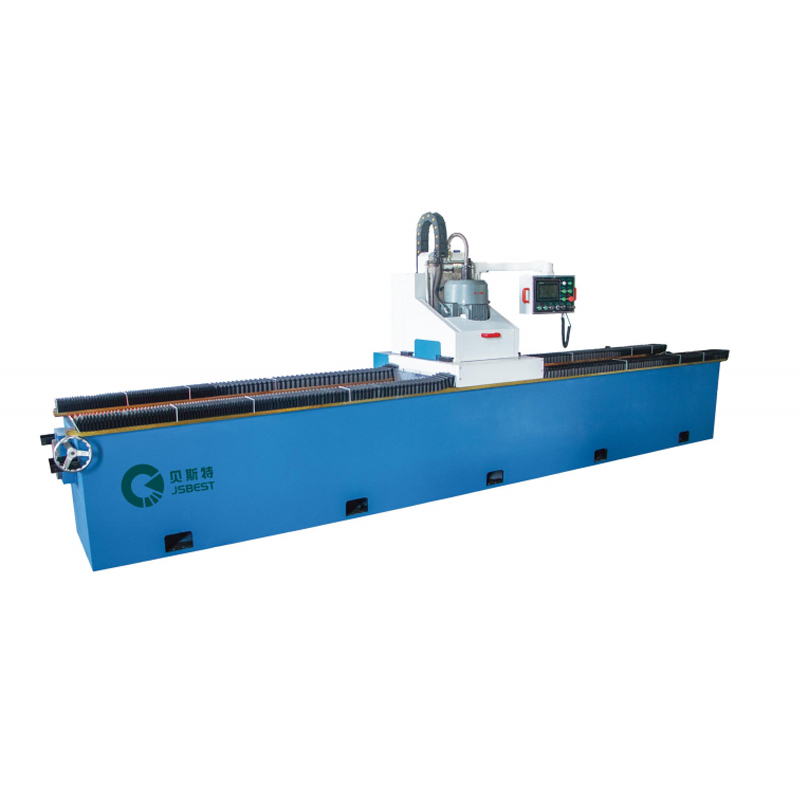
• The whole machine adopts a high-strength gantry-type welding structure, with a solid and compact o...
See Details -
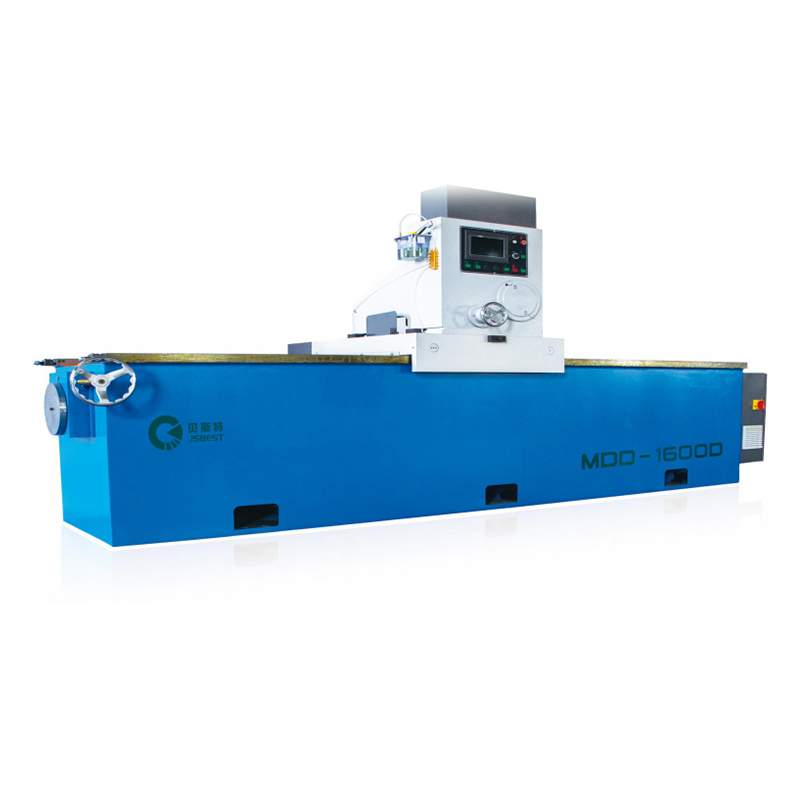
• The grinder adopts a gantry-type bed, high-quality steel plate welding, high-temperature tempering...
See Details -
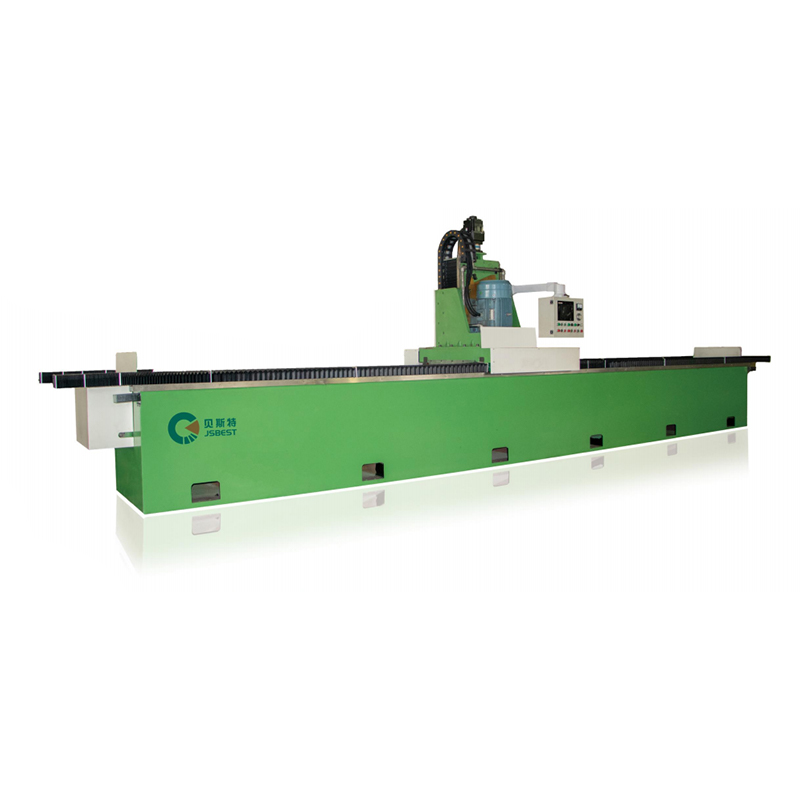
• A high-strength welded steel structure is adopted to eliminate the internal stress of the machine ...
See Details -
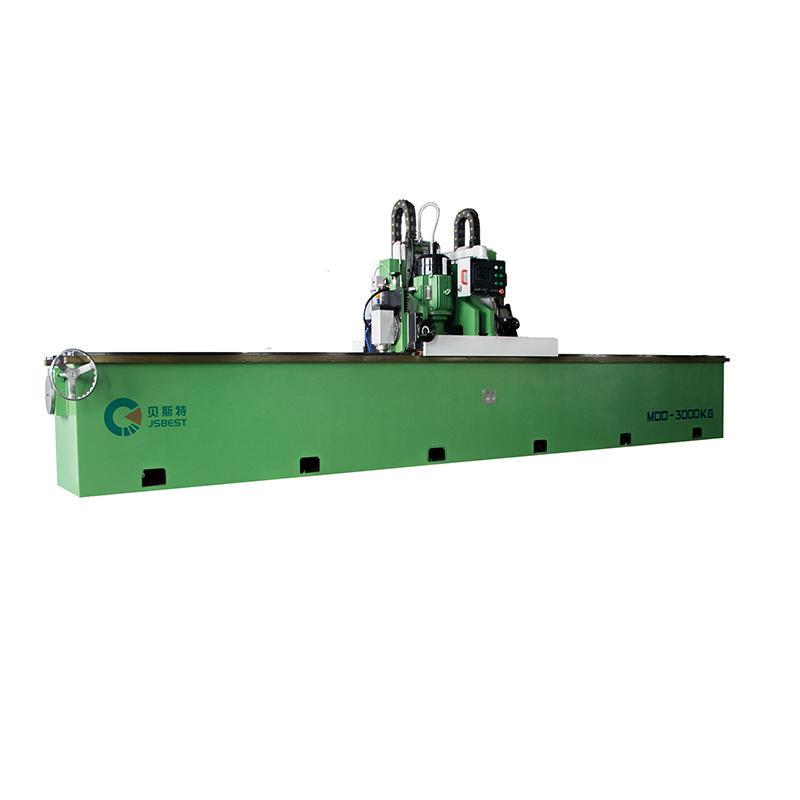
Double-Head Knife Grinding Machine is an efficient grinding equipment that combines rough grinding a...
See Details -
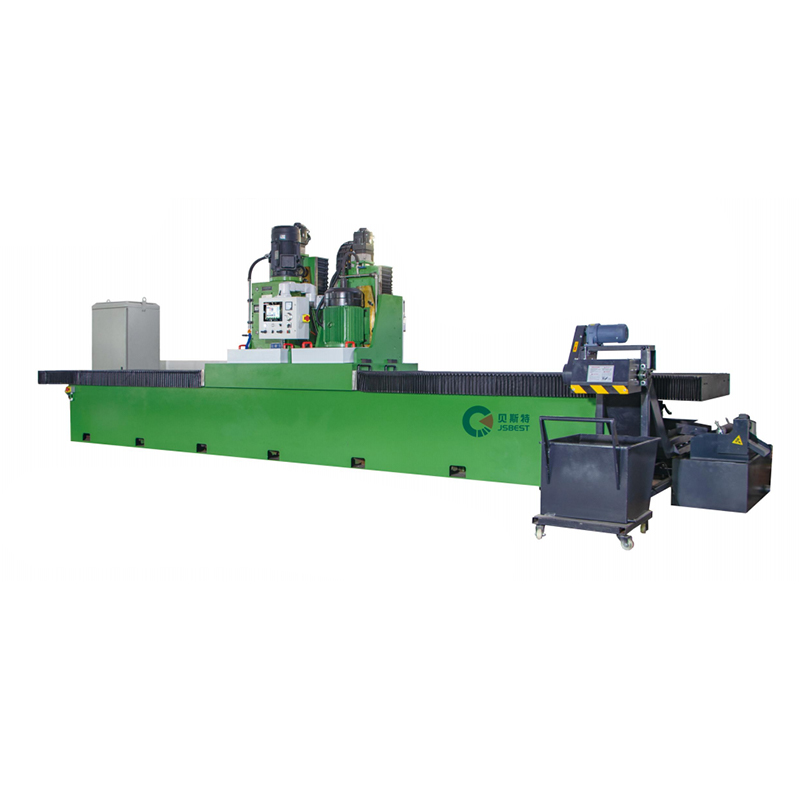
Heavy-Duty Surface Milling And Grinding Machine is an efficient processing equipment that integrates...
See Details -
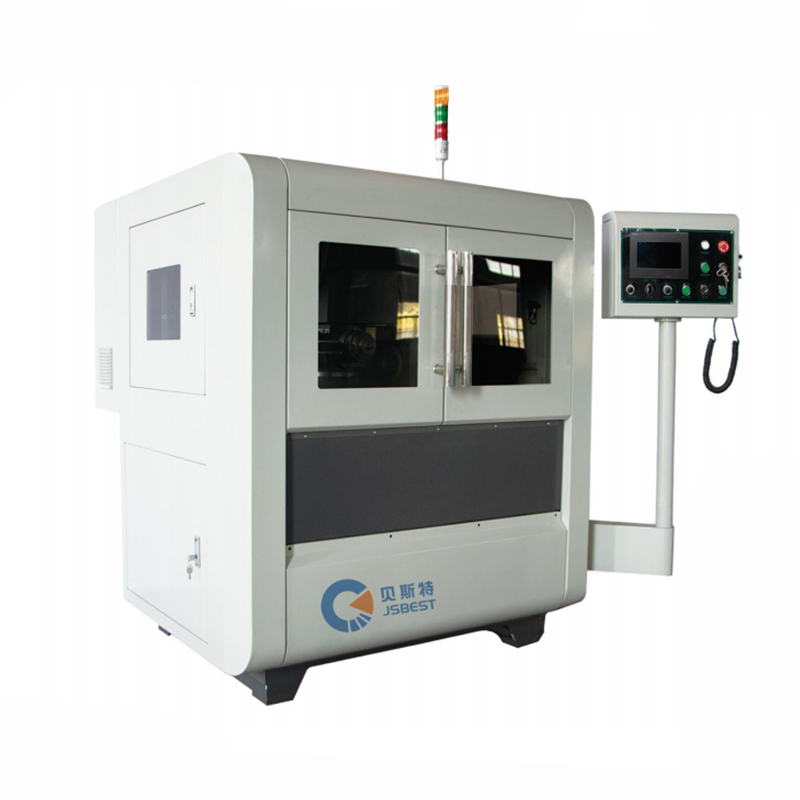
• This round knife grinder adopts a PLC program to control the automatic feeding part, which is easy...
See Details -
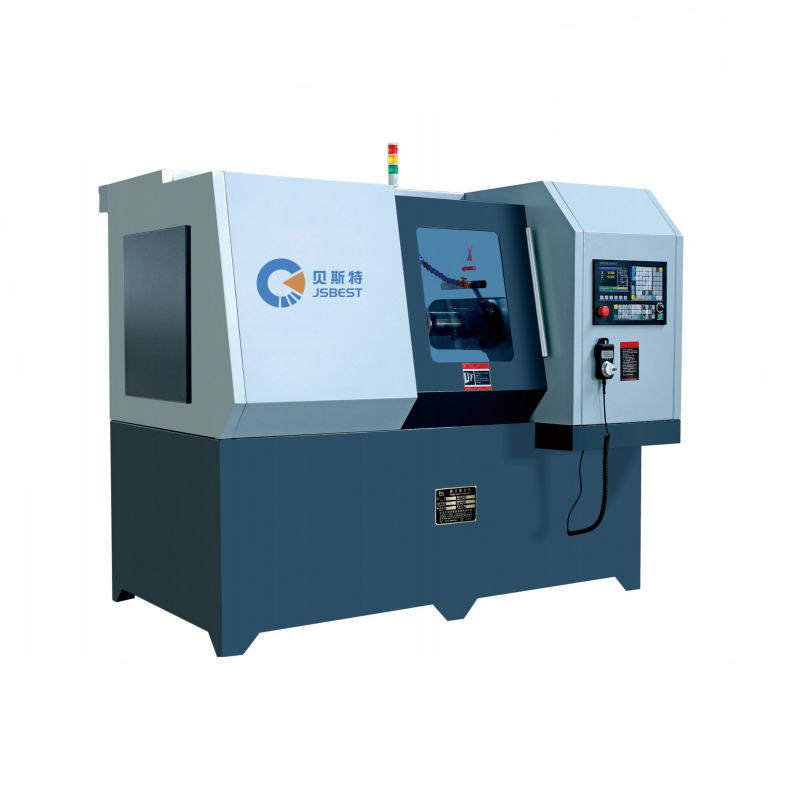
CNC Circular Knife Grinding Machine structural features:• High grinding accuracy, spindle and knife ...
See Details

- PRODUCT
- MDD Series Straight Knife Grinding Machine
- MYD Series Circular Knife Grinding Machine
- MCD Series Rewinding Knife Grinding Machine
- QUICK LINKS
- About Us
- Manufacturing
- Industry Solutions
- Downloads
- Contact
- CONTACT US
-
-
 No.99, Huanghai South Road, Tangyang Town, Dongtai City, Jiangsu Province, China
 -
 0086-13818631306
 -
 +86-515-85652988
 -

-

