


 English
  中文简体
中文简体 • The CNC Knife Grinding Machine adopts PLC program control, which is easy to operate, fast, stable,...
See DetailsCan an Industrial Blade Grinding Machine Boost Your Manufacturing Efficiency?
Industry News-What Exactly is an Industrial Blade Grinding Machine?
An industrial blade grinding machine is a specialized piece of equipment designed to sharpen and maintain the cutting edges of various blades used in manufacturing processes. These blades can range from those used in woodworking, such as circular saw blades, to blades in metal cutting operations, like guillotine blades. The machine uses a combination of abrasive wheels and precise control systems to grind the blades to their optimal sharpness.
How Does it Work?
Precision Grinding
The heart of an industrial blade grinding machine lies in its precision grinding capabilities. The abrasive wheels are carefully selected based on the type of blade material and the desired finish. For example, when grinding high-speed steel blades, a specific type of abrasive wheel with the right grit size is used. The machine's control system ensures that the blade is held in the correct position and angle during the grinding process. This precision allows for the removal of only the necessary amount of material, resulting in a sharp and consistent cutting edge. In contrast to manual grinding methods, which may vary in pressure and angle, an industrial blade grinding machine offers a much more uniform and accurate grinding process.
Automated Processes
Many modern industrial blade grinding machines come equipped with automated features. This includes automated loading and unloading of blades, as well as programmable grinding cycles. Once the operator has input the specific grinding parameters for a particular blade type, the machine can repeat the process for multiple blades without the need for constant manual adjustment. For instance, in a factory that produces a large number of identical saw blades, the automated features of the grinding machine can significantly speed up the sharpening process. The machine can quickly switch between different grinding programs if there are multiple types of blades to be processed, further streamlining the manufacturing workflow.
What are the Advantages in Terms of Efficiency?
Reduced Downtime
One of the most significant ways an industrial blade grinding machine can boost efficiency is by reducing downtime. Blades that become dull during manufacturing operations need to be replaced or sharpened. With an in-house industrial blade grinding machine, companies no longer have to wait for blades to be sent out to a third-party sharpening service and then returned. This eliminates the time spent in transit and the associated delays. Instead, blades can be quickly sharpened on-site, getting them back into production in a much shorter time frame. For example, in a food processing plant where knives are constantly used for cutting, having an industrial blade grinding machine means that dull knives can be sharpened immediately, ensuring that the production line keeps running smoothly without long interruptions.
Increased Blade Lifespan
A well-maintained blade that is regularly sharpened using an industrial blade grinding machine has a longer lifespan. When blades are sharpened correctly, they cut more efficiently, reducing the stress on the blade and the equipment using it. This means that blades don't need to be replaced as frequently. In a manufacturing facility that uses a large number of blades, this can lead to significant cost savings over time. For instance, in a printing industry where cutting blades are used to trim paper, a longer blade lifespan means fewer replacements, less time spent on changing blades, and ultimately, more time spent on actual production.
Higher Productivity
The combination of precise grinding and automated processes allows for higher productivity levels. An industrial blade grinding machine can process blades much faster than manual methods. Additionally, the consistent quality of the sharpened blades means that the manufacturing processes that rely on these blades can operate at a more consistent and efficient pace. For example, in a metalworking factory, sharp and well-maintained cutting blades enable faster and more accurate cuts, increasing the overall output of the production line.
Are There Any Drawbacks to Consider?
Initial Investment
One of the main drawbacks of an industrial blade grinding machine is the initial investment required. These machines can be quite expensive, especially for small to medium-sized manufacturing companies. The cost of the machine, along with any necessary accessories and installation, can put a strain on the budget. However, it's important to consider the long-term savings in terms of reduced blade replacement costs and increased productivity. Over time, the return on investment can be significant.
Maintenance Requirements
Industrial blade grinding machines also require regular maintenance to ensure optimal performance. This includes checking and replacing abrasive wheels, maintaining the precision of the control systems, and ensuring proper lubrication of moving parts. Neglecting maintenance can lead to a decrease in the quality of the grinding process and potentially damage the machine. However, with proper maintenance schedules in place, these issues can be minimized.
So, can an industrial blade grinding machine boost your manufacturing efficiency? The answer is a resounding yes. While there are initial investment and maintenance considerations, the advantages in terms of reduced downtime, increased blade lifespan, and higher productivity make it a valuable addition to many manufacturing operations. As technology continues to advance, industrial blade grinding machines are likely to become even more efficient and accessible, further enhancing their potential to revolutionize the manufacturing industry.
Related products
-
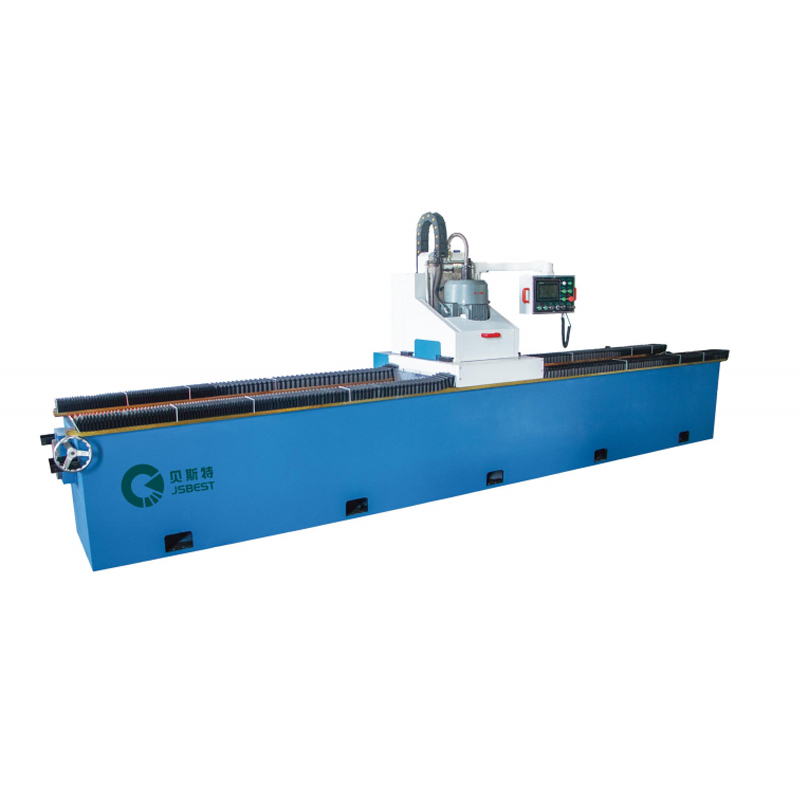
-

• The whole machine adopts a high-strength gantry-type welding structure, with a solid and compact o...
See Details -
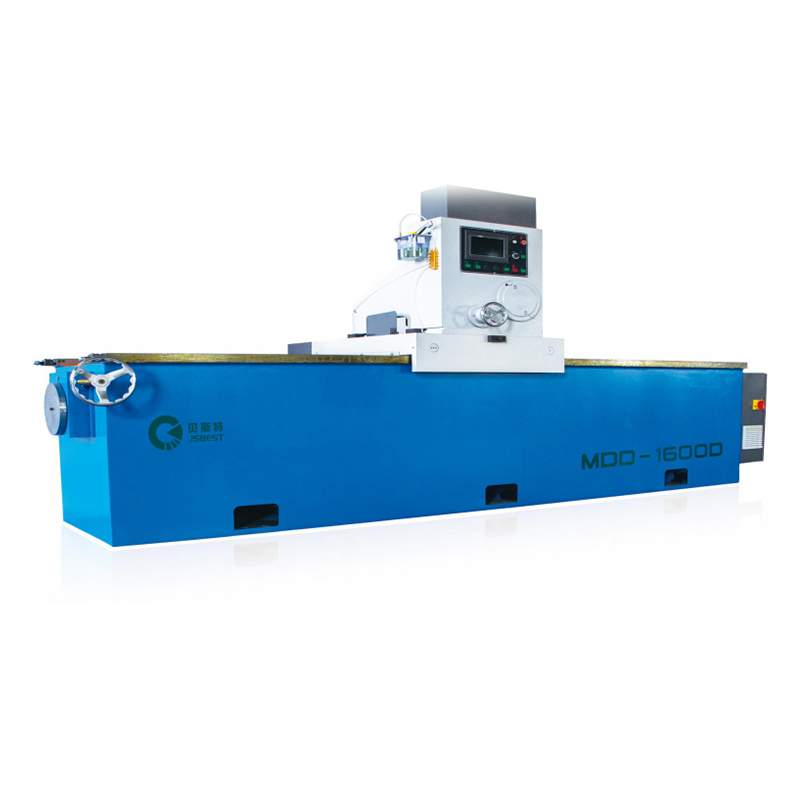
• The grinder adopts a gantry-type bed, high-quality steel plate welding, high-temperature tempering...
See Details -
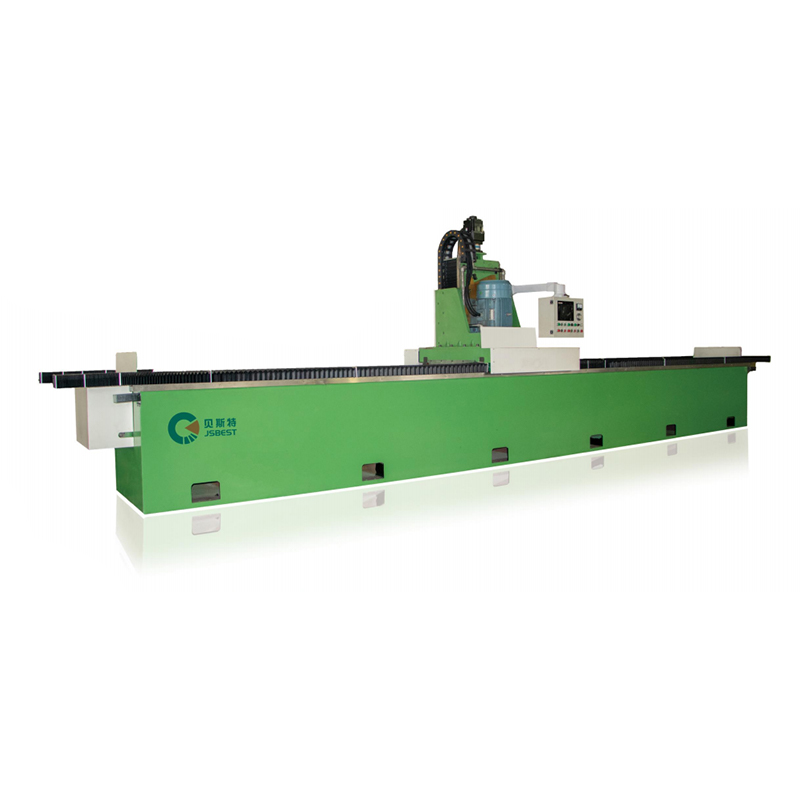
• A high-strength welded steel structure is adopted to eliminate the internal stress of the machine ...
See Details -
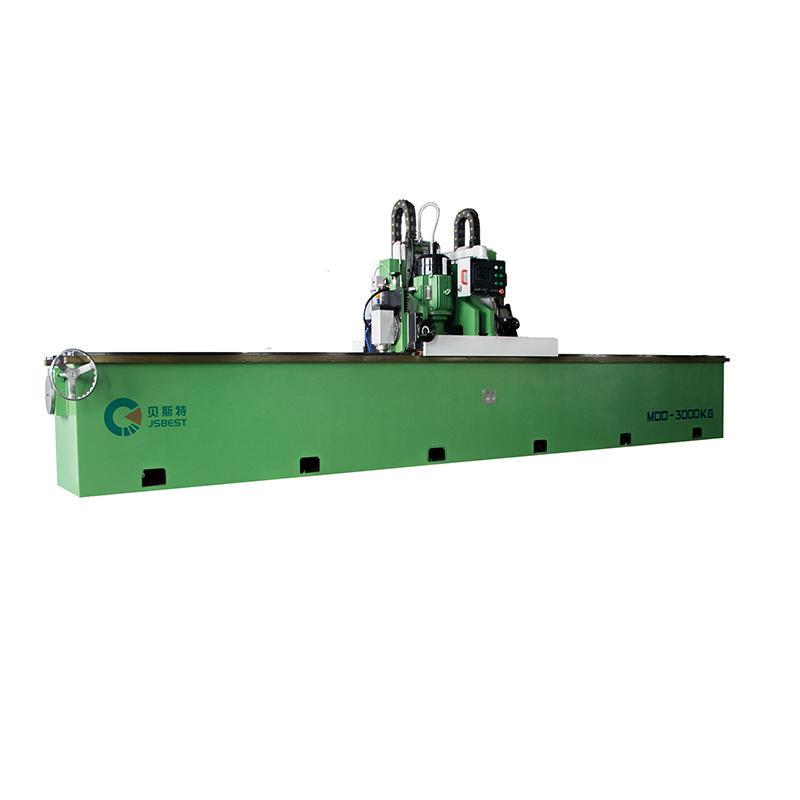
Double-Head Knife Grinding Machine is an efficient grinding equipment that combines rough grinding a...
See Details -
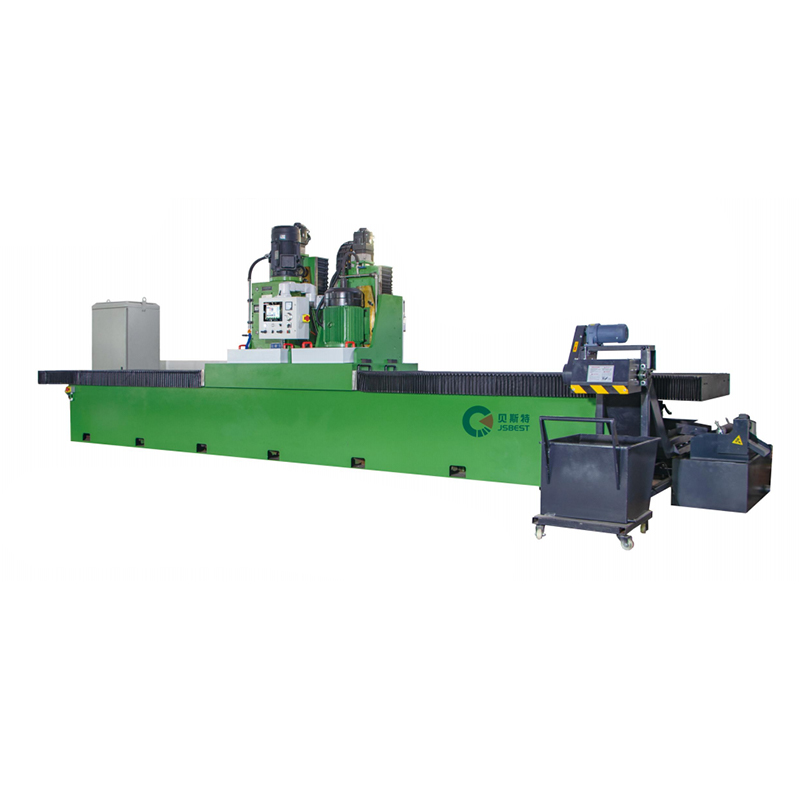
Heavy-Duty Surface Milling And Grinding Machine is an efficient processing equipment that integrates...
See Details -
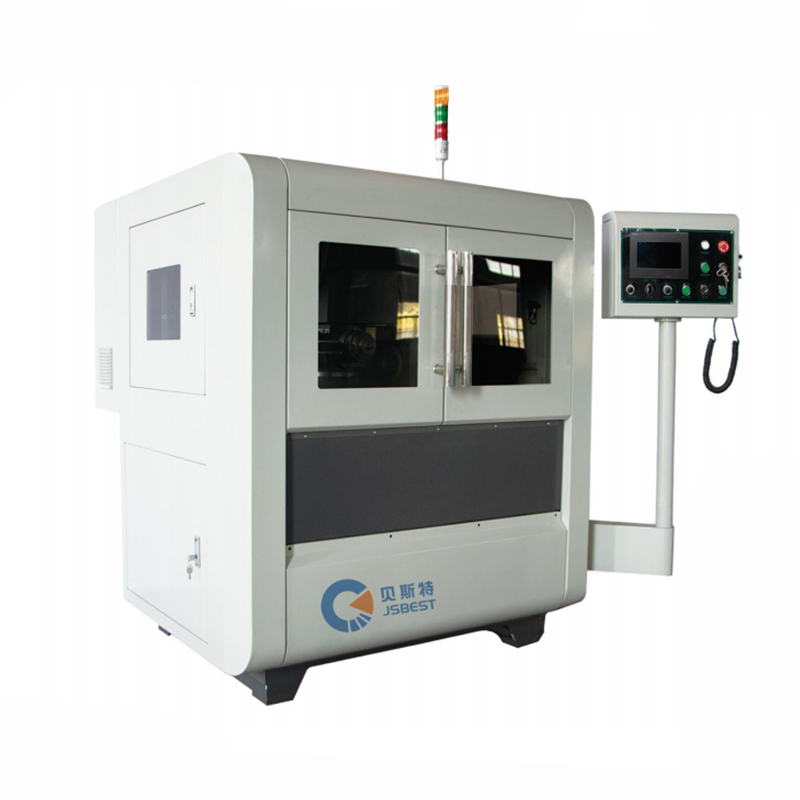
• This round knife grinder adopts a PLC program to control the automatic feeding part, which is easy...
See Details -
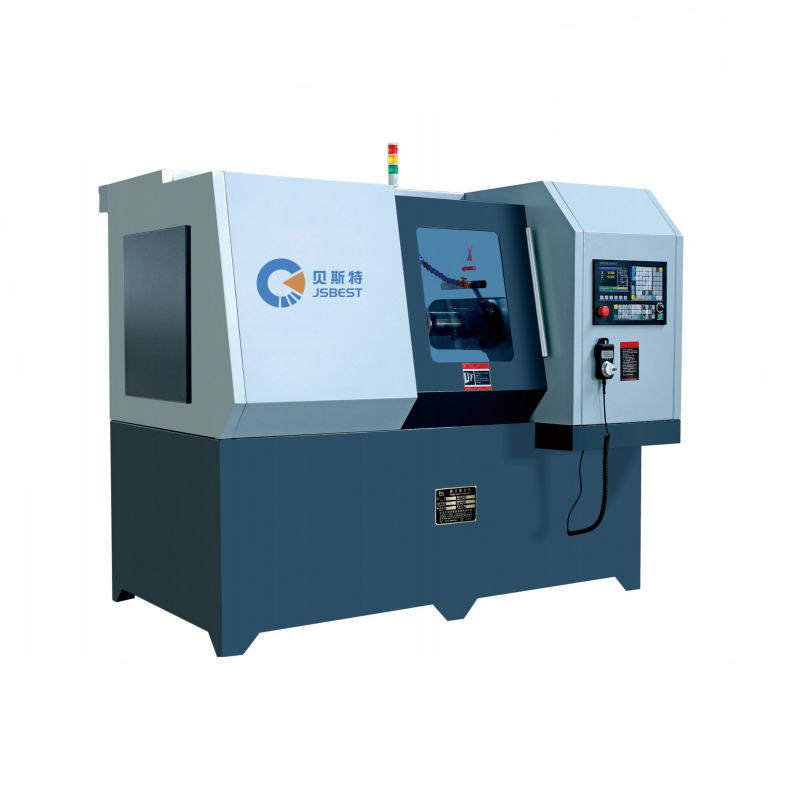
CNC Circular Knife Grinding Machine structural features:• High grinding accuracy, spindle and knife ...
See Details

- PRODUCT
- MDD Series Straight Knife Grinding Machine
- MYD Series Circular Knife Grinding Machine
- MCD Series Rewinding Knife Grinding Machine
- QUICK LINKS
- About Us
- Manufacturing
- Industry Solutions
- Downloads
- Contact
- CONTACT US
-
-
 No.99, Huanghai South Road, Tangyang Town, Dongtai City, Jiangsu Province, China
 -
 0086-13818631306
 -
 +86-515-85652988
 -

-

