


 English
  中文简体
中文简体 • The CNC Knife Grinding Machine adopts PLC program control, which is easy to operate, fast, stable,...
See DetailsWhat Is an MDD Series Straight Knife Grinding Machine? How Does It Improve Knife Grinding Precision?
Industry News-What Exactly Is an MDD Series Straight Knife Grinding Machine, and What Types of Knives Does It Process?
The MDD Series Straight Knife Grinding Machine is a specialized industrial tool designed to sharpen and refine “straight knives”—long, flat-bladed tools used in dozens of manufacturing and processing industries. Unlike general-purpose grinding machines (which handle a range of parts), the MDD Series is engineered exclusively for straight knives, with a focus on precision and consistency. The straight knives it processes include paper-cutting knives (used in printing and packaging to cut large paper rolls), textile-cutting knives (for cutting fabric in clothing or upholstery factories), food-processing knives (for slicing meat, vegetables, or bakery goods), and metalworking knives (for trimming or deburring metal sheets). These knives rely on sharp, even edges to work efficiently—dull or uneven edges can cause material waste (like ragged fabric cuts) or equipment jams, making the MDD Series a critical tool for maintaining production quality.
What Core Components of the MDD Series Straight Knife Grinding Machine Enable Precision Grinding?
The MDD Series owes its precision to several specialized components, each calibrated for accuracy:
First, the clamping system: This holds the straight knife firmly in place during grinding. Unlike basic clamps (which can shift or damage the knife), the MDD Series uses a hydraulic or pneumatic clamping mechanism that applies even pressure across the entire length of the knife (which can be 1–3 meters long). This ensures the knife doesn’t move during grinding—even a 0.01mm shift would create an uneven edge.
Second, the grinding wheel and spindle: The machine uses a high-grade abrasive grinding wheel (often made of cubic boron nitride, or CBN—one of the hardest materials) that maintains its shape even after hours of use. The spindle (which rotates the grinding wheel) operates at a precise, adjustable speed (1,500–3,000 RPM). Consistent spindle speed prevents the wheel from “burning” the knife edge (overheating and weakening the metal) or creating uneven abrasion.
Third, the feed system: This controls how the grinding wheel moves along the knife edge. The MDD Series uses a servo motor-driven feed system (instead of manual or hydraulic feeds) that can adjust the grinding depth in increments as small as 0.001mm. This means the machine can remove just enough metal to sharpen the knife without wasting material or reducing the knife’s lifespan.
Fourth, the cooling system: A built-in coolant sprayer directs a steady stream of cooling fluid onto the knife and grinding wheel during operation. This not only prevents overheating (which can warp the knife or damage the wheel) but also flushes away metal shavings—ensuring the grinding wheel stays clean and doesn’t leave scratches on the knife edge.
How Does the MDD Series Machine Improve Grinding Precision Compared to Traditional Methods?
Traditional straight knife grinding often relies on manual operation or basic machines, which are prone to human error and inconsistency. The MDD Series addresses these flaws with three precision-boosting features:
Automated parameter control: Unlike manual grinding (where the operator judges grinding depth and speed by eye), the MDD Series lets users input exact parameters—grinding depth, wheel speed, feed rate—via a digital control panel. The machine then executes these parameters perfectly every time. For example, if a textile factory needs its knives to have a 30° edge angle, the operator programs 30° into the machine, and every knife is ground to that exact angle—no variation between the first and 100th knife.
Edge straightness and uniformity checks: Many MDD Series models have built-in laser or optical sensors that scan the knife edge during and after grinding. If the sensor detects a slight unevenness (even 0.005mm), the machine automatically adjusts the feed rate to correct it. Traditional methods require operators to check edges with rulers or gauges, which is slow and misses tiny defects—defects that can cause big problems in production (like uneven paper cuts).
Reduced human intervention: Manual grinding depends on the operator’s skill—an experienced worker might produce good results, but a new worker could grind the knife too deep or at the wrong angle. The MDD Series minimizes human input: once the parameters are set, the machine runs automatically, with only occasional checks needed. This consistency means every knife meets the same quality standard, regardless of who operates the machine.
What Benefits Does the MDD Series Straight Knife Grinding Machine Bring to Industries That Use Straight Knives?
For industries relying on straight knives, the MDD Series delivers tangible operational benefits:
Reduced material waste: Sharp, even knife edges (from precise grinding) cut materials cleanly—no ragged edges or uneven cuts. For example, a textile factory using MDD-ground knives might reduce fabric waste by 5–10%, as there’s no need to discard pieces with messy cuts.
Longer knife lifespan: The machine’s precise grinding removes only the minimum metal needed to sharpen the knife, unlike traditional methods (which often grind too deep, shortening the knife’s life). A knife sharpened by the MDD Series might last 2–3 times longer than one sharpened manually, reducing the cost of replacing knives.
Faster production: The MDD Series can grind a 2-meter straight knife in 5–10 minutes, compared to 20–30 minutes with manual methods. This speed means factories can sharpen knives during short breaks, instead of setting aside hours for maintenance—keeping production lines running longer.
Improved product quality: Consistent knife edges lead to consistent end products. A bakery using MDD-ground slicing knives will produce bread slices of the same thickness, while a printing factory will get clean, straight paper cuts—both improving customer satisfaction and reducing returns.
Related products
-
-

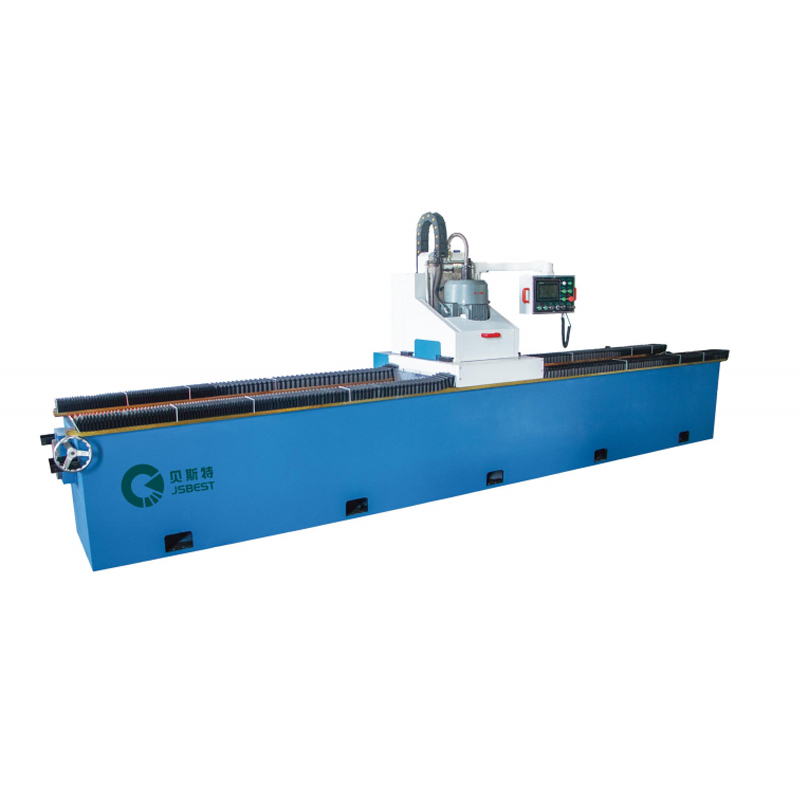
• The whole machine adopts a high-strength gantry-type welding structure, with a solid and compact o...
See Details -
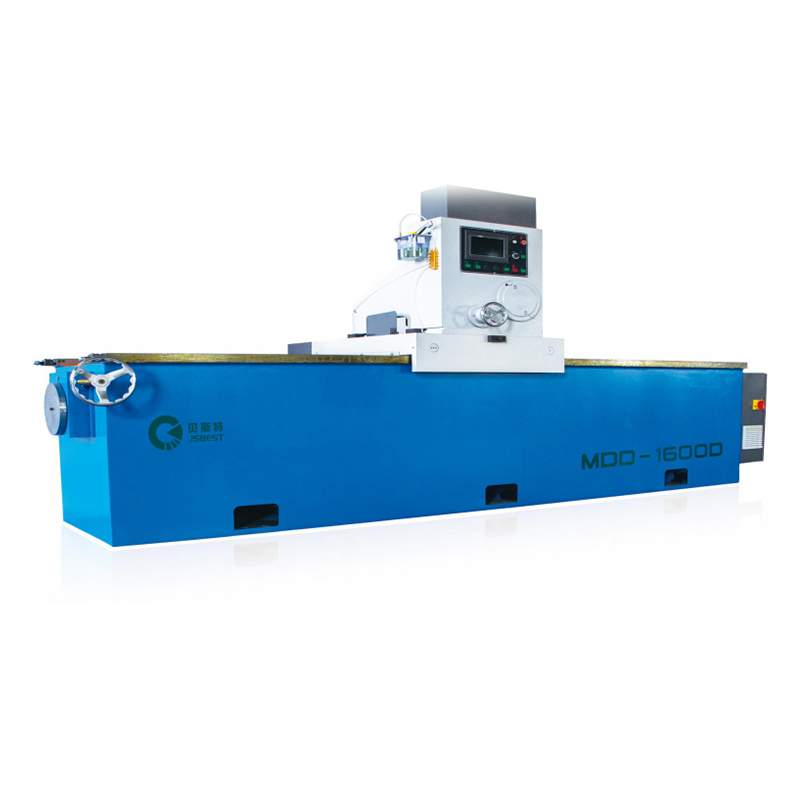
• The grinder adopts a gantry-type bed, high-quality steel plate welding, high-temperature tempering...
See Details -
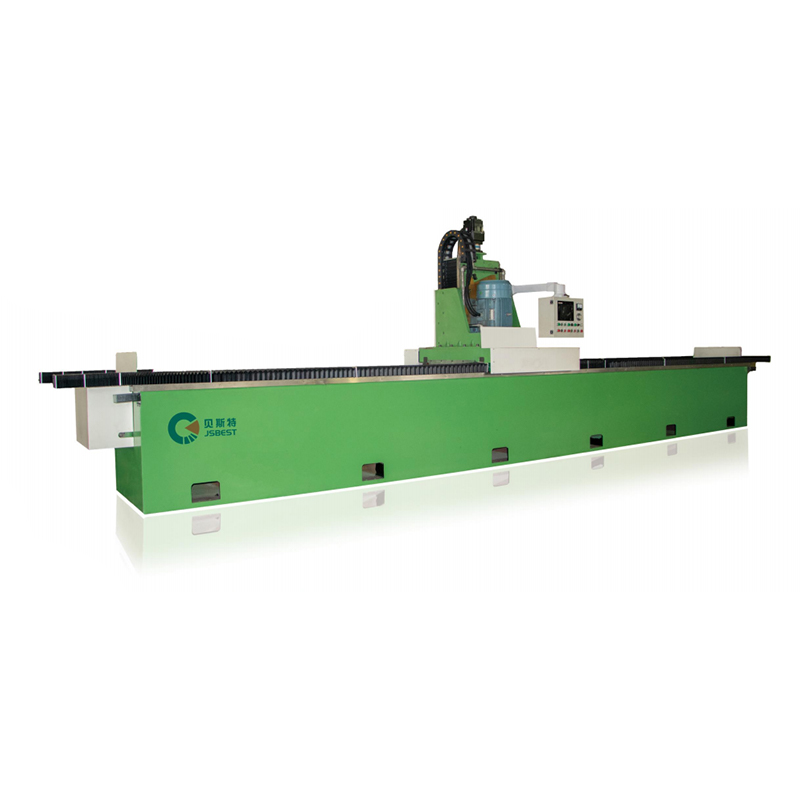
• A high-strength welded steel structure is adopted to eliminate the internal stress of the machine ...
See Details -
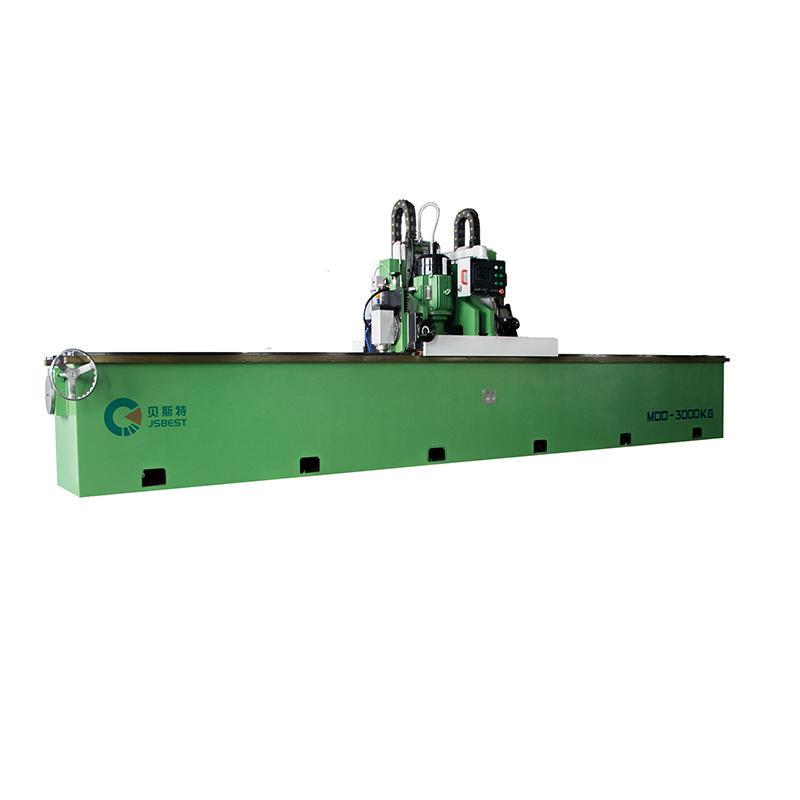
Double-Head Knife Grinding Machine is an efficient grinding equipment that combines rough grinding a...
See Details -
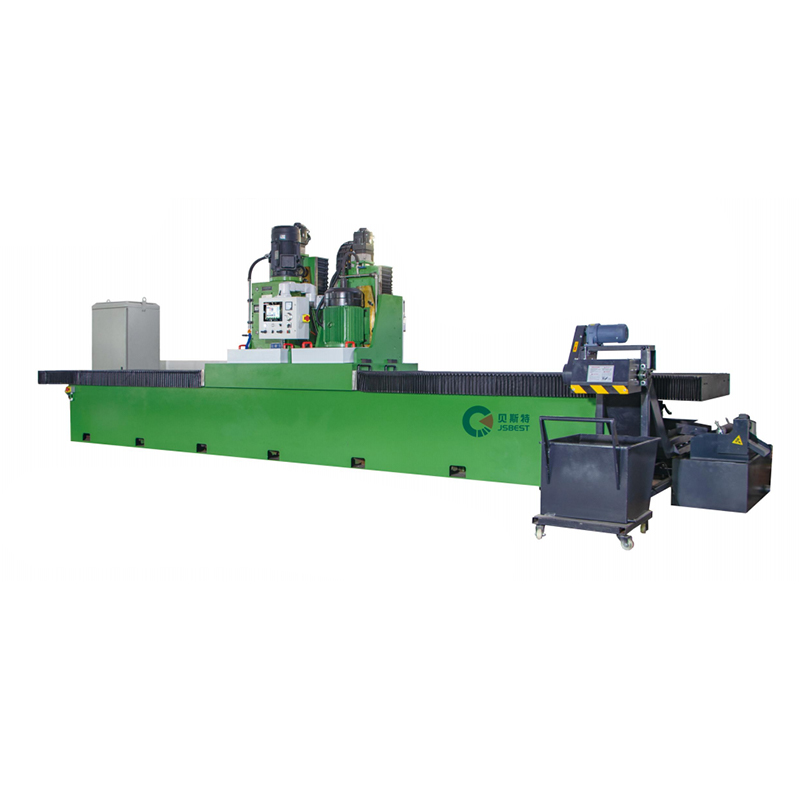
Heavy-Duty Surface Milling And Grinding Machine is an efficient processing equipment that integrates...
See Details -
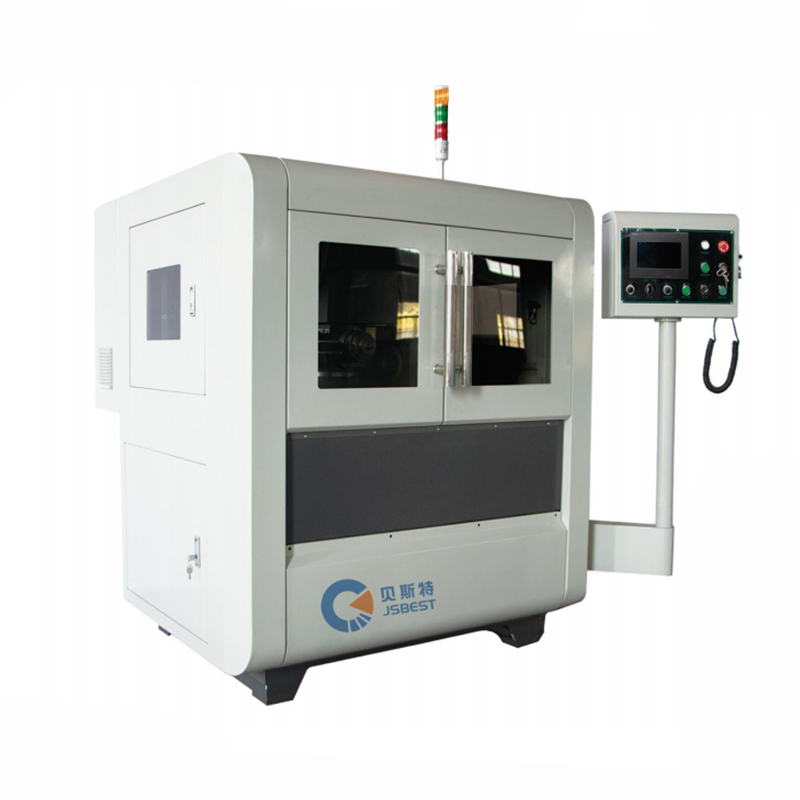
• This round knife grinder adopts a PLC program to control the automatic feeding part, which is easy...
See Details -
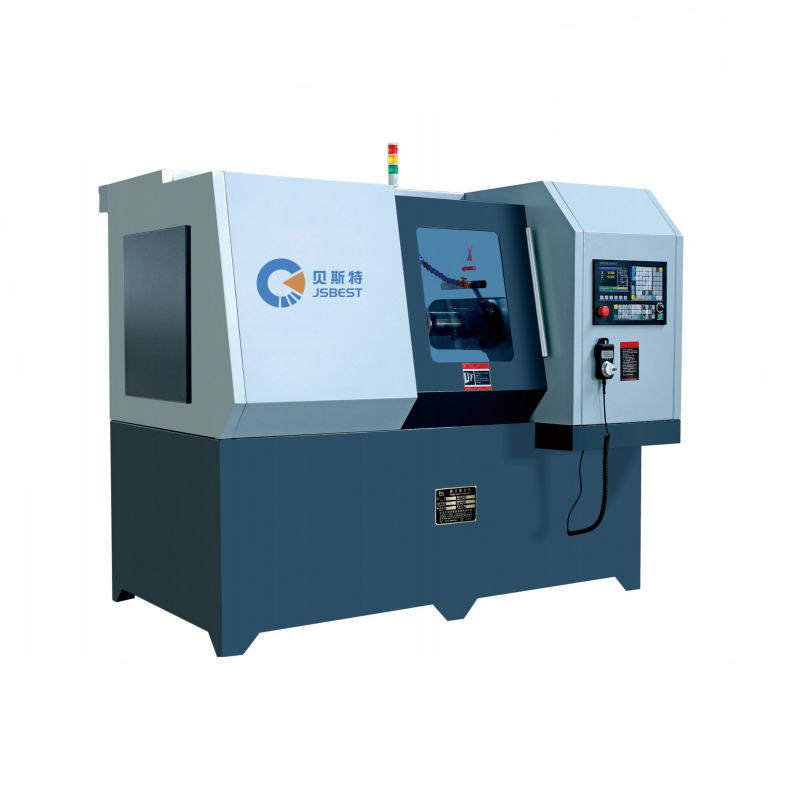
CNC Circular Knife Grinding Machine structural features:• High grinding accuracy, spindle and knife ...
See Details

- PRODUCT
- MDD Series Straight Knife Grinding Machine
- MYD Series Circular Knife Grinding Machine
- MCD Series Rewinding Knife Grinding Machine
- QUICK LINKS
- About Us
- Manufacturing
- Industry Solutions
- Downloads
- Contact
- CONTACT US
-
-
 No.99, Huanghai South Road, Tangyang Town, Dongtai City, Jiangsu Province, China
 -
 0086-13818631306
 -
 +86-515-85652988
 -

-

