


 English
  中文简体
中文简体 • The CNC Knife Grinding Machine adopts PLC program control, which is easy to operate, fast, stable,...
See DetailsHow to Extend Blade Life with a Circular Blade Grinder? Pro Tips Inside
Industry News-What preparation steps are essential before using a circular blade grinder to protect blade life?
Using a circular blade grinder proper preparation before grinding is critical to avoiding unnecessary blade damage and extending its lifespan. First, clean the blade thoroughly: remove any residual material (such as metal shavings, plastic debris, or adhesive) from the blade surface using a non-abrasive brush or solvent—residue left on the blade can cause uneven grinding or scratch the blade’s cutting edge during the process. Second, inspect the blade for existing damage: check for chips, cracks, or warping on the cutting edge—if chips are larger than 0.5mm, it may be necessary to perform preliminary repair (such as spot grinding) before full resharpening, as ignoring large chips can lead to further blade deformation during grinding. Finally, secure the blade correctly in the grinder’s chuck or fixture: ensure the blade is aligned concentrically (with runout tolerance ≤ 0.02mm) to prevent uneven pressure during grinding—misalignment can result in an uneven cutting edge, which reduces blade efficiency and shortens its life.
What grinding parameters should be adjusted to minimize blade wear?
Adjusting key grinding parameters is essential to reducing blade wear while achieving a sharp edge. The first parameter is grinding speed: for high-speed steel (HSS) blades, a grinding wheel speed of 1,800-2,200 m/min is optimal, while for carbide blades (which are harder but more brittle), a slower speed (1,200-1,600 m/min) is recommended—excessive speed can generate excessive heat, leading to blade tempering (which softens the cutting edge) or thermal cracking. Second, control grinding pressure: apply light, consistent pressure (typically 0.5-1.0 kgf) instead of heavy pressure—heavy pressure can cause the grinding wheel to dig into the blade, creating deep grooves or uneven edges that reduce blade life. Third, select the right grinding wheel: use a wheel with the appropriate grit size—80-120 grit for initial sharpening (to remove dull edges) and 180-240 grit for final honing (to create a smooth, sharp edge). Using a wheel with too coarse a grit can leave deep scratches on the blade, which weaken the cutting edge and cause it to dull faster.
What post-grinding care steps help maintain blade sharpness and extend life?
Post-grinding care is just as important as the grinding process itself for extending blade life. First, deburr the blade: after grinding, use a fine abrasive stone or honing strip to remove any burrs (tiny metal fragments) from the cutting edge—burrs can cause the blade to tear material (instead of cutting it cleanly) and quickly dull the edge. Second, clean and dry the blade immediately: use a lint-free cloth to wipe away grinding dust, then apply a thin layer of anti-rust oil (or silicone-based lubricant) to the blade surface—this prevents oxidation (rusting) of the blade, especially if it is not used immediately after grinding. Third, store the blade properly: place the sharpened blade in a dedicated blade case or on a padded rack, ensuring the cutting edge does not come into contact with hard surfaces (such as metal shelves or other tools)—contact with hard surfaces can chip the edge, undoing the benefits of grinding. Additionally, avoid stacking blades on top of each other, as this can cause mutual scratching and edge damage.
Related products
-
-

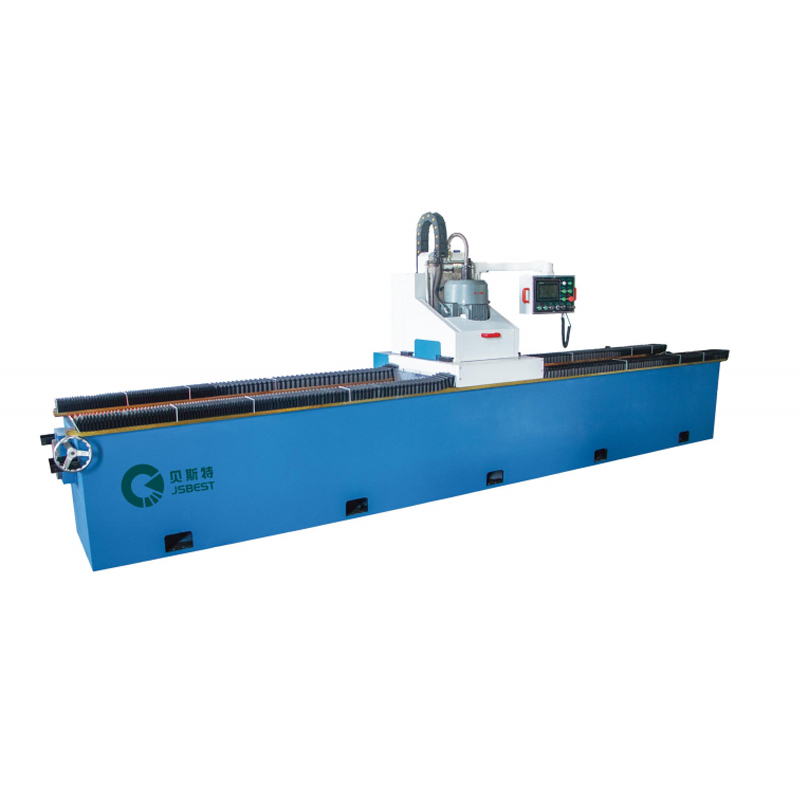
• The whole machine adopts a high-strength gantry-type welding structure, with a solid and compact o...
See Details -
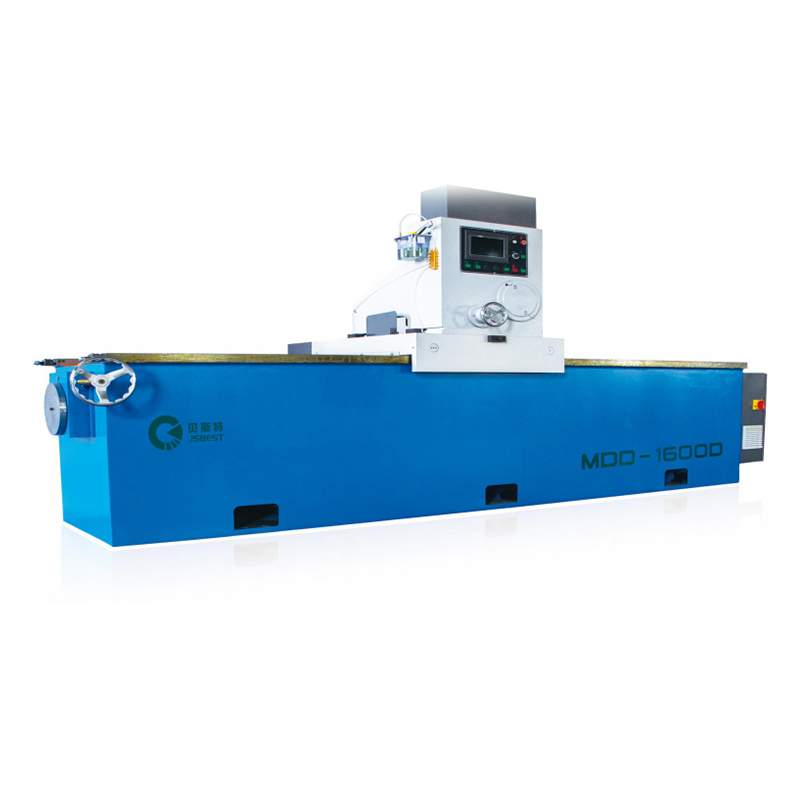
• The grinder adopts a gantry-type bed, high-quality steel plate welding, high-temperature tempering...
See Details -
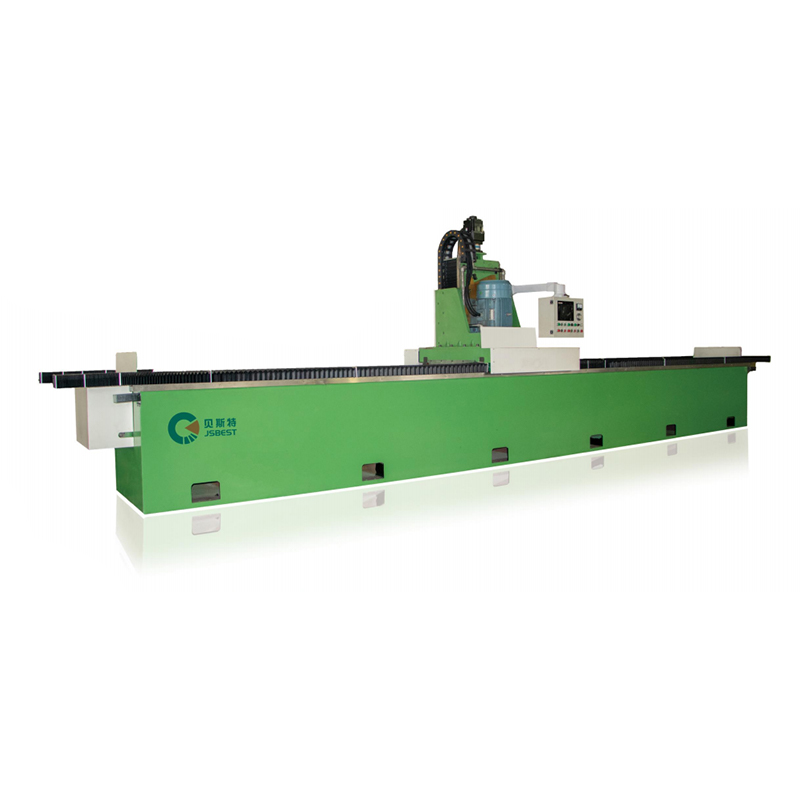
• A high-strength welded steel structure is adopted to eliminate the internal stress of the machine ...
See Details -
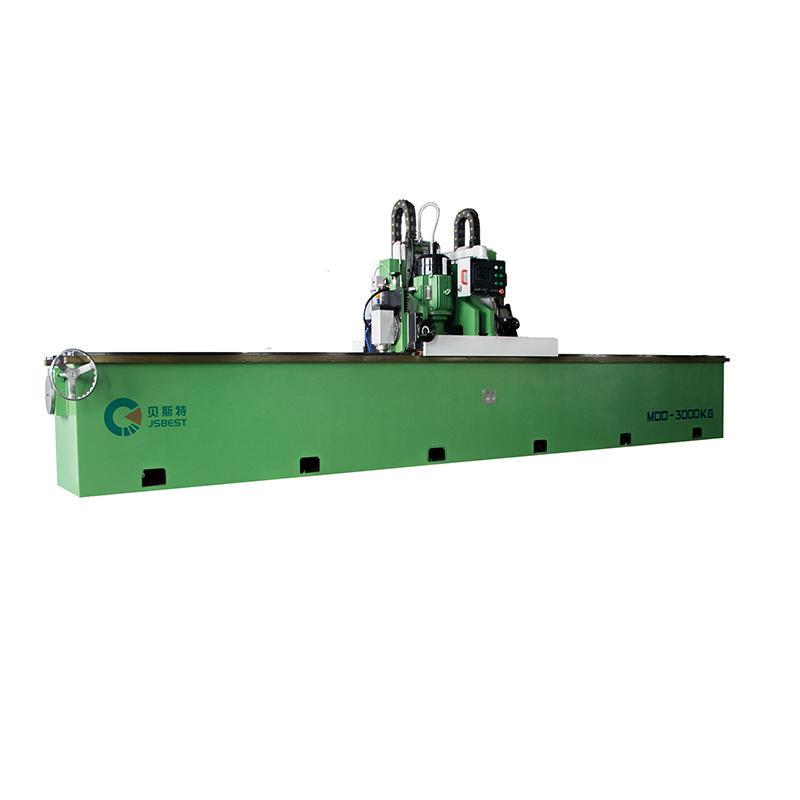
Double-Head Knife Grinding Machine is an efficient grinding equipment that combines rough grinding a...
See Details -
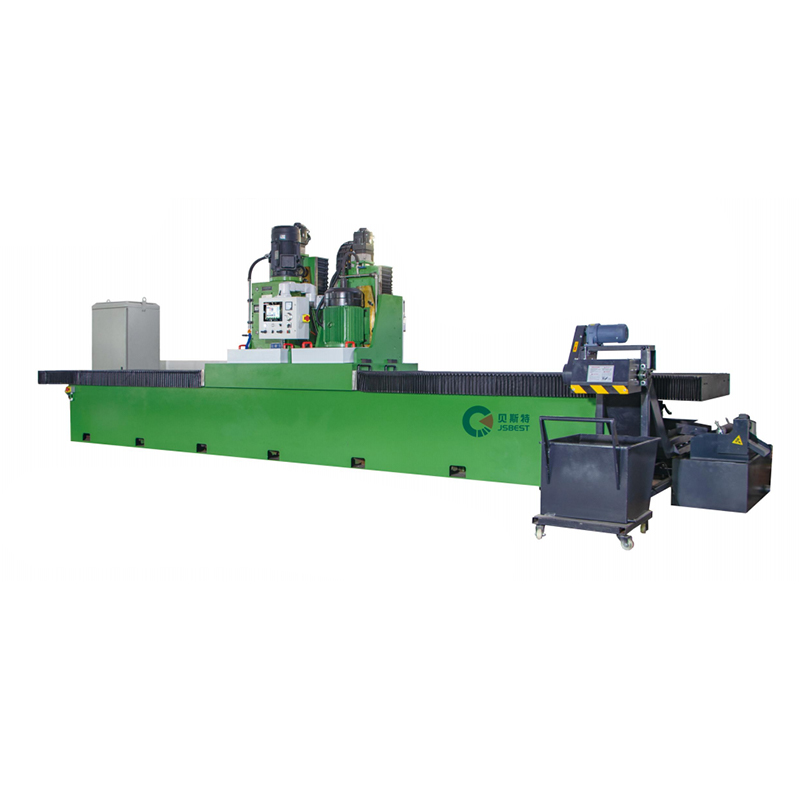
Heavy-Duty Surface Milling And Grinding Machine is an efficient processing equipment that integrates...
See Details -
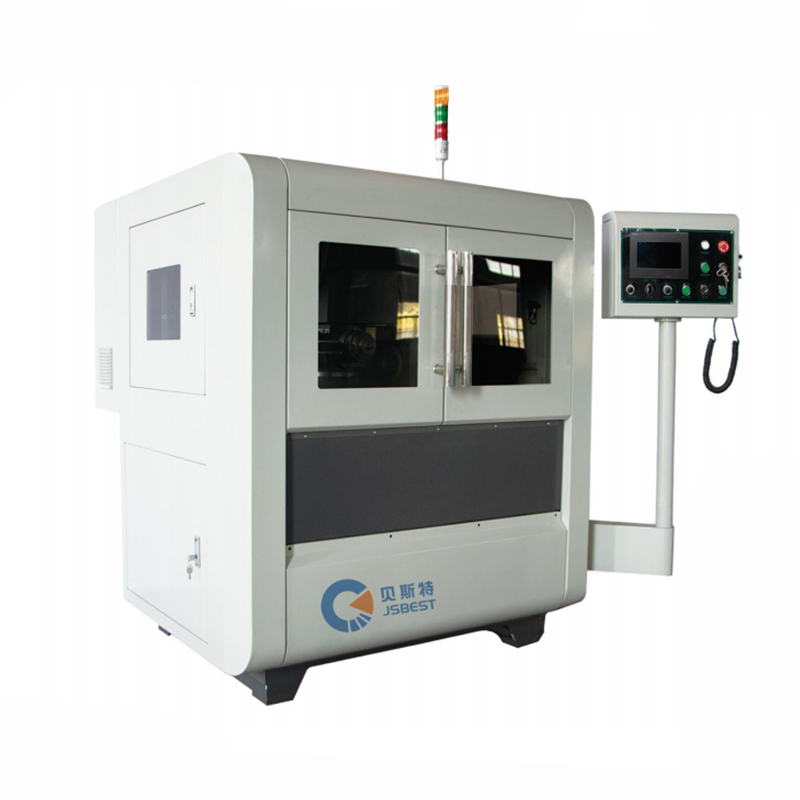
• This round knife grinder adopts a PLC program to control the automatic feeding part, which is easy...
See Details -
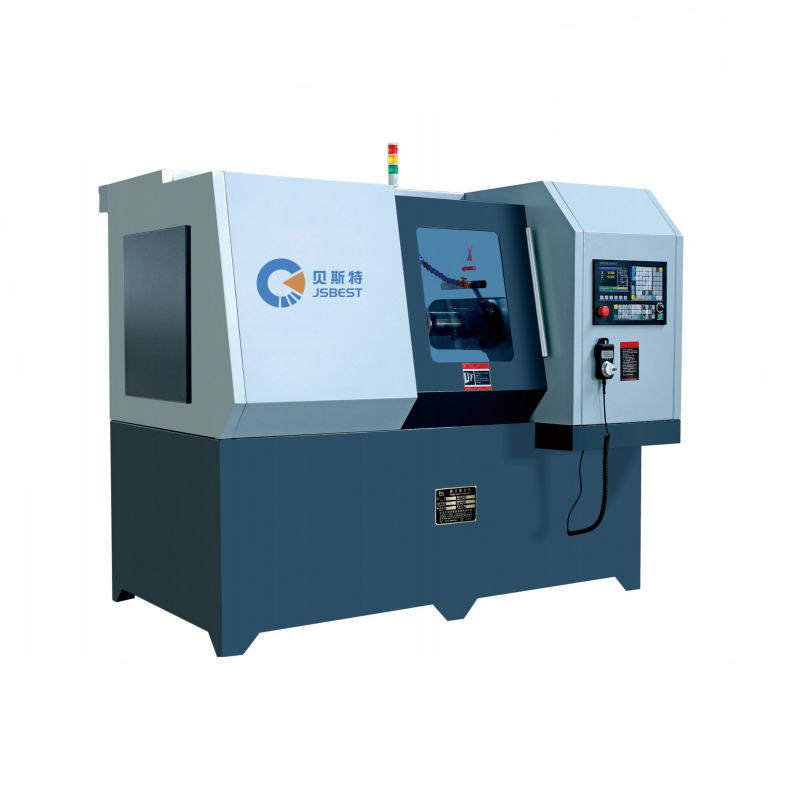
CNC Circular Knife Grinding Machine structural features:• High grinding accuracy, spindle and knife ...
See Details

- PRODUCT
- MDD Series Straight Knife Grinding Machine
- MYD Series Circular Knife Grinding Machine
- MCD Series Rewinding Knife Grinding Machine
- QUICK LINKS
- About Us
- Manufacturing
- Industry Solutions
- Downloads
- Contact
- CONTACT US
-
-
 No.99, Huanghai South Road, Tangyang Town, Dongtai City, Jiangsu Province, China
 -
 0086-13818631306
 -
 +86-515-85652988
 -

-

