


 English
  中文简体
中文简体 • The CNC Knife Grinding Machine adopts PLC program control, which is easy to operate, fast, stable,...
See DetailsWhat are the advantages of CNC automatic blade grinders over traditional models?
Industry News-Content
- 1 How Does Precision Control of CNC Grinders Outperform Traditional Manual Operation?
- 2 In What Ways Do CNC Grinders Boost Production Efficiency Compared to Traditional Models?
- 3 How Do CNC Grinders Reduce Labor Dependence and Operational Costs?
- 4 What Flexibility and Versatility Do CNC Grinders Offer Beyond Traditional Models?
- 5 How Do CNC Grinders Enhance Safety and Reduce Operational Risks?
- 6 What Quality Consistency and Traceability Benefits Do CNC Grinders Provide?
How Does Precision Control of CNC Grinders Outperform Traditional Manual Operation?
Precision is a defining advantage of CNC automatic blade grinders, addressing the limitations of manual control in traditional models. CNC systems rely on computerized programming and high-precision linear guides (with positioning accuracy up to ±0.001mm) to ensure consistent grinding parameters—such as blade angle, edge radius, and surface finish—across every workpiece . Unlike traditional grinders that depend on operator skill to maintain accuracy, CNC models eliminate human error, delivering uniform results even for complex blade geometries (e.g., serrated edges, curved blades). Additionally, advanced sensor technology (e.g., laser measurement, force feedback) enables real-time adjustment during grinding, correcting deviations immediately to avoid scrapped parts. For industries requiring tight tolerances (e.g., aerospace, medical devices), this precision translates to higher product quality and reduced material waste compared to traditional grinders, which often produce inconsistent results due to manual operation variability.
In What Ways Do CNC Grinders Boost Production Efficiency Compared to Traditional Models?
CNC automatic blade grinders significantly enhance production efficiency through automation and process optimization. Traditional grinders require manual setup, tool changes, and constant operator supervision, leading to long cycle times and frequent downtime . CNC models, by contrast, feature automated tool changers, programmable grinding sequences, and batch processing capabilities—once programmed, they can run continuously for hours without human intervention, handling large volumes of blades efficiently. The integration of fast-feed mechanisms and high-speed spindles (rotating at 10,000-30,000 RPM) reduces grinding time per blade, while simultaneous multi-axis grinding (up to 5 axes) completes complex profiles in a single setup, eliminating the need for multiple machine passes. Additionally, CNC systems minimize setup time when switching between blade types—programs can be stored and recalled instantly, reducing changeover downtime from hours (with traditional grinders) to minutes. This efficiency boost is particularly valuable for high-volume production, where traditional models struggle to meet demand due to labor-intensive operation.
How Do CNC Grinders Reduce Labor Dependence and Operational Costs?
CNC automatic blade grinders address the labor challenges of traditional models, lowering operational costs and improving workflow. Traditional grinding requires skilled operators with extensive training to master manual control, tool alignment, and quality inspection—these skilled workers are often in short supply, and labor costs can be prohibitive . CNC grinders simplify operation: operators only need to input parameters, load workpieces, and monitor the process, reducing the need for highly specialized skills. Many models also feature automated loading/unloading systems (e.g., robotic arms, conveyor belts), eliminating manual material handling and enabling lights-out manufacturing. Over time, this reduces labor costs, as fewer operators can manage multiple CNC machines simultaneously. Additionally, CNC grinders reduce operational costs by minimizing waste—consistent precision means fewer scrapped blades, while optimized grinding parameters (e.g., feed rate, abrasive usage) extend tool life and reduce material consumption. Traditional models, by contrast, often generate more waste due to human error and require frequent tool replacements, increasing long-term costs.
What Flexibility and Versatility Do CNC Grinders Offer Beyond Traditional Models?
CNC automatic blade grinders excel in flexibility and versatility, adapting to diverse production needs that traditional models struggle to accommodate. Traditional grinders are often designed for specific blade types or sizes, requiring significant retooling or replacement to handle different products . CNC models, however, can be programmed to grind a wide range of blade geometries—from standard straight edges to complex 3D profiles—without physical modifications. Multi-axis CNC systems (3-5 axes) enable simultaneous grinding of multiple blade surfaces, supporting intricate designs that would be impossible or time-consuming with traditional manual or semi-automatic grinders. Additionally, CNC grinders can process various materials (e.g., high-speed steel, carbide, ceramic) by adjusting grinding parameters (e.g., spindle speed, abrasive type) through software, eliminating the need for specialized machines for each material. This versatility is ideal for small-batch production, custom orders, or industries where product designs frequently change, as traditional models lack the adaptability to switch between tasks efficiently.
How Do CNC Grinders Enhance Safety and Reduce Operational Risks?
Safety is a key advantage of CNC automatic blade grinders, addressing the hazards associated with traditional manual grinding. Traditional grinding exposes operators to significant risks—direct contact with rotating abrasive tools, flying debris, and noise (often exceeding 90 decibels) can lead to injuries, hearing damage, or respiratory issues . CNC grinders feature enclosed work areas with safety interlocks that stop operation if the door is opened, preventing accidental contact with moving parts. Automated material handling reduces operator exposure to sharp blades and abrasive tools, while integrated dust collection systems capture grinding debris, improving air quality and reducing respiratory risks. Additionally, CNC systems reduce the risk of human error-related accidents (e.g., incorrect tool alignment, over-grinding) that can cause equipment damage or blade failure. Traditional models, by contrast, offer limited safety features, relying on operator caution to prevent accidents—this is particularly problematic during long shifts, when fatigue increases the risk of mistakes. For businesses prioritizing workplace safety, CNC grinders provide a safer alternative that complies with modern occupational health standards.
What Quality Consistency and Traceability Benefits Do CNC Grinders Provide?
CNC automatic blade grinders deliver superior quality consistency and traceability compared to traditional models, critical for industries with strict quality requirements. Traditional grinding relies on operator judgment for quality control, leading to variability in blade performance—even skilled operators may produce slight differences between workpieces, which can affect product functionality . CNC grinders use precise programming and real-time monitoring to ensure every blade meets exact specifications, with consistent edge sharpness, angle accuracy, and surface finish. Many models integrate in-line quality inspection systems (e.g., vision cameras, laser profilometers) that automatically check each blade after grinding, rejecting defective parts and providing data for process improvement. Additionally, CNC systems offer full traceability—production data (e.g., machine settings, operator, time, batch number) can be recorded and stored, enabling businesses to track each blade’s manufacturing history. This traceability is essential for compliance with industry regulations (e.g., medical device standards, aerospace quality requirements) and simplifies troubleshooting if quality issues arise. Traditional models, by contrast, lack this level of traceability, making it difficult to identify the root cause of defects or demonstrate compliance with quality standards.
Related products
-
-

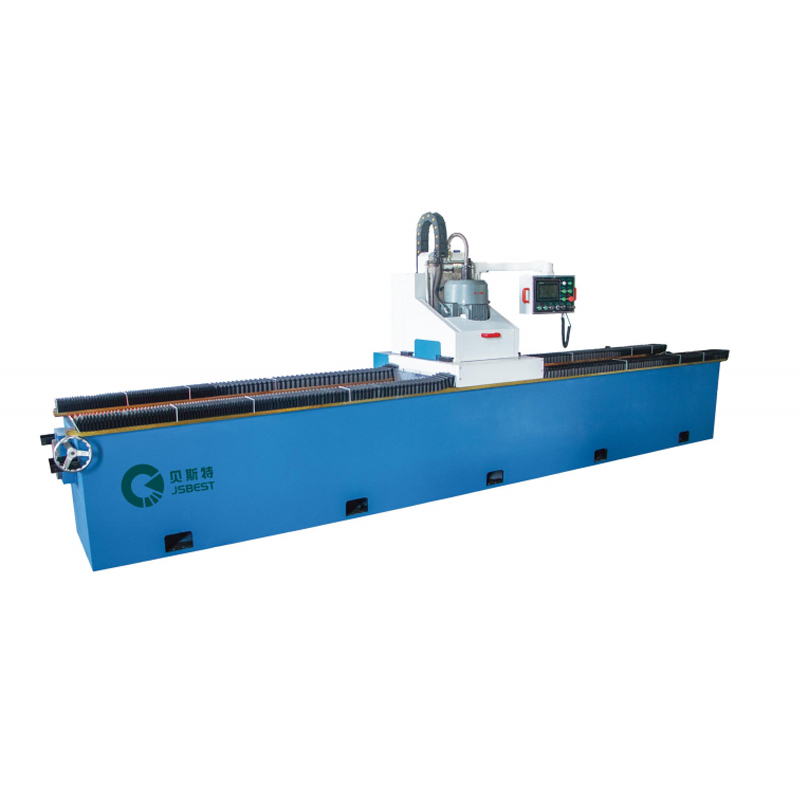
• The whole machine adopts a high-strength gantry-type welding structure, with a solid and compact o...
See Details -
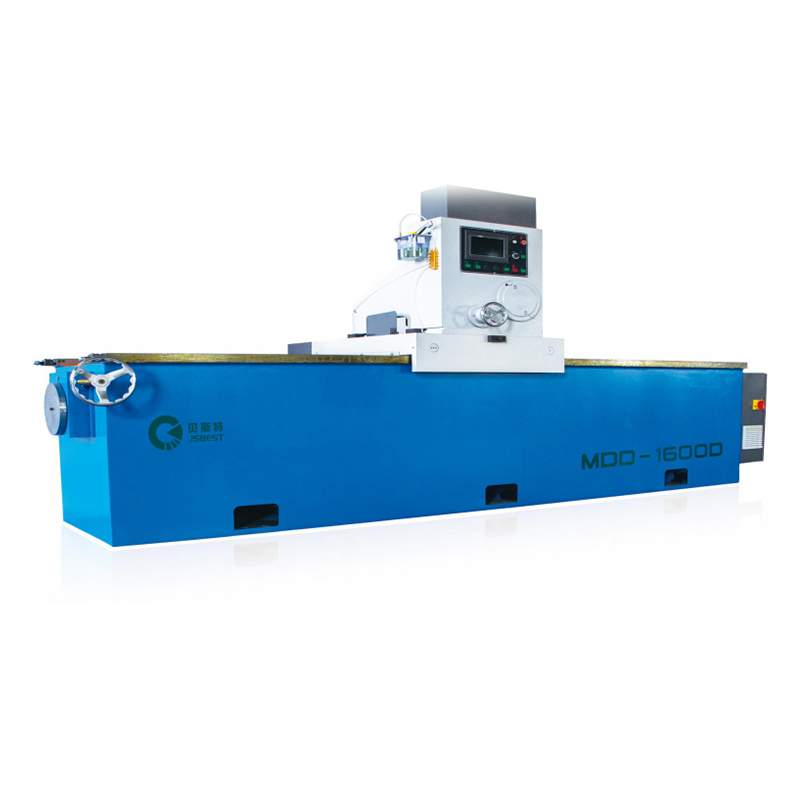
• The grinder adopts a gantry-type bed, high-quality steel plate welding, high-temperature tempering...
See Details -
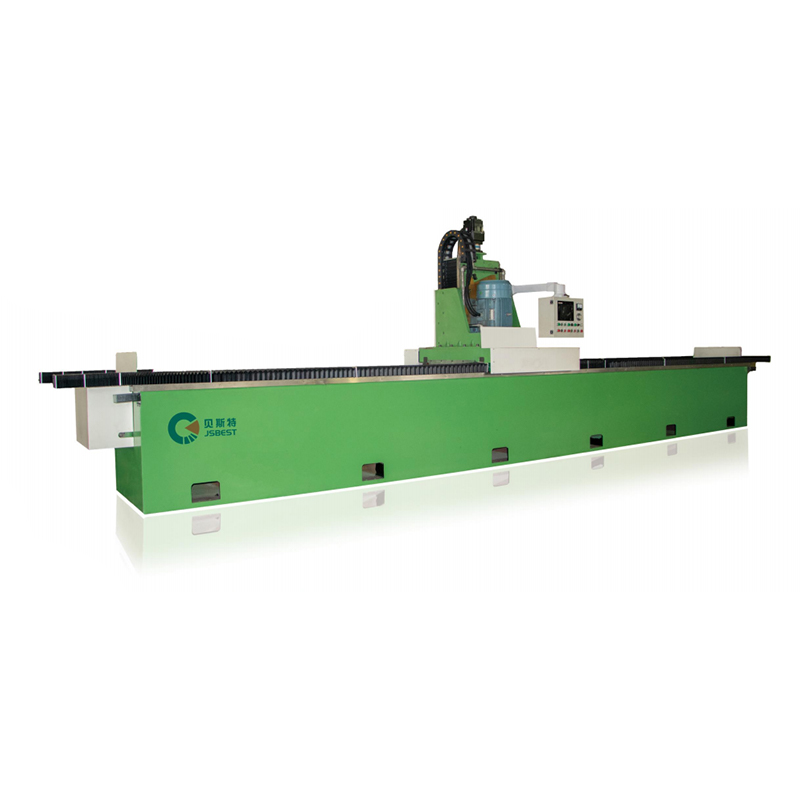
• A high-strength welded steel structure is adopted to eliminate the internal stress of the machine ...
See Details -
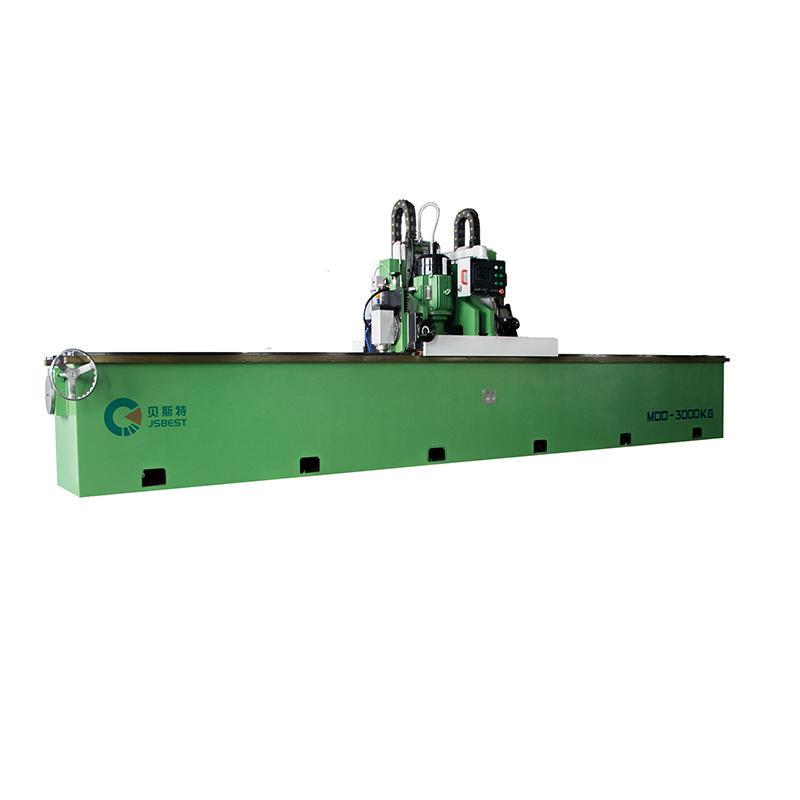
Double-Head Knife Grinding Machine is an efficient grinding equipment that combines rough grinding a...
See Details -
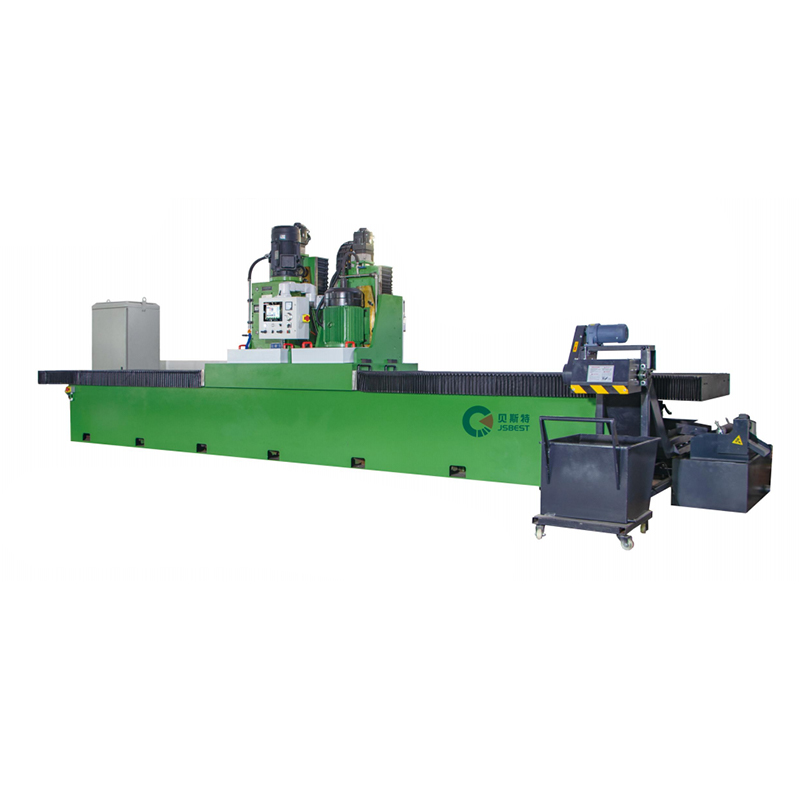
Heavy-Duty Surface Milling And Grinding Machine is an efficient processing equipment that integrates...
See Details -
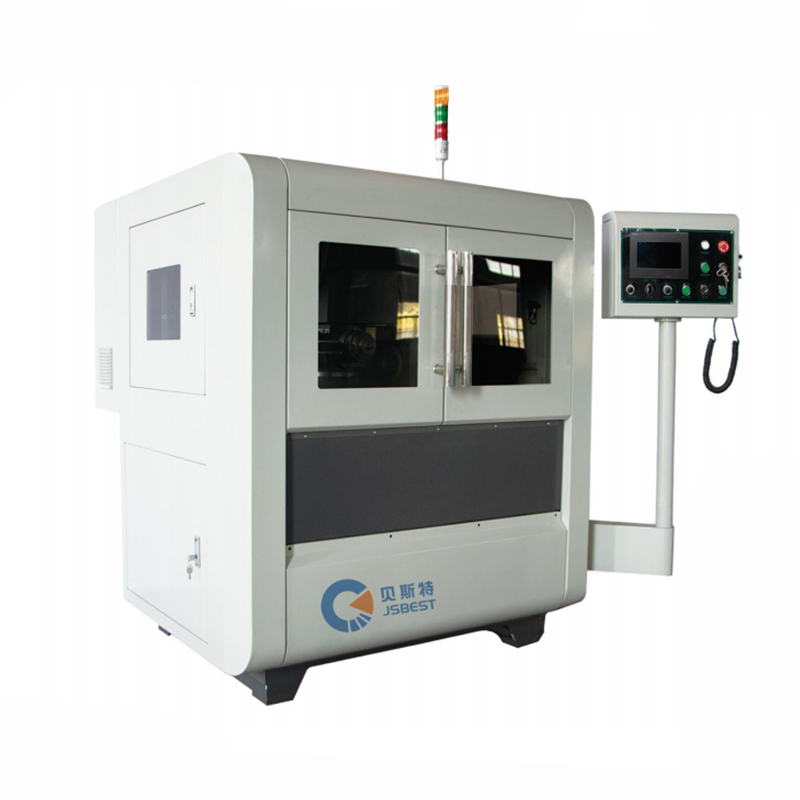
• This round knife grinder adopts a PLC program to control the automatic feeding part, which is easy...
See Details -
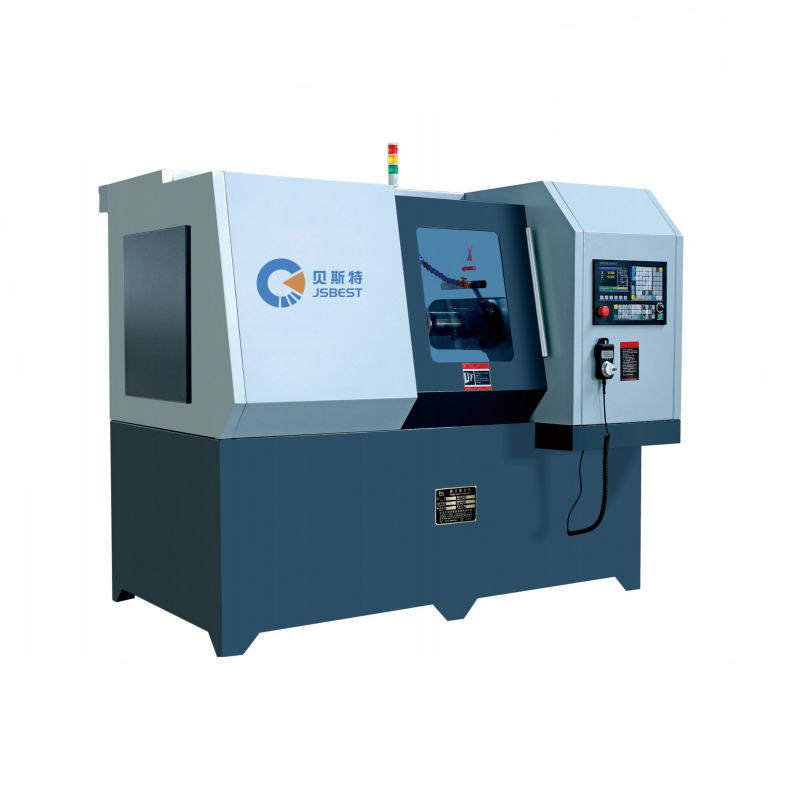
CNC Circular Knife Grinding Machine structural features:• High grinding accuracy, spindle and knife ...
See Details

- PRODUCT
- MDD Series Straight Knife Grinding Machine
- MYD Series Circular Knife Grinding Machine
- MCD Series Rewinding Knife Grinding Machine
- QUICK LINKS
- About Us
- Manufacturing
- Industry Solutions
- Downloads
- Contact
- CONTACT US
-
-
 No.99, Huanghai South Road, Tangyang Town, Dongtai City, Jiangsu Province, China
 -
 0086-13818631306
 -
 +86-515-85652988
 -

-

