


 English
  中文简体
中文简体 • The CNC Knife Grinding Machine adopts PLC program control, which is easy to operate, fast, stable,...
See DetailsWhich Materials Suit Straight Knife Grinding Machine Best?
Industry News-Content
- 1 1. What Abrasive Materials Are Ideal for Straight Knife Grinding Wheels?
- 2 2. What Materials Ensure the Durability of Straight Knife Grinding Machine Frames?
- 3 3. Which Materials Are Best for Knife Clamps to Secure Blades Without Damage?
- 4 4. What Heat-Resistant Materials Protect Grinding Machine Motors and Electrical Components?
- 5 5. How Do Lubricant Materials Enhance the Performance of Moving Parts in Straight Knife Grinding Machines?
Straight knife grinding machines are essential equipment in industries like woodworking, paper cutting, and textile manufacturing, responsible for sharpening straight-edged knives to maintain cutting precision and efficiency. The performance, durability, and sharpening quality of these machines largely depend on the materials used in their key components—from grinding wheels to machine frames. With a wide range of materials available, from metals to abrasives, which ones truly suit straight knife grinding machines best? This article will explore core questions about material selection, uncovering how the right materials enhance machine reliability, sharpening accuracy, and long-term usability.
1. What Abrasive Materials Are Ideal for Straight Knife Grinding Wheels?
The grinding wheel is the heart of a straight knife grinding machine, as it directly contacts the knife blade to remove material and restore sharpness. Choosing the right abrasive material for the wheel is critical to achieving smooth, precise sharpening without damaging the knife.
- Aluminum Oxide (Al₂O₃): A common abrasive material, aluminum oxide is well-suited for grinding high-carbon steel knives—one of the most widely used knife materials in woodworking and paper cutting. It has moderate hardness (Mohs hardness 9) and good toughness, meaning it can withstand the pressure of grinding without fracturing easily. Aluminum oxide wheels produce a smooth finish on steel blades, reducing the need for post-grinding polishing. They also have good heat dissipation, preventing the knife blade from overheating (which can weaken the metal and cause edge warping). For general-purpose straight knife sharpening, aluminum oxide is a cost-effective and reliable choice.
- Silicon Carbide (SiC): Silicon carbide is harder than aluminum oxide (Mohs hardness 9.5) and has stronger cutting power, making it ideal for grinding harder knife materials like stainless steel or tungsten carbide. Stainless steel blades are often used in food processing or humid environments (due to their rust resistance), but their high hardness can wear down aluminum oxide wheels quickly. Silicon carbide wheels cut through stainless steel efficiently, maintaining their abrasive properties longer. However, silicon carbide is more brittle than aluminum oxide, so it requires careful control of grinding pressure to avoid wheel chipping. It’s also effective for grinding non-metallic knife materials, such as ceramic blades used in precision cutting applications.
- Cubic Boron Nitride (CBN): For ultra-hard knife materials like high-speed steel (HSS) or polycrystalline diamond (PCD), CBN is the top choice. CBN has a Mohs hardness of ~9.8, second only to diamond, and excellent thermal stability—even at high grinding temperatures (up to 1,200°C), it doesn’t react with metal. This makes it ideal for sharpening HSS knives used in heavy-duty cutting (e.g., industrial textile cutting), where the blade must retain sharpness under high stress. CBN wheels have a long service life (up to 10 times longer than aluminum oxide for HSS grinding) and produce minimal heat, protecting the knife’s structural integrity. While more expensive, CBN is cost-effective for high-volume, precision sharpening tasks.
The best abrasive material depends on the knife’s material: aluminum oxide for standard steel, silicon carbide for hard metals/ceramics, and CBN for ultra-hard alloys.
2. What Materials Ensure the Durability of Straight Knife Grinding Machine Frames?
The machine frame provides structural support for all components (grinding wheel, knife clamp, motor) and must withstand vibration, pressure, and long-term use without deformation. A stable frame is essential for maintaining sharpening accuracy—even slight frame bending can cause the grinding wheel to misalign, leading to uneven knife edges.
- Cast Iron: Cast iron is a traditional and reliable choice for grinding machine frames. It has high rigidity (resistance to bending) and good vibration damping properties—critical for reducing machine shake during grinding. Vibration not only affects sharpening precision but also accelerates wear on the grinding wheel and motor. Cast iron’s density (7.2-7.8 g/cm³) helps absorb vibration, ensuring the wheel stays aligned with the knife blade. Additionally, cast iron is durable and resistant to corrosion (when properly painted or coated), making it suitable for factory environments where dust, oil, or moisture may be present. However, cast iron is heavy, which can make machine installation and movement more challenging—though this weight is a trade-off for stability.
- Welded Steel Alloys: High-strength steel alloys (e.g., A3 steel or 45# steel) welded into frame structures are increasingly used in modern grinding machines. These alloys have higher tensile strength than cast iron (up to 600 MPa vs. 250-350 MPa for cast iron) and can be shaped into more compact, lightweight frames without sacrificing rigidity. Welded steel frames are easier to manufacture in custom sizes (e.g., for large industrial straight knives) and are lighter than cast iron, simplifying transportation and installation. To enhance vibration damping, some steel frames are filled with polymer composites or fitted with rubber vibration isolators. They also resist rust well when treated with galvanization or powder coating.
For most applications, cast iron frames excel in vibration control, while welded steel alloys offer a lighter, more flexible alternative—both ensure long-term frame durability and sharpening precision.
3. Which Materials Are Best for Knife Clamps to Secure Blades Without Damage?
Knife clamps hold the straight knife in place during grinding, and their material must balance two needs: strong grip (to prevent the knife from slipping) and gentleness (to avoid scratching or deforming the blade). A poor-quality clamp material can damage the knife’s surface or cause misalignment, ruining the sharpening process.
- High-Strength Aluminum Alloys: Aluminum alloys (e.g., 6061 or 7075) are commonly used for knife clamps. They are lightweight yet strong enough to apply consistent pressure to the knife blade—6061 aluminum has a tensile strength of 276 MPa, sufficient to hold even thick industrial straight knives. Aluminum is also non-abrasive, so it won’t scratch the knife’s surface when clamped. Many aluminum clamps are anodized (a surface treatment that adds a hard, corrosion-resistant layer), further protecting both the clamp and the knife from wear. Additionally, aluminum’s thermal conductivity is low, so it doesn’t transfer heat from the grinding process to the knife blade—preventing thermal damage.
- Rubber-Coated Steel Clamps: For knives with delicate surfaces (e.g., polished stainless steel blades used in food processing), rubber-coated steel clamps are ideal. The steel core provides strong clamping force, while the rubber layer (usually nitrile rubber or silicone) creates a non-slip, scratch-resistant buffer between the clamp and the knife. Rubber also absorbs minor vibrations, keeping the knife stable during grinding. Nitrile rubber is oil-resistant, making it suitable for environments where cutting oils may be present on the knife blade. However, the rubber layer requires periodic inspection for wear—if it cracks or peels, it can expose the steel and risk scratching the knife.
Aluminum alloys work for most straight knives, while rubber-coated steel is better for delicate or polished blades—both materials ensure secure, damage-free clamping.
4. What Heat-Resistant Materials Protect Grinding Machine Motors and Electrical Components?
Grinding generates significant heat—from friction between the wheel and knife blade, and from the machine’s motor. Heat-resistant materials are essential to protect electrical components (e.g., wires, sensors, and motor windings) from overheating, which can cause short circuits or motor failure.
- Glass Fiber-Reinforced Plastics (GFRP): GFRP (also called fiberglass) is widely used for motor housings and electrical enclosures in grinding machines. It has excellent heat resistance (can withstand temperatures up to 200-250°C) and is an electrical insulator, preventing current leakage. GFRP is also lightweight and corrosion-resistant, making it suitable for covering motors that generate high heat during long grinding sessions. Unlike metal housings, GFRP doesn’t conduct heat, so it stays cool to the touch—reducing the risk of burns for operators. Additionally, GFRP is easy to mold into complex shapes, allowing for compact, space-saving designs around electrical components.
- Ceramic Insulators: For critical electrical parts (e.g., motor windings or sensor connectors), ceramic insulators are used to block heat and electricity. Ceramics (e.g., alumina ceramic) have ultra-high heat resistance (up to 1,600°C) and excellent electrical insulation properties. They prevent heat from the motor or grinding process from reaching sensitive wires, ensuring the machine’s electrical system operates safely. Ceramic insulators are also wear-resistant, so they don’t degrade over time—even in dusty, high-heat factory environments.
GFRP protects external electrical components, while ceramic insulators shield internal parts—together, they ensure the grinding machine’s electrical system remains safe and functional under high-heat conditions.
5. How Do Lubricant Materials Enhance the Performance of Moving Parts in Straight Knife Grinding Machines?
Moving parts (e.g., grinding wheel axles, clamp adjustment screws, and conveyor belts) require lubrication to reduce friction and wear. The right lubricant material can extend the life of these parts and maintain smooth machine operation—poor lubrication leads to stuck components, increased energy consumption, and premature failure.
- High-Temperature Grease: For parts that generate heat (e.g., grinding wheel axles, which spin at high speeds), high-temperature lithium grease or molybdenum disulfide (MoS₂) grease is ideal. Lithium grease can withstand temperatures up to 150-180°C and has good water resistance, preventing rust on metal axles. MoS₂ grease (containing solid molybdenum disulfide particles) offers even better heat resistance (up to 350°C) and reduces friction more effectively—making it suitable for heavy-duty grinding machines that run continuously. These greases form a durable film on moving parts, preventing metal-to-metal contact and wear.
- Dry Lubricants (PTFE Sprays): For parts where liquid grease may attract dust (e.g., clamp adjustment screws or sliding knife guides), dry lubricants like polytetrafluoroethylene (PTFE) sprays are better. PTFE forms a thin, dry film that reduces friction without leaving a sticky residue—dust and debris won’t cling to the surface, keeping the parts clean. PTFE has a low coefficient of friction (0.04) and can withstand temperatures up to 260°C, making it suitable for precision adjustment parts that require smooth, dust-free movement. Dry lubricants also require less frequent reapplication than liquid greases, reducing maintenance time.
High-temperature grease works for heat-generating moving parts, while dry PTFE sprays are ideal for dust-prone precision components—both lubricant types keep the machine running smoothly and extend part life.
Choosing the right materials for a straight knife grinding machine is a balance of performance, durability, and compatibility with the knives being sharpened. From abrasive grinding wheels (matched to knife material) to vibration-damping frames (ensuring precision) and heat-resistant electrical components (protecting safety), every material choice impacts the machine’s efficiency and longevity. For manufacturers and operators, understanding which materials suit each component helps select or maintain a grinding machine that delivers consistent, high-quality sharpening results—reducing downtime, minimizing knife damage, and ensuring long-term productivity. As grinding technology advances, new materials (such as advanced ceramic abrasives or lightweight, high-rigidity composites) may further improve machine performance, but the core principles of material compatibility and functionality remain key to success.
Related products
-
-

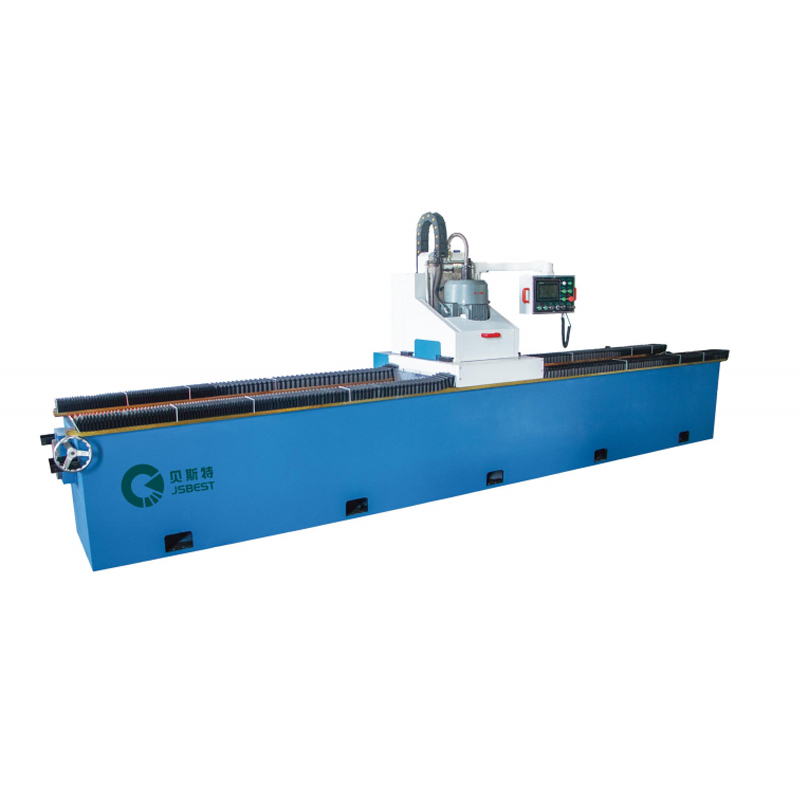
• The whole machine adopts a high-strength gantry-type welding structure, with a solid and compact o...
See Details -
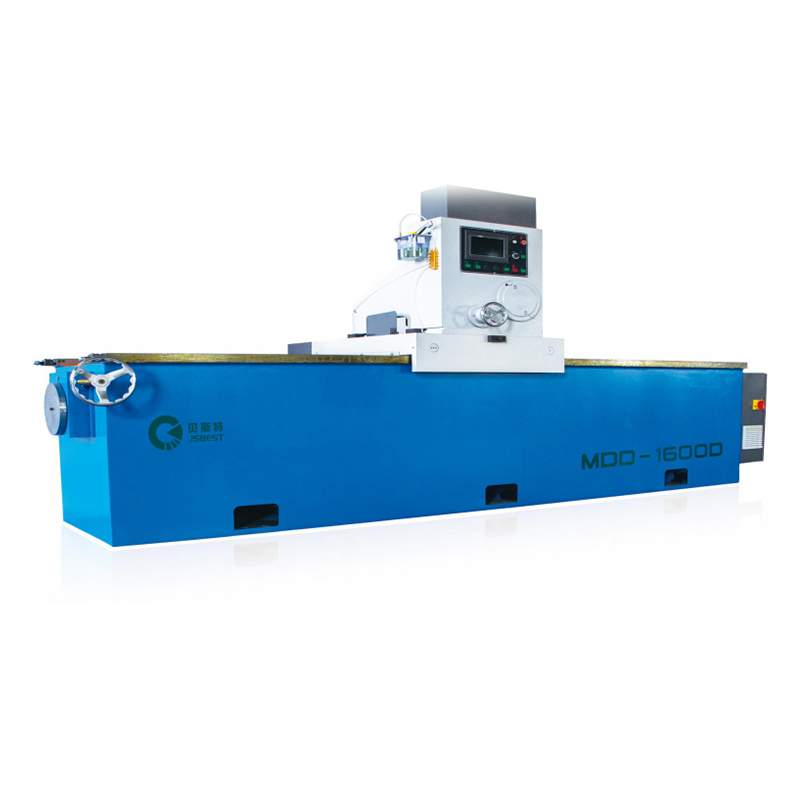
• The grinder adopts a gantry-type bed, high-quality steel plate welding, high-temperature tempering...
See Details -
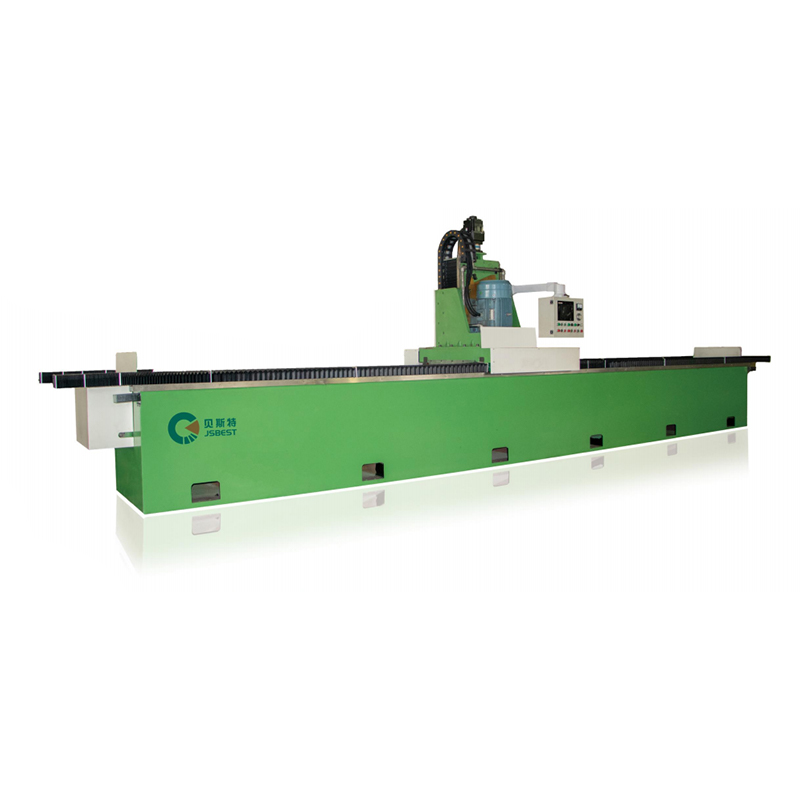
• A high-strength welded steel structure is adopted to eliminate the internal stress of the machine ...
See Details -
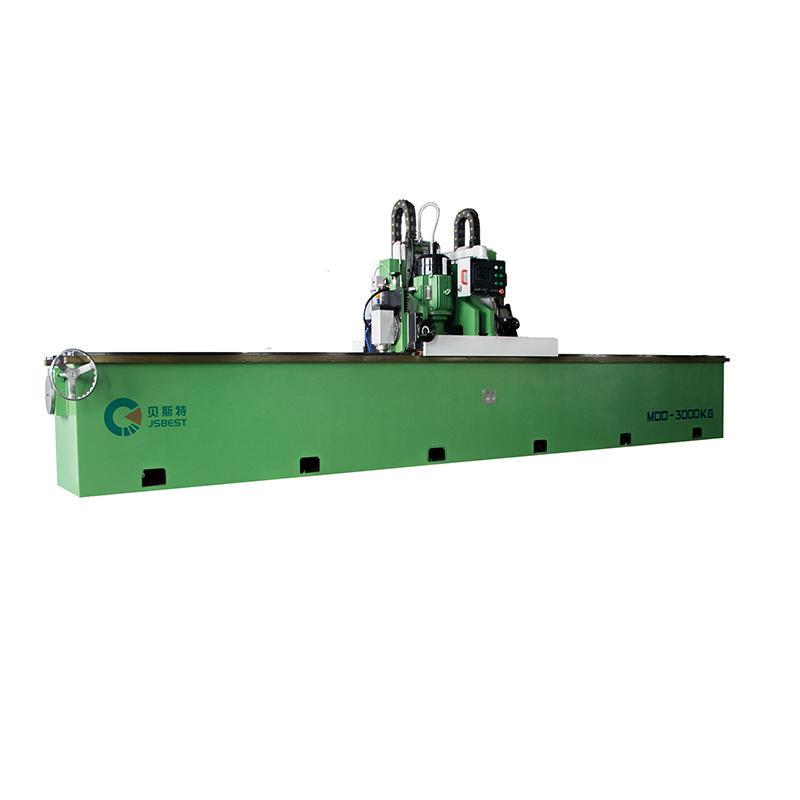
Double-Head Knife Grinding Machine is an efficient grinding equipment that combines rough grinding a...
See Details -
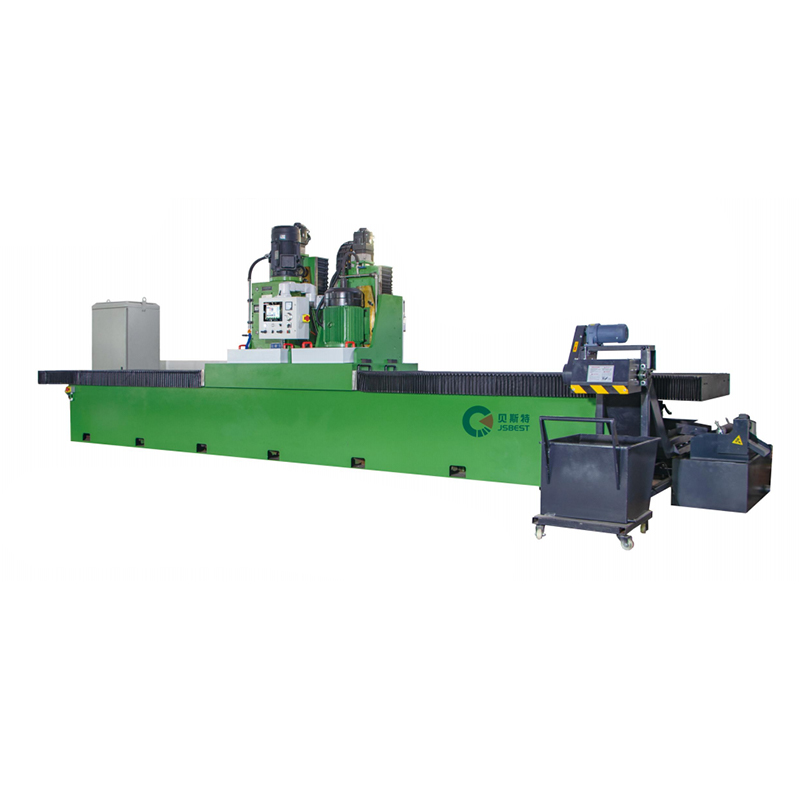
Heavy-Duty Surface Milling And Grinding Machine is an efficient processing equipment that integrates...
See Details -
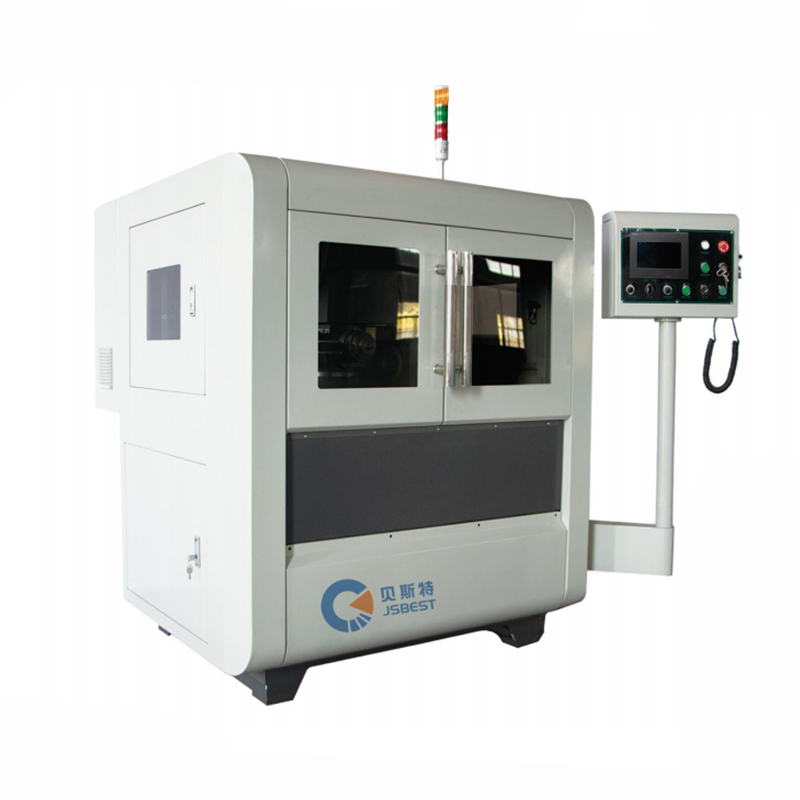
• This round knife grinder adopts a PLC program to control the automatic feeding part, which is easy...
See Details -
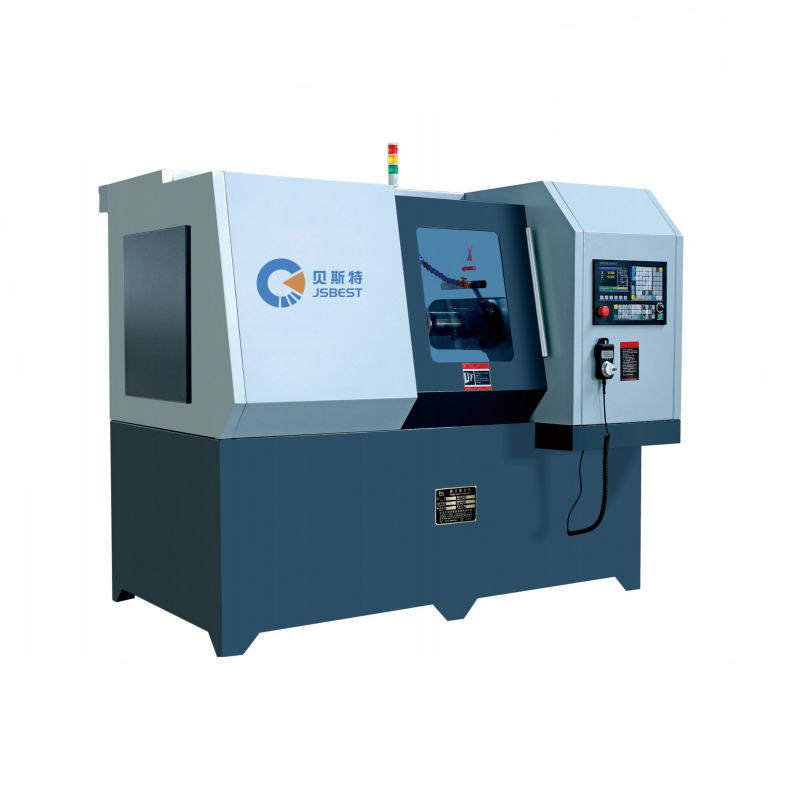
CNC Circular Knife Grinding Machine structural features:• High grinding accuracy, spindle and knife ...
See Details

- PRODUCT
- MDD Series Straight Knife Grinding Machine
- MYD Series Circular Knife Grinding Machine
- MCD Series Rewinding Knife Grinding Machine
- QUICK LINKS
- About Us
- Manufacturing
- Industry Solutions
- Downloads
- Contact
- CONTACT US
-
-
 No.99, Huanghai South Road, Tangyang Town, Dongtai City, Jiangsu Province, China
 -
 0086-13818631306
 -
 +86-515-85652988
 -

-

