


 English
  中文简体
中文简体 • The CNC Knife Grinding Machine adopts PLC program control, which is easy to operate, fast, stable,...
See DetailsAbout Circular Blade Grinders: In-depth Analysis of Precision Assurance and Blade-Machine Compatibility
Industry News-Content
- 1 What Core Components Are Crucial for Circular Blade Grinders to Ensure Grinding Precision?
- 2 Besides Core Components, What Process Parameters Affect the Grinding Precision of Circular Blade Grinders?
- 3 For Circular Blades of Different Materials, How to Select the Compatible Grinder Model?
- 4 From the Perspective of Blade Size and Application, How to Determine the Compatible Circular Blade Grinder Model?
In the field of industrial production, the grinding precision of circular blade grinders is directly related to the quality of subsequent processed products, and the compatibility between different blades and machine models also greatly affects production efficiency. So, how exactly do circular blade grinders ensure grinding precision? And which machine models should different types of blades be matched with? This article will conduct an in-depth discussion around these core issues.
What Core Components Are Crucial for Circular Blade Grinders to Ensure Grinding Precision?
To achieve high-precision grinding, the performance of core components plays a decisive role in circular blade grinders. First is the spindle system. As the key part that drives the grinding tool to rotate, the stability of its rotational speed and radial runout error directly affect the grinding precision. If the spindle shakes significantly during high-speed operation, the contact position between the grinding tool and the blade will be unstable, leading to deviations in the size of the ground blade. Currently, the spindles of high-quality circular blade grinders mostly use high-precision bearings, combined with strict dynamic balance correction, which can control the radial runout error within an extremely low range, usually 0.001 - 0.005 millimeters, laying a foundation for high-precision grinding.
Second, the guideway system is also of great importance. The guideway is the component that ensures the smooth movement of the grinding head or worktable, and its straightness and wear resistance directly affect the accuracy of the relative movement between the grinding tool and the blade during the grinding process. Guideways processed by quenching and precision grinding can not only effectively reduce wear and extend service life but also ensure that the grinding head maintains linear movement during the movement process, avoiding deviations in the grinding trajectory caused by guideway deformation or wear, and further improving grinding precision.
In addition, the control system is also one of the indispensable core components. With the development of automation technology, most modern circular blade grinders are equipped with numerical control (NC) systems. Through precise program control, they can realize the accurate adjustment of the grinding head feed rate, rotational speed, and worktable movement speed. Operators only need to input corresponding parameters according to the processing requirements of the blade, and the NC system can automatically complete the grinding process, avoiding errors caused by manual operation and greatly improving the consistency and stability of grinding precision.
Besides Core Components, What Process Parameters Affect the Grinding Precision of Circular Blade Grinders?
In addition to core components, the reasonable setting of process parameters also has an important impact on the grinding precision of circular blade grinders. Among them, grinding speed is one of the key parameters. Excessively high grinding speed will lead to a sharp increase in frictional heat between the grinding tool and the blade, which may cause thermal deformation of the blade and affect grinding precision; on the other hand, excessively low grinding speed will reduce grinding efficiency and make it difficult to ensure the surface roughness of the ground blade. Therefore, it is necessary to reasonably select the grinding speed according to the material, thickness, and grinding requirements of the blade. Generally, for cemented carbide blades, the grinding speed is controlled at 30 - 50 meters per second, while for high-speed steel blades, the grinding speed is appropriately reduced.
The feed rate is also an important process parameter affecting grinding precision. An excessively large feed rate will result in too much material being removed during each grinding pass, which is likely to cause large processing stress on the blade, leading to deformation and affecting dimensional precision; an excessively small feed rate, although it can improve grinding precision, will significantly reduce production efficiency. Generally speaking, in the rough grinding stage, a larger feed rate is selected to improve efficiency, while in the fine grinding stage, the feed rate is reduced to ensure grinding precision. Usually, the feed rate in the fine grinding stage is controlled at 0.005 - 0.02 millimeters per revolution.
In addition, the selection and use of grinding fluid also have an impact on grinding precision. Grinding fluid has the functions of cooling, lubrication, and chip removal. It can effectively reduce the frictional heat during the grinding process, reduce wear between the grinding tool and the blade, and at the same time, timely discharge the chips generated during grinding to avoid scratches on the blade surface caused by chips. If the cooling performance of the grinding fluid is poor, it will cause the blade temperature to be too high and deform; if the lubrication performance is poor, it will increase the friction between the grinding tool and the blade, affecting the surface quality of the ground blade. Therefore, it is necessary to select the appropriate type of grinding fluid according to the blade material and grinding process, and ensure sufficient supply and good circulation of the grinding fluid.
For Circular Blades of Different Materials, How to Select the Compatible Grinder Model?
Circular blades are made of a variety of materials, commonly including high-speed steel, cemented carbide, ceramics, etc. Blades of different materials have significant differences in physical properties and processing requirements, so it is necessary to select compatible grinder models. For high-speed steel circular blades, they have relatively low hardness and good toughness, so the requirements for the rigidity of the grinder during the grinding process are relatively low. Generally speaking, ordinary NC circular blade grinders can meet their grinding needs. Such grinders are usually equipped with ordinary grinding wheel tools, and through reasonable setting of grinding parameters, high-precision grinding of high-speed steel blades can be achieved. Moreover, the equipment cost is relatively low, making them suitable for small and medium-batch production.
For cemented carbide circular blades, they have high hardness and good wear resistance, but relatively high brittleness, and are prone to edge chipping during the grinding process. Therefore, higher requirements are placed on the rigidity and precision of the grinder. At this time, it is necessary to select a high-rigidity NC circular blade grinder. The bed and spindle system of such grinders are usually made of high-strength materials and undergo strict aging treatment to improve the rigidity and stability of the equipment and reduce vibration during the grinding process. At the same time, they need to be equipped with special diamond grinding wheel tools, because diamond grinding wheels have extremely high hardness and wear resistance, which can effectively grind cemented carbide materials and ensure grinding precision and efficiency. In addition, such grinders usually have more precise control systems, which can realize more accurate adjustment of grinding parameters to adapt to the processing requirements of cemented carbide blades.
For ceramic circular blades, they have higher hardness and wear resistance than cemented carbide, as well as good high-temperature resistance, but they are more brittle and extremely difficult to process. Therefore, it is necessary to select a high-precision circular blade grinder specially designed for ceramic material processing. Such grinders usually use super-hard grinding tools, such as cubic boron nitride (CBN) grinding wheels, combined with high-precision spindle and guideway systems, and advanced NC systems. They can realize micro-grinding of ceramic blades, effectively avoiding edge chipping and ensuring grinding precision. At the same time, such grinders are also equipped with special cooling systems to cope with the large amount of heat generated during the grinding of ceramics and prevent the blade from cracking due to excessive temperature.
From the Perspective of Blade Size and Application, How to Determine the Compatible Circular Blade Grinder Model?
In addition to material, the size and application of circular blades are also important bases for determining the compatible grinder model. In terms of size, for small circular blades (e.g., diameter less than 100 millimeters), due to their small size, the requirements for the processing range of the grinder during grinding are relatively low. Generally, a small NC circular blade grinder can be selected. Such grinders have a small worktable stroke and grinding head processing range, compact structure, and flexible operation. They can accurately complete the grinding of small blades and occupy a small area, making them suitable for production scenarios with limited workshop space.
For large circular blades (e.g., diameter greater than 300 millimeters), a large circular blade grinder needs to be selected. Large grinders usually have a larger worktable area and longer guideway stroke, which can accommodate large blades for processing. At the same time, their spindle power and rigidity are stronger, which can meet the requirements for grinding force during the grinding of large blades and avoid a decrease in grinding precision caused by insufficient equipment rigidity. In addition, large circular blade grinders may also be equipped with special workpiece clamping devices to ensure the stability of large blades during the grinding process and prevent the blade from shaking and affecting processing precision.
In terms of application, circular blades used for metal cutting (such as those for lathes and milling machines) have high requirements for edge precision and surface roughness, so it is necessary to select an NC circular blade grinder with fine grinding function. Such grinders are usually equipped with multiple sets of grinding wheels, which can realize continuous processing of rough grinding, semi-fine grinding, and fine grinding. They can effectively ensure the sharpness and precision of the blade edge and meet the application requirements of metal cutting.
For circular blades used for cutting non-metallic materials such as paper and plastic, the requirements for edge precision are relatively low, but the requirements for blade flatness are relatively high. At this time, an ordinary circular blade grinder can be selected. Through reasonable setting of grinding parameters, the flatness of the blade can be ensured to meet the application requirements. In addition, such grinders may also be equipped with special polishing devices to improve the smoothness of the blade surface and reduce the adhesion of non-metallic materials during the cutting process.
Related products
-
-

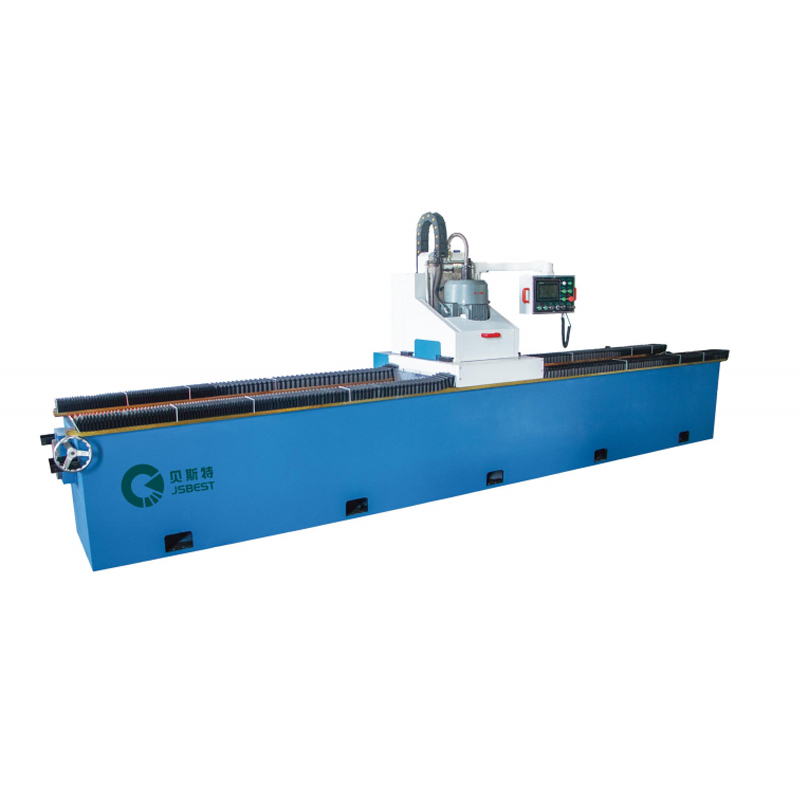
• The whole machine adopts a high-strength gantry-type welding structure, with a solid and compact o...
See Details -
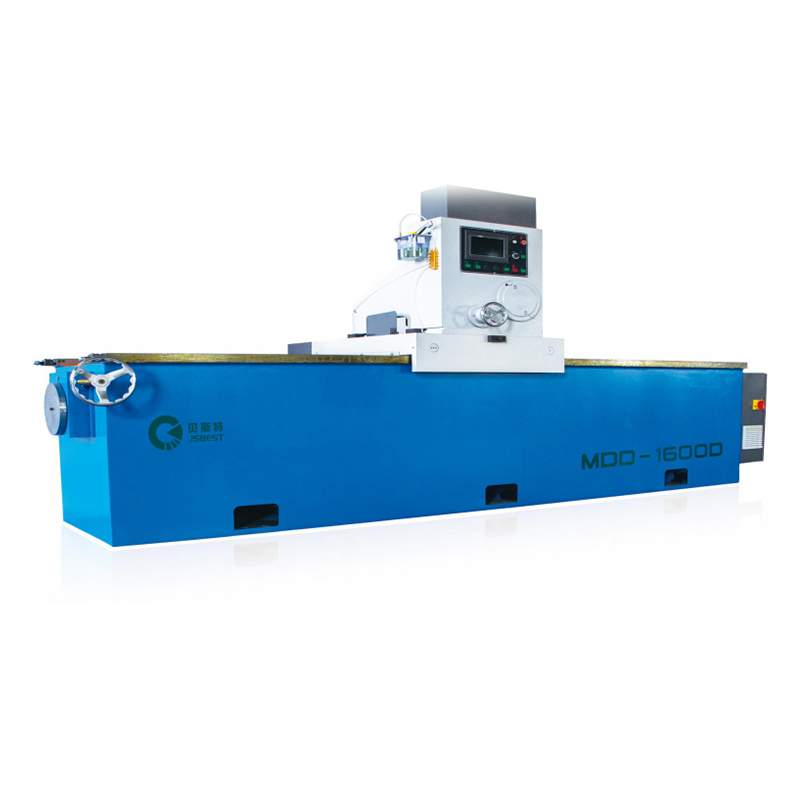
• The grinder adopts a gantry-type bed, high-quality steel plate welding, high-temperature tempering...
See Details -
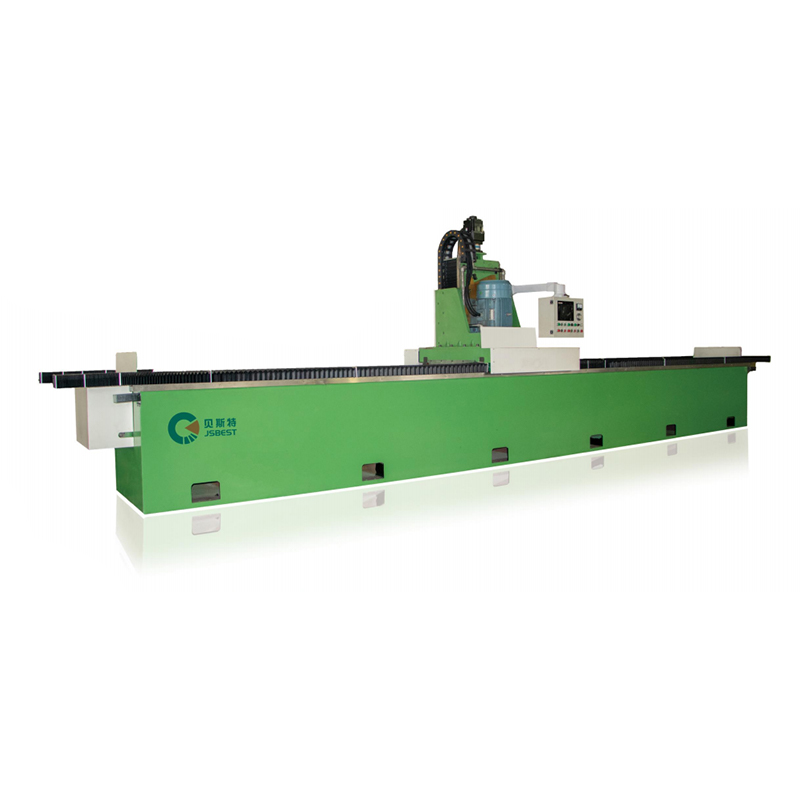
• A high-strength welded steel structure is adopted to eliminate the internal stress of the machine ...
See Details -
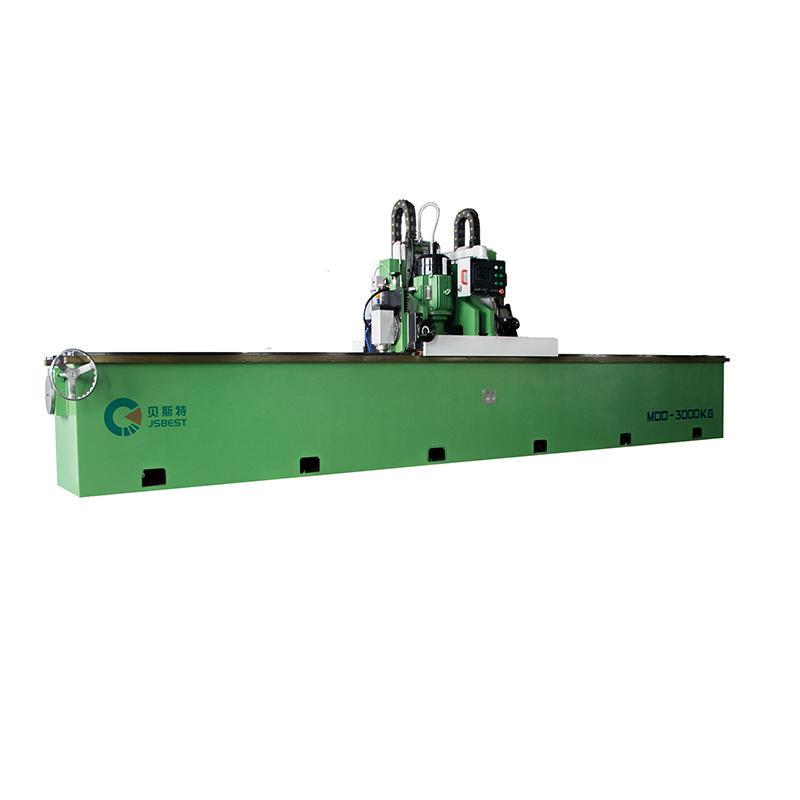
Double-Head Knife Grinding Machine is an efficient grinding equipment that combines rough grinding a...
See Details -
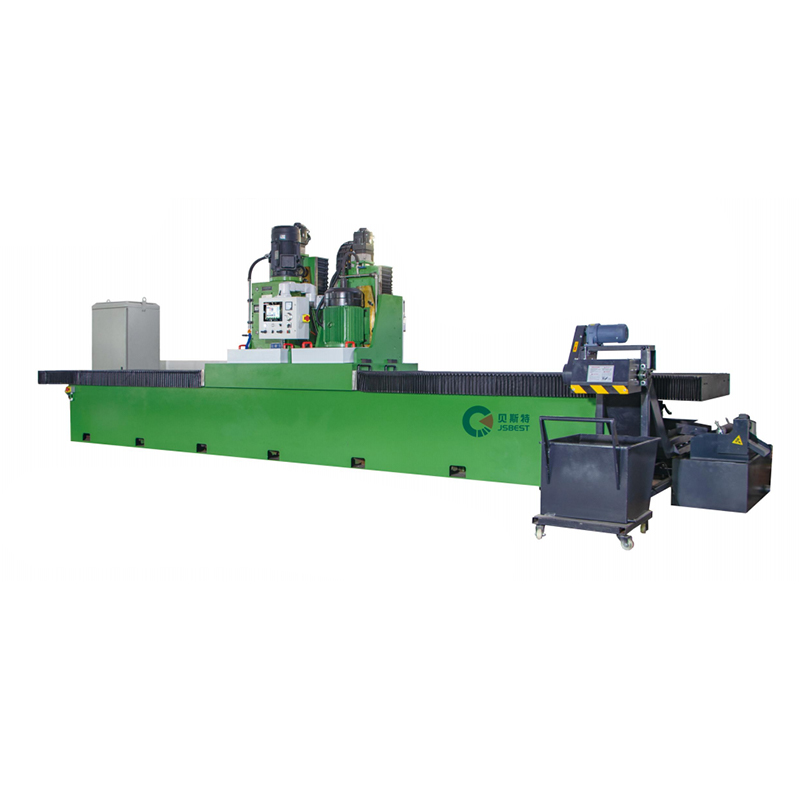
Heavy-Duty Surface Milling And Grinding Machine is an efficient processing equipment that integrates...
See Details -
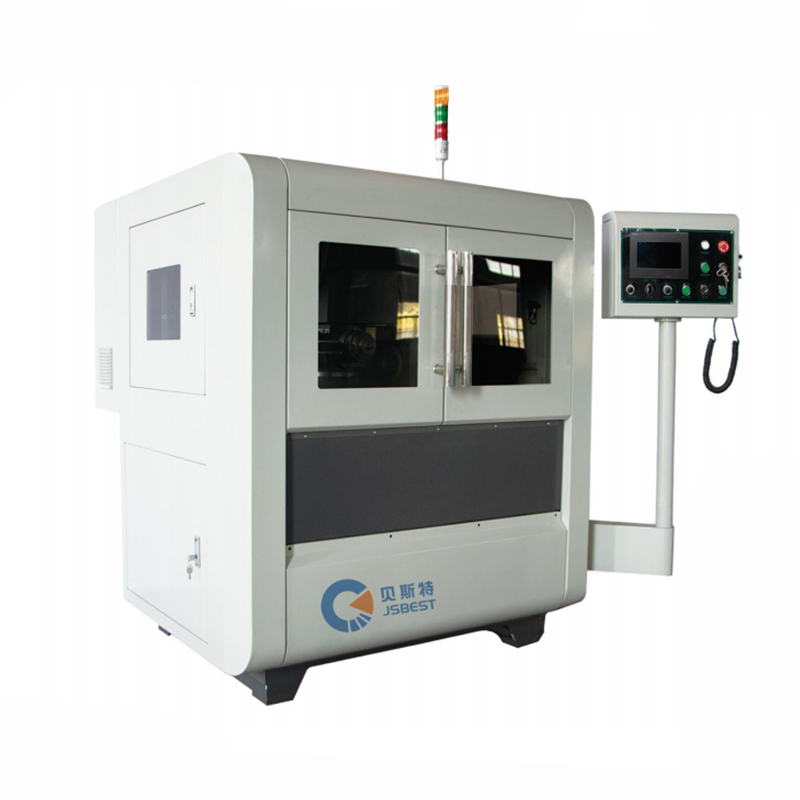
• This round knife grinder adopts a PLC program to control the automatic feeding part, which is easy...
See Details -
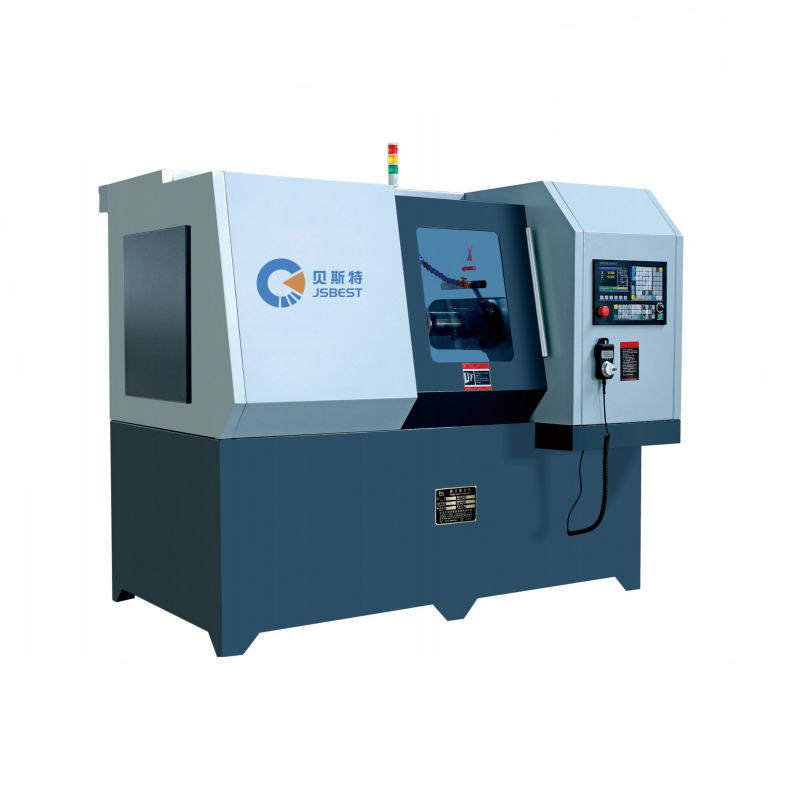
CNC Circular Knife Grinding Machine structural features:• High grinding accuracy, spindle and knife ...
See Details

- PRODUCT
- MDD Series Straight Knife Grinding Machine
- MYD Series Circular Knife Grinding Machine
- MCD Series Rewinding Knife Grinding Machine
- QUICK LINKS
- About Us
- Manufacturing
- Industry Solutions
- Downloads
- Contact
- CONTACT US
-
-
 No.99, Huanghai South Road, Tangyang Town, Dongtai City, Jiangsu Province, China
 -
 0086-13818631306
 -
 +86-515-85652988
 -

-

