


 English
  中文简体
中文简体 • The CNC Knife Grinding Machine adopts PLC program control, which is easy to operate, fast, stable,...
See DetailsWhy Do Automatic Paper Cutting Knife Grinding Machines Save Time for Printing Factories?
Industry News-Content
- 1 What Are the Time-Consuming Pain Points of Manual Paper Knife Grinding in Printing Factories?
- 2 How Do Automatic Grinding Machines Streamline the Knife Grinding Process?
- 3 What Additional Time-Saving Features Do Automatic Grinding Machines Offer?
- 4 How Does Time Savings from Automatic Grinding Translate to Printing Factory Productivity?
What Are the Time-Consuming Pain Points of Manual Paper Knife Grinding in Printing Factories?
To understand why automatic grinding machines are time-savers, we first need to identify the inefficiencies of manual knife grinding—the traditional method used in many small to mid-sized printing factories. Printing factories rely on sharp paper-cutting knives (often 1–3 meters long, used in guillotine cutters) to process large batches of paper, cardboard, or printed materials. Dull knives cause uneven cuts, paper jams, and material waste, so regular grinding (every 8–12 hours of use) is essential. Manual grinding, however, creates three major time bottlenecks:
- Labor-Intensive Disassembly and Reassembly:
Manual grinding requires workers to first remove the dull knife from the guillotine cutter—a process that takes 20–30 minutes for a standard 2-meter knife. The knife must be unbolted, lifted (often requiring two workers due to weight), and transported to a grinding station. After grinding, the reverse process (reinstalling, aligning, and tightening the knife) takes another 25–35 minutes. This total 45–65 minutes of disassembly/reassembly per grind is pure downtime for the guillotine cutter—time when the machine can’t process any paper.
- Slow, Inconsistent Grinding Speed:
Manual grinding uses a handheld or semi-fixed grinder, where workers manually guide the grinder along the knife’s edge. A 2-meter knife takes 40–60 minutes to grind evenly, as workers must maintain a consistent angle (usually 20–25 degrees) and pressure to avoid over-grinding or uneven edges. Fatigue sets in during long grinding sessions, slowing down the process further—some workers take 70+ minutes for longer knives. By contrast, automatic machines grind the same knife in a fraction of the time.
- Frequent Re-Grinding Due to Poor Precision:
Manual grinding lacks precision—even skilled workers struggle to maintain a uniform edge angle and sharpness across the entire knife length. Dull spots or uneven edges mean the knife needs to be re-ground after just 4–6 hours of use (instead of the ideal 8–12 hours). This doubles the frequency of grinding sessions, adding more downtime to the factory’s schedule. For example, a factory using manual grinding might grind a knife 3 times per day, while an automatic machine allows 1–2 grinds per day.
These inefficiencies add up: a single manual grinding cycle (disassembly + grinding + reassembly) takes 1.5–2.5 hours, and frequent re-grinds mean the guillotine cutter is out of service for 4.5–7.5 hours per day. Automatic grinding machines eliminate these bottlenecks by streamlining every step of the process.
How Do Automatic Grinding Machines Streamline the Knife Grinding Process?
Automatic paper knife grinding machines are engineered to reduce or eliminate the time-consuming steps of manual grinding. Their core design focuses on automating disassembly/reassembly, speeding up grinding, and ensuring precision—all of which cut down total grinding time significantly:
1. Integrated or Semi-Integrated Design Reduces Disassembly Time
Many modern automatic grinding machines are semi-integrated with guillotine cutters or feature quick-release mechanisms that eliminate the need for full knife disassembly:
- Semi-Integrated Models: These machines attach directly to the guillotine cutter’s knife holder. Workers simply loosen the knife’s locking bolts (5–10 minutes) and activate the grinder—no need to remove or transport the knife. After grinding, the knife is tightened back in place (another 5–10 minutes), cutting disassembly/reassembly time from 45–65 minutes to 10–20 minutes.
- Full-Automatic Integrated Models: High-end machines (used in large printing factories) have a built-in knife handling system—robotic arms that automatically unbolt, lift, and position the knife for grinding, then reinstall it. This reduces disassembly/reassembly time to 3–5 minutes, as no human labor is needed for these steps.
2. Automated Grinding Paths Speed Up Edge Sharpening
Automatic machines use computer-controlled (CNC) grinding heads that follow a pre-programmed path along the knife’s edge. This automation delivers three time-saving benefits:
- Faster Grinding Speed: A CNC grinding head moves at a consistent speed of 0.5–1 meter per minute—meaning a 2-meter knife takes just 2–4 minutes to grind (vs. 40–60 minutes manually). The grinding head maintains constant pressure and angle, so no time is wasted on corrections or slow, careful movements.
- Simultaneous Multi-Edge Grinding: Some automatic machines grind both sides of the knife edge at once (manual grinding requires grinding one side, then flipping the knife and grinding the other). This cuts grinding time in half for double-edged knives—common in high-volume printing factories.
- No Worker Supervision: Unlike manual grinding, which requires a worker to monitor and guide the process the entire time, automatic machines operate independently. Workers can use the 2–4 minutes of grinding time to perform other tasks (e.g., preparing paper batches, inspecting finished products), eliminating labor idle time.
3. Precision Grinding Reduces Re-Grind Frequency
Automatic machines use sensors and CNC programming to ensure a uniform edge angle (±0.1 degrees) and sharpness (measured by edge radius, typically 0.01–0.02 mm) across the entire knife. This precision extends the knife’s usable life from 4–6 hours (manual grind) to 8–12 hours (automatic grind). For a factory running two 8-hour shifts per day, this means:
- Manual Grinding: 3 grinds per day (every 5–6 hours), totaling 4.5–7.5 hours of downtime.
- Automatic Grinding: 1–2 grinds per day (every 8–12 hours), totaling 0.5–1.5 hours of downtime.
The reduction in re-grind frequency alone saves 4–6 hours of guillotine cutter downtime per day—time that can be used to process more paper and increase production output.
What Additional Time-Saving Features Do Automatic Grinding Machines Offer?
Beyond streamlining the core grinding process, automatic machines include features that address other time-consuming tasks in printing factories, further boosting efficiency:
1. Automatic Knife Edge Inspection and Adjustment
Manual grinding requires workers to stop and inspect the knife edge multiple times (e.g., using a magnifying glass or feeler gauge) to check for sharpness and evenness—this adds 5–10 minutes per grind. Automatic machines have built-in optical sensors or laser edge detectors that:
- Continuously monitor the knife edge during grinding.
- Adjust the grinding head’s pressure or angle in real time if unevenness is detected (e.g., if a spot is duller than others).
- Send a notification when grinding is complete (no need for manual inspection).
This eliminates inspection time and ensures the knife is perfectly sharp on the first grind, reducing the risk of re-grinding due to poor quality.
2. Batch Processing and Scheduling
Large printing factories often have multiple paper-cutting knives (5–10 per guillotine cutter, or 20+ across multiple cutters). Automatic machines support batch grinding—they can process multiple knives in sequence without human intervention. For example:
- A worker loads 3 dull knives into the machine’s holding tray.
- The machine automatically grinds each knife (2–4 minutes per knife) and sorts sharpened knives into a separate tray.
- The worker returns 30 minutes later to collect all sharpened knives, instead of monitoring each grind individually.
Some advanced models also integrate with the factory’s production management software, allowing workers to schedule grinding sessions during low-demand periods (e.g., between shifts or during material changes). This ensures grinding doesn’t interfere with peak production times, maximizing overall factory efficiency.
3. Reduced Material Waste (Less Rework Time)
Dull or unevenly sharpened knives cause material waste—uneven cuts, torn paper, or misaligned stacks that need to be re-cut or discarded. Manual grinding leads to 5–10% material waste per batch, as workers often have to reprocess flawed materials. Automatic grinding produces consistently sharp knives that cut cleanly, reducing waste to 1–2% per batch.
Less waste means less time spent on rework: instead of spending 15–20 minutes re-cutting a batch of torn paper, workers can move directly to the next task. Over a day, this saves 30–60 minutes of rework time per guillotine cutter.
4. Low Maintenance Requirements
Manual grinders require frequent maintenance (e.g., replacing worn grinding wheels, adjusting alignment) which takes 10–15 minutes per day. Automatic machines are designed for durability:
- They use high-quality, long-lasting grinding wheels (last 100–200 grinds vs. 20–30 grinds for manual wheels).
- Self-lubricating components reduce the need for daily maintenance.
- Built-in diagnostic systems alert workers to potential issues (e.g., a worn wheel) before they cause downtime, allowing maintenance to be scheduled during off-hours.
This cuts maintenance time from 10–15 minutes per day to 5–10 minutes per week, freeing up workers for more productive tasks.
How Does Time Savings from Automatic Grinding Translate to Printing Factory Productivity?
The time saved by automatic grinding machines isn’t just “extra time”—it directly translates to higher productivity, faster turnaround times, and increased revenue for printing factories. Here’s how the numbers add up for a typical mid-sized factory with 2 guillotine cutters:
1. Increased Guillotine Cutter Uptime
- Manual Grinding: Each cutter is out of service for 4.5–7.5 hours per day (grinding + downtime). Over a 16-hour shift, this means 8.5–11.5 hours of productive time per cutter.
- Automatic Grinding: Each cutter is out of service for 0.5–1.5 hours per day. Over a 16-hour shift, this means 14.5–15.5 hours of productive time per cutter.
The extra 6–7 hours of daily uptime per cutter allows the factory to process 30–40% more paper batches. For example, if each cutter processes 10 batches per hour, automatic grinding adds 60–70 more batches per day across 2 cutters.
2. Faster Turnaround for Client Orders
Printing factories often face tight deadlines (e.g., a client needing 10,000 printed flyers in 2 days). Manual grinding’s downtime can delay order completion—if a cutter is out of service for 7 hours, the factory may miss the deadline or need to pay overtime to catch up. Automatic grinding’s fast, efficient process ensures cutters are always available, allowing the factory to meet deadlines without overtime. This not only improves client satisfaction but also reduces labor costs (no overtime pay).
3. Reduced Labor Costs (Time Reallocated to High-Value Tasks)
Manual grinding requires 1–2 full-time workers per shift to handle disassembly, grinding, and reassembly. Automatic machines reduce this to 0.2–0.5 workers per shift (workers only need to load/unload knives and monitor the machine occasionally). The freed-up labor can be reallocated to high-value tasks, such as quality control, machine maintenance, or client communication—tasks that improve the factory’s overall efficiency and output.
For example, reallocating 1 worker from grinding to quality control can reduce material waste by another 2–3%, further increasing productivity.
4. Longer Knife Lifespan (Less Time Spent on Knife Replacement)
Manual grinding’s uneven edge wear shortens knife lifespan—knives need to be replaced every 2–3 months (costing \(200–\)500 per knife). Automatic grinding’s precise edge maintenance extends knife lifespan to 4–6 months, cutting replacement frequency in half. This saves time spent on ordering, receiving, and replacing knives (1–2 hours per replacement) and reduces material costs.
In summary, automatic paper cutting knife grinding machines save time for printing factories by eliminating manual disassembly/reassembly bottlenecks, speeding up grinding with CNC automation, reducing re-grind frequency via precision, and cutting maintenance/rework time. These time savings translate to higher guillotine cutter uptime, faster order turnaround, and reduced labor costs—making automatic grinding machines a critical investment for factories looking to boost productivity in a competitive printing industry.
Related products
-
-

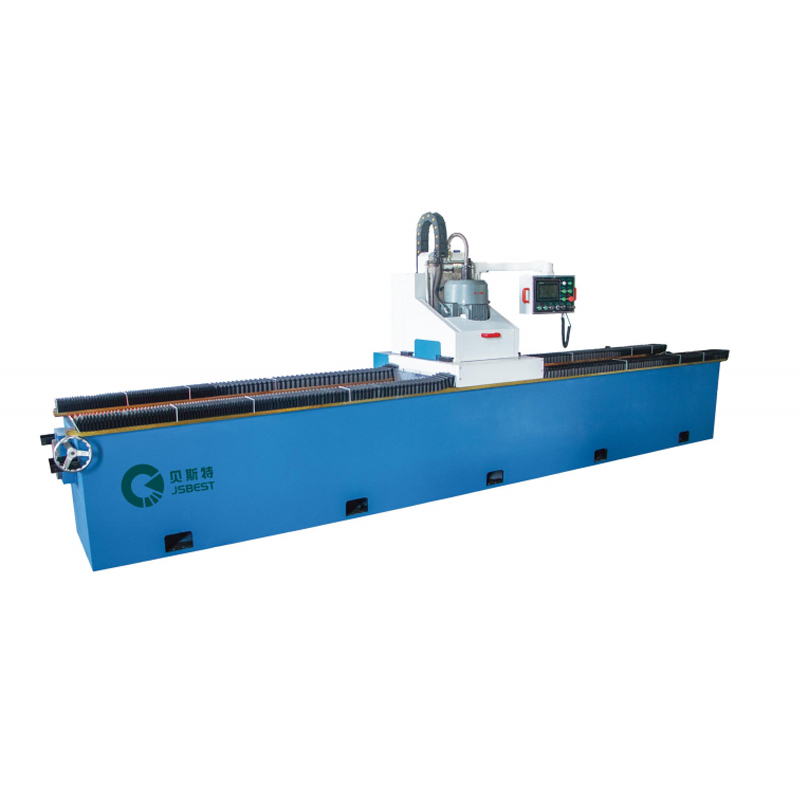
• The whole machine adopts a high-strength gantry-type welding structure, with a solid and compact o...
See Details -
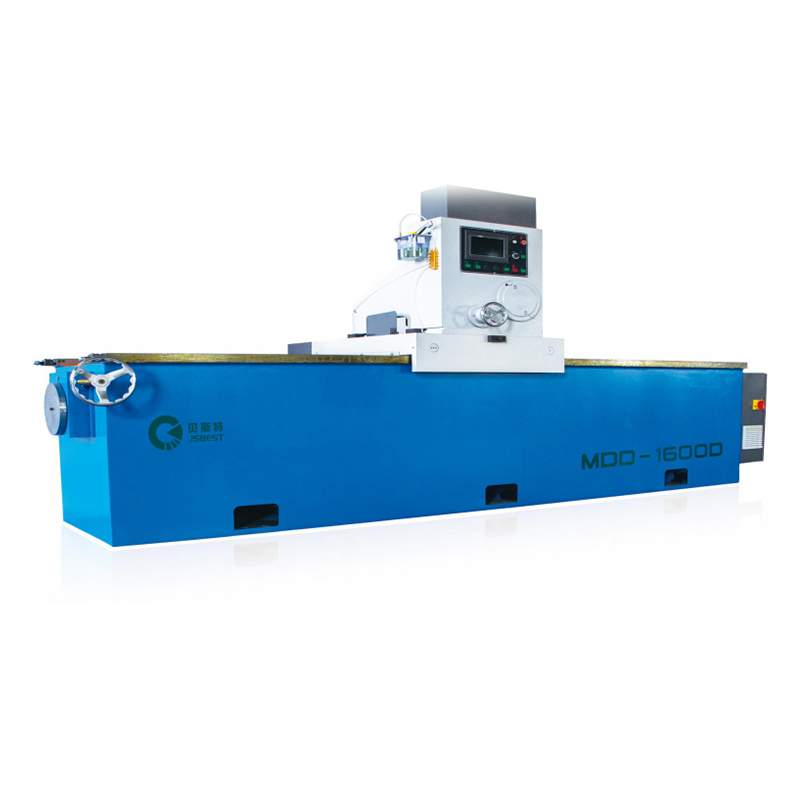
• The grinder adopts a gantry-type bed, high-quality steel plate welding, high-temperature tempering...
See Details -
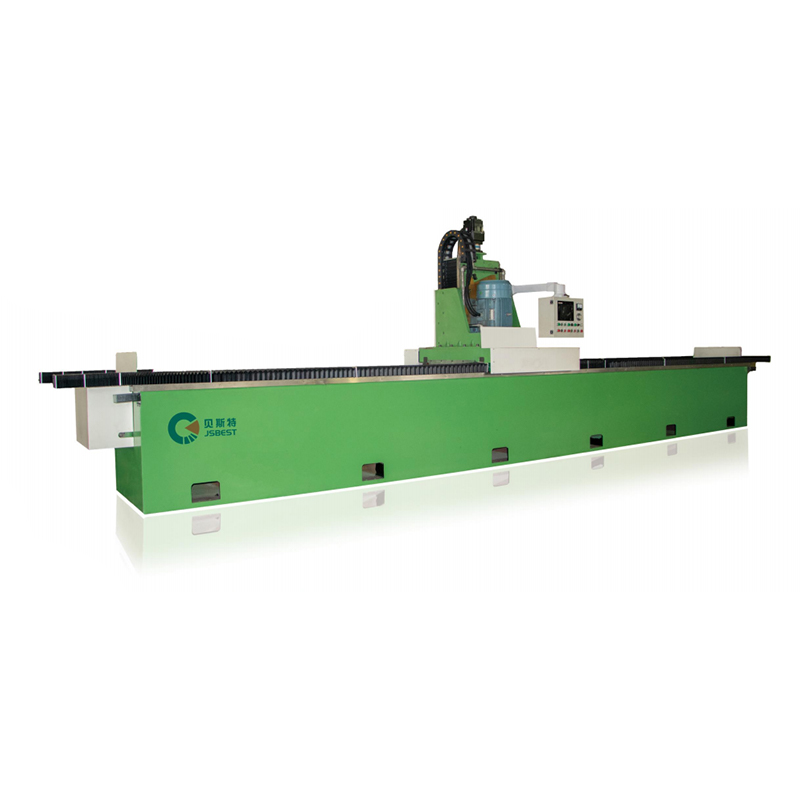
• A high-strength welded steel structure is adopted to eliminate the internal stress of the machine ...
See Details -
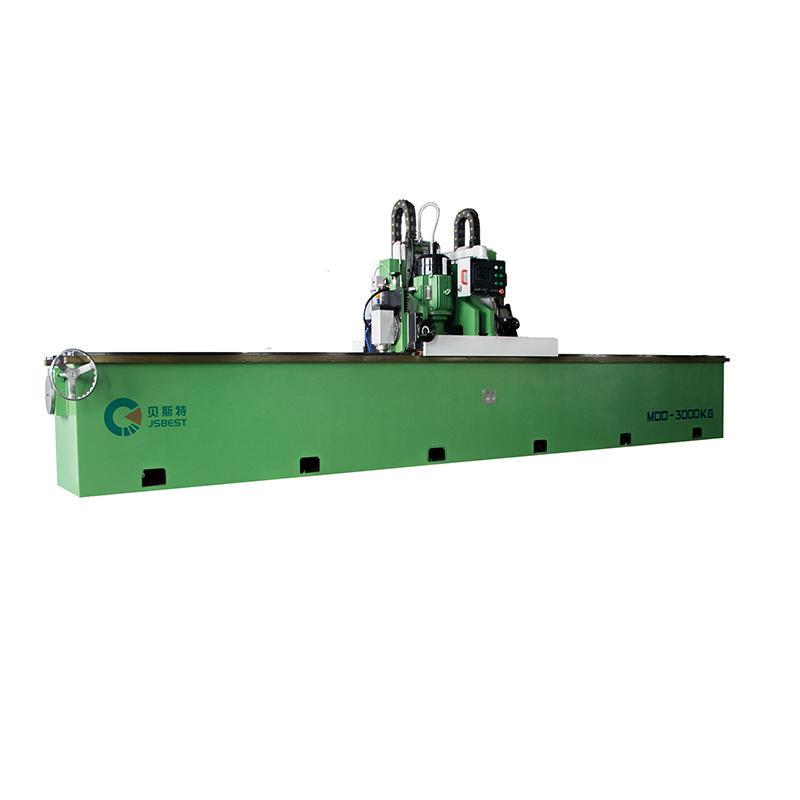
Double-Head Knife Grinding Machine is an efficient grinding equipment that combines rough grinding a...
See Details -
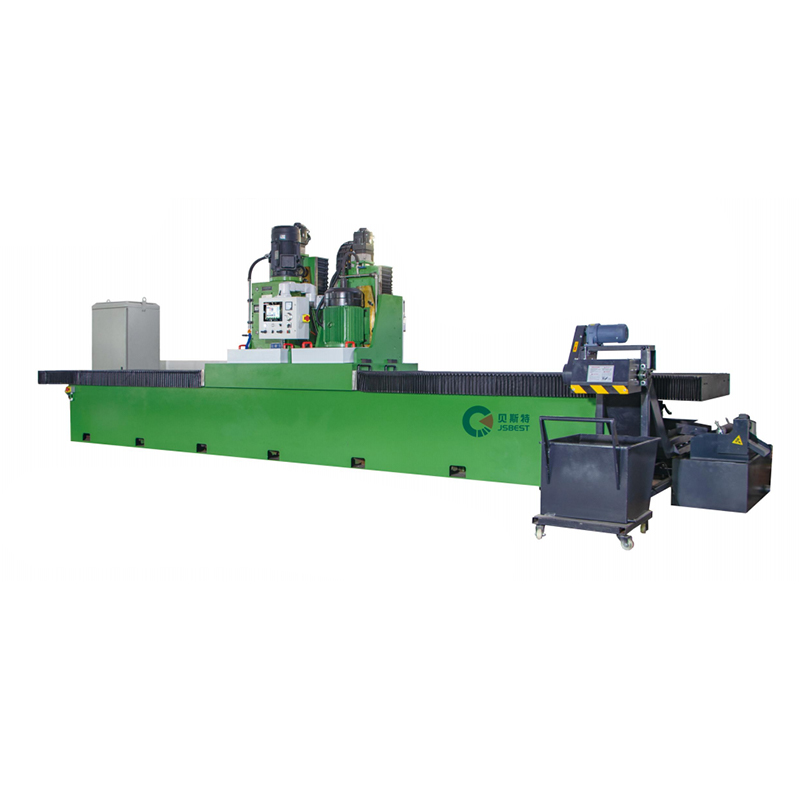
Heavy-Duty Surface Milling And Grinding Machine is an efficient processing equipment that integrates...
See Details -
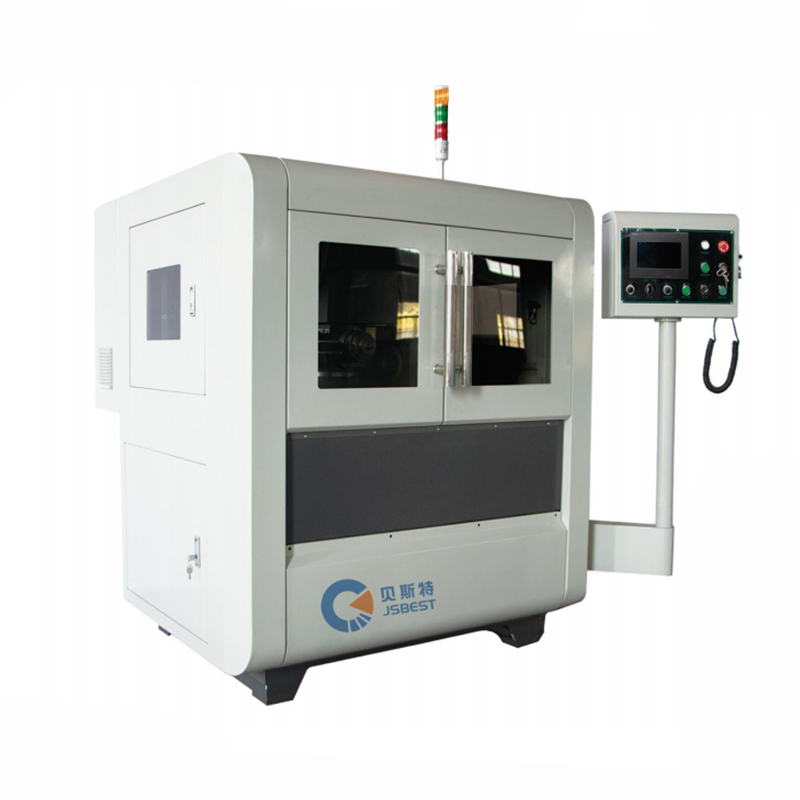
• This round knife grinder adopts a PLC program to control the automatic feeding part, which is easy...
See Details -
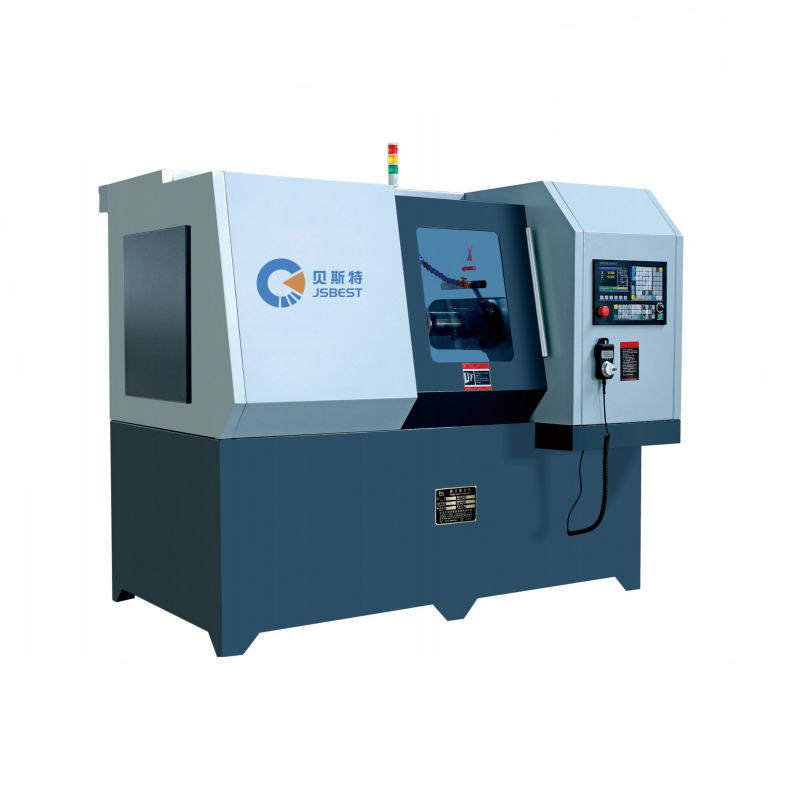
CNC Circular Knife Grinding Machine structural features:• High grinding accuracy, spindle and knife ...
See Details

- PRODUCT
- MDD Series Straight Knife Grinding Machine
- MYD Series Circular Knife Grinding Machine
- MCD Series Rewinding Knife Grinding Machine
- QUICK LINKS
- About Us
- Manufacturing
- Industry Solutions
- Downloads
- Contact
- CONTACT US
-
-
 No.99, Huanghai South Road, Tangyang Town, Dongtai City, Jiangsu Province, China
 -
 0086-13818631306
 -
 +86-515-85652988
 -

-

