


 English
  中文简体
中文简体 • The CNC Knife Grinding Machine adopts PLC program control, which is easy to operate, fast, stable,...
See DetailsWhat are the precautions for using a Straight Knife Grinding Machine?
Industry News-Content
Using a straight knife grinding machine safely and effectively requires attention across five key areas: correct blade clamping and alignment, grinding wheel condition, heat management, personal protective equipment, and post-grinding inspection. Neglecting any one of these areas can result in blade damage, machine damage, or operator injury. The sections below cover each area in practical detail.
Pre-Operation: Blade Loading and Fixture Setup
Proper blade loading is the foundation of both safety and grinding quality. Errors at this stage lead to uneven grinding, blade distortion, and potential ejection of the blade during operation.
- Inspect the blade before loading: Check the blade for existing chips, cracks, or warping before placing it on the machine. A cracked blade can fracture during grinding and become a projectile hazard. Never grind a blade with visible structural damage — replace it.
- Secure clamping across the full blade length: The workbench and fixture system must clamp the blade uniformly along its entire length. Uneven clamping — particularly at the ends — causes the blade to flex during grinding, producing a curved edge instead of a straight one. Tighten all clamps to the specified torque before starting.
- Verify blade alignment with a dial gauge: Before grinding, check that the blade edge is parallel to the grinding wheel travel direction to within 0.02–0.05 mm per meter of blade length. Misalignment causes uneven edge bevel angle across the blade length.
- Clean the fixture contact surfaces: Metal chips or debris trapped between the blade and fixture surface prevent flush seating and cause localized high spots in the ground edge. Clean all contact surfaces with a cloth before loading each blade.
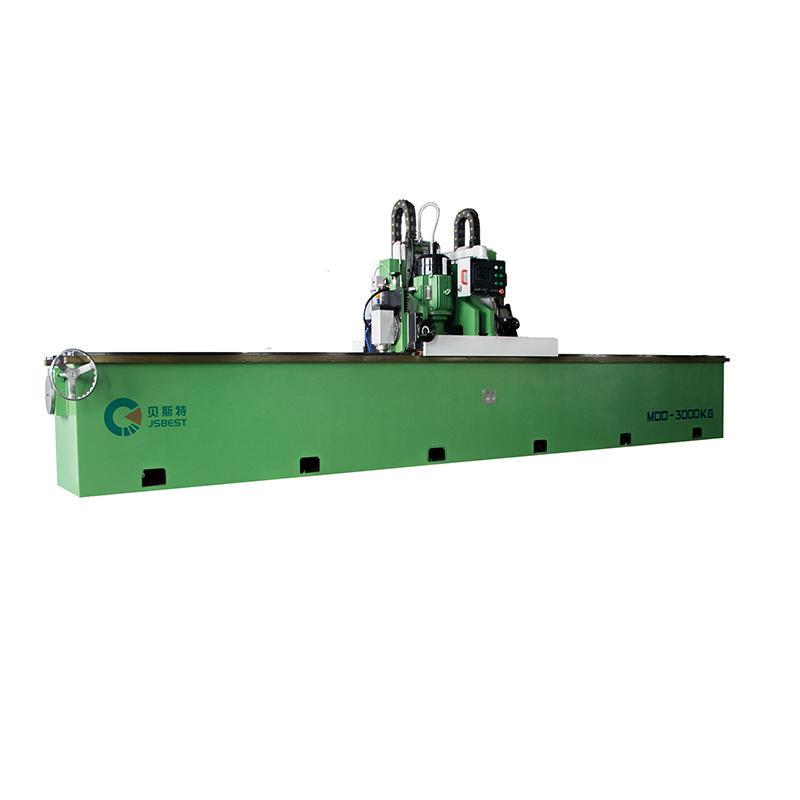
Grinding Wheel Inspection and Selection
The grinding wheel is a consumable safety-critical component. A damaged or incorrectly specified wheel can shatter at operating speed, causing severe injury.
- Ring test before every session: Tap the grinding wheel with a wooden handle or non-metallic tool and listen for a clear ringing tone. A dull thud indicates internal cracking — the wheel must be discarded immediately and not used.
- Never exceed the wheel's rated speed: Each grinding wheel carries a maximum operating speed (RPM or m/s). The machine speed must not exceed this rating — overspeed is the primary cause of wheel disintegration.
- Match wheel specification to blade material: For high-speed steel (HSS) blades, use aluminum oxide (corundum) wheels; for carbide-tipped blades, use diamond or CBN wheels. Using the wrong abrasive type produces excessive heat, poor edge quality, and premature wheel wear.
- Dress the wheel regularly: A glazed or loaded wheel surface grinds inefficiently and generates excessive heat. Dress the wheel with a diamond dresser at the first sign of reduced cutting action or increased sparking — typically every 3–5 grinding sessions under normal use.
Heat Management: Preventing Blade Damage During Grinding
Heat is the primary quality risk in straight knife grinding. Excessive heat at the cutting edge causes metallurgical changes — including softening of the hardened steel and surface oxidation (bluing) — that permanently reduce blade hardness and cutting life. The straight knife grinding machine's cooling system must be used correctly.
- Use coolant continuously during grinding: Never run the machine dry. Coolant (typically water-soluble grinding oil at a 3–5% concentration) must flow continuously to the contact zone throughout the grinding pass. Interrupted coolant supply is worse than no coolant — thermal shock from intermittent cooling can crack high-hardness blade steel.
- Control depth of cut (infeed) per pass: 0.01–0.05 mm per pass is the appropriate infeed range for finish grinding of straight blades. Taking too deep a cut in a single pass generates heat that the coolant cannot adequately remove. Multiple light passes produce better edge quality and less thermal stress than fewer heavy cuts.
- Watch for discoloration: If the blade edge shows straw-yellow, blue, or grey oxidation coloring after grinding, the steel has been overheated. The affected section has lost hardness and must be ground away until clean, unaffected metal is reached — or the blade must be rehardened.
- Allow the blade to cool between heavy material removal sessions: For blades requiring significant stock removal (more than 0.3 mm total), allow the blade to cool to ambient temperature between roughing and finishing passes to prevent cumulative heat buildup.
Personal Protective Equipment (PPE) Requirements
| Hazard | Required PPE | Standard / Specification |
|---|---|---|
| Grinding sparks and debris | Safety glasses or face shield | EN 166 / ANSI Z87.1 |
| Grinding noise (typically 80–95 dB) | Ear protection (earplugs or earmuffs) | SNR ≥ 20 dB |
| Metal dust inhalation | Dust mask / respirator | FFP2 or equivalent |
| Sharp blade contact | Cut-resistant gloves (blade handling) | EN 388 Level 5 cut resistance |
| Coolant splashing | Apron or protective clothing | Chemical splash resistant |
Note that gloves should not be worn while operating the machine controls or adjusting the blade while the wheel is in motion — loose gloves can catch on rotating components. Cut-resistant gloves are for handling blades during loading and unloading only, with the machine fully stopped.
During Operation: Monitoring and Safe Practices
- Do not leave the machine unattended during grinding: Monitor sparks, coolant flow, and unusual vibration throughout the grinding cycle. Abnormal sounds (chattering, screeching) indicate wheel glazing, incorrect feed rate, or blade movement — stop the machine immediately and investigate.
- Maintain safe distance from the grinding arc: Stand to the side of the grinding wheel plane, not directly in front of it. In the event of wheel fracture, debris is ejected primarily in the plane of the wheel.
- Do not adjust fixtures while the machine is running: All fixture adjustments must be made with the wheel fully stopped and all machine motion ceased.
- Verify coolant flow before each pass: Confirm coolant is reaching the contact zone before initiating each grinding traverse — particularly on machines where the coolant nozzle position may shift during long grinding sessions.
Post-Grinding Inspection and Machine Maintenance
- Inspect edge straightness and bevel angle: Use a straightedge and protractor or optical comparator to verify that the ground edge is straight to within the specified tolerance (typically ±0.05 mm per 300 mm for industrial cutting blades) and that the bevel angle matches specification
- Check for micro-chipping under magnification: Inspect the finished edge under 10–20× magnification for micro-chips or wire edge; these indicate incorrect wheel selection, excessive feed rate, or insufficient coolant
- Flush coolant system after each shift: Stagnant coolant promotes bacterial growth (the source of the characteristic unpleasant odor in metalworking coolants) and concentration drift; flush and refill or top up to correct concentration at the end of each shift
- Remove grinding swarf from the machine bed and coolant tank: Accumulated metal swarf abrades sliding surfaces and clogs coolant filters; clean the machine bed and check coolant tank filters at least weekly in continuous production use
Related products
-
-

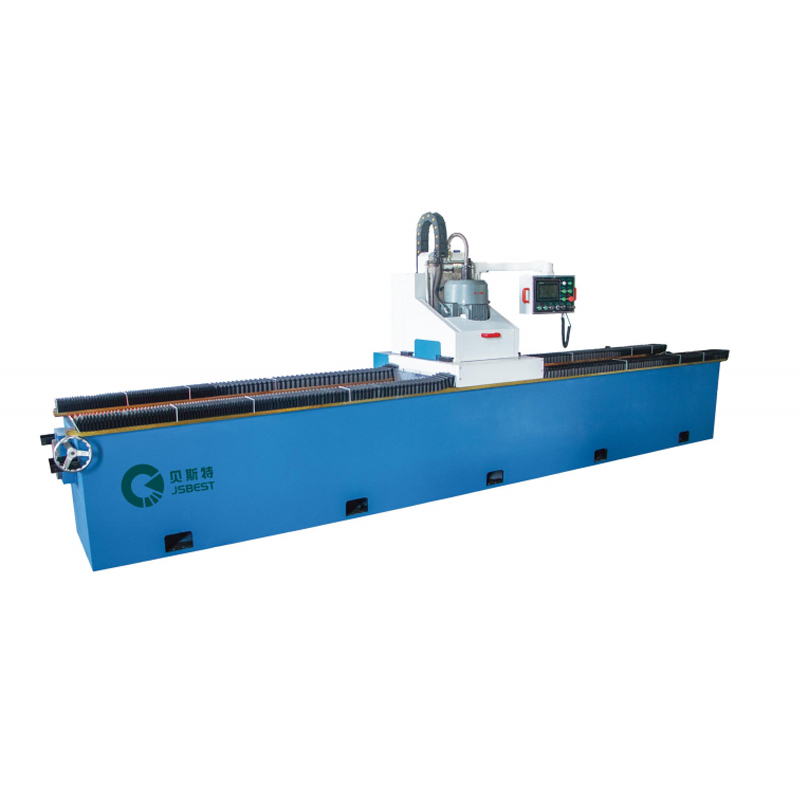
• The whole machine adopts a high-strength gantry-type welding structure, with a solid and compact o...
See Details -
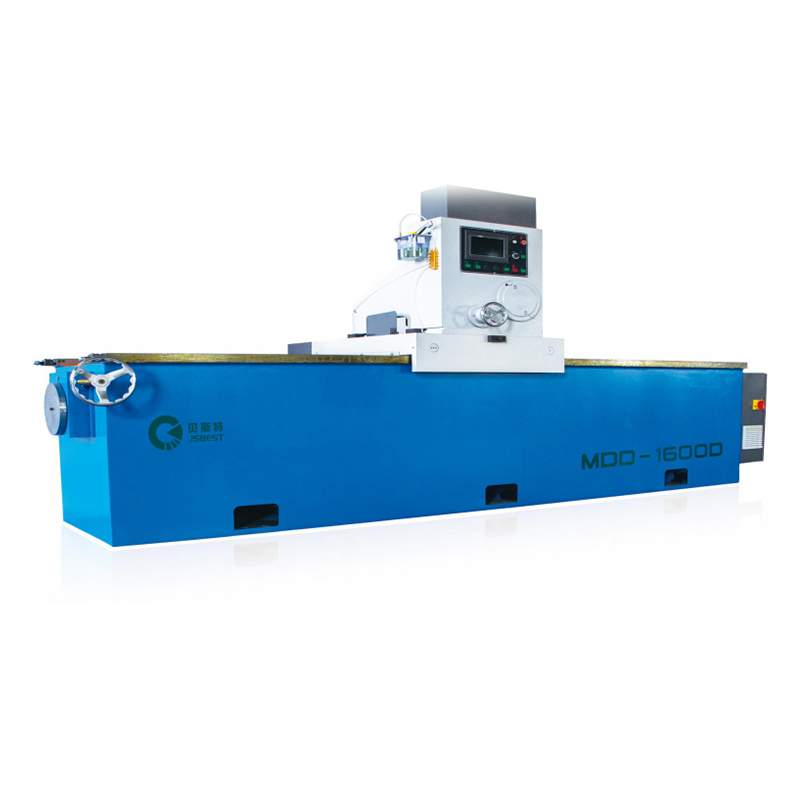
• The grinder adopts a gantry-type bed, high-quality steel plate welding, high-temperature tempering...
See Details -
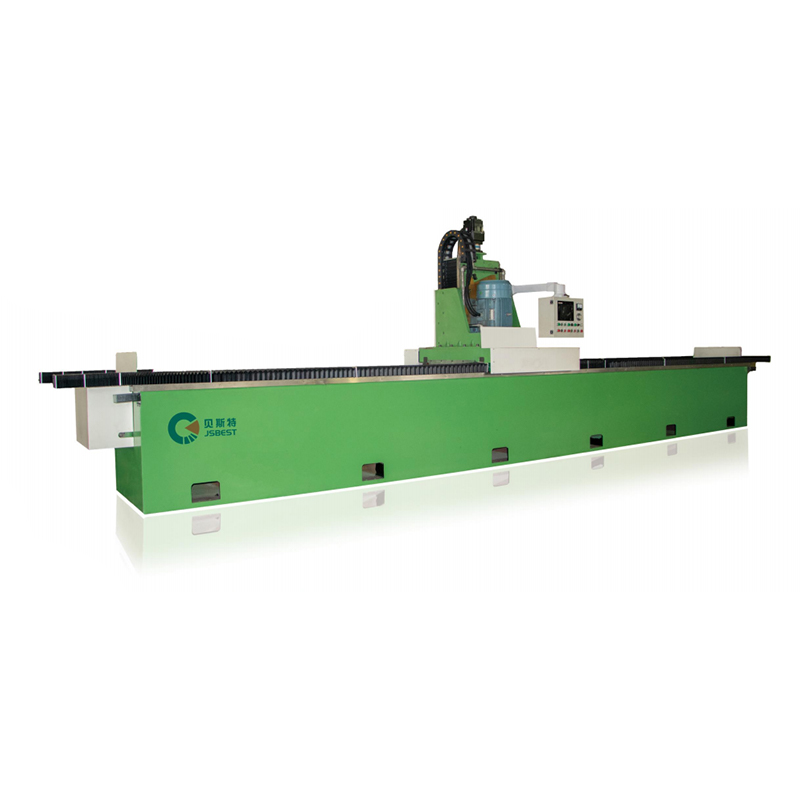
• A high-strength welded steel structure is adopted to eliminate the internal stress of the machine ...
See Details -

Double-Head Knife Grinding Machine is an efficient grinding equipment that combines rough grinding a...
See Details -
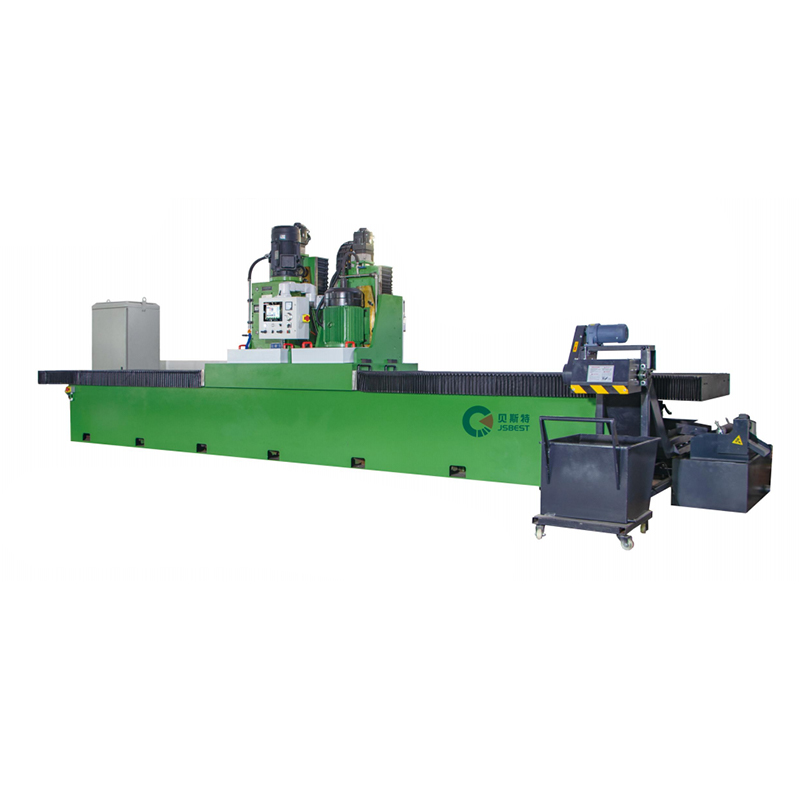
Heavy-Duty Surface Milling And Grinding Machine is an efficient processing equipment that integrates...
See Details -
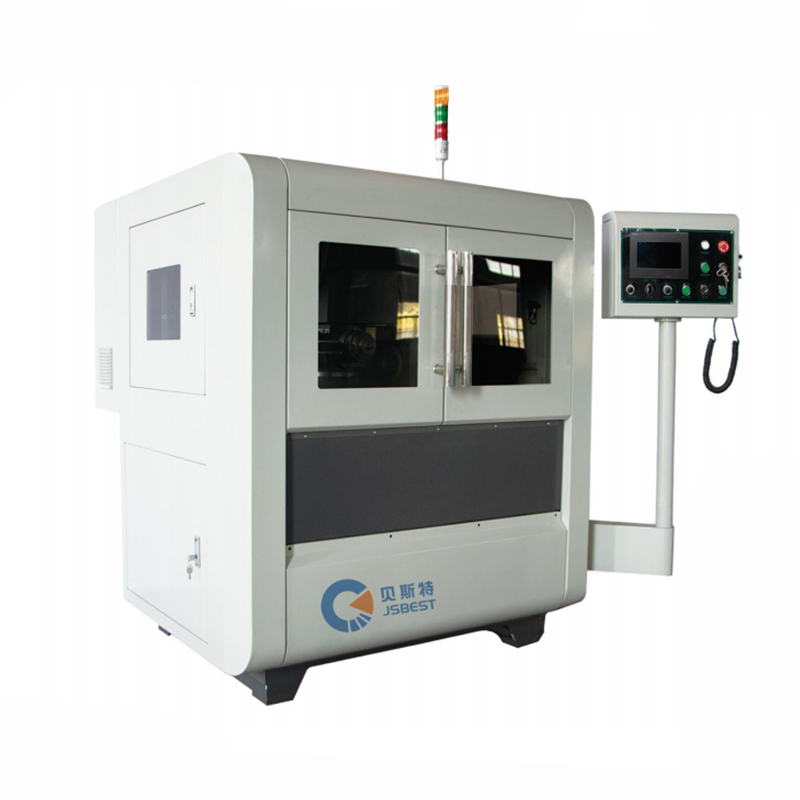
• This round knife grinder adopts a PLC program to control the automatic feeding part, which is easy...
See Details -
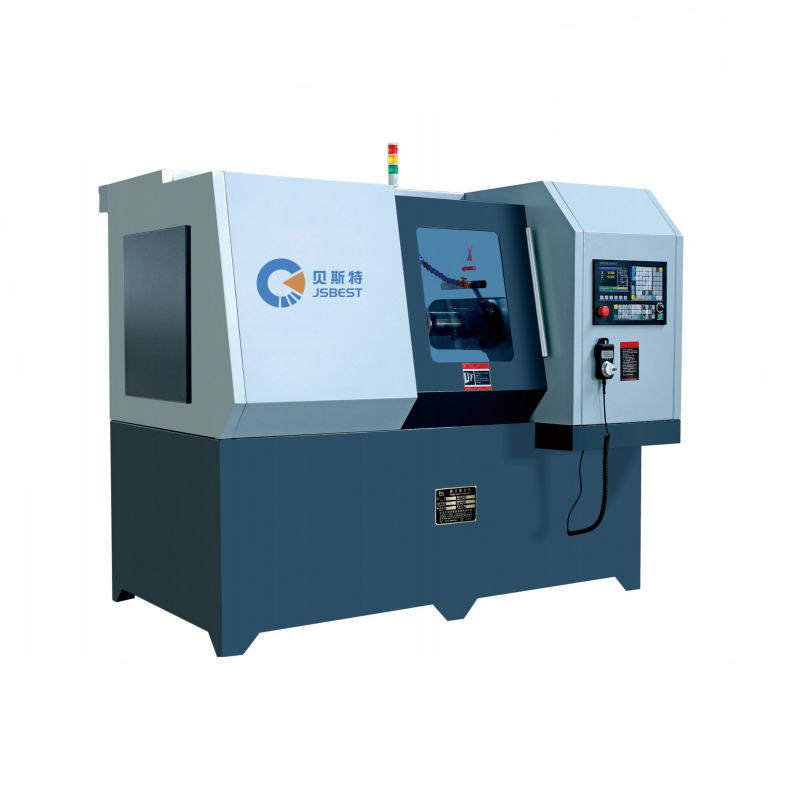
CNC Circular Knife Grinding Machine structural features:• High grinding accuracy, spindle and knife ...
See Details

- PRODUCT
- MDD Series Straight Knife Grinding Machine
- MYD Series Circular Knife Grinding Machine
- MCD Series Rewinding Knife Grinding Machine
- QUICK LINKS
- About Us
- Manufacturing
- Industry Solutions
- Downloads
- Contact
- CONTACT US
-
-
 No.99, Huanghai South Road, Tangyang Town, Dongtai City, Jiangsu Province, China
 -
 0086-13818631306
 -
 +86-515-85652988
 -

-

