


 English
  中文简体
中文简体 • The CNC Knife Grinding Machine adopts PLC program control, which is easy to operate, fast, stable,...
See DetailsWhat is the working principle of a Rewinding Knife Grinding Machine?
Industry News-Content
A rewinding knife grinding machine restores the cutting edge of scraper and doctor blades through a continuous rewinding grinding method: the blade is fed forward incrementally into contact with a rotating grinding wheel, material is removed from the blade's cutting edge at a precisely controlled rate, and the ground blade is rewound onto a take-up reel — all in a single uninterrupted process. This continuous feed-and-grind cycle eliminates the need to stop and reposition the blade for each grinding pass, enabling consistent edge geometry across the entire blade length without operator fatigue or positional error.
What Doctor Blades and Scraper Blades Are — and Why They Need Regrinding
Doctor blades (also called scraper blades) are thin, long blades used in printing, paper making, coating, and converting machinery to scrape excess ink, coating, or material from rollers and cylinders, ensuring a precisely metered film of material transfers to the substrate. A standard doctor blade may be 1,000 to 6,000 mm long, only 0.1 to 0.7 mm thick, and must maintain a sharp, geometrically consistent edge to function correctly.
In high-speed printing or coating applications, a blade may wear or chip within hours of operation. Rather than discarding worn blades — which represent significant material and manufacturing cost — regrinding restores the cutting edge, extending blade service life significantly.

The Rewinding Grinding Method: Step-by-Step Process
- Blade loading: The worn blade coil or flat blade strip is loaded onto the unwinding station at the feed end of the machine. The blade is threaded through a series of guide rollers that align and tension it correctly before it enters the grinding zone.
- Edge presentation: The blade is positioned so its worn cutting edge is presented to the grinding wheel at the correct angle — typically between 30° and 70° depending on the blade specification and desired edge profile (bevel or double bevel).
- Grinding wheel contact: A high-speed abrasive grinding wheel (typically CBN, diamond, or aluminum oxide, depending on blade material) rotates and contacts the blade edge. The grinding wheel removes material at a controlled rate, reshaping the edge to the target geometry.
- Continuous feed: The blade advances through the grinding zone at a controlled linear speed — typically 0.5 to 5 meters per minute — driven by the winding motor at the take-up end. This continuous motion ensures uniform material removal along the full blade length.
- Rewinding: The freshly ground blade is continuously rewound onto a take-up reel at the output end of the machine. The synchronized tension between unwinding and rewinding stations is maintained by the machine's drive control system to prevent blade distortion.
- Coolant application: Throughout the grinding process, coolant (typically water-based fluid) is applied to the blade-wheel contact zone to prevent heat buildup that would alter the blade's temper and compromise its hardness.
Key Machine Components and Their Functions
| Component | Function |
|---|---|
| Unwinding station | Holds and controls feed of worn blade roll at consistent tension |
| Guide roller system | Aligns blade laterally and sets approach angle to grinding wheel |
| Grinding wheel | Removes material to restore edge geometry; speed-controlled by motor |
| Angle adjustment mechanism | Sets blade bevel angle for different edge specifications |
| Coolant system | Prevents thermal damage to blade material during grinding |
| Precision drive system | Controls blade feed speed and maintains synchronized tension |
| Rewinding station | Collects the finished ground blade at controlled take-up tension |
Blade Materials the Machine Can Process
A well-configured rewinding knife grinding machine can process blades made from a wide range of materials by changing the grinding wheel specification:
- High-carbon steel blades: The most common doctor blade material — ground with aluminum oxide or CBN wheels.
- Stainless steel blades: Used in food, pharmaceutical, and corrosion-sensitive applications — ground with CBN wheels at reduced wheel speeds to prevent work hardening.
- Plastic and composite blades (PEEK, UHMWPE, fiberglass): Used in delicate coating and printing applications to avoid roller damage — ground with fine diamond or silicon carbide wheels.
- Ceramic-coated and tungsten carbide-tipped blades: Ultra-hard materials requiring diamond grinding wheels and precise infeed control to avoid chipping the coating.
Advantages of the Rewinding Grinding Method Over Conventional Grinding
- Consistent edge quality along the full blade length: The continuous feed mechanism eliminates the start-stop transitions that cause edge inconsistency in reciprocating or segment-by-segment grinding methods.
- Higher throughput: A rewinding grinder can process hundreds of meters of blade per hour without operator intervention, far exceeding the capacity of manual or semi-automatic flat-bed grinding methods.
- Reduced blade waste: Precise material removal control minimizes the amount of blade material removed per grinding cycle, extending the total number of regrind cycles before a blade reaches its minimum thickness limit.
- Adaptability to different blade widths and materials: Blade guide, angle, and grinding wheel parameters can be adjusted to accommodate blades of varying specifications without significant machine reconfiguration.
Related products
-
-

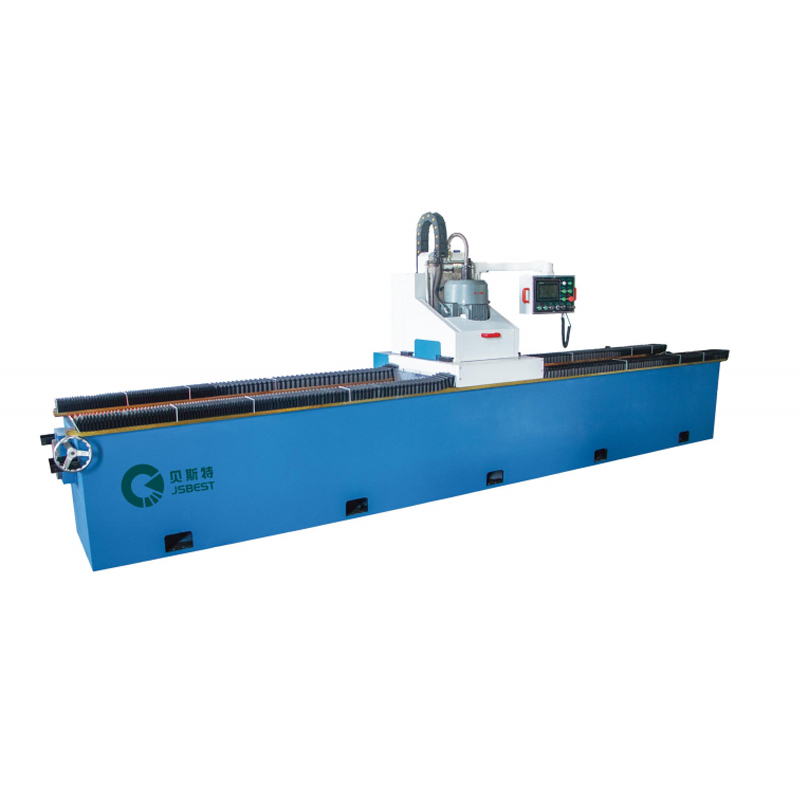
• The whole machine adopts a high-strength gantry-type welding structure, with a solid and compact o...
See Details -
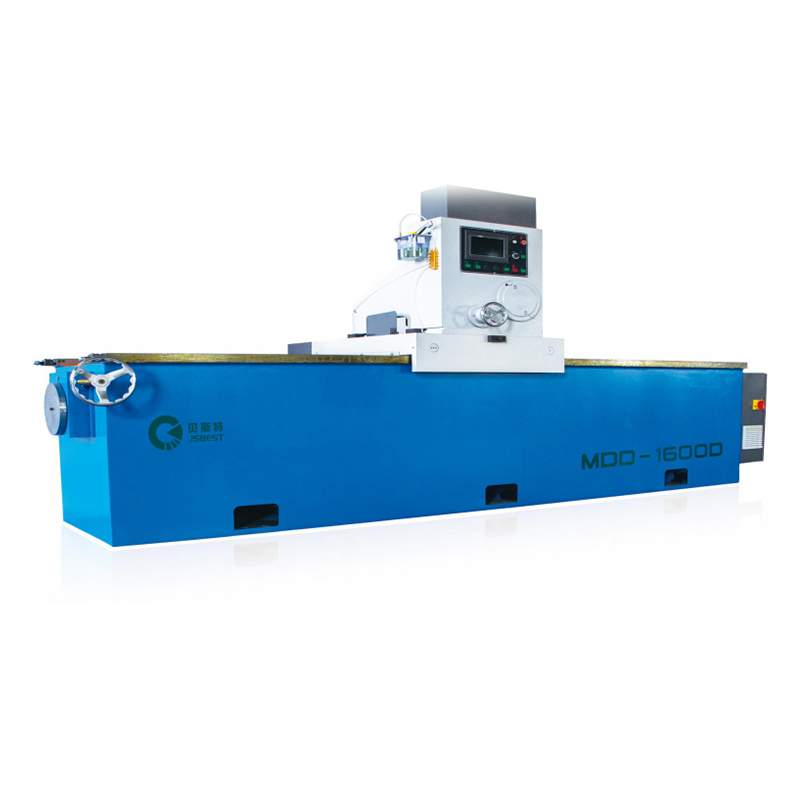
• The grinder adopts a gantry-type bed, high-quality steel plate welding, high-temperature tempering...
See Details -
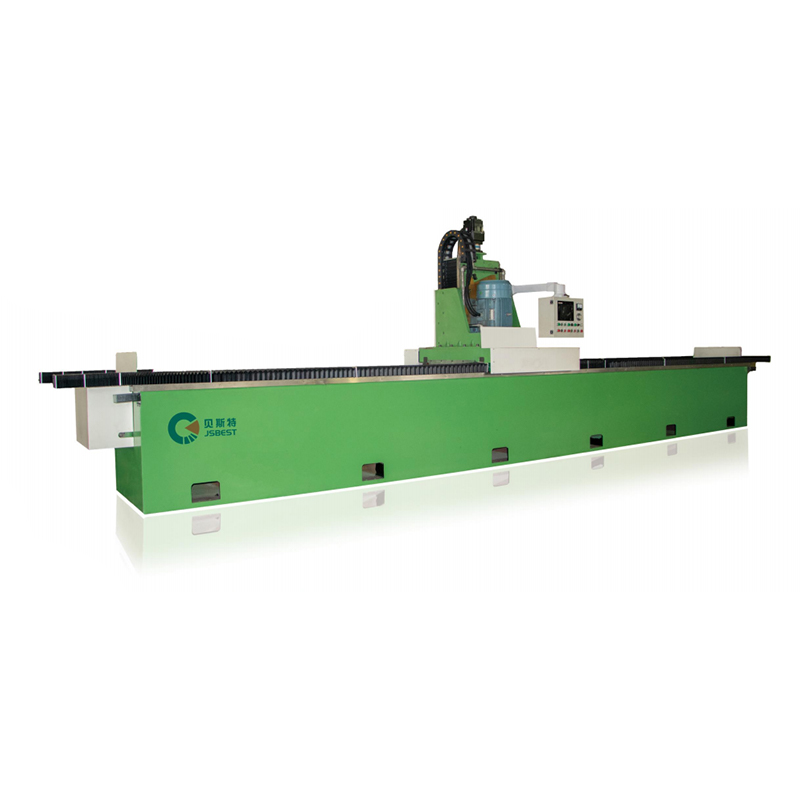
• A high-strength welded steel structure is adopted to eliminate the internal stress of the machine ...
See Details -
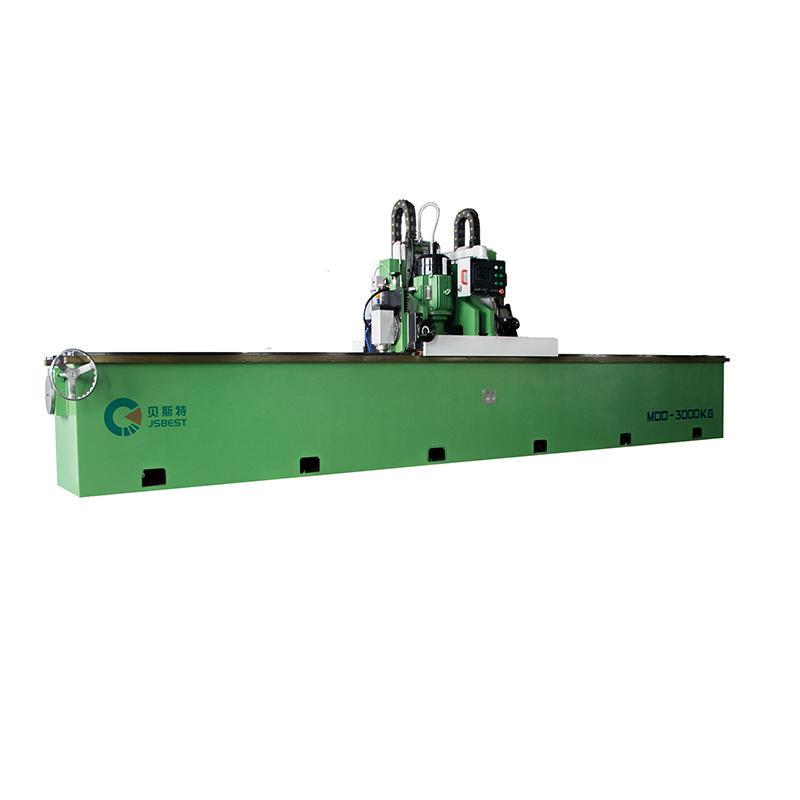
Double-Head Knife Grinding Machine is an efficient grinding equipment that combines rough grinding a...
See Details -
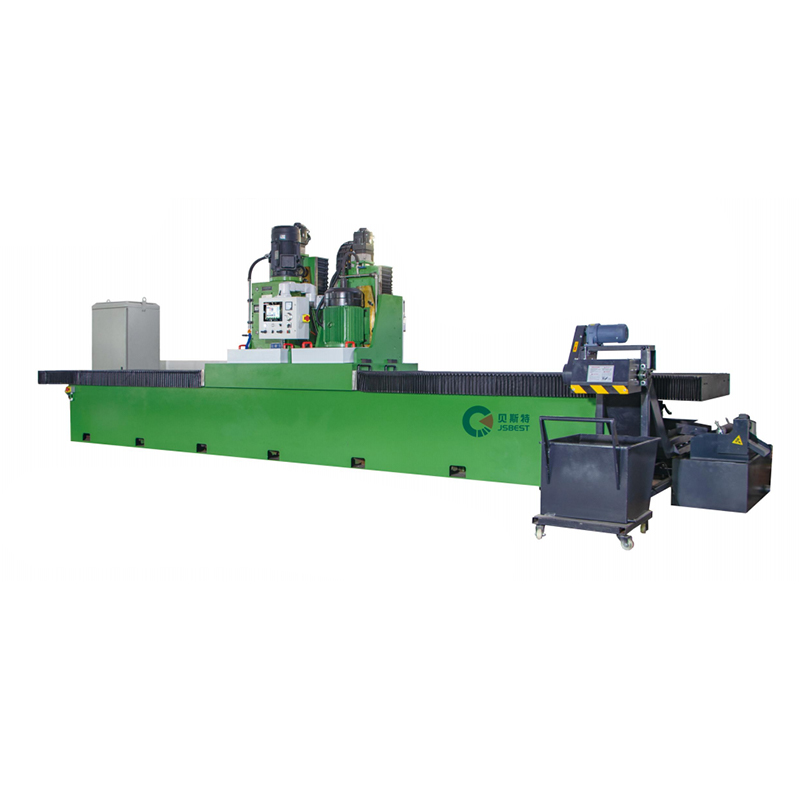
Heavy-Duty Surface Milling And Grinding Machine is an efficient processing equipment that integrates...
See Details -
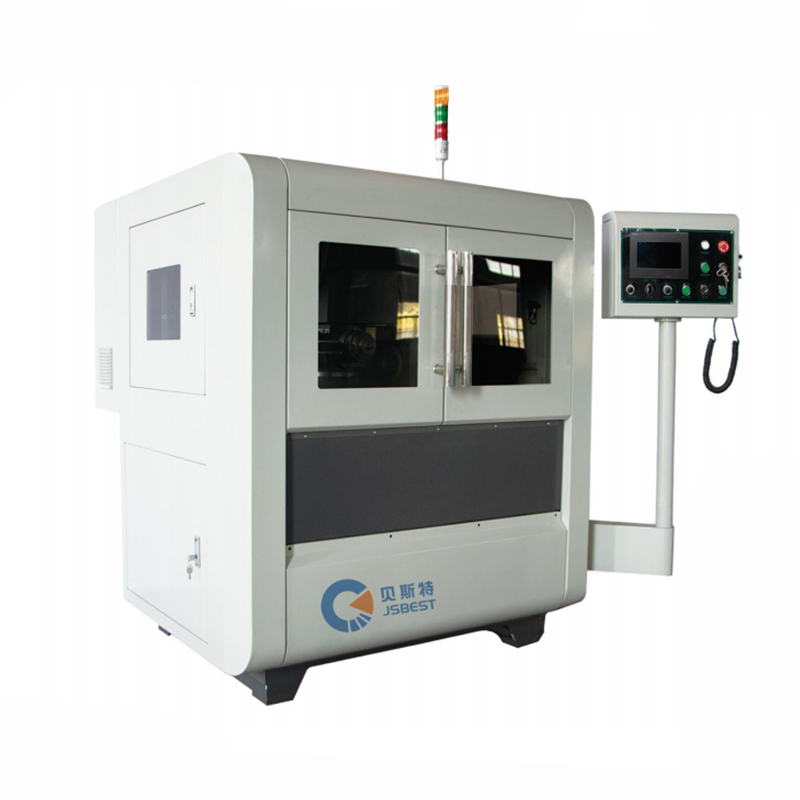
• This round knife grinder adopts a PLC program to control the automatic feeding part, which is easy...
See Details -
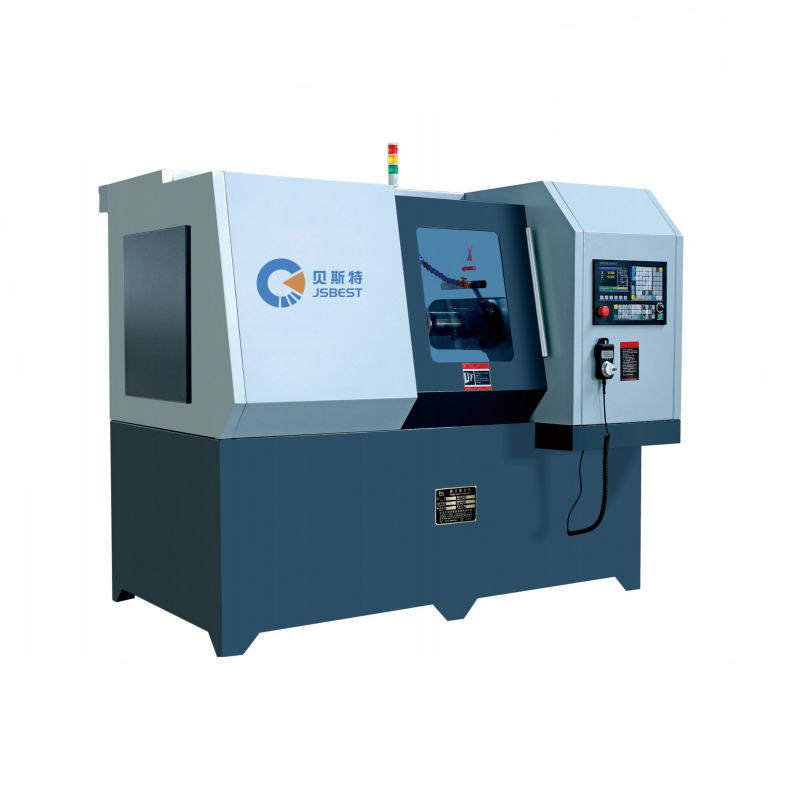
CNC Circular Knife Grinding Machine structural features:• High grinding accuracy, spindle and knife ...
See Details

- PRODUCT
- MDD Series Straight Knife Grinding Machine
- MYD Series Circular Knife Grinding Machine
- MCD Series Rewinding Knife Grinding Machine
- QUICK LINKS
- About Us
- Manufacturing
- Industry Solutions
- Downloads
- Contact
- CONTACT US
-
-
 No.99, Huanghai South Road, Tangyang Town, Dongtai City, Jiangsu Province, China
 -
 0086-13818631306
 -
 +86-515-85652988
 -

-

