


 English
  中文简体
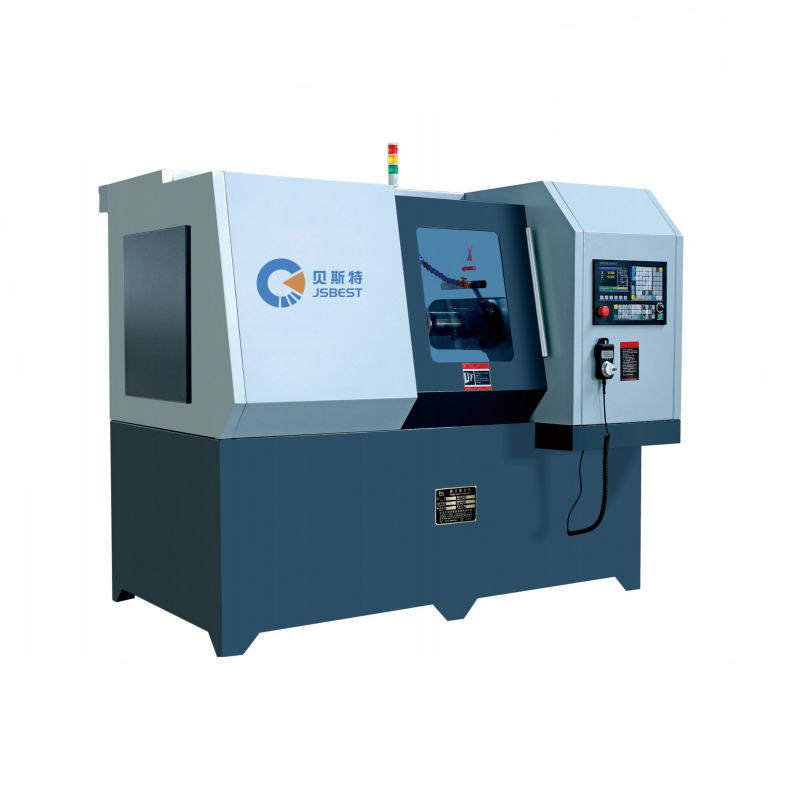
中文简体 • The CNC Knife Grinding Machine adopts PLC program control, which is easy to operate, fast, stable,...
See DetailsWhat are the different types of Circular Knife Grinding Machines?
Industry News-Content
Circular knife grinding machines are specialized industrial grinders designed to restore and maintain the cutting edges and flat surfaces of circular (disc-shaped) slitting blades used in converting, packaging, printing, metal processing, and textile industries. The main types are distinguished by their grinding method, the surface they address (edge, face, or both), and their degree of automation — ranging from manual bench grinders to fully automated precision grinding systems capable of processing large batches of blades to tight tolerances.
Type 1: Edge (Peripheral) Grinding Machines
Edge grinding machines restore the cutting bevel on the circumferential edge of a circular slitting blade — the primary cutting surface that contacts the material being slit. The grinding wheel engages the blade edge at a precisely controlled angle to recreate the specified bevel geometry.
Key features of edge grinding machines:
- Bevel angle adjustment: The blade holder or grinding head tilts to set the bevel angle — typically between 15° and 45° — matching the original blade specification for the material and application.
- Uniform edge sharpness: The precision grinding mechanism ensures consistent sharpness around the full circumference of the blade — avoiding the uneven cutting problems caused by hot spots or dull sections that develop when blades are sharpened unevenly.
- Blade diameter range: Most machines accommodate blades from 50 mm to 500 mm in diameter, with heavy-duty models handling blades up to 800 mm or larger for metal processing applications.
- Coolant system: Continuous coolant application prevents heat buildup at the blade edge — critical for maintaining blade temper in high-speed steel (HSS) and carbide-tipped blades where overheating causes permanent hardness loss.
Type 2: Surface (Face) Grinding Machines
Surface grinding machines address the flat faces of circular blades — restoring the planarity and surface finish required for clean shear cutting, particularly in scissor-cut (bypass) slitting applications where the blade face contacts an opposing blade with minimal clearance.
Surface grinding capabilities provide important performance benefits:
- Flatness restoration: Circular blades distort slightly under the thermal and mechanical loads of high-speed slitting operations. Surface grinding removes this distortion, restoring the blade to the flatness specification — typically within 0.005 to 0.02 mm for precision slitting applications.
- Surface finish improvement: Grinding removes micro-pitting, oxidation, and surface irregularities that increase cutting resistance. A smoother blade face reduces friction against the counter blade, lowering cutting force and extending blade service intervals.
- Parallelism control: Face grinding machines maintain parallelism between the two blade faces — a critical dimension for bypass slitting where blade-to-blade clearance determines cut quality.
Type 3: Combination Edge and Surface Grinding Machines
Combination machines perform both edge and surface grinding in a single setup — the blade is mounted once and the machine sequentially or simultaneously addresses both the cutting edge and flat faces. This type offers the highest operational efficiency for workshops processing large blade volumes:
- Single-setup processing: Eliminating the need to move blades between separate edge and face grinders reduces handling time and the risk of damage between operations — particularly important for thin or large-diameter blades prone to deflection.
- Consistent geometric relationship: Grinding both surfaces in the same setup maintains the geometric relationship between edge bevel angle and face plane — ensuring the blade performs exactly to specification rather than accumulating tolerance stack-up from separate operations.
- Production efficiency: A combination machine can complete a full blade restoration cycle in significantly less total time than sequential single-function grinders — reducing the downtime of slitting lines waiting for resharpened blades.
Type 4: Automated CNC Circular Knife Grinding Machines
Automated CNC grinding machines represent the highest level of capability in this category, combining edge and surface grinding with computer numerical control for fully automatic operation:
- Automatic blade diameter measurement: An onboard measurement system determines the blade's current diameter and adjusts the grinding program accordingly — accounting for blade wear over previous service cycles.
- Recipe-based operation: Blade specifications (bevel angle, face flatness tolerance, edge radius) are stored as digital recipes in the CNC controller — ensuring every blade of a given type is ground to exactly the same specification without operator-dependent variation.
- Batch processing capability: Some systems incorporate automatic loading and unloading, allowing multiple blades to be queued and processed through a full grinding cycle without operator intervention — enabling overnight unattended operation.
- Dressing cycles: The CNC system automatically dresses the grinding wheel at programmed intervals, maintaining wheel profile and sharpness throughout a production run — eliminating the manual dressing that limits productivity on conventional machines.
Comparison of Circular Knife Grinding Machine Types
| Machine Type | Grinding Function | Automation Level | Best For |
|---|---|---|---|
| Edge (peripheral) grinder | Cutting bevel only | Manual to semi-auto | Standard edge restoration; low volume |
| Surface (face) grinder | Flat face only | Manual to semi-auto | Bypass slitting blades; planarity-critical applications |
| Combination edge + surface | Edge and face in one setup | Semi-auto to auto | Medium-volume blade workshops |
| CNC automated grinder | Full geometric restoration | Fully automated | High-volume production; precision requirements |
Related products
-
-

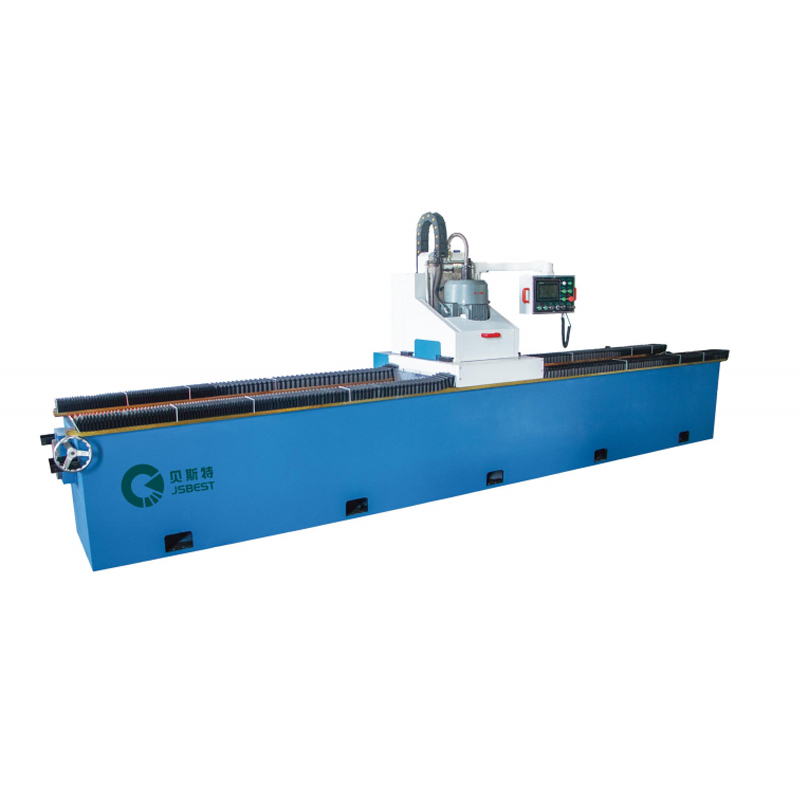
• The whole machine adopts a high-strength gantry-type welding structure, with a solid and compact o...
See Details -
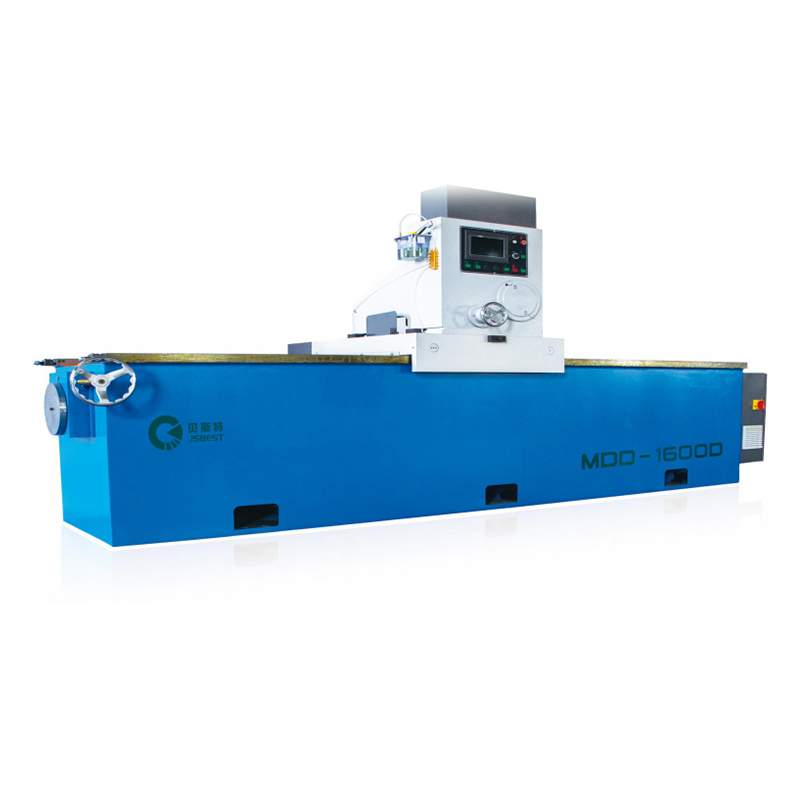
• The grinder adopts a gantry-type bed, high-quality steel plate welding, high-temperature tempering...
See Details -
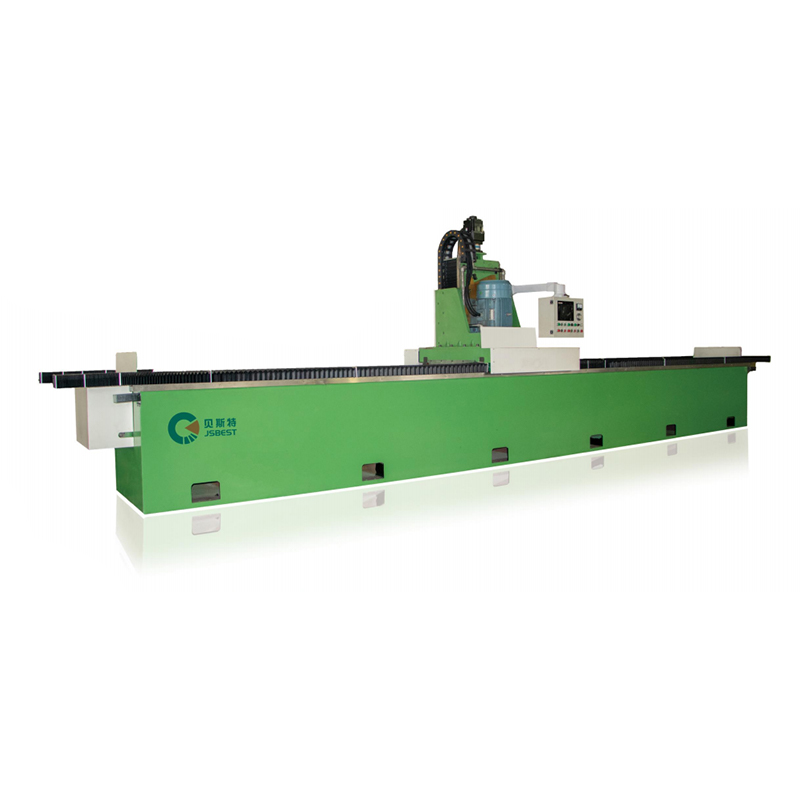
• A high-strength welded steel structure is adopted to eliminate the internal stress of the machine ...
See Details -
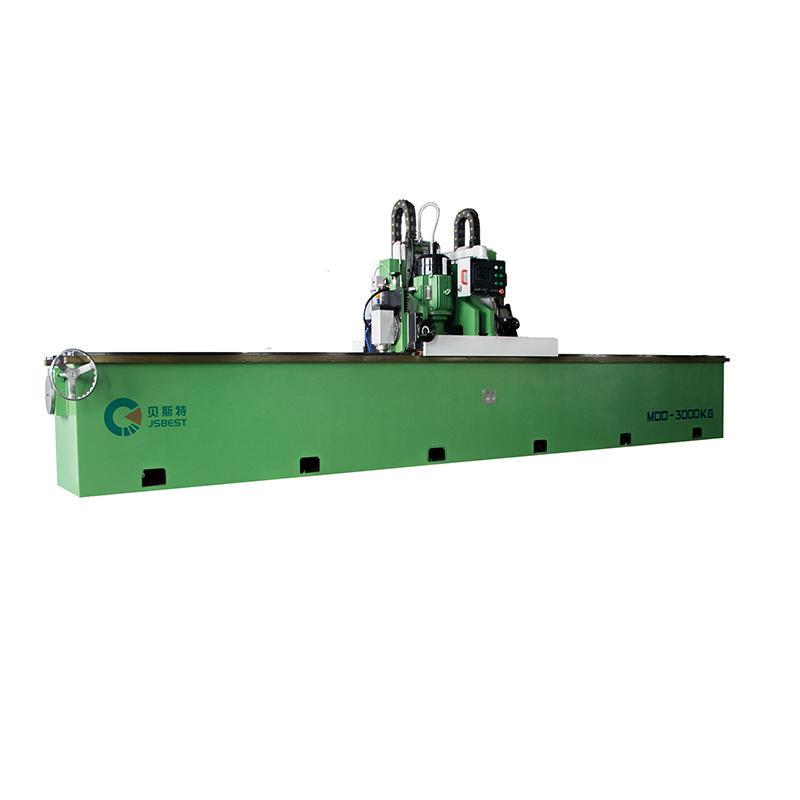
Double-Head Knife Grinding Machine is an efficient grinding equipment that combines rough grinding a...
See Details -
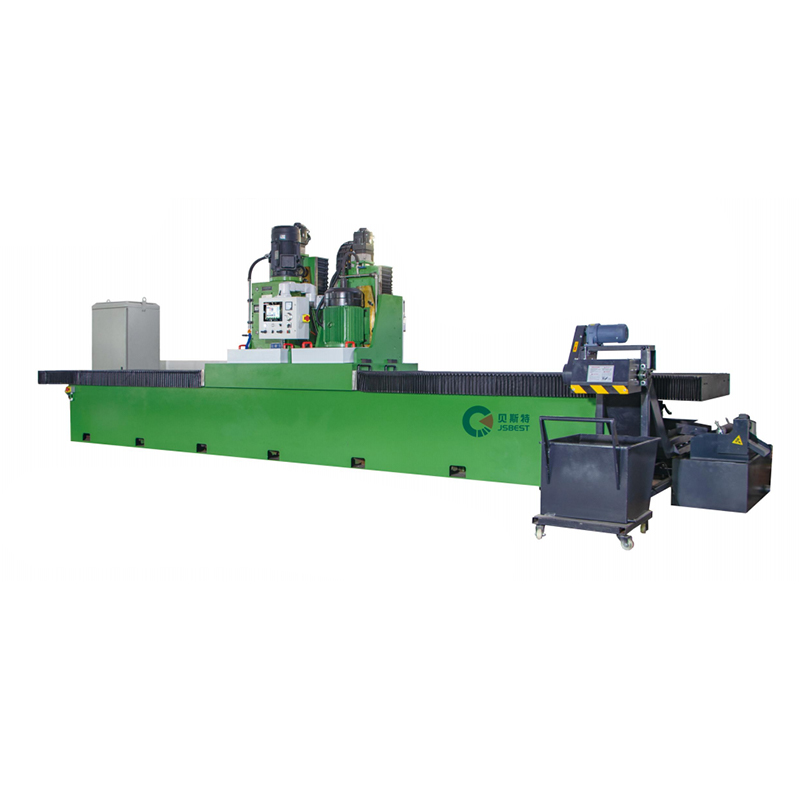
Heavy-Duty Surface Milling And Grinding Machine is an efficient processing equipment that integrates...
See Details -
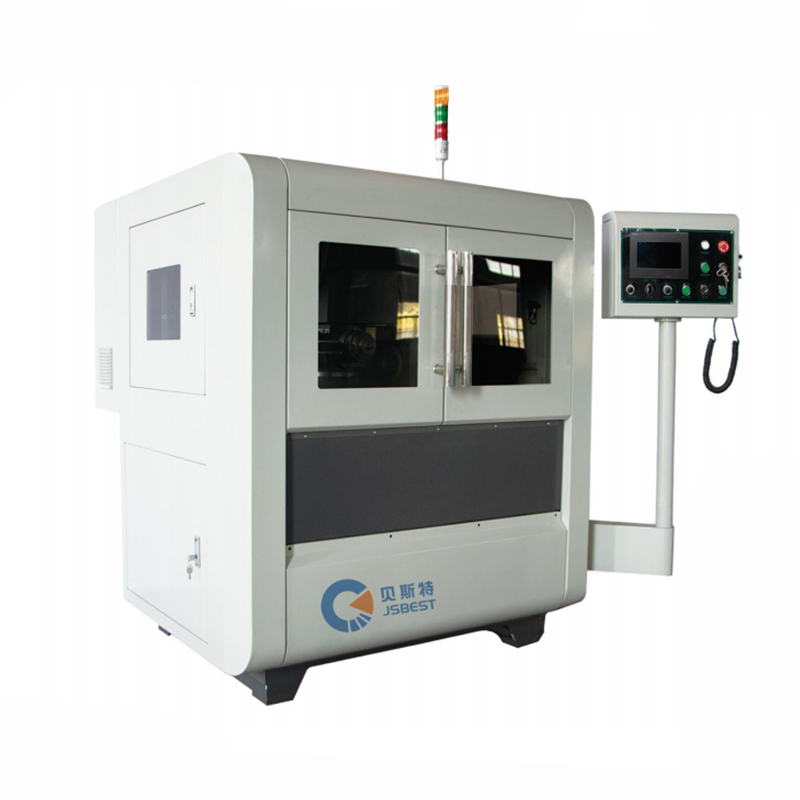
• This round knife grinder adopts a PLC program to control the automatic feeding part, which is easy...
See Details -

CNC Circular Knife Grinding Machine structural features:• High grinding accuracy, spindle and knife ...
See Details

- PRODUCT
- MDD Series Straight Knife Grinding Machine
- MYD Series Circular Knife Grinding Machine
- MCD Series Rewinding Knife Grinding Machine
- QUICK LINKS
- About Us
- Manufacturing
- Industry Solutions
- Downloads
- Contact
- CONTACT US
-
-
 No.99, Huanghai South Road, Tangyang Town, Dongtai City, Jiangsu Province, China
 -
 0086-13818631306
 -
 +86-515-85652988
 -

-

