


 English
  中文简体
中文简体 • The CNC Knife Grinding Machine adopts PLC program control, which is easy to operate, fast, stable,...
See DetailsWhat is a Straight Knife Grinding Machine?
Industry News-Content
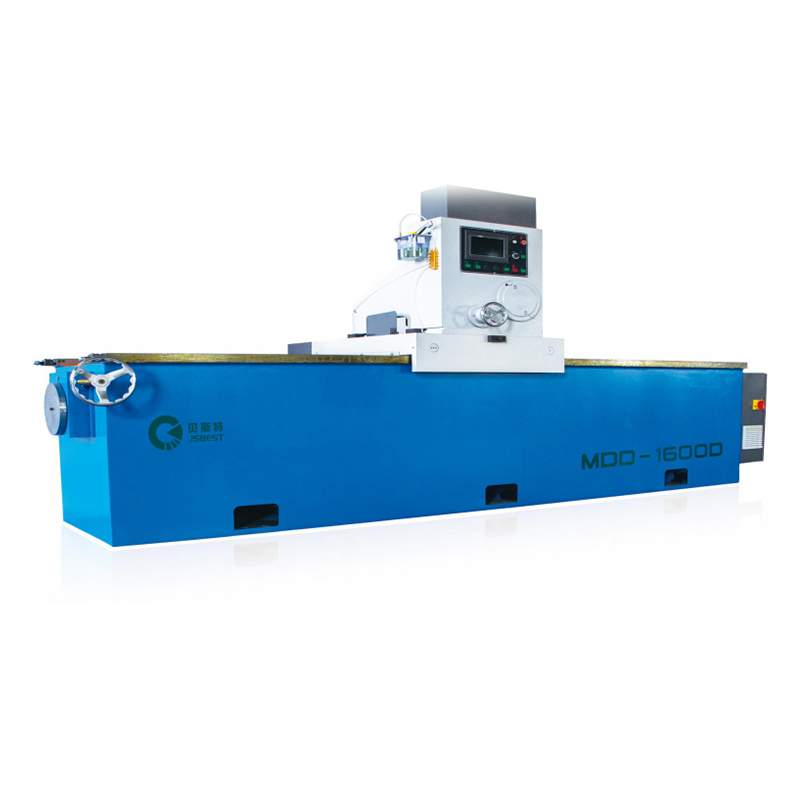
A straight knife grinding machine is a specialized industrial grinder designed to sharpen and restore the cutting edges and flat surfaces of long, straight blades — typically blades used in paper converting, textile cutting, food processing, woodworking, printing, and packaging industries. Unlike circular knife grinders that accommodate rotating disc blades, straight knife grinders are built around a linear blade clamping and traversing system that moves the blade longitudinally past the grinding wheel, enabling uniform sharpening across the full length of blades that may range from 300 mm to over 3,000 mm in length.
The machine addresses both the cutting edge (bevel grinding) and the flat blade surface (surface grinding) — either in separate operations or as a combined process — restoring the blade's geometry, sharpness, and flatness to original specification.
How a Straight Knife Grinding Machine Works
The blade is secured to a precision workbench using a specialized clamping fixture system — designed to hold the blade or workpiece firmly and flat against the reference surface throughout the grinding process, preventing the vibration, deflection, or lateral movement that would cause uneven sharpening. The grinding wheel then traverses the length of the blade (or the blade traverses past a fixed wheel, depending on machine design), grinding the edge in a controlled, repeatable pass.
The key operational principle that distinguishes straight knife grinding from hand sharpening or bench grinding is the large contact area between the grinding wheel and the blade — the wheel engages a substantial length of the blade edge simultaneously, making each pass more productive and resulting in higher grinding uniformity than point-contact sharpening methods.
Key Capabilities of a Straight Knife Grinding Machine
Edge Bevel Grinding
The primary function is grinding the cutting bevel at the blade's edge to restore its sharpness and correct geometry. The bevel angle — typically between 20° and 45° depending on the blade's intended material and cutting application — is set by adjusting the blade holder's tilt angle relative to the grinding wheel. Consistent bevel angle is maintained across the full blade length by the machine's linear traversing mechanism, ensuring no variation in sharpness from one end of the blade to the other.
Flat Surface Grinding
Straight knife grinding machines also perform surface grinding on the flat face of the blade — removing deformation, surface oxidation, micro-pitting, and any slight bow or twist that has developed during service. Surface grinding restores the blade's flatness to within 0.01 to 0.05 mm depending on specification, which is critical for blades that work against a counter-knife or fixed bed knife where face flatness determines cut quality and the life of both blades.
Heat Management During Grinding
Grinding generates heat at the blade-wheel interface. On high-speed steel or hardened tool steel blades, excessive heat above 150–200°C can cause local tempering — permanently reducing the blade's hardness and shortening service life between sharpenings. Straight knife grinding machines control this risk through:
- Continuous coolant flood: A coolant system directs fluid to the grinding contact zone throughout the operation, absorbing and carrying away heat before it conducts into the blade.
- Controlled depth of cut: Taking multiple light passes rather than fewer aggressive passes reduces the heat generated per pass — the machine's infeed mechanism sets this depth precisely, typically in increments of 0.005 to 0.05 mm.
- Optimized traversing speed: Slower wheel-to-blade relative speed reduces friction and heat generation; the machine's feed rate is selected to balance grinding productivity against thermal safety for the specific blade steel grade.
Industries and Blade Types That Use Straight Knife Grinding Machines
| Industry | Blade Type | Key Grinding Requirement |
|---|---|---|
| Paper and board converting | Long crosscut and creasing blades | Edge uniformity over full length |
| Textile and fabric cutting | Straight cutting blades for fabric layers | Fine edge geometry; no burr |
| Woodworking and panel production | Planer and jointer knives | Flatness and edge straightness |
| Food processing | Slicing and portioning blades | Food-safe finish; consistent sharpness |
| Printing and corrugating | Crosscut and scoring blades | Precise bevel angle; surface flatness |
Advantages Over Manual and Bench Grinding Methods
- Consistency across the full blade length: Manual grinding inevitably produces variation in edge angle and sharpness along the blade — a straight knife grinding machine eliminates this variation through its controlled linear mechanism.
- Faster processing time: The large grinding contact area and powered traversing mechanism complete blade sharpening in a fraction of the time required by manual methods — a 1,000 mm blade that takes 30 minutes to sharpen manually may be completed in under 5 minutes on a dedicated machine.
- Repeatable results: Every blade sharpened to the same recipe produces the same cutting performance — eliminating the operator-skill dependency of hand sharpening.
- Blade life extension: By removing the minimum amount of material necessary to restore sharpness — rather than the excess material removed by imprecise manual methods — a grinding machine maximizes the number of service cycles each blade can provide before reaching its minimum thickness limit.
Related products
-
-

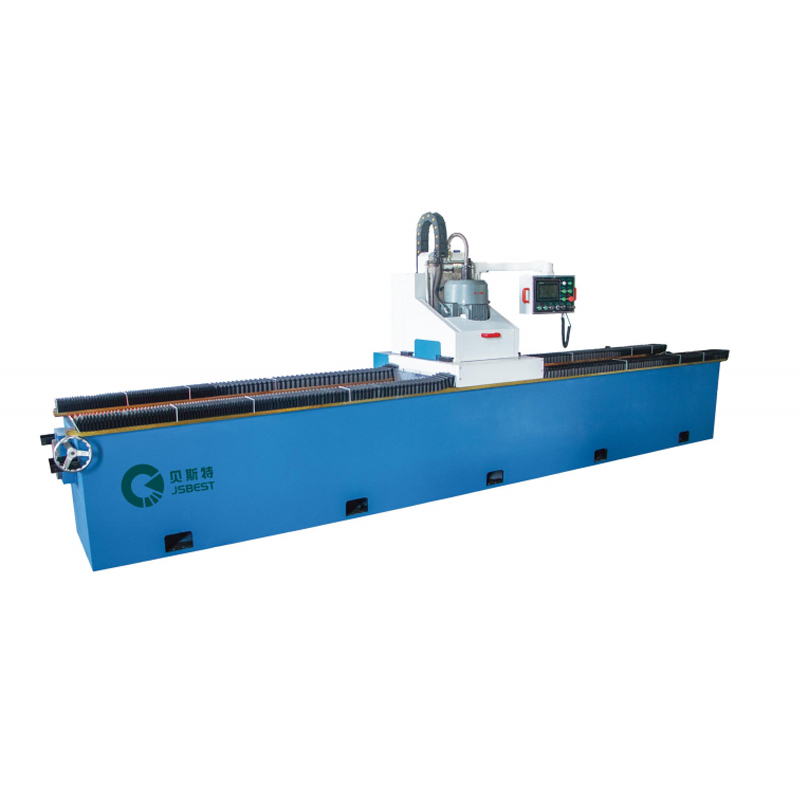
• The whole machine adopts a high-strength gantry-type welding structure, with a solid and compact o...
See Details -

• The grinder adopts a gantry-type bed, high-quality steel plate welding, high-temperature tempering...
See Details -
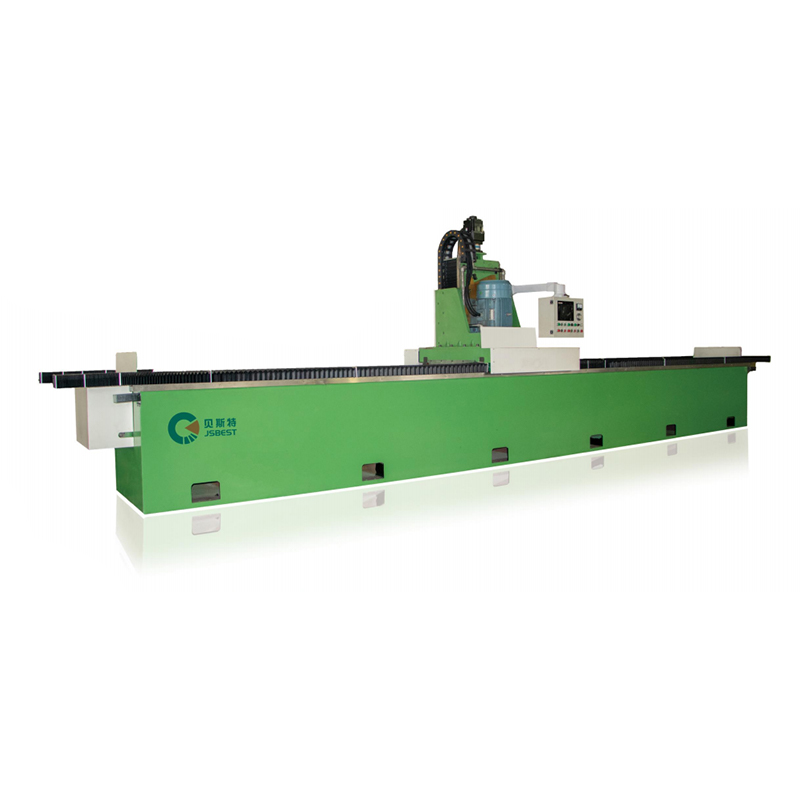
• A high-strength welded steel structure is adopted to eliminate the internal stress of the machine ...
See Details -
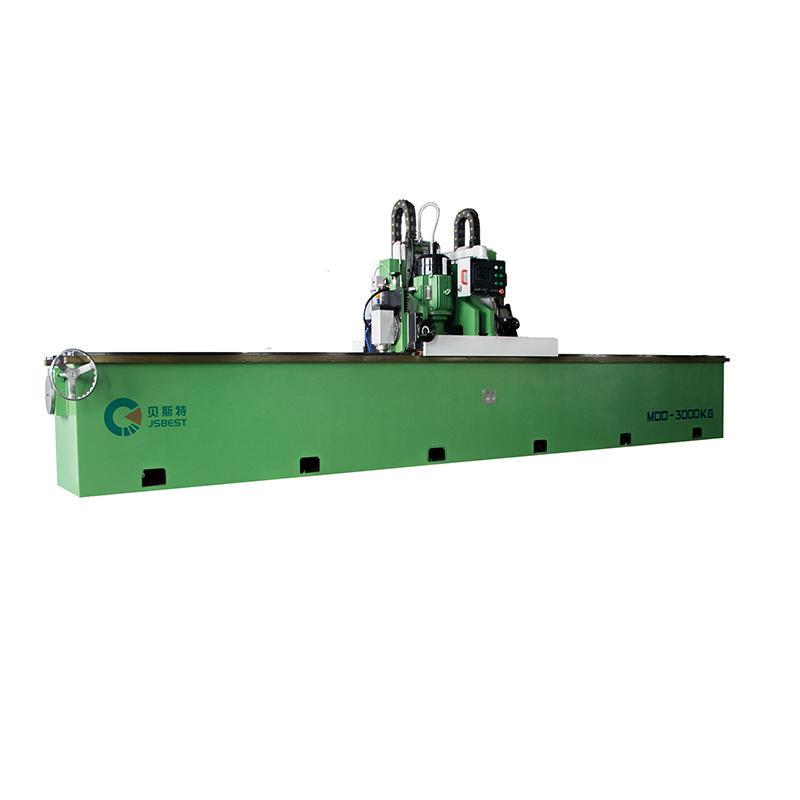
Double-Head Knife Grinding Machine is an efficient grinding equipment that combines rough grinding a...
See Details -
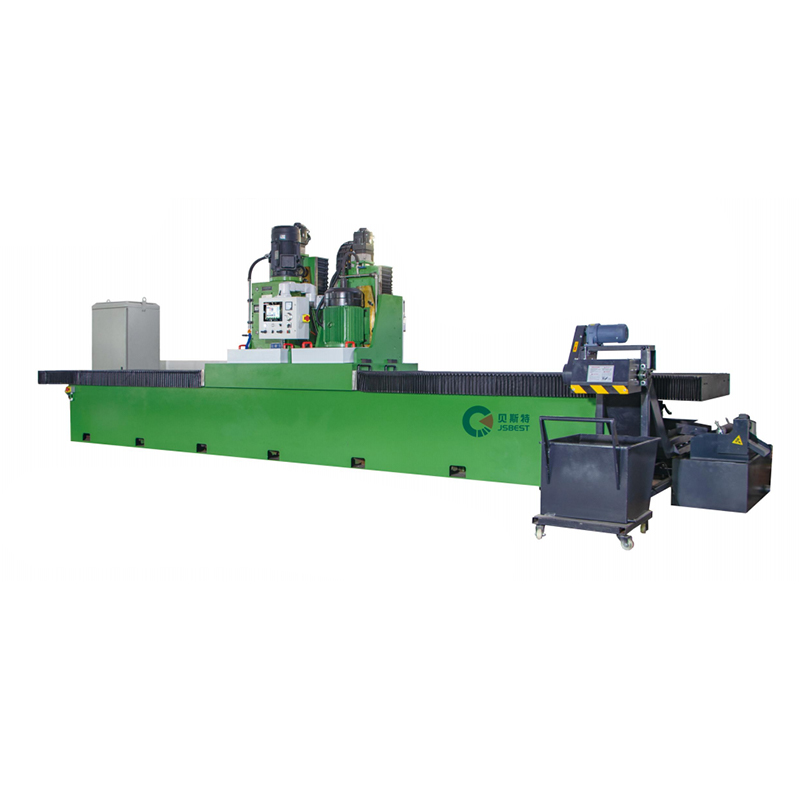
Heavy-Duty Surface Milling And Grinding Machine is an efficient processing equipment that integrates...
See Details -
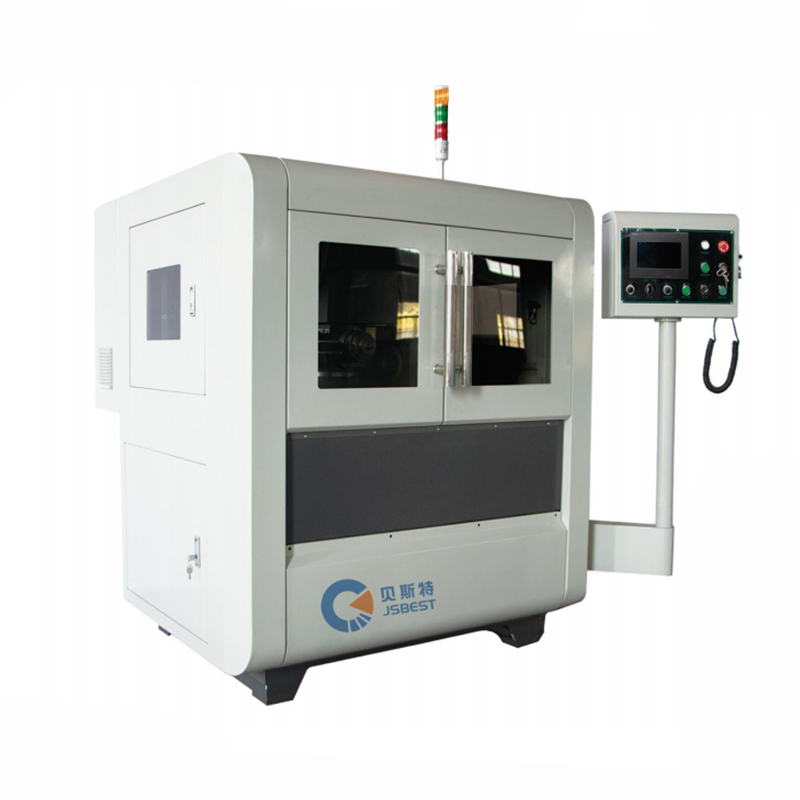
• This round knife grinder adopts a PLC program to control the automatic feeding part, which is easy...
See Details -
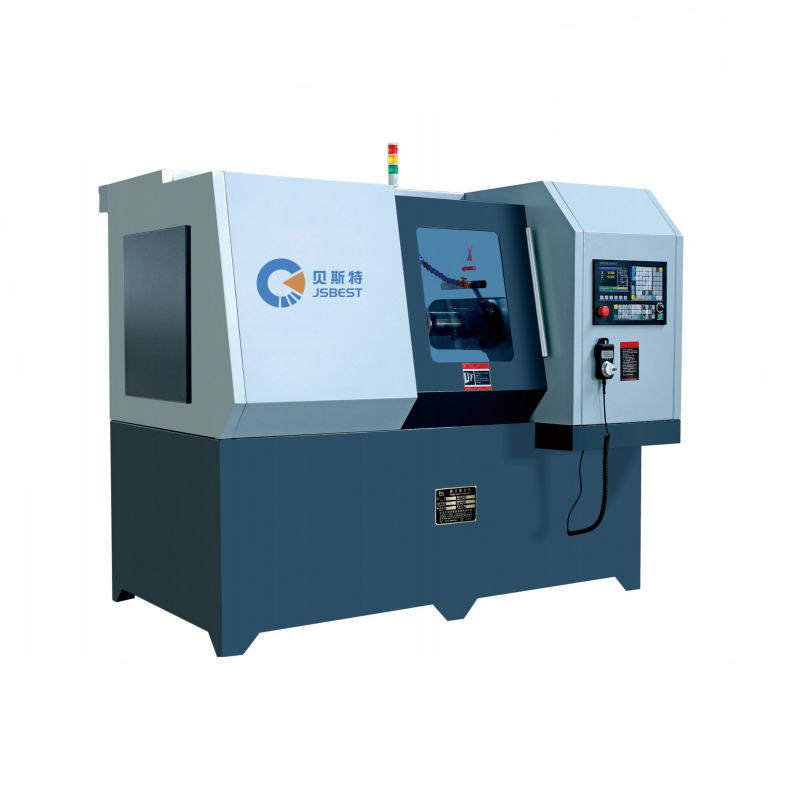
CNC Circular Knife Grinding Machine structural features:• High grinding accuracy, spindle and knife ...
See Details

- PRODUCT
- MDD Series Straight Knife Grinding Machine
- MYD Series Circular Knife Grinding Machine
- MCD Series Rewinding Knife Grinding Machine
- QUICK LINKS
- About Us
- Manufacturing
- Industry Solutions
- Downloads
- Contact
- CONTACT US
-
-
 No.99, Huanghai South Road, Tangyang Town, Dongtai City, Jiangsu Province, China
 -
 0086-13818631306
 -
 +86-515-85652988
 -

-

