


 English
  中文简体
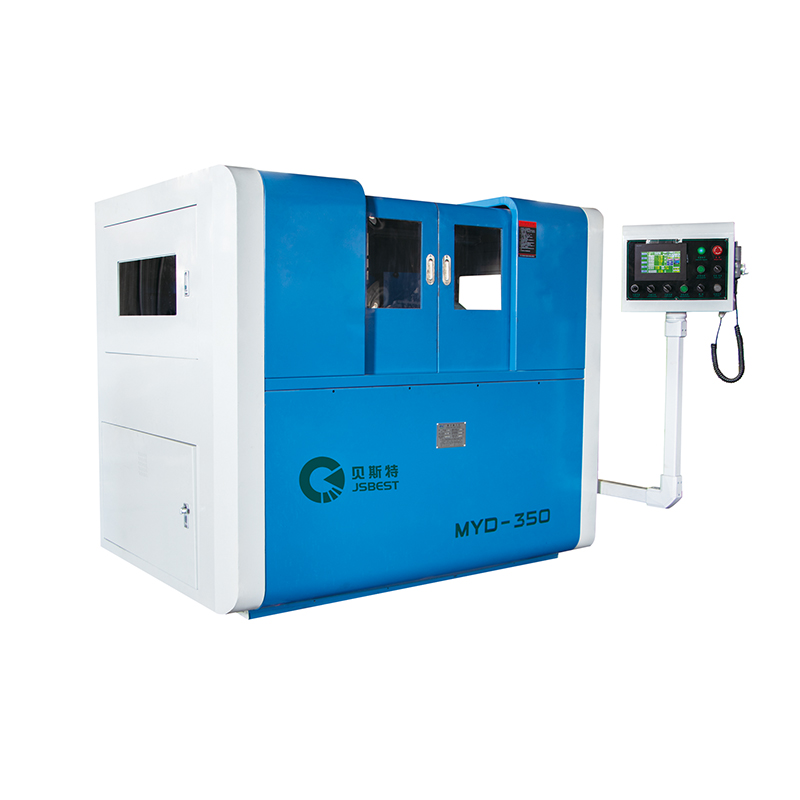
中文简体 • The CNC Knife Grinding Machine adopts PLC program control, which is easy to operate, fast, stable,...
See DetailsWhat are the uses of a Circular Knife Grinding Machine?
Industry News-Content
- 1 Primary Function: Edge Grinding of Circular Slitting Knives
- 2 Surface Grinding: Restoring Blade Flatness and Finish
- 3 Industry-Specific Uses of Circular Knife Grinding Machines
- 4 Use in Blade Quality Control and Dimensional Verification
- 5 Extending Blade Service Life: The Economic Case for Regular Grinding
- 6 Use in Reducing Production Downtime and Improving Cut Quality
- 7 Operational Uses: CNC vs. Manual Circular Knife Grinding Machines
- 8 About Jiangsu Best CNC Machinery Co., Ltd.
A circular knife grinding machine is used to restore, sharpen, and maintain the cutting edges and flat surfaces of circular (disc) blades used across a wide range of industrial cutting and slitting operations. Its core applications span the papermaking, printing, packaging, textile, food processing, woodworking, plastics, and metal processing industries — anywhere that circular slitting or cutting knives are central to production. By precisely regrinding both the beveled edge and the flat face of a circular blade, the machine restores the blade to its original sharpness and geometric accuracy, extending blade service life, reducing material waste, and maintaining consistent cut quality without the need to purchase new blades.
Primary Function: Edge Grinding of Circular Slitting Knives
The most fundamental use of a circular knife grinding machine is the precision regrinding of the cutting edge on circular slitting knives. In industrial slitting operations — converting large rolls of paper, film, foil, fabric, or plastic sheet into narrower rolls — the circular knives experience continuous wear along their cutting edge. Even microscopic edge degradation causes tearing rather than clean cutting, produces burrs on the slit edges, and increases cutting resistance, all of which reduce product quality and increase energy consumption.
Circular knife grinding machines address this through a precision grinding system capable of reproducing exact bevel angles consistently around the full circumference of the blade. Key capabilities include:
- Angle-controlled bevel grinding: The machine maintains the specified edge bevel angle (commonly between 15° and 45° depending on blade application) within tolerances of ±0.5° or better, ensuring the re-sharpened blade performs identically to a new blade.
- Full-circumference uniformity: Unlike manual sharpening, which produces inconsistent edge sharpness around the blade circumference, a circular knife grinding machine grinds the edge uniformly — eliminating the high and low spots that cause uneven cutting pressure and premature re-wear.
- Fine grinding in short cycle times: Advanced grinding technology and precision mechanical structures allow complete edge regrinding of a standard slitting knife in minutes, greatly improving production efficiency compared to manual or semi-manual sharpening methods.
- Compatibility with various blade types: Modern circular knife grinding machines can accommodate blades of different diameters, thicknesses, and materials — including high-speed steel (HSS), tungsten carbide-tipped, and tool steel circular knives — by adjusting grinding wheel selection and grinding parameters.
Surface Grinding: Restoring Blade Flatness and Finish
Beyond edge sharpening, a high-capability circular knife grinding machine also performs surface grinding of the blade's flat faces. This function is equally important to edge grinding in many applications, particularly in shear-cut slitting where the blade's side face contacts an opposing bottom knife or anvil roller, and the clearance between the two is measured in micrometers.
Surface grinding on circular knives serves several critical purposes:
- Restoring flatness after heat distortion: High-speed cutting generates heat that can cause minor warping or cupping of the blade faces. Surface grinding removes this distortion, restoring the blade to within flatness tolerances of 0.01 mm or better on precision machines.
- Removing surface defects and micro-pitting: Repeated cutting impacts cause micro-fatigue on the blade face, creating tiny pits and surface irregularities that increase friction during cutting. Surface grinding removes this damaged layer, restoring a smooth finish that reduces cutting resistance and improves cutting efficiency.
- Improving surface finish for reduced adhesion: For knives used in cutting adhesive films, food products, or rubber, a smoother blade face (lower Ra surface roughness value) reduces material adhesion to the blade, preventing buildup that degrades cut quality.
- Re-establishing correct axial thickness: When blade faces are ground to restore flatness, the machine also ensures that the axial thickness remains uniform across the full blade diameter, which is critical for maintaining correct side clearance in shear-cut applications.
Industry-Specific Uses of Circular Knife Grinding Machines
Circular knife grinding machines serve a broad spectrum of manufacturing industries. The specific blade types, materials, and grinding requirements vary by sector, but the underlying need — maintaining sharp, geometrically accurate circular cutting tools — is universal.
Papermaking and Paper Converting
Paper slitting is one of the highest-volume applications for circular knives. Converting paper rolls into finished widths for printing, packaging, or tissue products requires continuous slitting at speeds that can exceed 2,000 meters per minute. At these speeds, even minor edge wear creates dust, torn edges, or web breaks that halt production. Circular knife grinding machines used in the paper industry must:
- Handle large-diameter slitting knives (commonly 150 mm to 400 mm diameter).
- Achieve very fine edge geometry, typically a single bevel of 20° to 35°, precisely reproduced to prevent paper dust generation.
- Restore surface finish to minimize static charge buildup that attracts paper dust to the blade face.
Printing and Flexible Packaging
Printing and flexible packaging operations slit thin materials including BOPP film, PET film, aluminum foil, and laminated structures. These materials require razor-sharp edges with no micro-serrations to prevent film tearing, foil cracking, or delamination at the slit edge. Circular knife grinding machines used here operate with very fine-grit grinding wheels and produce edge surface finishes with Ra values as low as 0.2 to 0.4 μm, comparable to polished tool surfaces.
Textile and Fiber Processing
Circular knives in textile cutting and fiber slitting must cut through woven, knitted, or nonwoven fabrics cleanly without pulling threads or creating frayed edges. The grinding machine restores the blade's razor edge and removes any nicks caused by contact with needle holes, fasteners, or reinforcing fibers embedded in the material. For synthetic fiber cutting (including carbon fiber and aramid fiber composites), tungsten carbide circular knives are common, requiring diamond grinding wheels and specific grinding parameters managed by the machine.
Food Processing
Food processing equipment uses circular knives for slicing bread, meat, cheese, vegetables, and confectionery products. Blade sharpness directly affects both product quality (slice face appearance and dimensional accuracy) and food safety (blunt blades require greater cutting force, increasing the risk of product deformation and equipment stress). Circular knife grinding machines used in food industry maintenance must produce hygienic, burr-free edges and are typically used on stainless steel blades that must comply with food-contact material requirements. A sharp blade reduces cutting force by 30% to 50% compared to a dull blade, reducing product damage and extending equipment life.
Woodworking and Forestry
Wood panel slitting, veneer cutting, and engineered wood product manufacturing all rely on circular knives that encounter abrasive wood fibers, adhesive resins, and occasional embedded particles. Circular knife grinding machines restore these heavily worn blades, which are often made from high-alloy tool steel or carbide-tipped materials capable of withstanding the abrasive nature of wood cutting. Proper grinding geometry is critical: an edge that is too acute will chip in hard wood, while one that is too obtuse increases cutting resistance and causes burning.
Plastics and Rubber Processing
Plastic film, rubber sheet, foam, and extruded plastic profile cutting all require very sharp, smooth-faced circular knives to prevent material tearing or stretching at the cut edge. Circular knife grinding machines restore the edge sharpness and reduce blade face roughness, minimizing the tendency of plastic and rubber materials to stick to the blade during cutting. In rubber cutting specifically, a polished blade face with a Ra finish of 0.4 μm or better significantly reduces material adhesion that would otherwise require frequent production stops for blade cleaning.
Metal Processing and Foil Slitting
Slitting of metal coils — steel, aluminum, copper, and their alloys — into strip widths for stamping, forming, or further processing uses hardened circular knives running against bottom knives (spacers) in shear-cut slitting heads. These knives experience significant edge wear and face wear from metal-to-metal contact. Circular knife grinding machines regrind both the top and bottom knife edge geometries and restore face flatness, ensuring the correct side clearance of 5% to 10% of material thickness is maintained — a critical parameter for burr-free slit edges on metal strip.
Use in Blade Quality Control and Dimensional Verification
Advanced circular knife grinding machines incorporate in-process measurement and verification capabilities that extend their use beyond pure grinding into blade quality assurance functions. These capabilities include:
- Diameter measurement and compensation: As the blade diameter reduces with repeated grinding cycles, the machine automatically compensates positioning to maintain consistent edge geometry regardless of current blade diameter.
- Runout measurement: Some machines incorporate spindle-mounted dial indicators or probes to measure radial and axial runout of the blade on the grinding fixture, identifying bent or bowed blades before grinding that might otherwise produce uneven edge results.
- Edge angle verification: CNC-controlled machines with angular measurement systems allow the operator to verify the achieved bevel angle after grinding and compare it against the specified value, providing documented quality records for production traceability.
- Blade life tracking: By recording each grinding cycle and the material removed per cycle, modern machines help maintenance teams track remaining blade life and predict when a blade has been ground down to its minimum usable diameter — typically 10% to 15% reduction from the original diameter for most blade types.
Extending Blade Service Life: The Economic Case for Regular Grinding
One of the most important practical uses of a circular knife grinding machine is the systematic extension of blade service life through regular, controlled regrinding. Without a grinding machine, operators face a binary choice between continuing to run a degraded blade (with quality and efficiency consequences) or replacing the blade entirely. With a grinding machine, a blade that would otherwise be discarded can be restored and reused multiple times before reaching its minimum serviceable diameter.
The economic impact is substantial. A typical industrial circular slitting knife for paper or film converting might be regrindable 15 to 30 times over its service life before the diameter is reduced below the minimum usable threshold. Each grind restores the blade to near-new cutting performance. If a blade costs significantly more than the per-cycle grinding cost — which is always the case for high-quality HSS or carbide-tipped blades — then a well-managed grinding program can reduce blade procurement costs by 60% to 80% compared to a replace-only strategy.
| Industry | Typical Blade Material | Approx. Grinds per Blade Life | Key Grinding Requirement |
|---|---|---|---|
| Paper / Converting | HSS, Tool Steel | 15 – 30 | Fine bevel, low edge roughness |
| Flexible Packaging / Film | HSS, Carbide-tipped | 20 – 40 | Ultra-fine edge, polished face |
| Textile / Fiber | HSS, Carbide | 10 – 20 | Nick-free edge, acute angle |
| Food Processing | Stainless Steel | 10 – 25 | Burr-free, hygienic finish |
| Metal Slitting | D2 / H13 Tool Steel | 8 – 15 | Face flatness, precise clearance |
| Woodworking | Carbide-tipped, Alloy Steel | 5 – 15 | Chip-resistant angle, surface finish |
Use in Reducing Production Downtime and Improving Cut Quality
Beyond the direct blade maintenance function, circular knife grinding machines contribute to broader production efficiency in several ways:
Faster Blade Changeover Cycles
In high-volume slitting operations, operators maintain a bank of sharp blades — removing and replacing blades on a scheduled basis rather than waiting for visible cutting quality degradation. A circular knife grinding machine with short cycle times enables the rapid restoration of removed blades while production continues with the replacement set. This parallel operation minimizes total blade-related downtime and allows maintenance to occur between production shifts rather than during them.
Consistent Cut Quality Across Production Batches
A key quality use of the circular knife grinding machine is ensuring that all blades in a multi-knife slitting head are sharpened to identical edge geometry and sharpness levels. In a slitting head with 10 or 20 knives cutting simultaneously, variation between blade sharpness levels causes uneven cutting forces, differential material tension, and inconsistent slit widths. Machine-ground blades with uniform bevel angles and surface finishes across the entire set eliminate this variability and maintain tight slit width tolerances — typically ±0.1 mm to ±0.3 mm depending on material and application.
Reducing Material Waste from Poor Cuts
Dull or improperly profiled circular knives produce cut-edge defects — burrs, tears, frayed edges, or dust — that can render the slit material non-conforming. In high-value materials such as specialty films, technical textiles, or food products, the cost of rejects from poor cutting quality far exceeds the cost of maintaining a blade grinding program. Regular use of a circular knife grinding machine to keep blades at peak sharpness directly reduces the scrap rate attributable to cutting quality.
Operational Uses: CNC vs. Manual Circular Knife Grinding Machines
The specific operational uses and capabilities of a circular knife grinding machine depend significantly on whether it is a manually operated, semi-automatic, or fully CNC-controlled system. Each level of automation suits different production scales and precision requirements:
- Manual machines: Suitable for small shops, low-volume maintenance, and grinding a limited variety of blade types. The operator manually sets the grinding angle, controls feed rate, and measures results. Skill-dependent; results vary with operator experience.
- Semi-automatic machines: Automate the grinding traverse and depth-of-cut feed while the operator sets up the fixture and monitors the process. Suitable for medium-volume operations with standardized blade types. More consistent results than manual, at lower cost than full CNC.
- CNC-controlled machines: Program-controlled angle setting, feed rate, grinding cycles, and in-process measurement. Ideal for high-volume production grinding of multiple blade types and diameters. CNC machines can store grinding programs for dozens of different blade specifications and execute them repeatably without operator skill dependency. They are also capable of unmanned or lights-out grinding operations when integrated with blade loading/unloading systems.
About Jiangsu Best CNC Machinery Co., Ltd.
Jiangsu Best CNC Machinery Co., Ltd. brings over 35 years of specialized experience in manufacturing sharpening machines and is recognized as the largest professional sharpening machine production base in China. As a wholesale circular blade grinder supplier and OEM circular blade grinder factory, the company specializes in producing sharpening machines for a comprehensive range of industries including tool machinery, papermaking, printing, woodworking, textiles, fibers, food processing, forestry, and plastics.
Jiangsu Best CNC Machinery is responsible for drafting national standards for sharpening machines in China — a testament to its position at the forefront of the industry. The company operates a professional engineering and technical research center, with strong in-house capabilities spanning research and development, precision machining, testing, assembly, and equipment installation and commissioning. All operations adhere to rigorous, scientific, innovative, and sincere principles, with strict quality control at every production stage.
The company holds ISO9001 quality system certification and CE certification, and possesses product export licenses with full import and export business rights — enabling it to serve customers and industrial partners across global markets with confidence in product performance, quality consistency, and production capacity.
Related products
-
-

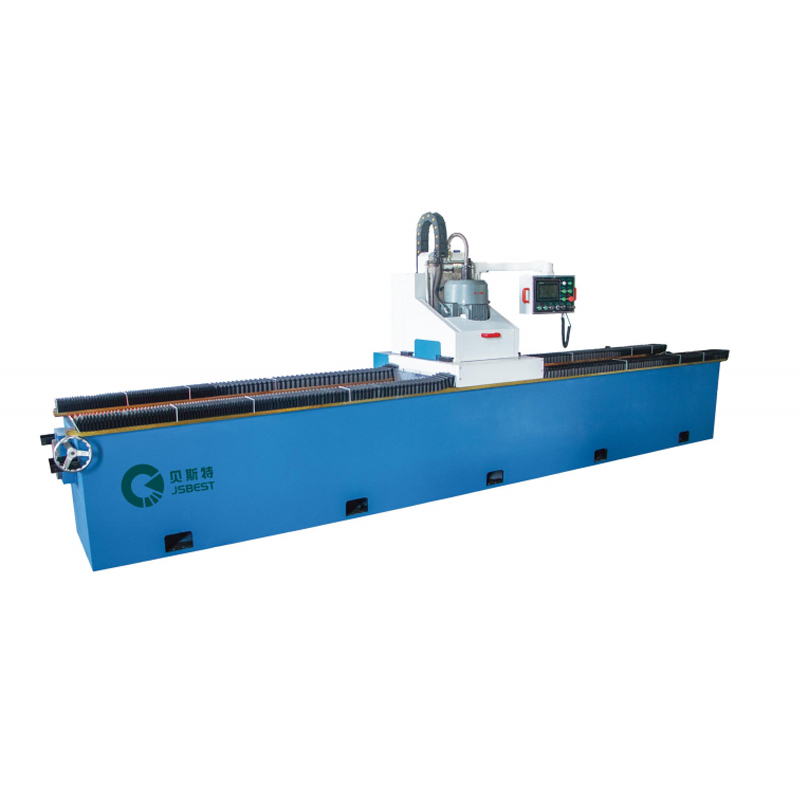
• The whole machine adopts a high-strength gantry-type welding structure, with a solid and compact o...
See Details -
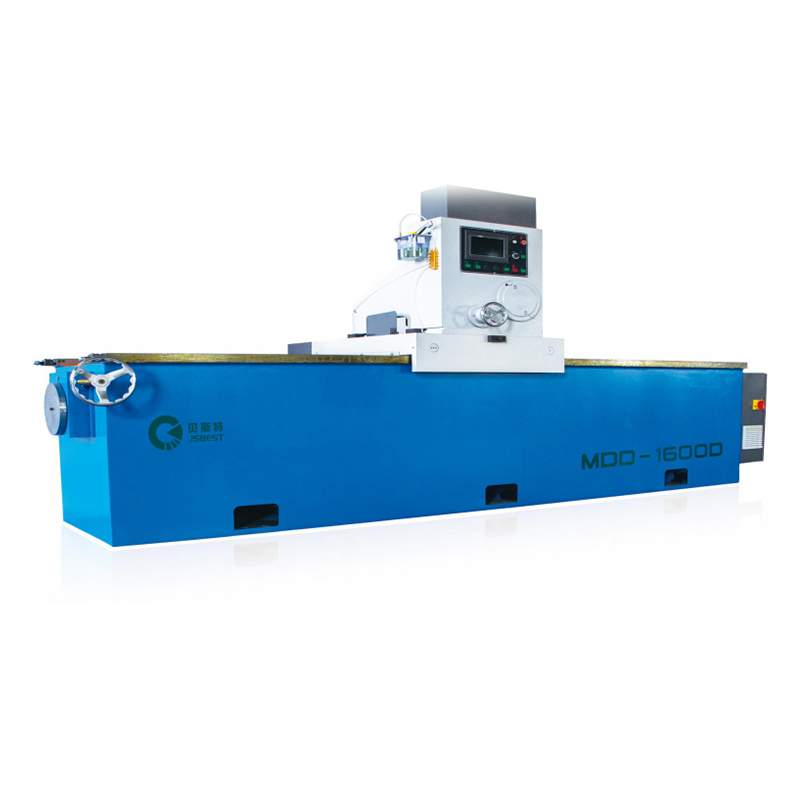
• The grinder adopts a gantry-type bed, high-quality steel plate welding, high-temperature tempering...
See Details -
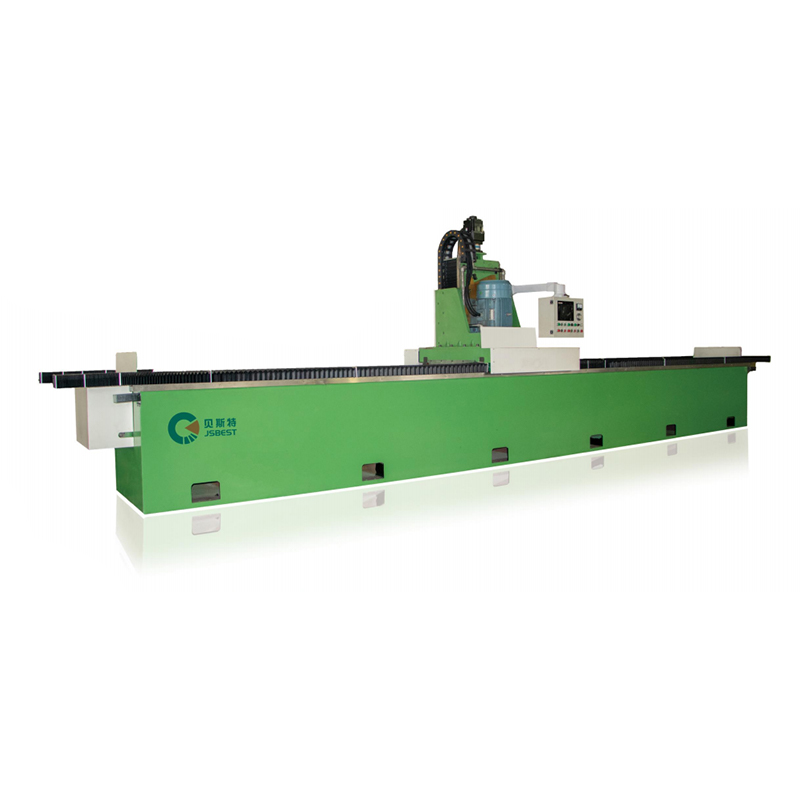
• A high-strength welded steel structure is adopted to eliminate the internal stress of the machine ...
See Details -
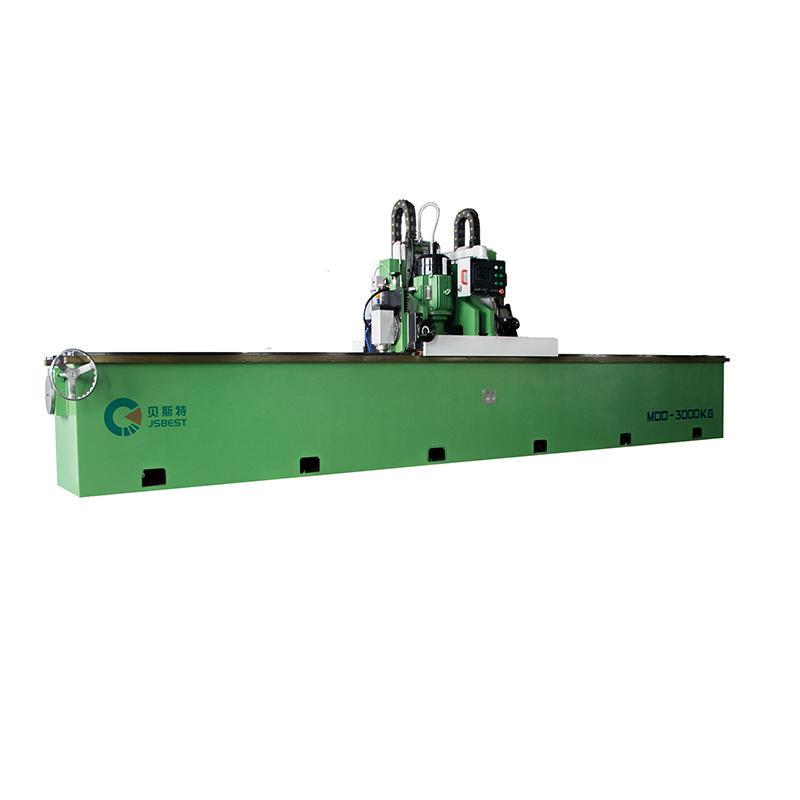
Double-Head Knife Grinding Machine is an efficient grinding equipment that combines rough grinding a...
See Details -
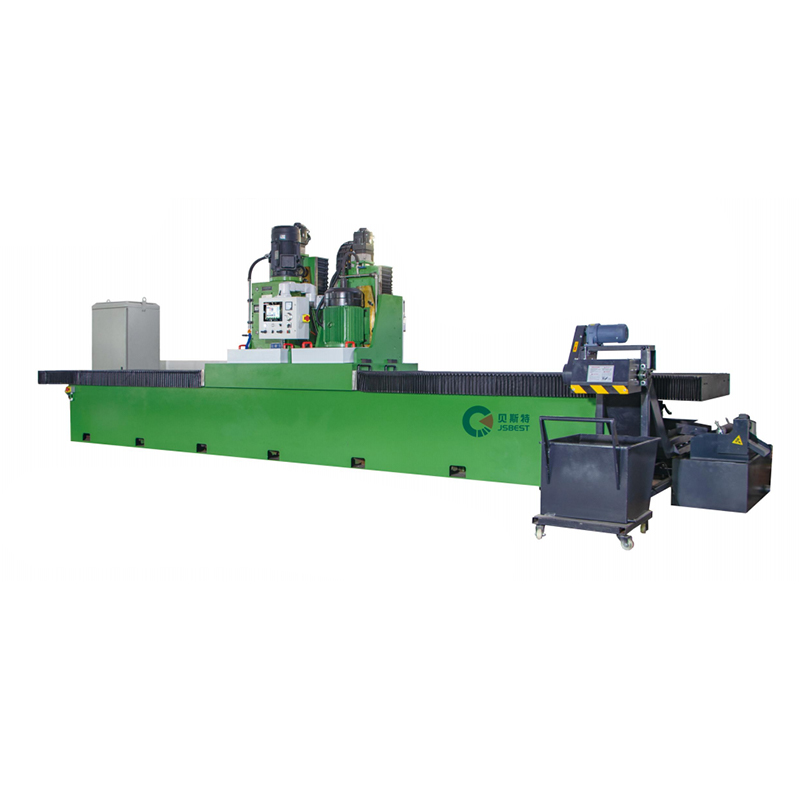
Heavy-Duty Surface Milling And Grinding Machine is an efficient processing equipment that integrates...
See Details -
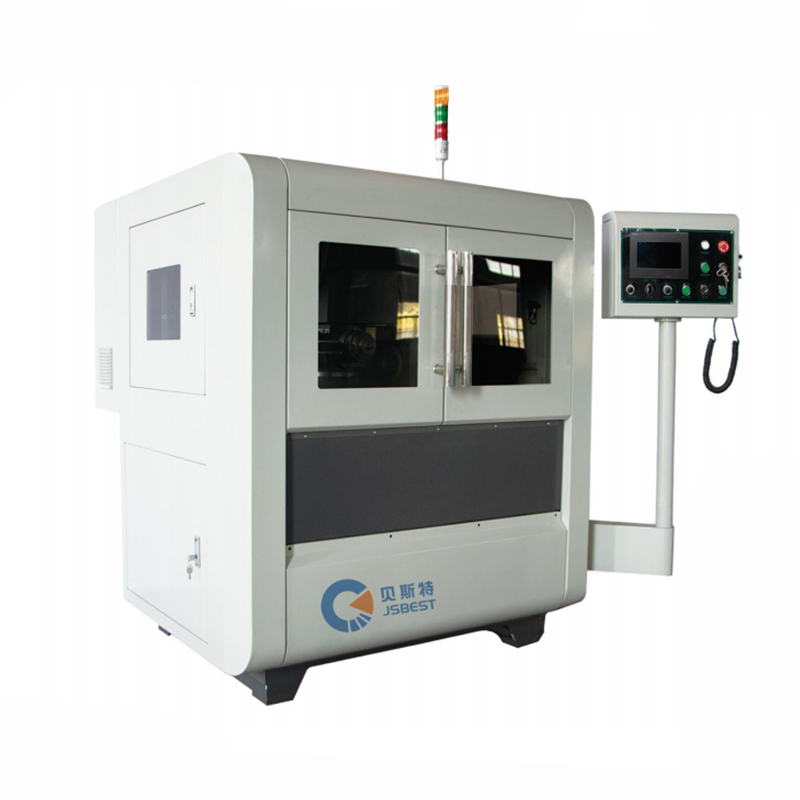
• This round knife grinder adopts a PLC program to control the automatic feeding part, which is easy...
See Details -
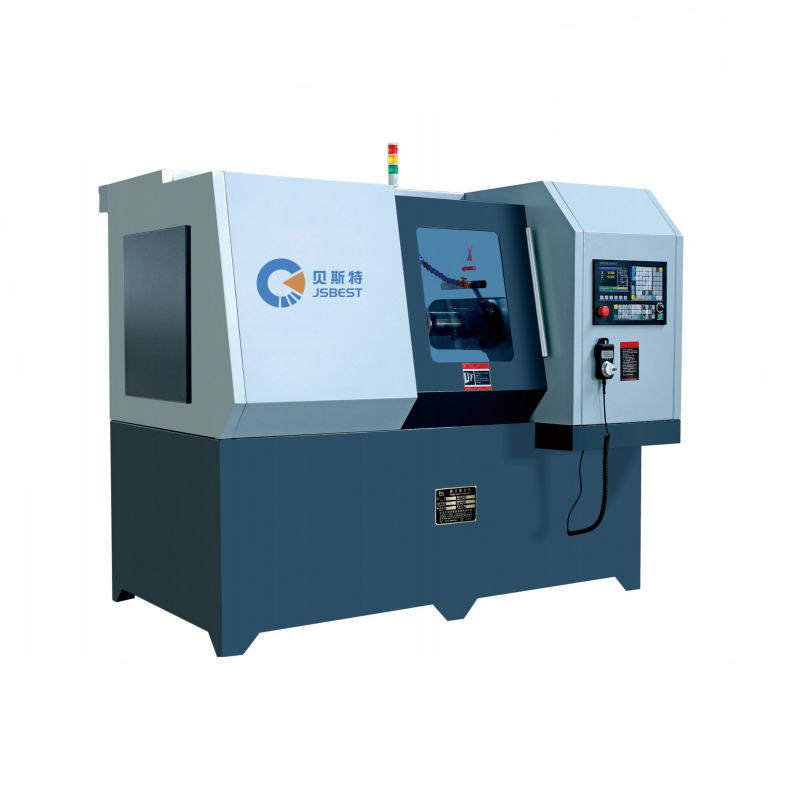
CNC Circular Knife Grinding Machine structural features:• High grinding accuracy, spindle and knife ...
See Details

- PRODUCT
- MDD Series Straight Knife Grinding Machine
- MYD Series Circular Knife Grinding Machine
- MCD Series Rewinding Knife Grinding Machine
- QUICK LINKS
- About Us
- Manufacturing
- Industry Solutions
- Downloads
- Contact
- CONTACT US
-
-
 No.99, Huanghai South Road, Tangyang Town, Dongtai City, Jiangsu Province, China
 -
 0086-13818631306
 -
 +86-515-85652988
 -

-

