


 English
  中文简体
中文简体 • The CNC Knife Grinding Machine adopts PLC program control, which is easy to operate, fast, stable,...
See DetailsWhat Is a Circular Knife Grinding Machine?
Industry News-Content
- 1 Core Components of a Circular Knife Grinding Machine
- 2 How the Grinding Process Works Step by Step
- 3 Why Precision Grinding Matters for Blade Performance
- 4 Industries That Rely on Circular Knife Grinding
- 5 Manual Sharpening vs Dedicated Grinding Machine
- 6 Choosing the Right Grinding Machine for Blade Size and Volume
- 7 Summary
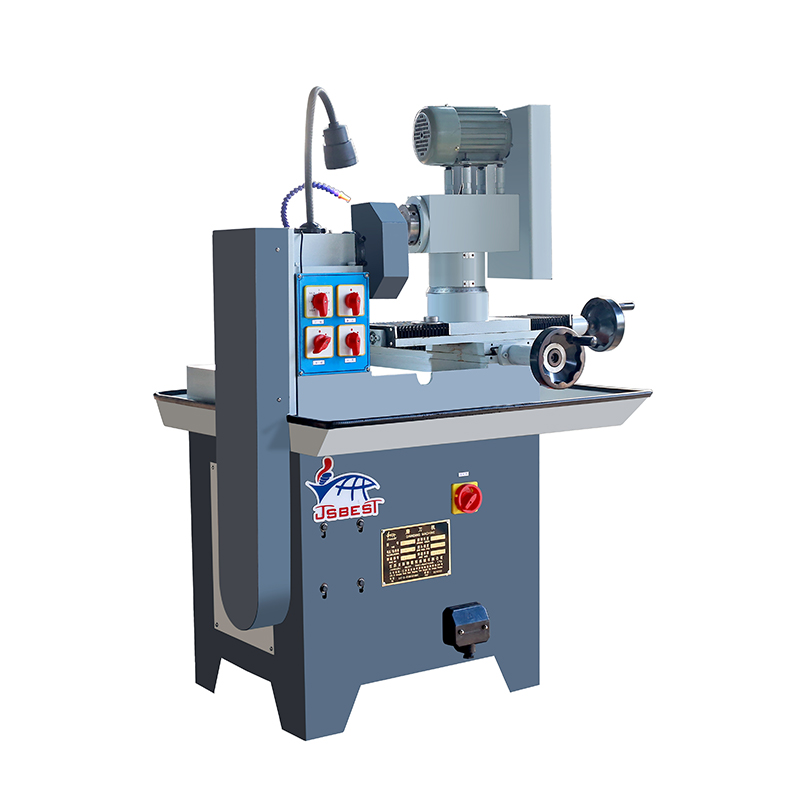
A circular knife grinding machine is industrial equipment designed to sharpen and resurface round or circular blades used in cutting, slitting, and slicing applications by rotating an abrasive grinding wheel against the blade edge while the blade itself is held stationary or rotated on a precision spindle. Unlike hand sharpening or generic bench grinders, a dedicated system such as the Circular Knife Grinding Machine maintains tight geometric tolerances on flatness, edge angle, and concentricity, which is essential because circular knives used in packaging, food processing, and paper converting lines must maintain a consistent cutting edge across their entire circumference to avoid uneven cuts.
The sections below explain the core components, the grinding process itself, and the industries where circular knife grinding is a routine maintenance requirement rather than an occasional repair task.
Core Components of a Circular Knife Grinding Machine
The machine is built around a small number of precision subsystems that work together to remove a controlled amount of material from the blade edge without introducing heat damage or geometric error.
Grinding Wheel and Spindle Assembly
The grinding wheel, typically a resin bonded or vitrified abrasive wheel, is mounted on a motorized spindle that can be adjusted for depth of cut in increments as fine as 0.01mm on precision models, allowing operators to remove only the minimal amount of steel needed to restore a sharp edge and extend blade service life.
Workpiece Clamping and Rotation Table
The circular blade is secured on a rotating chuck or magnetic clamping table that holds it flat and centered during grinding. Accurate clamping is critical, since even a small amount of blade wobble during rotation will produce an uneven edge angle around the circumference.
Coolant Delivery System
Because grinding generates localized heat that can alter the hardness of the blade's cutting edge through tempering, most circular knife grinding machines include a coolant delivery system that continuously floods the contact area, keeping blade surface temperature low enough to preserve the original heat treatment of the steel.
How the Grinding Process Works Step by Step
The grinding sequence follows a consistent pattern regardless of blade size, though cycle time and passes vary based on how dull or damaged the edge is.
- The circular blade is mounted and centered on the clamping table using a locating pin or magnetic hold
- The operator sets the target grinding angle to match the blade's original bevel specification
- The grinding wheel is brought into contact with the blade edge at a shallow depth of cut
- The blade rotates slowly while the wheel removes material evenly around the full circumference
- Coolant flows continuously to control heat and flush away metal particles
- Multiple light passes are made until the edge reaches the target sharpness and flatness tolerance
Taking multiple light passes rather than one heavy pass is standard practice in precision grinding, since it reduces the risk of edge chipping and keeps thermal buildup low, which directly protects blade hardness at the cutting edge.
Why Precision Grinding Matters for Blade Performance
The quality of the grind directly affects how the blade performs in production, which is why manufacturers invest in dedicated grinding equipment rather than relying on manual sharpening methods.
Edge Consistency and Cut Quality
A blade with an uneven edge around its circumference will produce inconsistent cuts, visible as ragged edges, uneven slit widths, or increased material waste on converting lines. Industrial cutting equipment guidance commonly cites edge runout tolerances within a few microns as the target for high speed slitting applications.
Blade Service Life
Because precision grinding removes only the minimum material needed, blades can typically be reground multiple times over their service life before reaching their minimum usable diameter, compared to blades sharpened by less controlled methods that tend to wear down faster due to inconsistent material removal.
Industries That Rely on Circular Knife Grinding
Circular knives are used across a wide range of converting and processing industries, and each depends on regular regrinding to maintain product quality and reduce downtime.
| Industry | Typical Application |
| Paper and packaging converting | Slitting rolls of paper, film, and corrugated board |
| Food processing | Slicing meat, cheese, and bakery products |
| Plastics and film manufacturing | Trimming and slitting extruded film webs |
| Textile and nonwoven production | Cutting fabric rolls to width |
| Rubber processing | Trimming rubber sheet and tire components |
In each of these settings, blade downtime for grinding is typically scheduled during planned maintenance windows to avoid interrupting continuous production lines.
Manual Sharpening vs Dedicated Grinding Machine
| Factor | Manual Sharpening | Dedicated Grinding Machine |
| Edge angle consistency | Variable, operator dependent | Repeatable and adjustable |
| Heat control | Limited, higher risk of tempering | Coolant controlled, low heat |
| Material removal precision | Difficult to control | Fine depth adjustment |
| Blade lifespan impact | Reduced due to uneven wear | Extended through minimal removal |
This comparison reflects general practice documented in industrial blade maintenance and metalworking references, and explains why facilities with high blade turnover typically move away from manual sharpening toward dedicated grinding equipment.
Choosing the Right Grinding Machine for Blade Size and Volume
Selecting equipment depends primarily on the diameter range of blades being serviced and how often grinding is needed in a facility's production schedule.
- Facilities handling small diameter slitting knives need finer depth control and smaller chuck sizing
- Larger diameter blades used in paper or film converting require higher torque spindle motors and larger clamping tables
- High volume operations benefit from machines with automated feed and pass cycles to reduce operator variability
- Facilities working with hardened alloy blades should confirm the wheel type is compatible with the blade's steel grade
Manufacturers evaluating equipment for their maintenance shop can review detailed specifications for machines like the Circular Knife Grinding Machine to match spindle capacity, clamping range, and control features to their specific blade inventory and production volume.
Summary
A circular knife grinding machine restores blade sharpness and geometric accuracy by removing controlled amounts of material from the cutting edge using a precision grinding wheel, coolant system, and stable clamping mechanism. Facilities in paper, food, plastics, and textile processing rely on this equipment to maintain consistent cut quality and extend blade service life well beyond what manual sharpening methods can achieve, making dedicated grinding equipment a standard part of blade maintenance programs in continuous production environments.
Related products
-
-

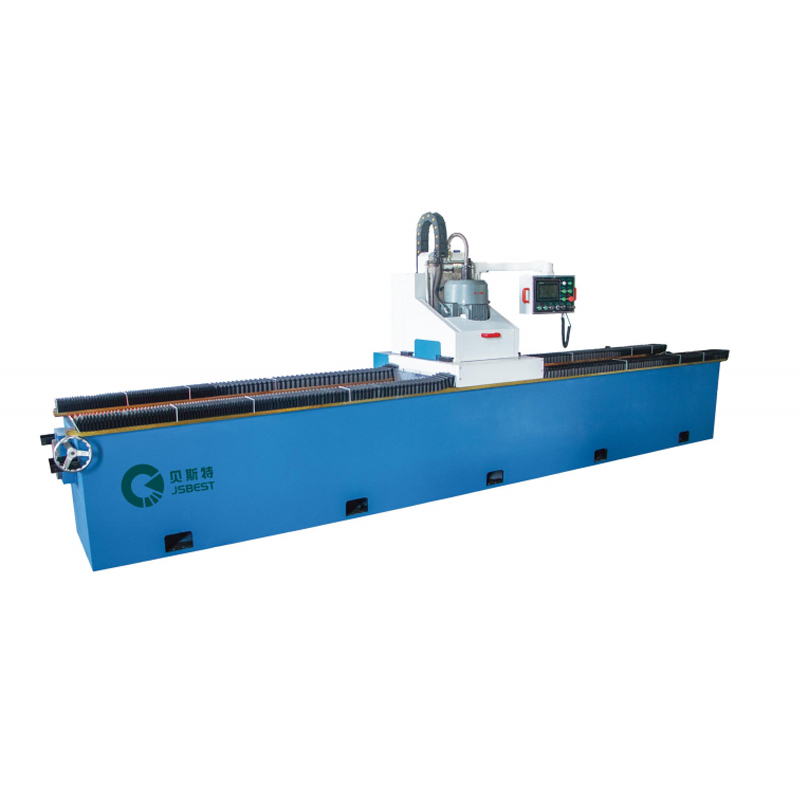
• The whole machine adopts a high-strength gantry-type welding structure, with a solid and compact o...
See Details -
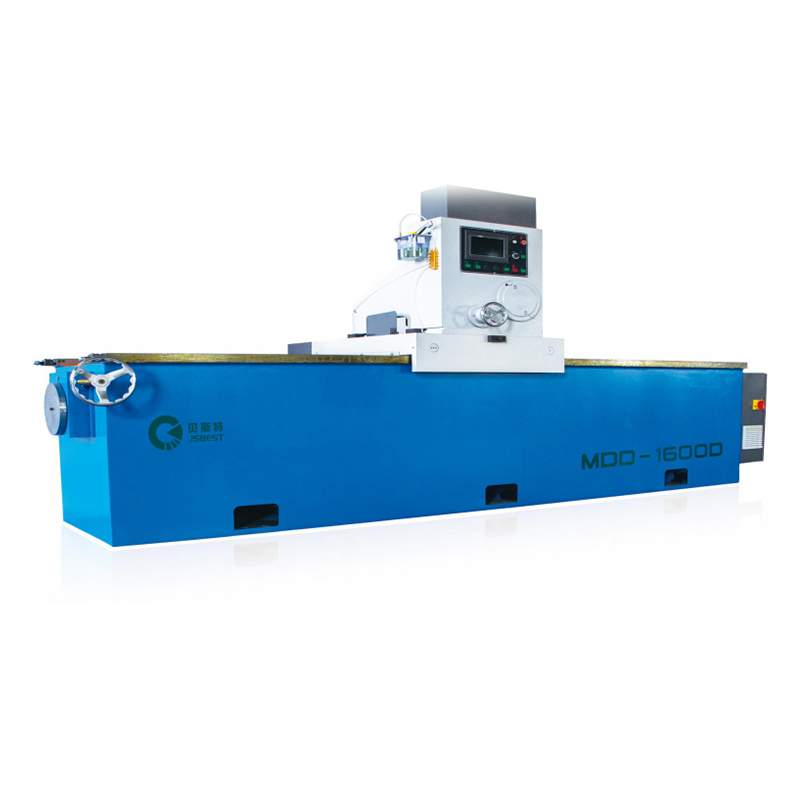
• The grinder adopts a gantry-type bed, high-quality steel plate welding, high-temperature tempering...
See Details -
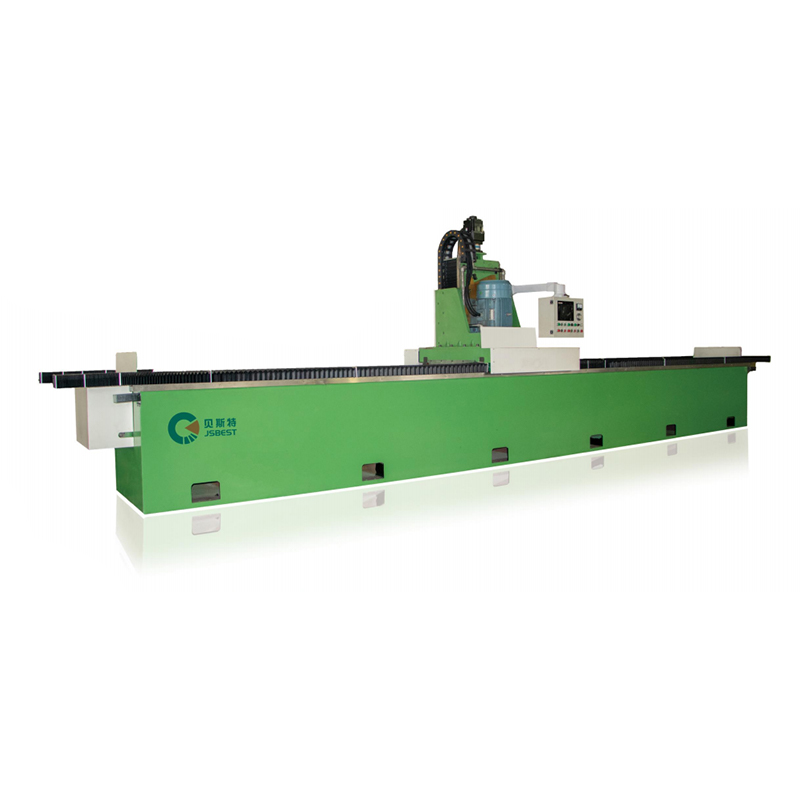
• A high-strength welded steel structure is adopted to eliminate the internal stress of the machine ...
See Details -
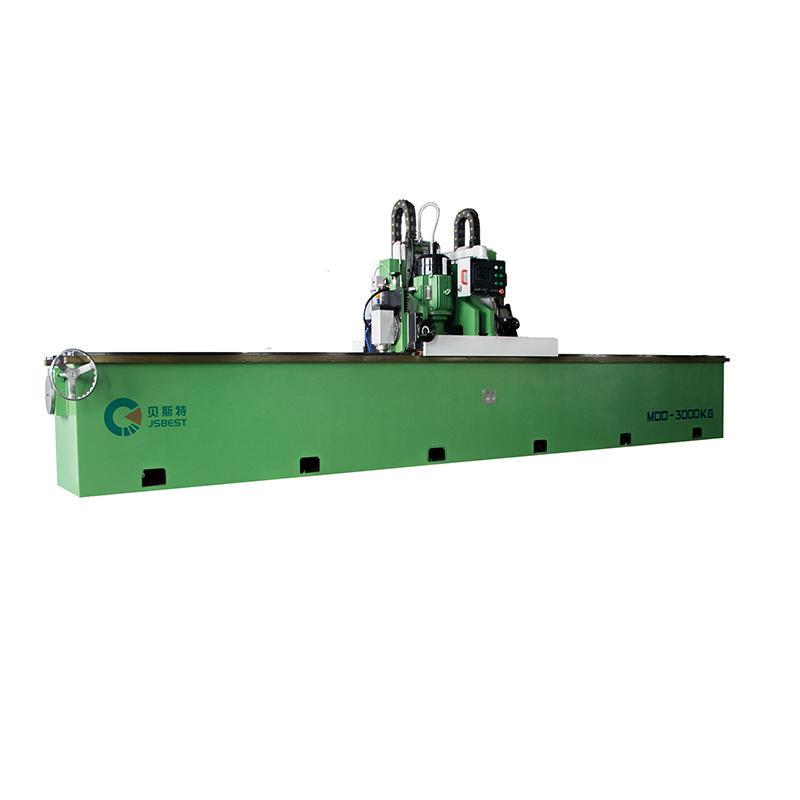
Double-Head Knife Grinding Machine is an efficient grinding equipment that combines rough grinding a...
See Details -
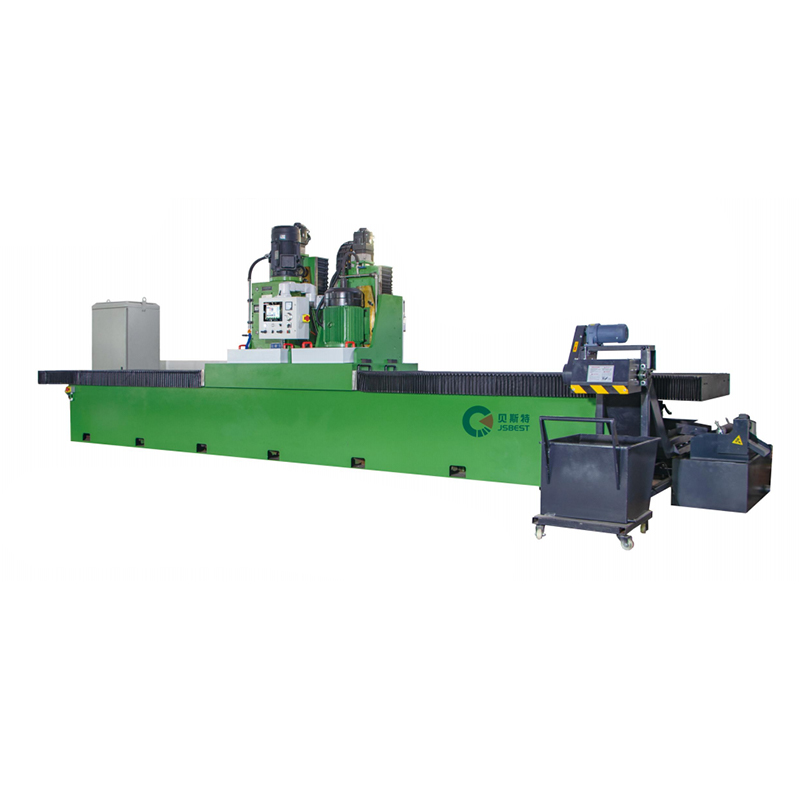
Heavy-Duty Surface Milling And Grinding Machine is an efficient processing equipment that integrates...
See Details -
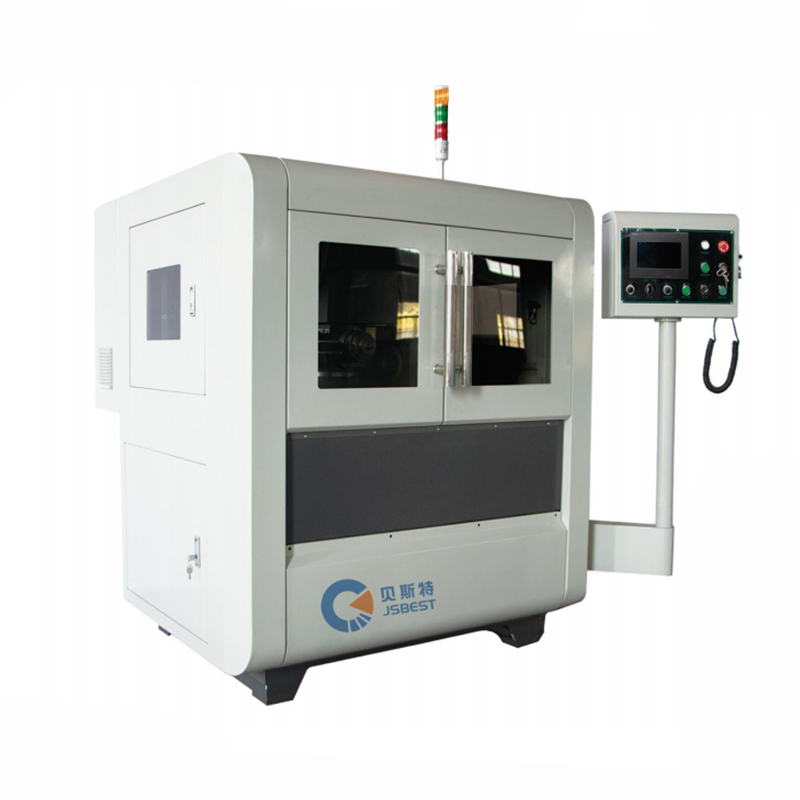
• This round knife grinder adopts a PLC program to control the automatic feeding part, which is easy...
See Details -
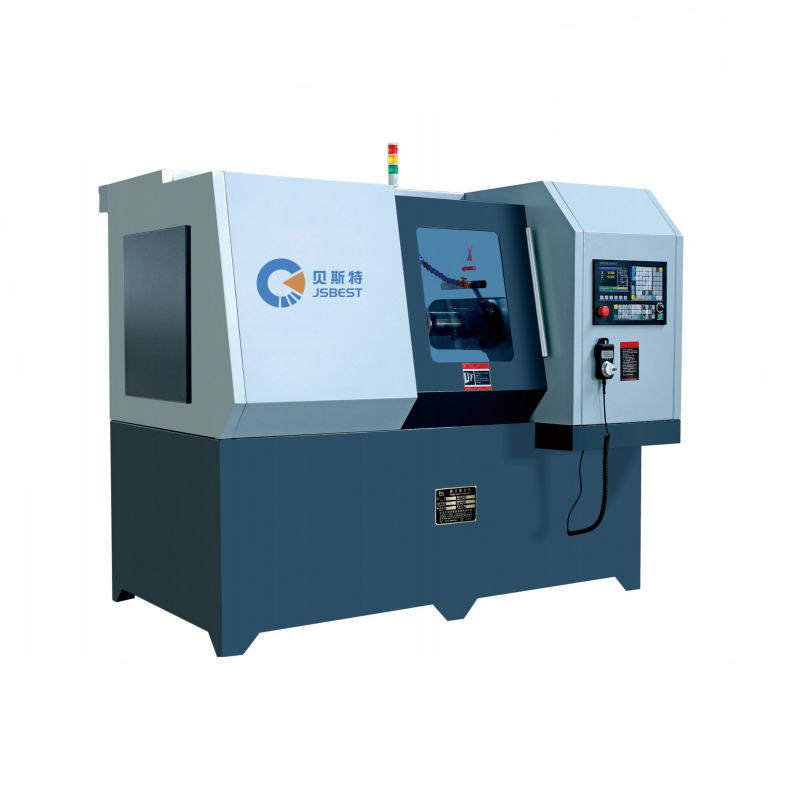
CNC Circular Knife Grinding Machine structural features:• High grinding accuracy, spindle and knife ...
See Details

- PRODUCT
- MDD Series Straight Knife Grinding Machine
- MYD Series Circular Knife Grinding Machine
- MCD Series Rewinding Knife Grinding Machine
- QUICK LINKS
- About Us
- Manufacturing
- Industry Solutions
- Downloads
- Contact
- CONTACT US
-
-
 No.99, Huanghai South Road, Tangyang Town, Dongtai City, Jiangsu Province, China
 -
 0086-13818631306
 -
 +86-515-85652988
 -

-

