


 English
  中文简体
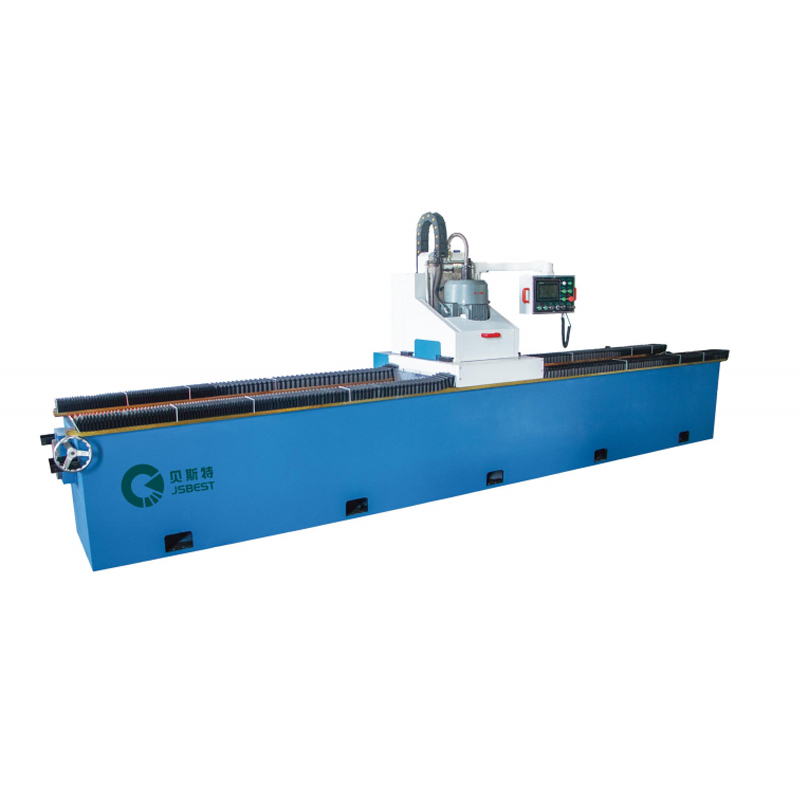
中文简体 • The CNC Knife Grinding Machine adopts PLC program control, which is easy to operate, fast, stable,...
See DetailsWhy Use a Straight Knife Grinding Machine?
Industry News-Content
- 1 Improved Edge Consistency Across Long Blades
- 2 Reduced Blade Replacement Frequency
- 3 Lower Labor Cost and Operator Skill Dependency
- 4 Better Safety Compared to Manual Sharpening
- 5 Applications Across Industries
- 6 Key Features to Look for in a Grinding Machine
- 7 Maintenance Practices That Extend Machine Life
A Straight Knife Grinding Machine is used because it produces a consistent, repeatable edge geometry on long industrial blades that manual sharpening simply cannot match. Manual grinding introduces angle variation of up to 3 to 5 degrees along a blade's length, while a properly set up automated grinder holds tolerance within a fraction of a degree across the entire edge. This directly affects cutting performance, blade lifespan, and the quality of the finished product in industries such as paper, plastics, wood, and recycling.
Beyond precision, the labor savings are significant. A skilled operator manually grinding a 1200mm blade may need 30 to 45 minutes per blade, while a machine such as Jinye's MDD Series can complete the same task in a fraction of that time with far less operator fatigue and no dependence on individual skill level.
Improved Edge Consistency Across Long Blades
Straight knives used in slitting, shearing, and guillotine cutting applications can range from 300mm to over 3000mm in length. Maintaining a uniform bevel angle and edge sharpness across that entire span is nearly impossible by hand.
What consistency affects downstream
- Even material cutting with no wavy or torn edges on the finished product
- Reduced vibration and noise during high-speed cutting operations
- Lower risk of localized overheating on the blade edge, which weakens the steel
- Longer intervals between required re-sharpening cycles
A machine-ground edge typically shows a flatness deviation of less than 0.02mm across the full blade length, according to standard tolerance specifications used in industrial blade manufacturing equipment. That level of uniformity is difficult to achieve consistently with freehand grinding tools.
Reduced Blade Replacement Frequency
Blades that are ground correctly last longer because the cutting edge retains its structural integrity rather than being thinned unevenly or overheated during sharpening. Overheating during manual grinding is one of the most common causes of premature blade failure, since excess heat can soften the hardened steel and cause micro-cracking along the edge.
Common causes of shortened blade life
| Uneven bevel angle | Creates weak points that chip or dull faster |
| Overheating during grinding | Softens steel and causes premature edge failure |
| Excess material removal | Shortens the usable lifespan of the blade |
With controlled feed rates and coolant systems built into machines like the MDD Series, facilities commonly report blade life extensions of 20 to 30 percent compared to manually maintained blades, based on data shared by industrial blade maintenance workshops.
Lower Labor Cost and Operator Skill Dependency
Manual blade sharpening requires years of hands-on experience to execute well, and even experienced operators produce variable results depending on fatigue, lighting, and blade condition. Automated straight knife grinding removes much of this variability from the process.
Labor comparison for a mid-size blade
- Manual grinding requires a trained technician and typically 30 to 45 minutes per blade
- Machine grinding requires basic operator training and significantly reduces per-blade time
- Machine output quality does not degrade with operator fatigue over a shift
- Fewer blades are scrapped due to grinding errors, reducing material waste
This shift allows facilities to reassign skilled technicians to higher-value maintenance tasks while less experienced staff can safely operate the grinding machine under standard settings.
Better Safety Compared to Manual Sharpening
Manual grinding of long straight knives involves handling a sharp, heavy blade close to a spinning grinding wheel, which increases the risk of hand injuries. Enclosed grinding machines position the blade in a secured holder and guide the grinding head automatically along the edge.
This setup reduces direct hand contact with both the blade and the grinding wheel, which is one of the primary safety advantages cited by manufacturing safety guidelines when comparing manual versus automated blade maintenance processes.
Applications Across Industries
Straight knife grinding machines are used wherever long, straight cutting blades require regular maintenance to keep production running smoothly.
| Paper and packaging | Sheeting and slitting knives that need daily or weekly sharpening |
| Plastics and film | Guillotine and shear blades for extrusion lines |
| Wood processing | Veneer and board trimming knives |
| Recycling | Shredder and granulator blades subject to heavy wear |
Key Features to Look for in a Grinding Machine
Not all straight knife grinding machines offer the same level of precision or durability. When evaluating equipment, a few features consistently separate reliable machines from lower-performing ones.
- Adjustable grinding angle to match different blade bevel requirements
- Built-in coolant delivery to prevent heat damage during grinding
- Rigid blade clamping system to prevent movement during the grinding pass
- Automatic feed control for uniform material removal along the full blade length
Machines such as the Straight Knife Grinding Machine from Jinye's MDD Series are designed with these features to handle a wide range of blade lengths and thicknesses used across industrial cutting operations.
Maintenance Practices That Extend Machine Life
Like any precision equipment, a grinding machine performs best when it receives regular care. Keeping the grinding wheel dressed and free of buildup, checking the coolant system for contamination, and inspecting the blade clamping mechanism for wear all help maintain consistent output quality over time.
Facilities that follow a scheduled maintenance routine for their grinding equipment typically see fewer unplanned production stoppages related to blade quality issues, since a well-maintained machine continues to produce the same edge precision batch after batch.
Related products
-

-

• The whole machine adopts a high-strength gantry-type welding structure, with a solid and compact o...
See Details -
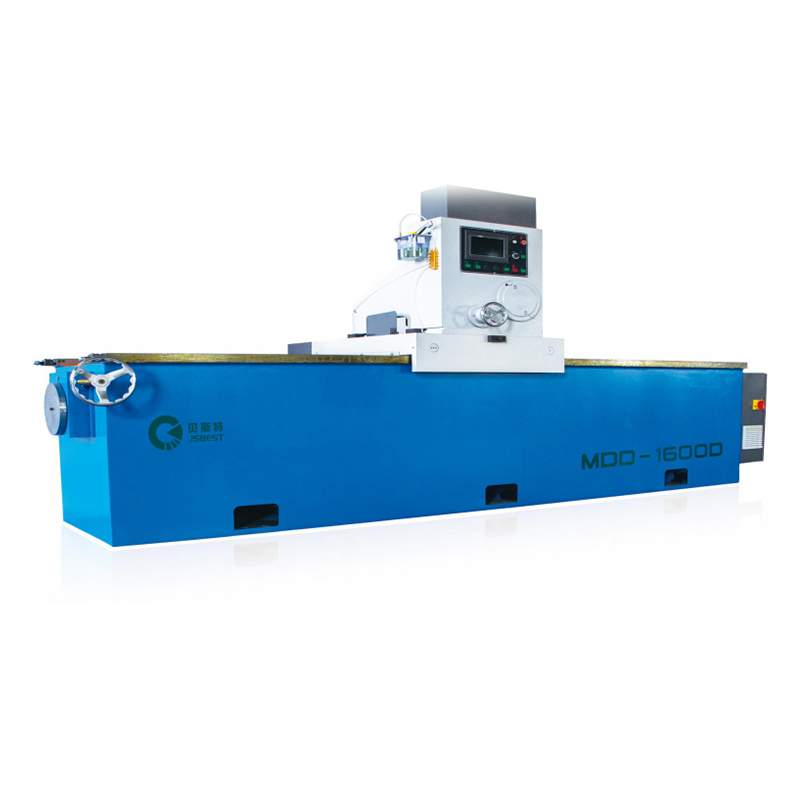
• The grinder adopts a gantry-type bed, high-quality steel plate welding, high-temperature tempering...
See Details -
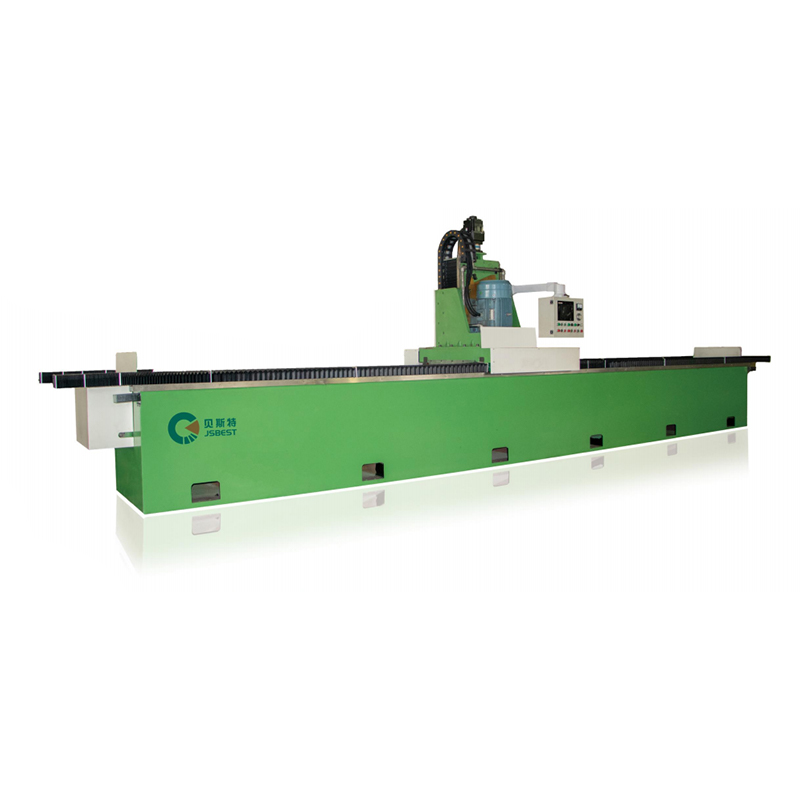
• A high-strength welded steel structure is adopted to eliminate the internal stress of the machine ...
See Details -
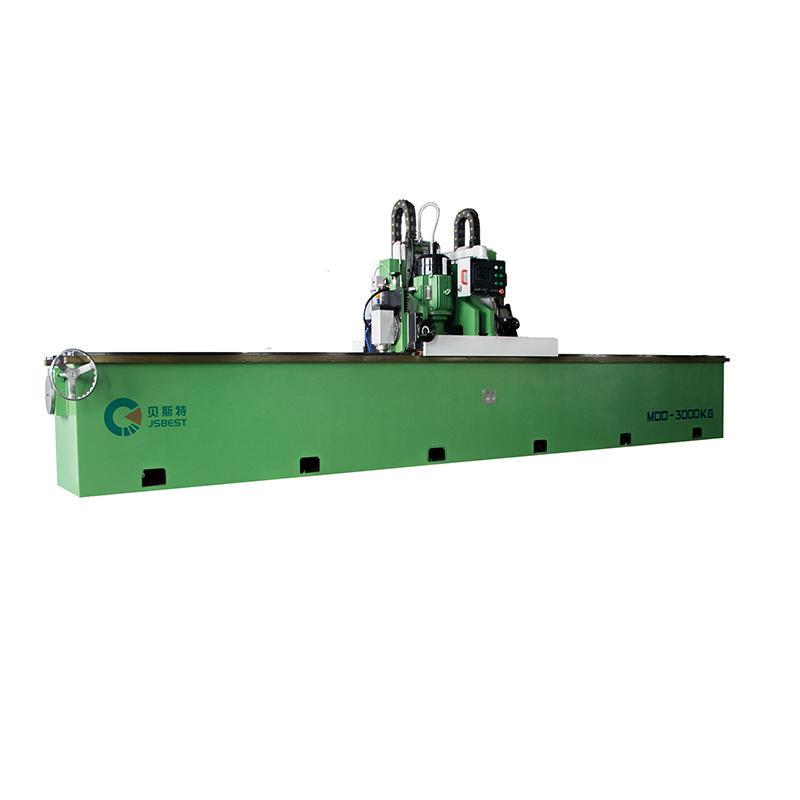
Double-Head Knife Grinding Machine is an efficient grinding equipment that combines rough grinding a...
See Details -
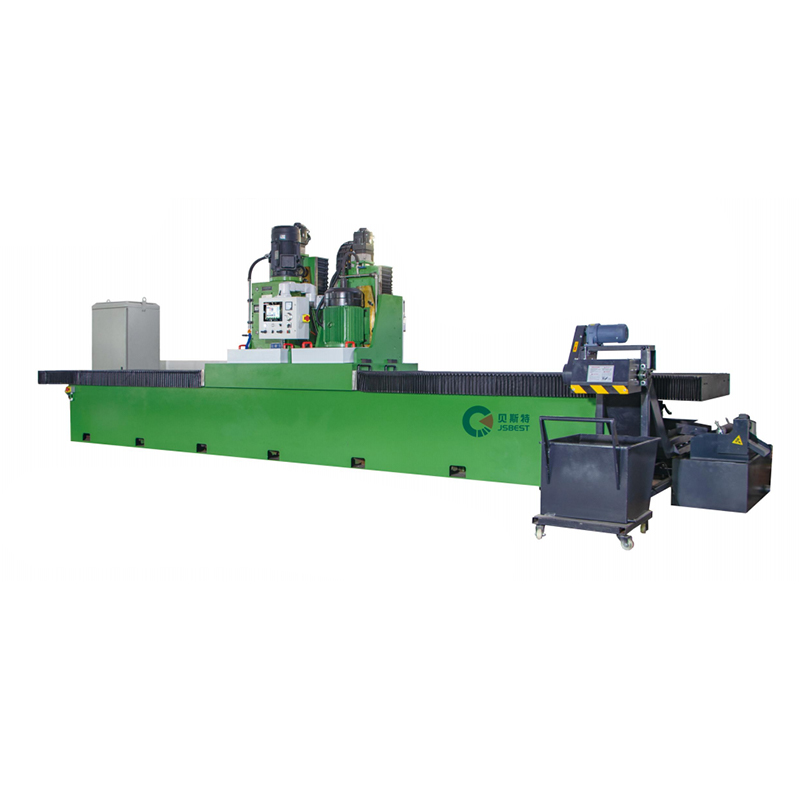
Heavy-Duty Surface Milling And Grinding Machine is an efficient processing equipment that integrates...
See Details -
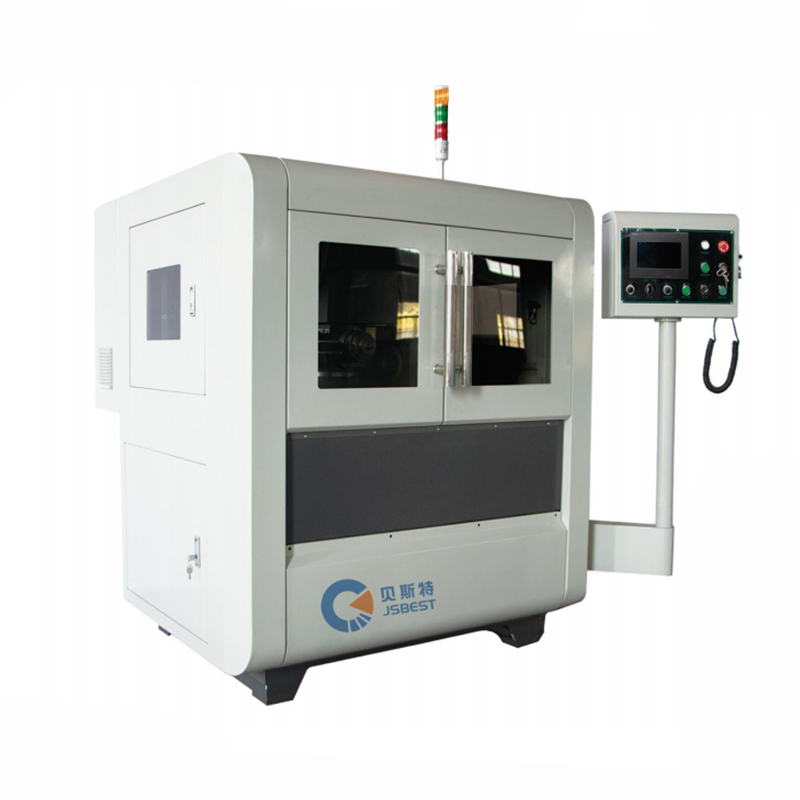
• This round knife grinder adopts a PLC program to control the automatic feeding part, which is easy...
See Details -
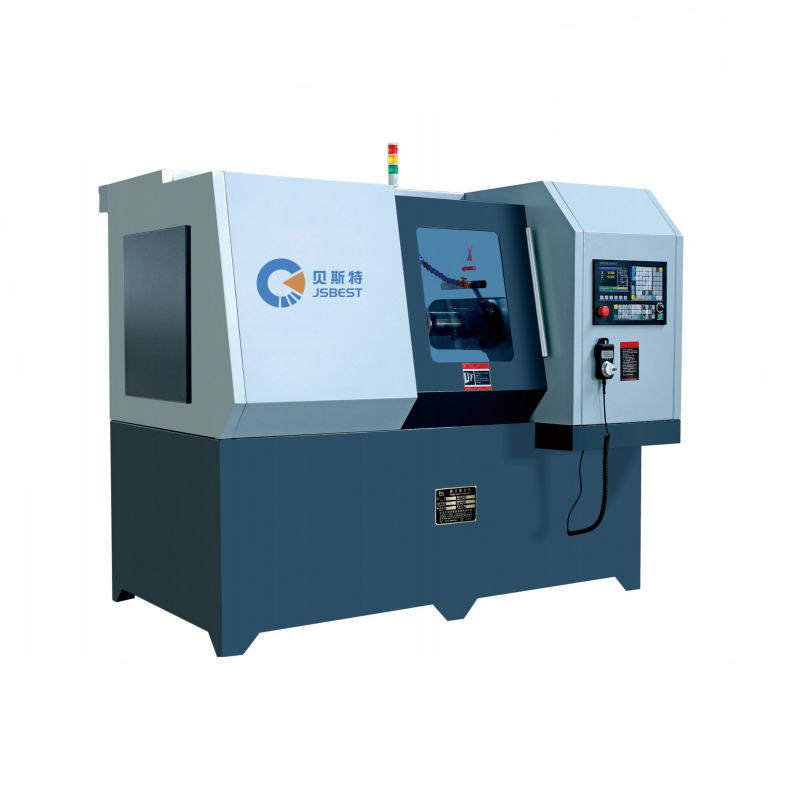
CNC Circular Knife Grinding Machine structural features:• High grinding accuracy, spindle and knife ...
See Details

- PRODUCT
- MDD Series Straight Knife Grinding Machine
- MYD Series Circular Knife Grinding Machine
- MCD Series Rewinding Knife Grinding Machine
- QUICK LINKS
- About Us
- Manufacturing
- Industry Solutions
- Downloads
- Contact
- CONTACT US
-
-
 No.99, Huanghai South Road, Tangyang Town, Dongtai City, Jiangsu Province, China
 -
 0086-13818631306
 -
 +86-515-85652988
 -

-

