


 English
  中文简体
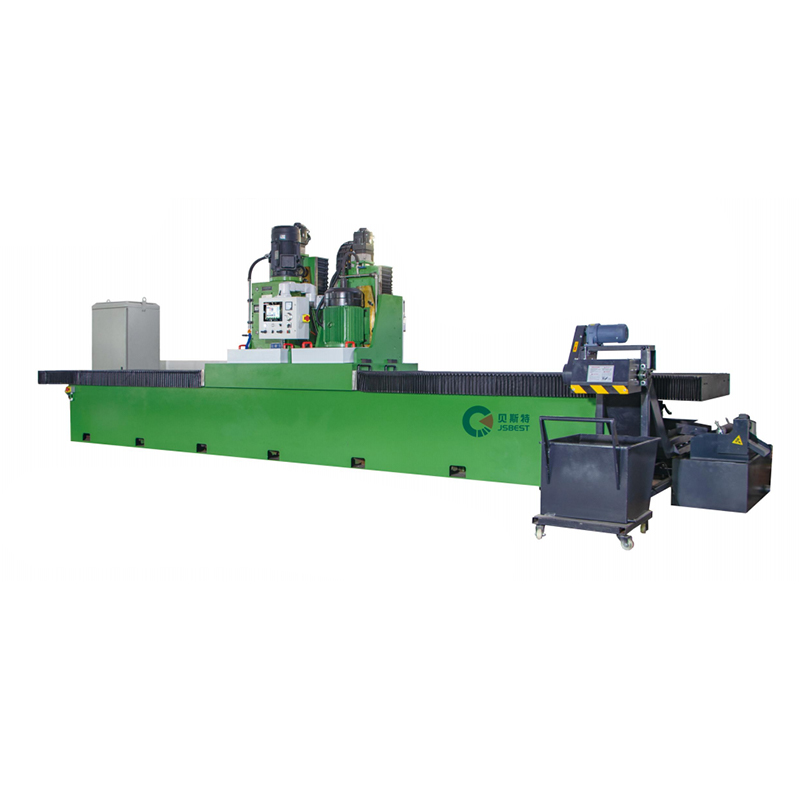
中文简体 • The CNC Knife Grinding Machine adopts PLC program control, which is easy to operate, fast, stable,...
See DetailsWhat Are the Benefits of Straight Knife Grinding Machines?
Industry News-Content
- 1 Benefit 1: Precise and Repeatable Blade Geometry Restoration
- 2 Benefit 2: Dramatically Extended Blade Service Life
- 3 Benefit 3: Superior Cutting Quality and Dimensional Accuracy
- 4 Benefit 4: Elimination of Manual Grinding Inconsistency
- 5 Benefit 5: Reduced Total Cost of Blade Ownership
- 6 Benefit 6: Improved Operator Safety and Ergonomics
- 7 Benefit 7: Reduced Machine Downtime Through Optimized Blade Change Scheduling
- 8 Key Technical Features to Look for in a Straight Knife Grinding Machine
- 9 Industries That Benefit Most from Straight Knife Grinding Machines
- 10 Setting Up an Effective Straight Knife Grinding Program
- 11 Our MDD Series Straight Knife Grinding Machines
Straight Knife Grinding Machines deliver five core benefits that make them indispensable in industrial cutting operations: consistent blade geometry restoration, extended knife service life, reduced material waste from inaccurate cutting, elimination of manual grinding inconsistency, and lower total cost of blade ownership compared to replacement-only strategies. For any facility operating straight-bladed cutting equipment — fabric cutting rooms, paper and packaging lines, food processing plants, foam and rubber manufacturing, leather goods production, or wood and composite processing — a dedicated straight knife grinding machine is not a peripheral accessory but a core production asset that directly determines cutting quality and operational efficiency.
The practical impact is measurable: industrial cutting facilities that implement scheduled automated straight knife grinding programs report blade service life extensions of 3 to 5 times compared to replacement-without-grinding strategies, cutting accuracy improvements of 0.1 to 0.3 mm in edge straightness, and reduction in operator downtime related to blade changes of 30 to 50% through longer intervals between changes. (Source: Textile Institute Technical Guides; SME Manufacturing Engineering Handbook on Cutting Tool Management.)
The sections below examine each benefit in detail, covering the mechanical basis of why grinding outperforms alternative blade maintenance approaches, the specific process parameters that determine grinding quality, and the operational context in which each benefit is most significant.
Benefit 1: Precise and Repeatable Blade Geometry Restoration
The fundamental purpose of a straight knife grinding machine is to restore the blade's original cutting geometry — the combination of edge angle (bevel angle), edge straightness, and surface finish — that the knife loses progressively through use. This geometry restoration is the source of all downstream benefits: a correctly restored blade cuts more accurately, requires less force, generates less heat at the cutting zone, and lasts longer before the next grinding cycle.
What Happens to a Blade Edge During Use
As a straight knife cuts through material, three mechanisms degrade the cutting edge:
- Micro-chipping: The hardened steel edge develops microscopic fractures and chips from impact with hard inclusions in the material (staples, buttons, grit in fabric, bone fragments in food processing). Each chip creates a local irregularity in the edge profile that causes tearing rather than clean cutting at that point.
- Edge rounding: The acute cutting edge is progressively abraded by friction with the cut material, increasing the effective edge radius from a sharp value of under 5 micrometers to a worn value of 20 to 50 micrometers — a rounded geometry that requires significantly more force to initiate cutting and produces a rougher cut surface.
- Bevel wear: The bevel faces of the blade wear at different rates depending on cutting geometry, producing an asymmetric edge profile that deflects the blade laterally during cutting and causes drift — systematic dimensional error in the cut pattern.
A straight knife grinding machine addresses all three degradation mechanisms simultaneously by removing a controlled layer of metal from the bevel face(s), resetting the edge radius to a sharp geometry, eliminating chips, and restoring symmetric bevel angles. The accuracy of this restoration depends on the machine's ability to hold the blade at a precise, repeatable angle relative to the grinding wheel surface throughout the grinding pass.
How Grinding Machines Achieve Geometric Precision
Modern straight knife grinding machines achieve bevel angle accuracy through two primary mechanisms: a precision-ground blade clamping fixture that holds the blade at the specified angle, and a motorized grinding wheel traversal system that moves the wheel (or the blade, depending on machine design) in a straight line along the full blade length with consistent contact pressure. Key precision parameters include:
- Bevel angle setting range: Typically adjustable from 10 to 40 degrees per bevel, covering the full range of knife geometries used in industrial cutting — from fine-bevel fabric knives (15 to 20 degrees) to robust single-bevel meat and food processing knives (25 to 35 degrees)
- Angle repeatability: Quality grinding machines hold bevel angle repeatability of plus or minus 0.5 degrees across the blade length and between grinding sessions, ensuring consistent edge geometry for predictable cutting performance
- Edge straightness: CNC-controlled machines achieve blade edge straightness (the maximum deviation of the ground edge from a true straight line) of 0.02 to 0.05 mm per 100 mm of blade length — significantly tighter than manual grinding, which typically achieves 0.1 to 0.3 mm per 100 mm at best
- Surface finish: The grinding wheel specification (grain size, bond type, and hardness) determines the surface roughness Ra of the ground bevel face. Fine-grit finishing wheels produce Ra values of 0.4 to 0.8 micrometers, which reduces cutting friction and the tendency for material fibers to catch on the bevel surface
(Source: ANSI B7.1 Safety Requirements for the Use, Care, and Protection of Abrasive Wheels; ISO 525 Bonded abrasive products — General requirements.)
Benefit 2: Dramatically Extended Blade Service Life
Blade service life — the total usable life of a knife before it is scrapped — is determined not only by the quality of the blade material but by how its geometry is maintained throughout use. A straight knife grinding machine transforms the service life calculation from a linear replacement model to a cyclical restoration model that extracts far more cutting work from each blade investment.
The Economics of Grinding vs Replacement
Without grinding, a straight knife is used until cutting quality degrades to an unacceptable level, then discarded. The usable life before quality degradation is determined by the rate of edge wear — typically between 4 and 20 hours of cutting time depending on the material being cut and the blade steel grade. With a grinding program:
- The blade is removed from service at the point of detectable quality degradation (typically 2 to 6 hours of cutting for precision applications)
- Grinding removes a controlled metal layer — typically 0.02 to 0.1 mm per grinding pass — that restores sharp geometry without removing more metal than necessary
- The blade is returned to service with restored performance and used again for a comparable interval
- This cycle repeats until the blade has been ground down to the minimum usable width (typically 60 to 70% of original blade width) that the cutting machine can still clamp securely
For a typical straight knife with an original width of 60 mm and a minimum usable width of 40 mm, the available grinding stock is 20 mm. With each grinding cycle removing an average of 0.05 mm of metal, the blade can sustain up to 400 grinding cycles before reaching minimum width. In practice, accounting for the variable metal removal needed to address different levels of edge damage, 100 to 200 grinding cycles per blade is achievable — representing 100 to 200 times the cutting intervals of a no-grinding replacement strategy. (Source: Cutting Tool Engineering Technical Guides; ASTM A681 Tool Steel heat treatment and property data.)
Blade Material and Its Interaction with Grinding
The benefit of grinding is amplified for higher-quality blade materials. Premium straight knife steels — high-speed steel (HSS) grades such as M2, T1, and M42, or powder metallurgy tool steels — are significantly more expensive than standard carbon steel blades but retain their hardness (typically 62 to 66 HRC) and grindability across hundreds of grinding cycles. The investment in premium steel is only economically justified when a grinding program is in place; without grinding, the additional cost per cutting hour of premium steel versus standard steel is rarely recovered. With grinding, the cost per cutting hour of premium steel with 150 grinding cycles is substantially lower than the cost per cutting hour of standard steel replaced without grinding.
The grinding machine parameters must be matched to the blade material. High-speed steel requires aluminum oxide grinding wheels with appropriate hardness grades (typically H to K hardness) and sufficient coolant flow to prevent thermal damage (burn) to the hardened edge zone. Grinding burn — a localized thermal overtemperance of the hardened edge that reduces hardness to below the cutting-useful range — can be detected by the characteristic blue-to-gold heat tinting visible on the ground surface, and represents a grinding process failure that shortens rather than extends blade life. (Source: Grinding Wheel Institute Technical Bulletin; ASM International Heat Treater's Guide to Tool Steels.)
Benefit 3: Superior Cutting Quality and Dimensional Accuracy
The direct connection between blade edge quality and cut product quality is fundamental and well-established across all industries that use straight knife cutting. A correctly ground straight knife produces cleaner, more accurate cuts than a worn blade, regardless of the sophistication of the cutting machine carrying it.
Cut Quality in Textile and Apparel Manufacturing
In fabric cutting rooms, straight knife cut quality determines the dimensional accuracy of garment pieces — directly affecting assembly efficiency, seam quality, and garment fit. Industry quality standards for precision apparel cutting specify cut edge accuracy requirements of plus or minus 0.5 to 1.0 mm from the pattern line across an 8-layer to 16-layer fabric spread. A worn blade that deflects laterally during cutting due to asymmetric bevel wear — a condition called "blade tracking error" — can produce systematic dimensional errors of 1 to 3 mm, which at a 16-layer spread multiplied by the number of pieces per ply represents significant cumulative material waste.
Garment manufacturers who implement regular straight knife grinding programs report a reduction in cut piece rejection rates (pieces outside dimensional tolerance) from 2 to 5% with unmanaged blades to under 0.5% with grinding-maintained blades. At the scale of a production facility cutting 5,000 to 20,000 meters of fabric per day, this waste reduction has a direct and substantial financial impact. (Source: Apparel Magazine Technical Reports; AAMA (American Apparel Manufacturers Association) Quality Manual.)
Cut Quality in Paper, Foam, and Packaging Industries
In paper and paperboard converting operations, foam slitting, and flexible packaging manufacturing, straight knife cut quality determines edge squareness (the angle between the cut face and the sheet surface), cut face roughness (which affects adhesion and sealing in subsequent processing), and positional accuracy of the cut relative to printed or formed features on the material.
Sharp, correctly angled blades maintained by regular grinding produce cut face roughness Ra values of 1 to 5 micrometers on paper and thin film materials — a quality level suitable for precise die-cut labels, pharmaceutical packaging, and flexible electronics substrates. Worn blades produce cut face Ra values of 10 to 30 micrometers with visible tearing and fiber pullout that is unacceptable for these precision applications. Regular grinding maintains the blade's ability to produce these precision cut surfaces throughout its working life.
Cut Quality in Food Processing
In meat, fish, poultry, and food portioning operations, blade sharpness directly impacts portion weight accuracy and cut surface appearance. Portion weight accuracy is a financial parameter — automatic portioning machines on high-speed lines cutting 60 to 120 portions per minute must maintain individual portion weights within plus or minus 2 to 5 grams of target weight to meet retailer specifications and to avoid giveaway (systematic overweight) that represents lost revenue. A worn blade that compresses the product before cutting rather than slicing cleanly causes both inaccurate weight distribution across the cut face and surface damage (tearing, smearing) that reduces visual quality and accelerates microbial surface contamination due to damaged meat cell structure. (Source: AMI (American Meat Institute) Equipment and Sanitation Guidelines; Food Safety and Inspection Service (FSIS) Blade Maintenance Guidelines.)
Benefit 4: Elimination of Manual Grinding Inconsistency
Before the widespread adoption of dedicated straight knife grinding machines, blade maintenance was performed manually — by skilled knife grinders using bench grinders, belt grinders, or hand-held sharpening stones. While skilled manual grinders can produce acceptable results on individual blades, manual grinding has fundamental limitations in industrial contexts that machine grinding eliminates.
The Variability Problem in Manual Grinding
Manual grinding variability manifests in several ways that directly degrade production performance:
- Bevel angle variation between blades: A manual grinder relying on visual and tactile feedback to maintain bevel angle will produce angle variation of 1 to 5 degrees between individual blades on the same cutting machine. When multiple blades are used in the same cutting operation (multiple-blade slitter stacks, for example), this angle variation produces inconsistent cut quality across the blade set.
- Angle variation along a single blade length: Maintaining a consistent angle over a 300 to 600 mm blade length during manual grinding is exceptionally difficult. Even skilled grinders typically produce bevel angle variation of 1 to 3 degrees from heel to tip on a long blade — producing a geometrically non-uniform edge that cuts differently at different points along its length.
- Metal removal inconsistency: Without controlled depth stops, manual grinding removes variable amounts of metal in different sessions — sometimes insufficient to fully remove damaged edge zones, sometimes excessive and removing more metal than necessary from an area that needed only light correction.
- Skill dependency and personnel risk: Manual grinding requires a trained, dedicated operator. The skill leaves the facility when the operator leaves, creating production vulnerability. Manual bench grinding also presents occupational safety risks from abrasive wheel failure, sparks, and contact with rotating abrasives that machine grinding eliminates through guarding and automation.
(Source: OSHA 29 CFR 1910.215 Abrasive Wheel Machinery standards; NIOSH Hand and Power Tools safety publications.)
Machine Grinding: Process Control and Operator Independence
A straight knife grinding machine eliminates the dependence on operator skill for angle control and metal removal consistency. The machine fixture holds the blade at a set angle; the machine drive traverses the grinding wheel across the blade at a controlled feed rate; and depth stop mechanisms limit metal removal per pass to the specified amount. The operator's role is reduced to loading and unloading the blade, setting the grinding parameters once, and monitoring the process — a significant reduction in skill requirement compared to manual grinding, enabling trained production operators rather than specialist knife grinders to perform routine blade maintenance.
The process consistency benefit compounds over time: a facility using machine grinding develops documented grinding parameters for each blade type and application — angle, wheel specification, feed rate, number of passes — that can be recorded, reviewed, and reproduced regardless of which operator performs the grinding. This parameter documentation also enables traceability when cutting quality issues arise, allowing the grinding process to be isolated or confirmed as a contributing factor in root cause analysis.
Benefit 5: Reduced Total Cost of Blade Ownership
The economic case for investing in a straight knife grinding machine is compelling when the full cost picture is considered — not just the purchase cost of the machine but the total blade-related cost structure over the productive life of the cutting operation.
Cost Components in the Blade Ownership Calculation
| Cost Component | Without Grinding Machine | With Grinding Machine |
| Blade purchase frequency | High — replacement after every wear cycle | Low — same blade used for 100 to 200+ cycles |
| Cost per cutting hour (blade material) | High — full blade cost amortized over short life | Very low — blade cost spread over 100x longer life |
| Production downtime for blade changes | Frequent — change interval matches wear cycle | Reduced — grinding restores blade without extended downtime |
| Material waste from inaccurate cuts | Higher — worn blades cause dimensional errors and rejects | Lower — sharp maintained blades cut accurately |
| Operator skill requirement for blade maintenance | High (manual) or zero (replacement only) | Moderate — trained operator follows documented parameters |
| Grinding machine capital cost | Zero | One-time capital investment; typically 2 to 5 year payback |
| Consumables (grinding wheels, coolant) | Zero | Low — typically 5 to 15% of blade cost saving per cycle |
Payback Period Calculation Example
Consider a textile cutting room operating 10 cutting machines, each using 4 straight knives per day at a blade replacement cost of USD 8 per blade, running 250 working days per year:
- Annual blade replacement cost without grinding: 10 machines x 4 blades/day x 250 days x USD 8 = USD 80,000 per year
- With a grinding program achieving 50 cycles per blade (conservative estimate): blade cost reduces by approximately 95%, saving USD 76,000 per year in blade costs, offset by grinding wheel consumables of approximately USD 3,000 to 5,000
- Net annual saving from grinding program: approximately USD 71,000 to 73,000
- Capital cost of a quality straight knife grinding machine: typically USD 15,000 to 45,000 depending on automation level and capacity
- Simple payback period: 2.5 to 7.5 months
This calculation is conservative in that it excludes the value of reduced material waste from improved cut accuracy, reduced production downtime from fewer blade changes, and quality improvement benefits that reduce rejection-related rework costs. Including these factors, facilities typically achieve payback within 3 to 12 months of installing a straight knife grinding machine. (Source: Textile World technical analysis; SME Tool Cost Analysis methodologies.)
Benefit 6: Improved Operator Safety and Ergonomics
An often-underappreciated benefit of straight knife grinding machines is the improvement in operator safety and ergonomic working conditions that comes from replacing manual blade sharpening with machine grinding.
Manual Grinding Safety Risks
Manual sharpening of straight knives — whether using a bench grinder, belt sander, or hand stone — exposes operators to multiple safety hazards that machine grinding eliminates or significantly reduces:
- Abrasive wheel failure risk: Unsupported bench grinding wheel failure at operating speed (typically 3,000 to 3,600 RPM) releases wheel fragments at velocities up to 200 meters per second — sufficient to cause fatal injury. Machine grinders enclose the wheel in rated guards engineered to contain fragments; bench grinders often have inadequate guarding in practice.
- Hand and wrist laceration: Manual control of a straight knife against a rotating grinding surface requires maintaining grip proximity to the blade edge — the principal source of severe hand lacerations in knife grinding operations. A 2019 UK HSE incident analysis identified knife grinding as a top-5 cause of hand injury in textile manufacturing maintenance operations. (Source: UK Health and Safety Executive, Textile Industry Hand Injury Statistics, 2019.)
- Repetitive strain: Manual grinding of long straight knives (300 to 800 mm) requires sustained awkward posture and repetitive arm motion that is a documented cause of work-related musculoskeletal disorders in maintenance staff.
- Spark and fire risk: Open bench grinding produces sparks that can ignite combustible material accumulations (fabric dust, foam scraps, lubricant vapors) in the vicinity of the grinding area.
Machine Grinding Safety Improvements
A purpose-designed straight knife grinding machine addresses these risks through:
- Enclosed grinding wheel with rated fragment containment guard — the operator is never in the trajectory of potential wheel fragments
- Mechanical blade clamping that keeps the operator's hands away from the grinding zone during the grinding pass
- Automated or semi-automated grinding traversal that eliminates the need for the operator to manually control the grinding contact during the sharpening pass
- Spark containment and coolant systems that prevent ignition risks from grinding sparks in the workspace environment
- Ergonomic working height and control layouts that allow the operator to load and monitor the machine in a neutral body posture, reducing musculoskeletal strain
Benefit 7: Reduced Machine Downtime Through Optimized Blade Change Scheduling
The ability to predict blade degradation rates and schedule grinding in advance — rather than reacting to quality failures — is a production management benefit of straight knife grinding programs that becomes increasingly valuable as production operations scale and customer delivery requirements tighten.
Reactive vs Predictive Blade Management
Without a grinding program, blade management is inherently reactive: the blade is replaced when cutting quality visibly degrades or when the operator reports difficulty. This reactive approach produces unpredictable downtime events during production runs — requiring the machine to stop, the operator to locate a replacement blade, and the production schedule to absorb the delay. In a cutting room producing to a delivery schedule with short lead times, an unplanned blade change during a critical production run can cause order delays with direct commercial consequences.
A grinding program enables predictive scheduling: the known cutting interval between grindings (established empirically for each material and blade type during the grinding program setup) allows blade changes to be scheduled during planned breaks, shift changeovers, or low-priority production windows — eliminating unplanned downtime from blade degradation. Facilities that move from reactive to predictive blade management through grinding programs typically reduce unplanned cutting machine downtime by 20 to 40% of the total downtime attributable to blade issues. (Source: OEE (Overall Equipment Effectiveness) improvement case studies in textile and paper converting; Industry Week Lean Manufacturing analysis.)
Buffer Stock Reduction
Without grinding, production facilities must maintain large buffer stocks of replacement blades to ensure that a worn blade can always be replaced immediately from on-site inventory. The carrying cost of this blade inventory — purchase cost of stock held, storage space, risk of blade corrosion or damage in storage — is an indirect cost of the no-grinding approach. A grinding program that extends blade life 50 to 100 times reduces the required blade buffer stock by a proportional amount, freeing working capital and eliminating the storage requirements of large blade inventories.
Key Technical Features to Look for in a Straight Knife Grinding Machine
The benefits described above are delivered in full only when the grinding machine is appropriately specified for the blades being ground and the production environment in which it operates. The following technical features determine whether a straight knife grinding machine delivers its potential benefits or falls short through design compromises.
Grinding Wheel Type and Specification
The grinding wheel is the direct interface between the machine and the blade. Wheel specification parameters that determine grinding outcome include:
- Abrasive type: Aluminum oxide (white or pink) for high-speed steel and tool steel blades; silicon carbide for stainless steel and softer blade materials; CBN (cubic boron nitride) for ultra-hard powder metallurgy steels requiring minimum thermal input
- Grain size (grit): Coarser grit (46 to 60) for heavy stock removal and initial grinding of severely damaged edges; finer grit (80 to 120) for finishing and edge honing; very fine grit (150 to 220) for producing the polished edge finish required for precision cutting applications
- Wheel hardness: Matched to blade material — harder bonds (K to M) for softer blade materials; softer bonds (G to J) for hard tool steels, to prevent glazing and loading of the wheel
- Wheel diameter and speed: Peripheral speed at the grinding contact should be 20 to 35 meters per second for conventional abrasive wheels — controlled by the combination of wheel diameter and spindle RPM
Blade Length Capacity and Clamping System
The grinding machine must accommodate the full range of blade lengths used in the facility. Industrial straight knives range from 100 mm to over 800 mm in length for different cutting machine types. The clamping system must hold the blade rigidly without slipping during the grinding pass (which would cause localized over-grinding) while being quick to set and release for production throughput efficiency. Magnetic clamping fixtures — using permanent or electromagnetic holders — are preferred for ferrous steel blades as they provide holding force along the full blade length without mechanical clamps that might shadow parts of the blade from the grinding wheel.
Coolant System
Coolant supply to the grinding zone is essential for preventing thermal damage to the blade edge. The coolant serves three functions: removing heat generated by grinding, flushing grinding swarf (metal particles and abrasive debris) from the grinding zone, and lubricating the wheel-workpiece contact to reduce friction heat generation. A well-designed coolant system delivers 5 to 20 liters per minute of water-based coolant to the grinding zone through a nozzle positioned to ensure maximum coverage of the wheel-blade contact line. Coolant filtration removes swarf that would otherwise re-enter the grinding zone and cause surface scratching on the ground bevel.
Automation Level and CNC Control
Straight knife grinding machines are available across a spectrum of automation levels:
- Manual feed machines: The operator manually traverses the grinding wheel along the blade length, controlling feed rate by hand. Lowest cost; highest operator skill requirement; suitable for low-volume, occasional grinding needs
- Semi-automatic machines: Motorized traversal drive moves the grinding wheel at a set feed rate under operator initiation, with the operator controlling depth increments. Moderate cost; reduced operator skill requirement; suitable for medium-volume production facilities
- Fully automatic CNC machines: CNC control manages all grinding parameters — traversal speed, depth per pass, number of passes, coolant delivery, and spark-out passes — from a stored program. Highest cost; lowest operator skill requirement; suitable for high-volume facilities with multiple blade types requiring consistent, documented grinding processes
The appropriate automation level depends on the volume of blades to be ground per shift, the diversity of blade specifications (requiring different parameter sets), and the skill profile of the operators available for blade maintenance. The economic analysis should include the labor cost per blade ground under different automation levels as a key variable alongside the machine capital cost.
Industries That Benefit Most from Straight Knife Grinding Machines
While straight knife grinding machines benefit any operation using straight-bladed cutting equipment, the benefits are most pronounced in industries with high blade consumption rates, strict cut quality requirements, or both.
| Industry | Blade Application | Primary Benefit of Grinding | Typical Blade Change Frequency (without grinding) |
| Apparel and Textile Cutting | Fabric spreading and cutting machines | Cut accuracy, pattern waste reduction, blade cost | Multiple per shift in high-volume cutting rooms |
| Paper and Packaging Converting | Rotary and guillotine cut-off blades | Edge squareness, cut surface quality, clean cuts on laminated materials | Daily to weekly depending on paper grade and run length |
| Foam and Rubber Manufacturing | Band knife and straight knife slitting lines | Cut face quality, dimensional consistency, reduced compression distortion | Every 2 to 8 hours of cutting |
| Food Processing (Meat, Fish, Poultry) | Portioning and trimming machines | Portion weight accuracy, cut surface hygiene, product appearance | 1 to 3 times per shift in continuous processing lines |
| Leather Goods and Upholstery | Pattern cutting and splitting machines | Cut edge cleanness, pattern accuracy, reduced leather waste | Daily in high-volume production; weekly in craft facilities |
| Nonwovens and Technical Textiles | Slitting and cutoff stations on continuous production lines | Edge straightness, clean slitting of technical fabrics, reduced fiber pullout | Continuous operation — grinding integrated into production schedule |
Setting Up an Effective Straight Knife Grinding Program
Realizing the full benefits of a straight knife grinding machine requires more than purchasing the equipment. An effective grinding program requires documented procedures, trained operators, and a systematic approach to grinding parameter development for each blade-material combination used in the facility.
Establishing Grinding Parameters for Each Blade Type
The first step in setting up a grinding program is developing a parameter set for each blade type in use. Key parameters to document include:
- Bevel angle (degrees): Measured from the blade face using a bevel protractor on a new blade; this is the target angle to restore at each grinding cycle. Document both for single-bevel and double-bevel blade configurations.
- Grinding wheel specification: Abrasive type, grain size, bond, and hardness grade selected based on blade steel type and required surface finish. Test different wheel specifications on sample blades before committing to production use.
- Depth per pass (mm): The amount of metal removed per grinding traverse. Too deep causes burning and wheel loading; too light requires excessive passes. Establish by trial with the specific blade material and wheel combination.
- Traversal feed rate (mm/min): The speed at which the grinding wheel moves along the blade length. Lower feed rates produce finer surface finish but higher cycle time per blade; higher rates increase throughput but may require additional finish passes.
- Number of passes per grinding cycle: Typically 2 to 5 passes — one or two roughing passes to remove damaged edge material and establish the bevel face, followed by one or two finish passes at finer wheel specification.
- Coolant flow rate and type: Water-soluble coolant concentration (typically 3 to 8% concentrate in water) and delivery rate selected to maintain edge temperature below the steel's tempering temperature during grinding.
Determining the Optimal Grinding Interval
The grinding interval — the number of cutting hours or cuts between grinding cycles — must be established empirically for each blade-material combination. The method is:
- Define the minimum acceptable cut quality specification (maximum cut width deviation, maximum edge roughness, or other application-specific criterion)
- Monitor cut quality at regular intervals (every 30 minutes of cutting time, for example) from a freshly ground blade until the quality falls below the specification threshold
- The time at which quality falls below threshold is the maximum grinding interval; set the scheduled interval at 80 to 90% of this maximum to maintain quality with a buffer against variability
- Review and adjust the interval if material or machine conditions change, or if quality metrics trend toward the threshold before the scheduled interval is reached
Our MDD Series Straight Knife Grinding Machines
Our Straight Knife Grinding Machines in the MDD Series are designed to deliver all the operational and economic benefits described in this article — precise, repeatable blade geometry restoration, extended blade service life, superior cutting quality, and reduced total blade ownership cost — in a robust, production-proven platform engineered for industrial cutting facilities across textile, paper, packaging, food processing, and specialty manufacturing applications.
The MDD Series incorporates the key technical features that determine grinding quality and operational efficiency:
- Precision angle adjustment system covering the full industrial bevel angle range, with positive stops and a vernier scale for accurate, repeatable angle setting between grinding sessions — ensuring consistent blade geometry restoration without reliance on operator judgment
- Motorized grinding wheel traversal with adjustable feed rate, eliminating manual feed inconsistency and ensuring uniform wheel-blade contact pressure and metal removal rate along the full blade length from 100 mm to the maximum capacity of the model
- Integrated coolant system with filtration and recirculation, delivering temperature-controlled coolant to the grinding zone to prevent thermal damage to hardened blade edges and extend grinding wheel service life between dressings
- Magnetic blade clamping fixture providing uniform holding force along the full blade length without shadowing any section from the grinding wheel, suitable for all ferrous straight knife blade materials including carbon steel, high-speed steel, and tool steel grades
- Fully enclosed grinding zone with spark containment guard and coolant splash enclosure, meeting occupational safety requirements and protecting the working environment from grinding debris
- Quick-change grinding wheel system allowing wheel specification changes between roughing and finishing operations without extended setup time, supporting the two-stage grinding process (roughing plus finishing) that delivers optimal edge quality with minimum metal removal per cycle
- Compact footprint suitable for integration into cutting room or converting line environments without requiring dedicated machining space, with electrical supply requirements compatible with standard industrial workshop infrastructure
Whether the application is a high-volume apparel cutting room where blade cost and cut accuracy directly impact production economics, a food processing line where blade sharpness affects portion accuracy and food safety, or a paper converting operation where cut edge quality is a customer specification requirement, the MDD Series straight knife grinding machine provides the mechanical precision and operational reliability to deliver measurable improvements across all the benefit dimensions described in this article.
Related products
-
-

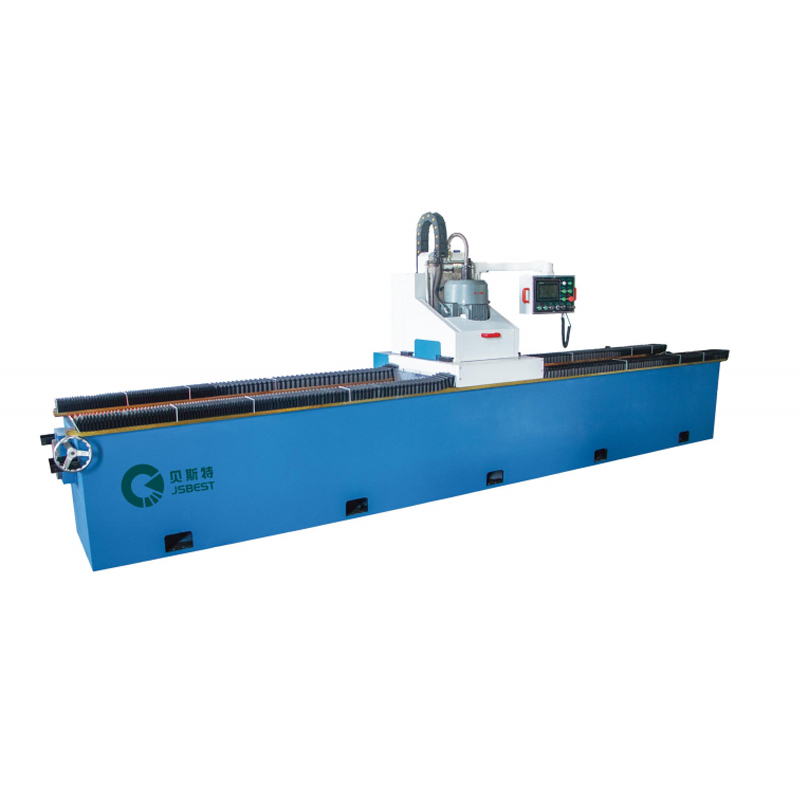
• The whole machine adopts a high-strength gantry-type welding structure, with a solid and compact o...
See Details -
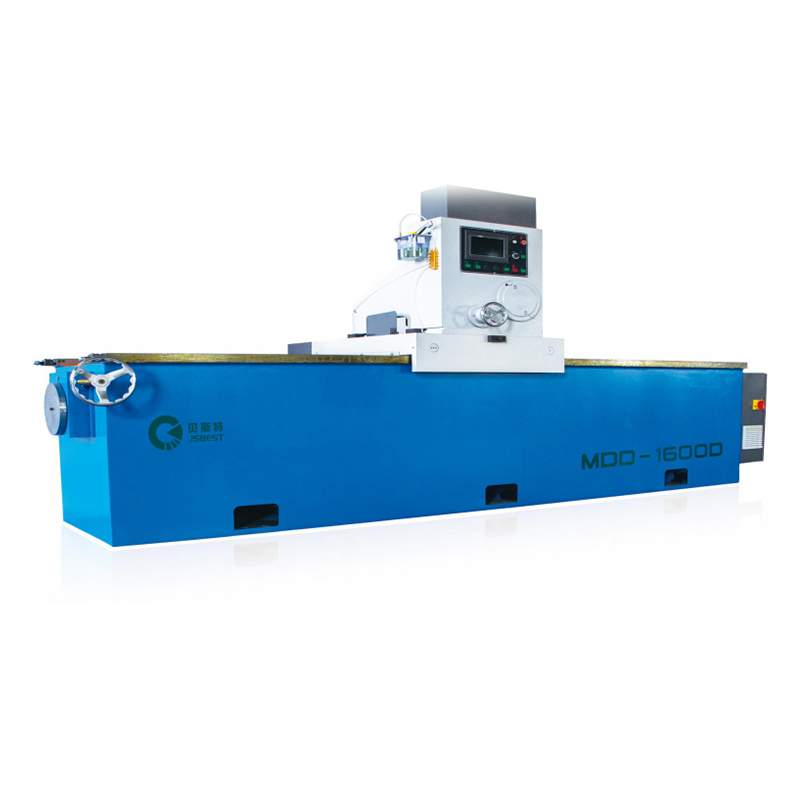
• The grinder adopts a gantry-type bed, high-quality steel plate welding, high-temperature tempering...
See Details -
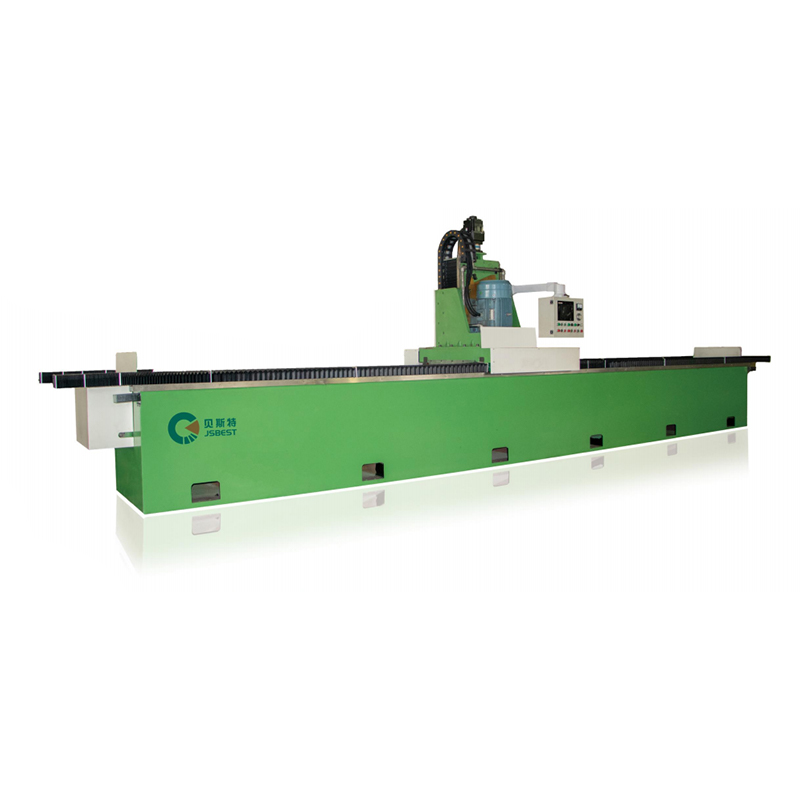
• A high-strength welded steel structure is adopted to eliminate the internal stress of the machine ...
See Details -
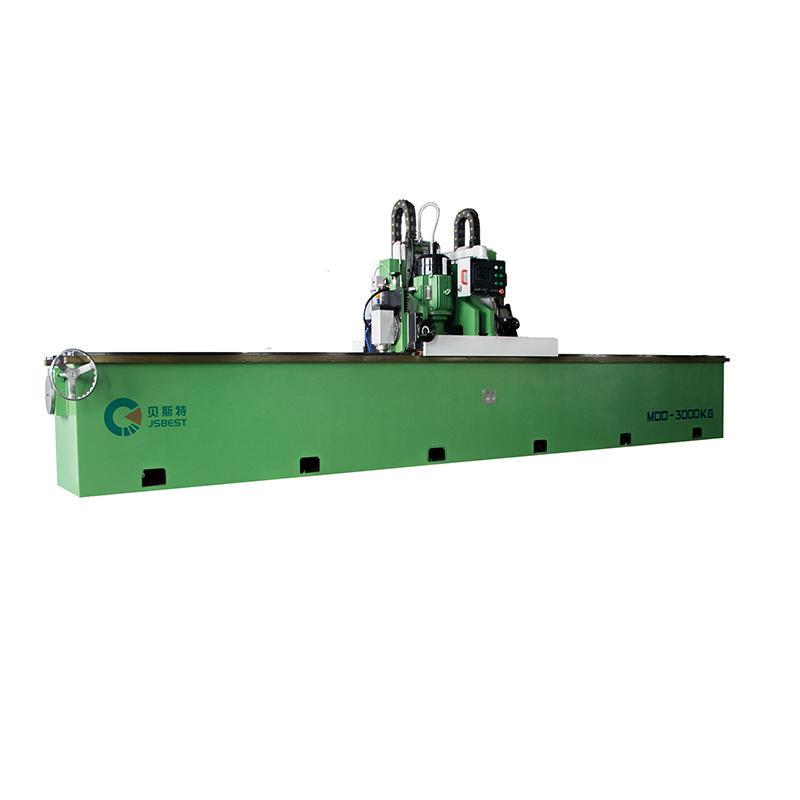
Double-Head Knife Grinding Machine is an efficient grinding equipment that combines rough grinding a...
See Details -

Heavy-Duty Surface Milling And Grinding Machine is an efficient processing equipment that integrates...
See Details -
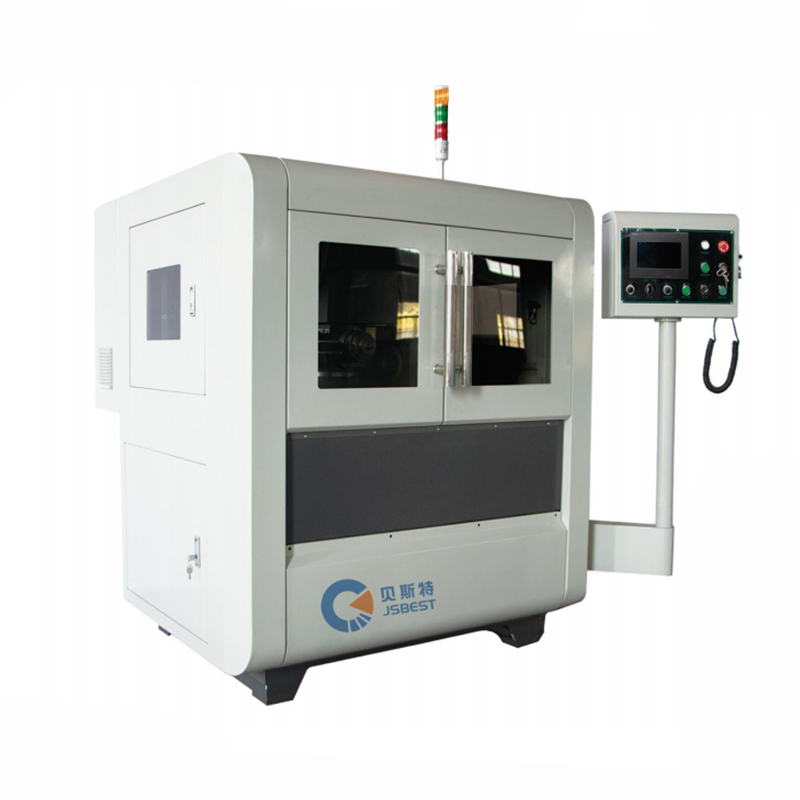
• This round knife grinder adopts a PLC program to control the automatic feeding part, which is easy...
See Details -
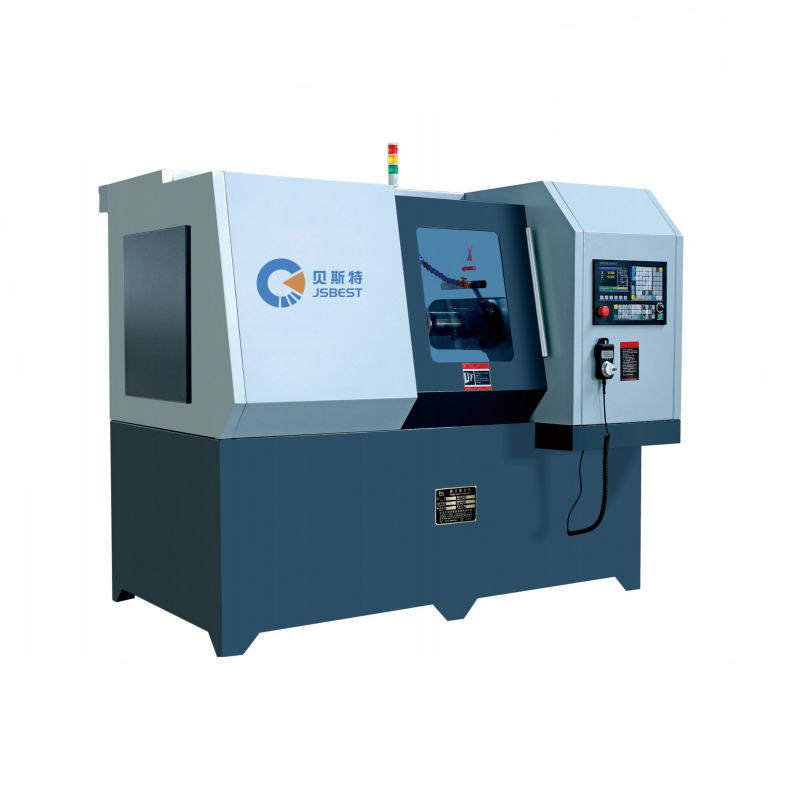
CNC Circular Knife Grinding Machine structural features:• High grinding accuracy, spindle and knife ...
See Details

- PRODUCT
- MDD Series Straight Knife Grinding Machine
- MYD Series Circular Knife Grinding Machine
- MCD Series Rewinding Knife Grinding Machine
- QUICK LINKS
- About Us
- Manufacturing
- Industry Solutions
- Downloads
- Contact
- CONTACT US
-
-
 No.99, Huanghai South Road, Tangyang Town, Dongtai City, Jiangsu Province, China
 -
 0086-13818631306
 -
 +86-515-85652988
 -

-

