


 English
  中文简体
中文简体 • The CNC Knife Grinding Machine adopts PLC program control, which is easy to operate, fast, stable,...
See DetailsWhat is a CNC Grinding Machine?
Industry News-Content
In modern high-end manufacturing, the requirements for the precision and surface quality of parts are becoming increasingly stringent. Traditional grinding equipment can no longer meet these challenges. It is against this backdrop that CNC grinding machines have emerged and quickly become an indispensable core tool in the field of precision manufacturing.
What is a CNC Grinding Machine?
A CNC grinding machine is a modern machine tool that uses Computer Numerical Control (NC) technology to perform grinding operations on workpieces. Simply put, it is a machine tool that uses a computer program to control a grinding wheel or grinding head to perform ultra-precision cutting on the surface of a workpiece, achieving extremely high surface finish and dimensional accuracy.
The biggest difference between it and a conventional grinding machine lies in its control system:
- Conventional Grinding Machines: Rely on the operator's experience and manual operation of feed and dressing; accuracy and efficiency are greatly affected by human factors.
- CNC Grinding Machines: Motion trajectory, feed rate, grinding wheel dressing and compensation are all automatically controlled by preset programs, achieving high automation, high precision machining, and high consistency.
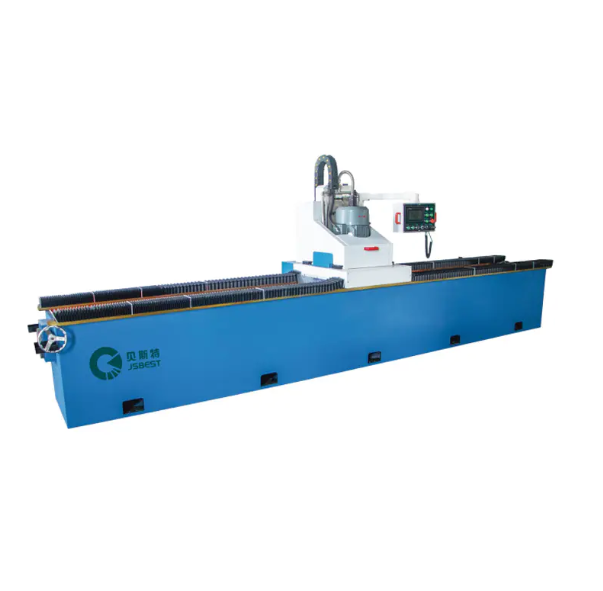
Core Advantages and Working Principles of CNC Grinding Machines
CNC grinding machines dominate modern precision manufacturing due to the following core advantages:
1. Extremely High Machining Accuracy
CNC systems can achieve micron- or even nanometer-level feed control. Combined with a high-rigidity bed and a high-precision measurement feedback system, this allows workpiece dimensional accuracy, form and position tolerances, and surface roughness to reach levels unattainable by traditional machine tools. This meets the urgent needs of industries such as aerospace, automotive parts, and medical devices for "precision machining."
2. Superior Automation and Efficiency
Once the program is set, CNC grinding machines can achieve fully automated operation from workpiece clamping, automatic measurement, grinding process execution to unloading, significantly reducing the labor intensity of operators and improving production efficiency and consistency in batch production.
3. Machining Capability for Complex Curved Surfaces
With multi-axis linkage and interpolation functions, CNC grinding machines can easily complete the grinding of various complex internal holes, external diameters, end faces, and non-circular curved surfaces such as threads and cams, greatly expanding the machining range.
Working Principle Overview
The grinding process of a CNC grinding machine typically includes:
- Program Input: Engineers input the workpiece's geometric information and machining parameters into CNC code.
- CNC Control: The code is converted into drive signals by the CNC technology system, controlling the servo motors.
- Precision Motion: The servo motors drive the machine tool's axes (such as the X-axis, Z-axis, etc.) to achieve precise and synchronized movement.
- Grinding Execution: The grinding wheel rotates at high speed, contacting the workpiece surface along a preset path and feed rate, removing an extremely thin layer of material to complete precision machining.
Application Areas
Wherever there is a demand for "precision," there are CNC grinding machines. CNC grinding machines have an extremely wide range of applications; any field with strict precision requirements cannot do without them:
- Automotive Industry: Manufacturing key engine components, such as crankshafts, camshafts, and gearbox gears.
- Aerospace: Machining turbine blades, landing gear components, and high-precision bearings.
- Mold Manufacturing: Ensuring the dimensional and surface accuracy of injection molds, stamping dies, and other mold parts.
- Tools and Cutting Tools: Precision grinding of high-hardness tools such as drill bits, milling cutters, and measuring tools.
- Medical Devices: Manufacturing products with extremely high precision and surface quality requirements, such as artificial joints and surgical instruments.
CNC grinding machines are more than just machine tools; they are a key technological carrier for modern manufacturing's transition from "manufacturing" to "intelligent manufacturing." With the continuous development of Industry 4.0 and artificial intelligence technologies, future CNC grinding machines will be more intelligent and flexible, better adapting to the needs of multi-variety, small-batch production, continuing to serve as the cornerstone of precision machining, and driving global manufacturing to a higher level.
Related products
-
-

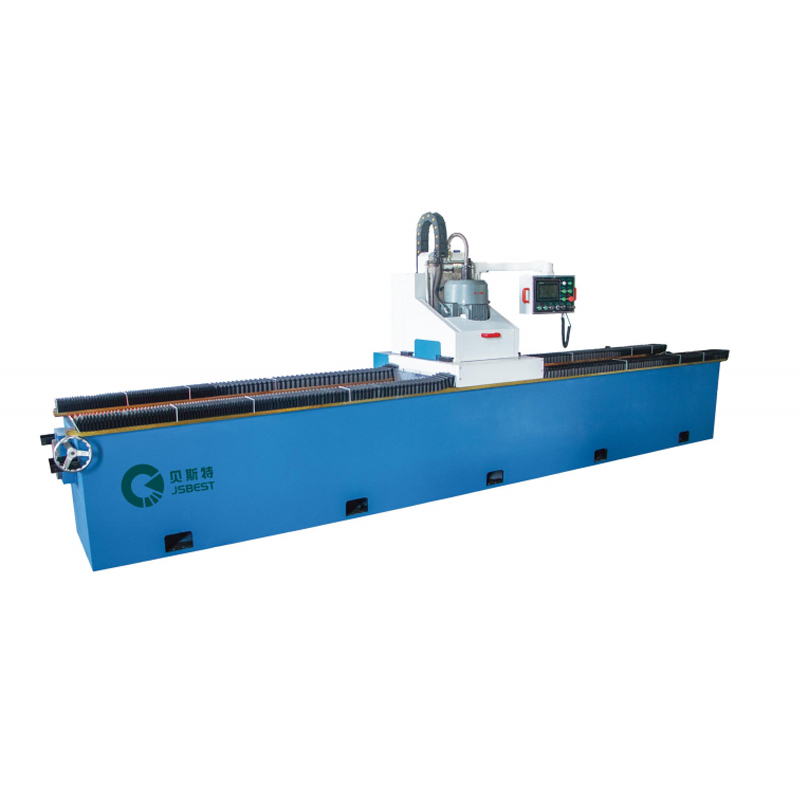
• The whole machine adopts a high-strength gantry-type welding structure, with a solid and compact o...
See Details -
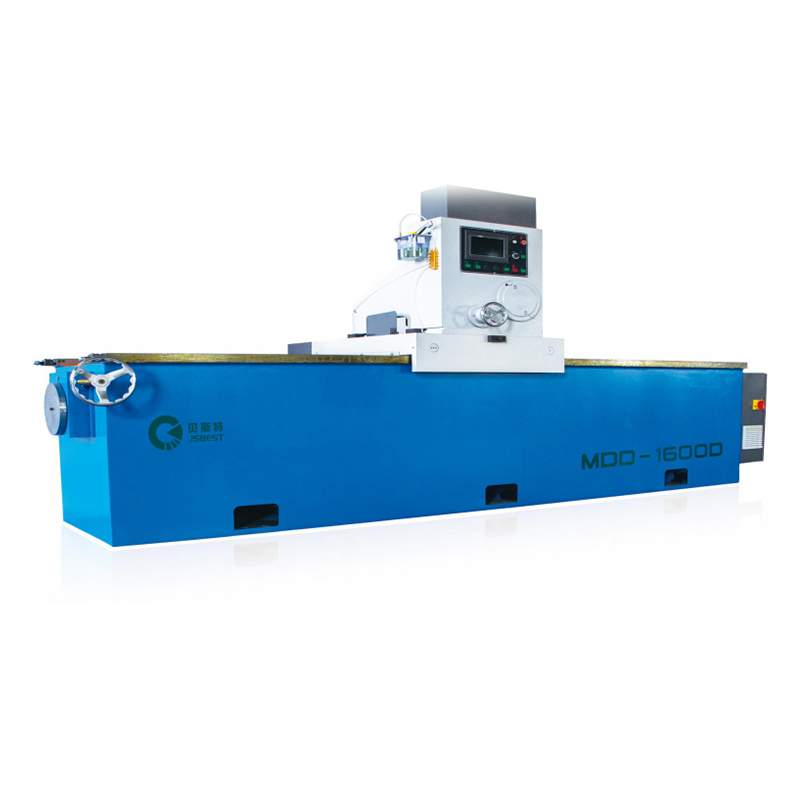
• The grinder adopts a gantry-type bed, high-quality steel plate welding, high-temperature tempering...
See Details -
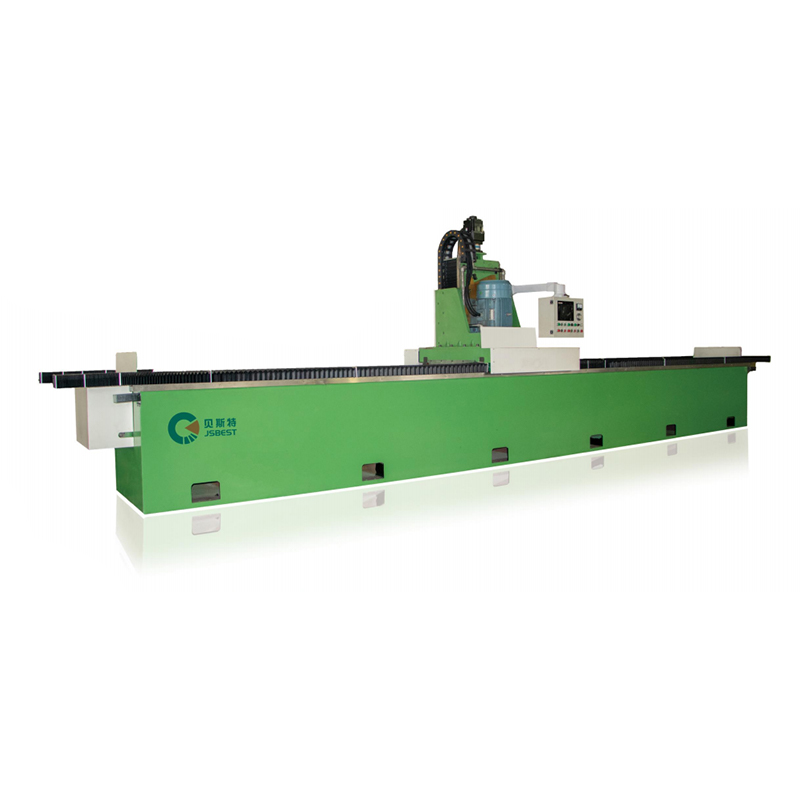
• A high-strength welded steel structure is adopted to eliminate the internal stress of the machine ...
See Details -
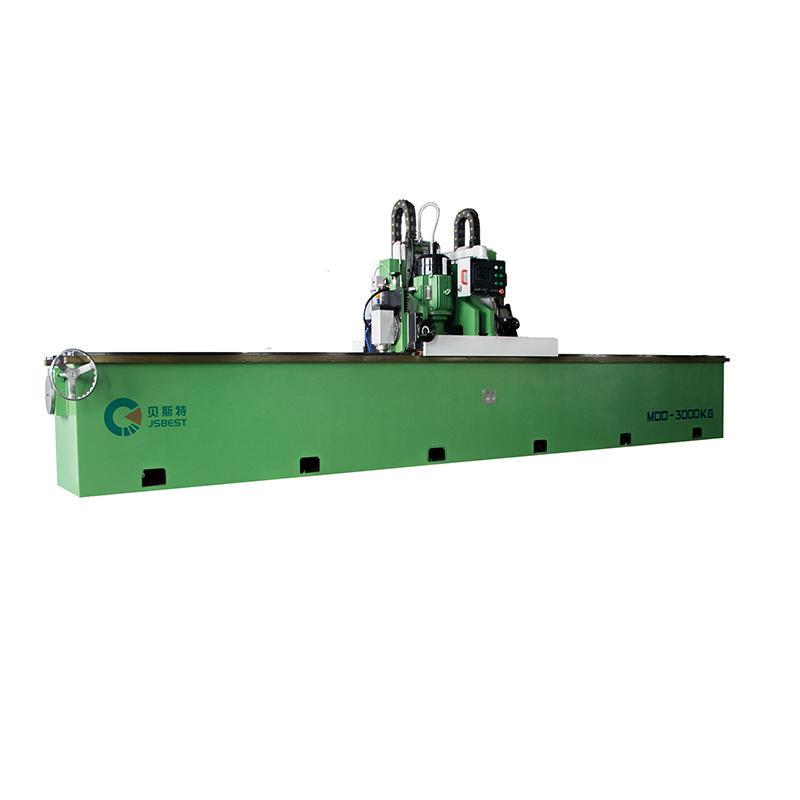
Double-Head Knife Grinding Machine is an efficient grinding equipment that combines rough grinding a...
See Details -
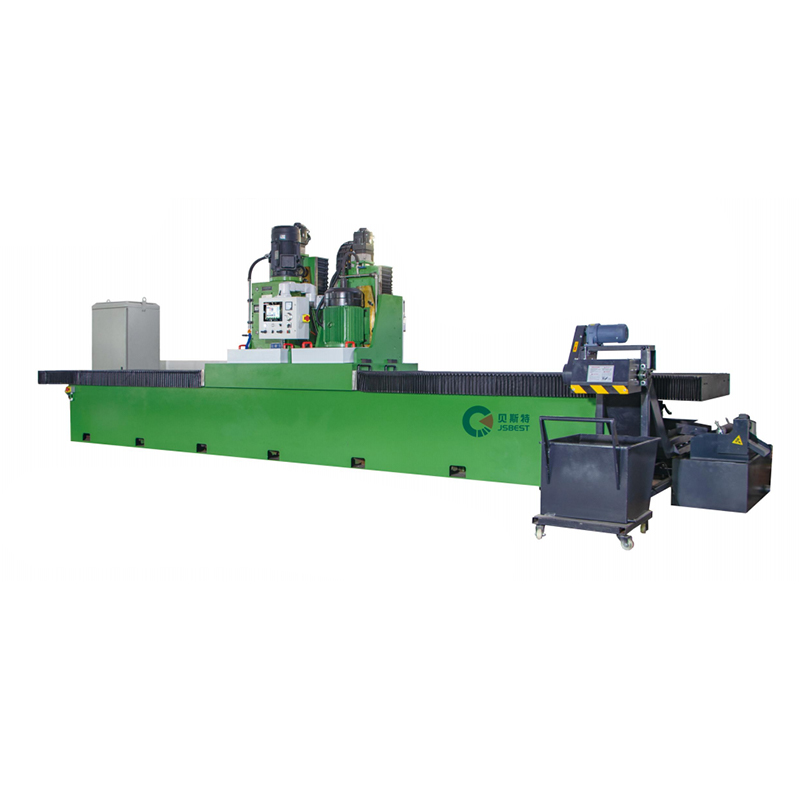
Heavy-Duty Surface Milling And Grinding Machine is an efficient processing equipment that integrates...
See Details -
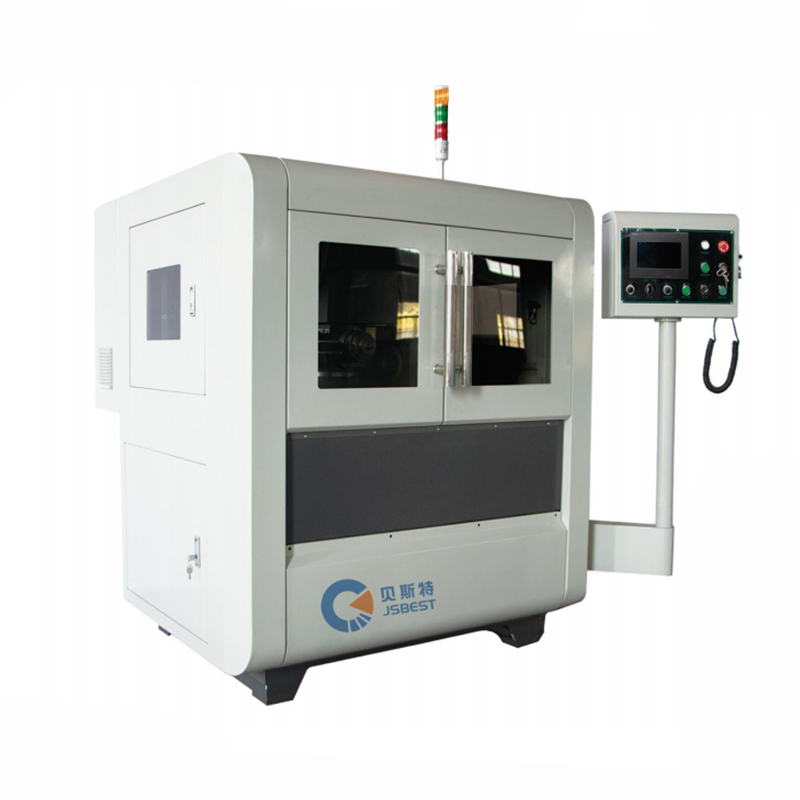
• This round knife grinder adopts a PLC program to control the automatic feeding part, which is easy...
See Details -
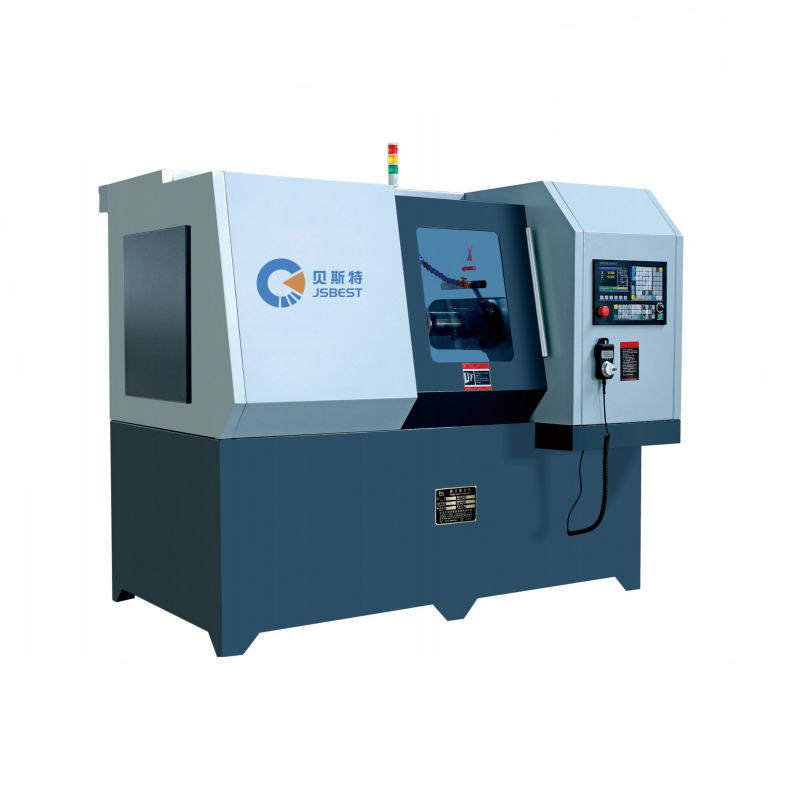
CNC Circular Knife Grinding Machine structural features:• High grinding accuracy, spindle and knife ...
See Details

- PRODUCT
- MDD Series Straight Knife Grinding Machine
- MYD Series Circular Knife Grinding Machine
- MCD Series Rewinding Knife Grinding Machine
- QUICK LINKS
- About Us
- Manufacturing
- Industry Solutions
- Downloads
- Contact
- CONTACT US
-
-
 No.99, Huanghai South Road, Tangyang Town, Dongtai City, Jiangsu Province, China
 -
 0086-13818631306
 -
 +86-515-85652988
 -

-

