


 English
  中文简体
中文简体 • The CNC Knife Grinding Machine adopts PLC program control, which is easy to operate, fast, stable,...
See DetailsHow Efficient Is MCD-C Automatic Scraper Grinding Machine?
Industry News-Content
- 1 What Core Indicators Define the Grinding Efficiency of MCD-C Automatic Machines?
- 2 How Does Automation Technology Enhance Grinding Efficiency?
- 3 How to Balance Grinding Precision and Efficiency in MCD-C Machines?
- 4 How Does the Machine Adapt to Diverse Scraper Specifications and Workpiece Materials?
- 5 What Energy Efficiency and Maintenance Features Optimize Long-Term Operational Efficiency?
What Core Indicators Define the Grinding Efficiency of MCD-C Automatic Machines?
The efficiency of MCD-C automatic scraper grinding machines is quantified by key performance metrics that reflect processing speed, throughput, and time savings. Grinding speed (typically 50-150 mm/min for standard scrapers) directly impacts productivity, with high-speed models reducing processing time per unit by 30-50% compared to semi-automatic alternatives. Batch processing capacity is another critical indicator—machines with multi-station fixtures can handle 10-20 scrapers per batch, eliminating repeated loading/unloading downtime. Tool change time (≤3 minutes for automatic tool changers) minimizes interruptions during mixed-specification production, while grinding cycle time (from clamping to finishing) of ≤5 minutes per scraper ensures high throughput for mass production. Additionally, material removal rate (≥2 mm³/s for steel scrapers) balances speed with surface quality, ensuring efficient material shaping without compromising precision.
How Does Automation Technology Enhance Grinding Efficiency?
Automation is the cornerstone of the MCD-C machine’s efficiency, streamlining every stage of the grinding process. Computer numerical control (CNC) systems with pre-programmed grinding parameters eliminate manual adjustment errors, ensuring consistent processing speed and quality across batches. Automatic workpiece clamping (via pneumatic or hydraulic fixtures) reduces setup time by 60-70% compared to manual clamping, with repeat positioning accuracy (≤±0.01 mm) ensuring no rework due to misalignment. Integrated vision systems detect scraper dimensions and wear patterns in real time, automatically adjusting grinding paths to optimize material removal—this adaptive technology reduces unnecessary grinding time and extends tool life. Additionally, automatic coolant supply and chip removal systems maintain consistent operating conditions, preventing machine downtime caused by overheating or chip buildup, which is common in manual grinding processes.
How to Balance Grinding Precision and Efficiency in MCD-C Machines?
High efficiency in MCD-C automatic scraper grinding machines does not come at the cost of precision—instead, the two are mutually reinforced by advanced design. The machine’s rigid frame (cast iron or welded steel construction) minimizes vibration during high-speed grinding, ensuring surface roughness (Ra ≤0.8 μm) meets industrial standards without slowing processing. Precision linear guides and ball screws (with positioning accuracy ≤±0.005 mm) enable fast yet controlled movement of the grinding head, balancing speed with dimensional accuracy (scraper edge straightness ≤0.02 mm/m). Variable grinding speed technology adjusts rotation rates (3,000-12,000 rpm) based on material hardness—softer materials use higher speeds for efficiency, while harder alloys (e.g., tungsten carbide) use optimized speeds to prevent tool wear and maintain precision. This balance ensures the machine can handle both high-volume production and precision-critical applications (e.g., printing, coating scrapers) without compromising either factor.
How Does the Machine Adapt to Diverse Scraper Specifications and Workpiece Materials?
The efficiency of MCD-C automatic grinding machines is enhanced by their ability to handle a wide range of scraper types and materials, reducing the need for specialized equipment. For scraper dimensions, the machine accommodates lengths (50-500 mm), widths (10-50 mm), and thicknesses (0.5-10 mm) with quick parameter adjustments, supporting applications from small precision scrapers to large industrial blades. Material compatibility includes steel, stainless steel, tungsten carbide, and ceramic—each with pre-loaded grinding recipes that optimize speed and tool selection. For complex scraper profiles (e.g., curved edges, beveled tips), the machine’s 3-axis or 5-axis CNC control enables simultaneous multi-angle grinding, completing complex shapes in a single cycle instead of multiple manual setups. This versatility eliminates production bottlenecks caused by material or design limitations, ensuring consistent efficiency across diverse manufacturing needs.
What Energy Efficiency and Maintenance Features Optimize Long-Term Operational Efficiency?
True efficiency of MCD-C automatic scraper grinding machines extends beyond processing speed to include low energy consumption and minimal maintenance downtime. Energy-saving motors (IE3 or higher efficiency class) reduce power consumption by 20-30% compared to conventional grinding machines, with variable frequency drives (VFD) adjusting power output based on load—lower energy use during idle or light grinding stages. Maintenance efficiency is improved by sealed grinding spindles (extending lubrication intervals to 5,000+ operating hours) and self-diagnostic systems that alert operators to potential issues (e.g., tool wear, coolant levels) before they cause downtime. Tool life optimization (via adaptive grinding pressure control) reduces tool replacement frequency by 40-50%, lowering material costs and maintenance time. Additionally, easy-access machine components and modular design simplify repairs, ensuring average maintenance time per year is ≤20 hours—maximizing uptime and long-term operational efficiency.
Related products
-
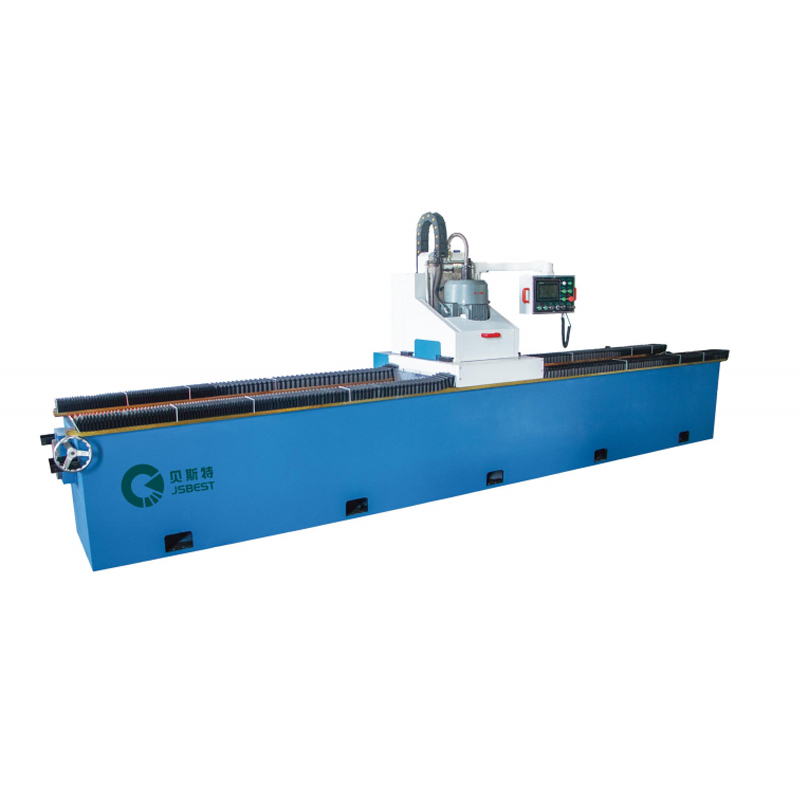
-

• The whole machine adopts a high-strength gantry-type welding structure, with a solid and compact o...
See Details -
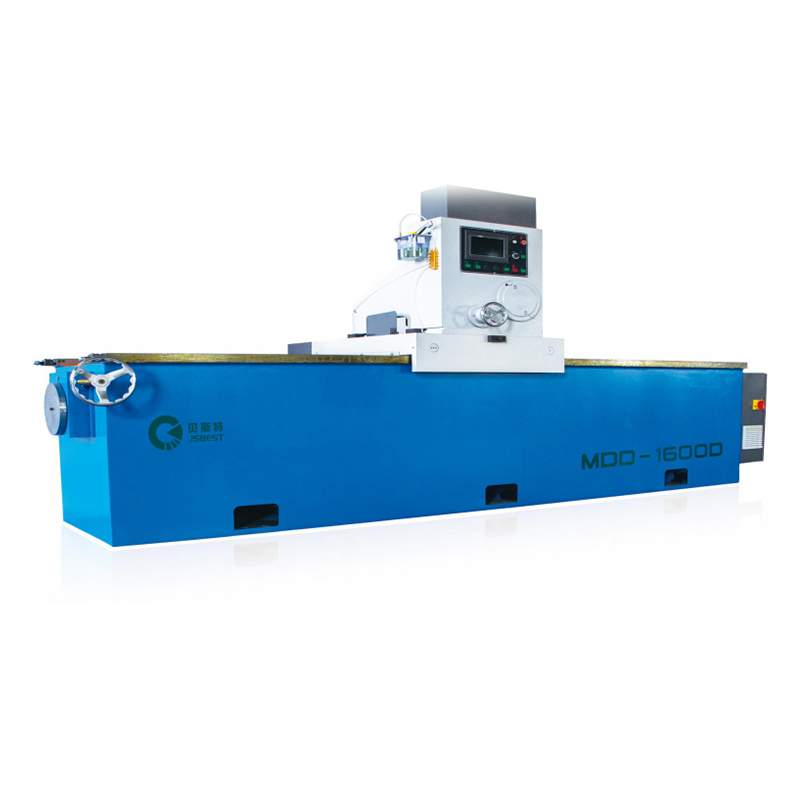
• The grinder adopts a gantry-type bed, high-quality steel plate welding, high-temperature tempering...
See Details -
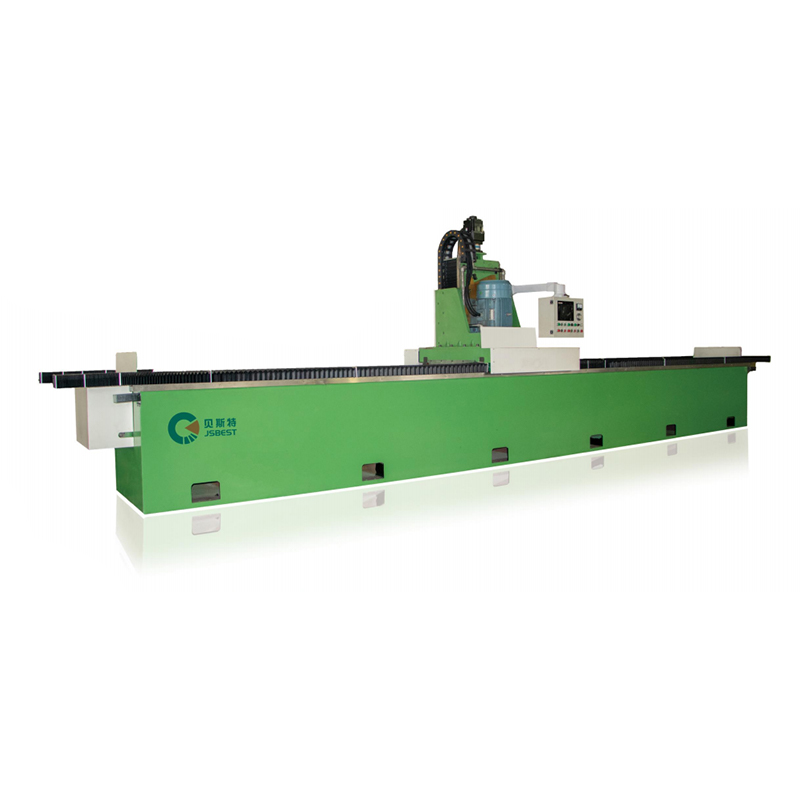
• A high-strength welded steel structure is adopted to eliminate the internal stress of the machine ...
See Details -
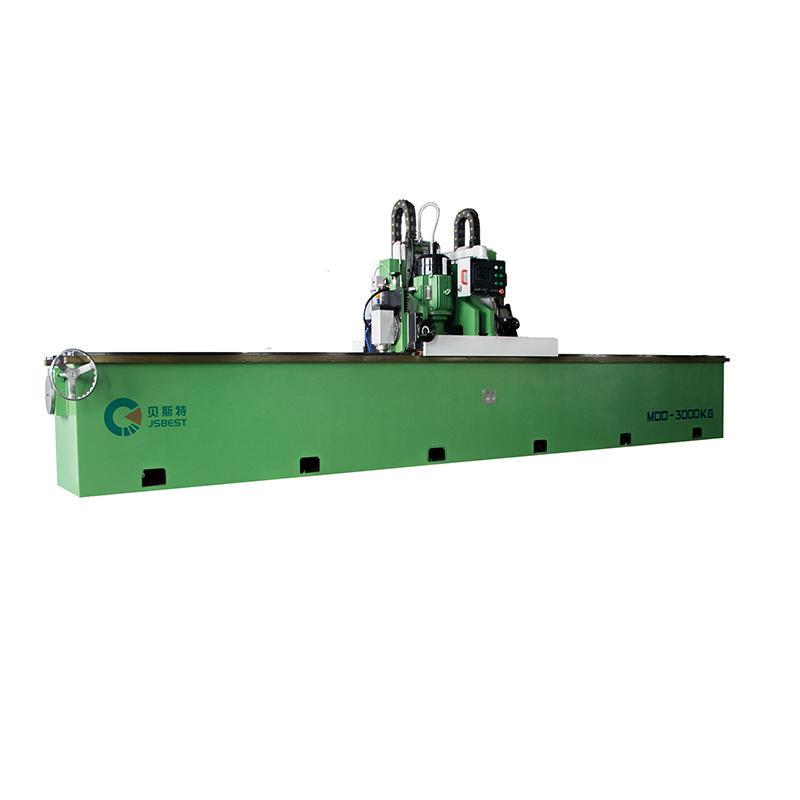
Double-Head Knife Grinding Machine is an efficient grinding equipment that combines rough grinding a...
See Details -
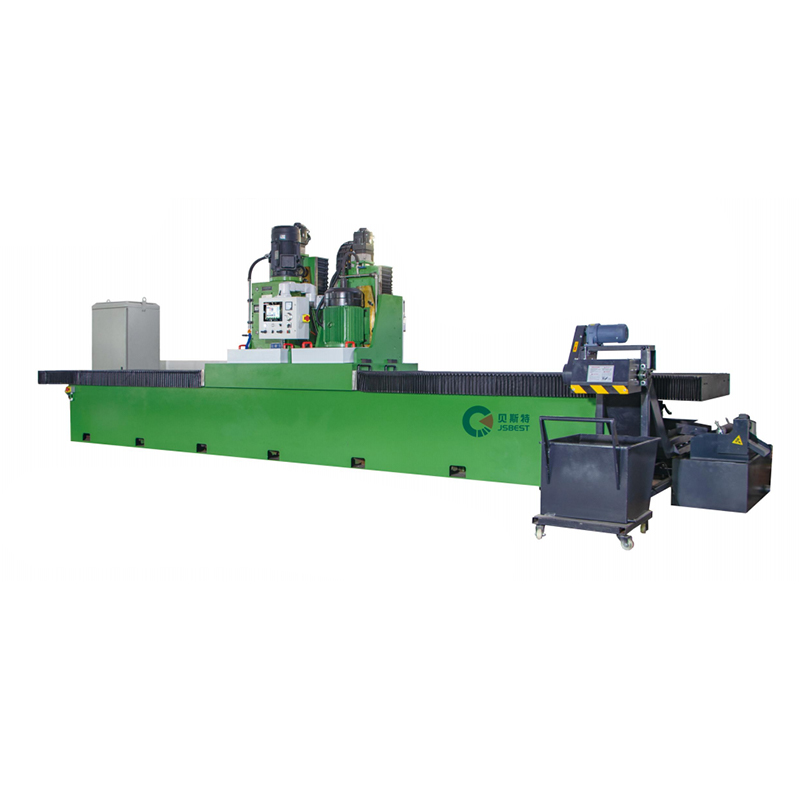
Heavy-Duty Surface Milling And Grinding Machine is an efficient processing equipment that integrates...
See Details -
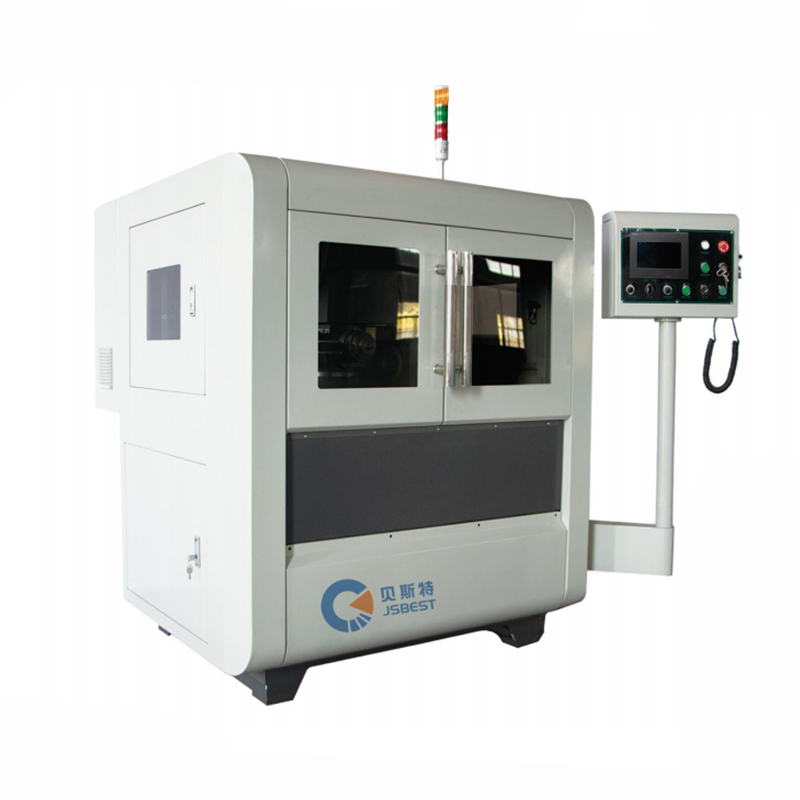
• This round knife grinder adopts a PLC program to control the automatic feeding part, which is easy...
See Details -
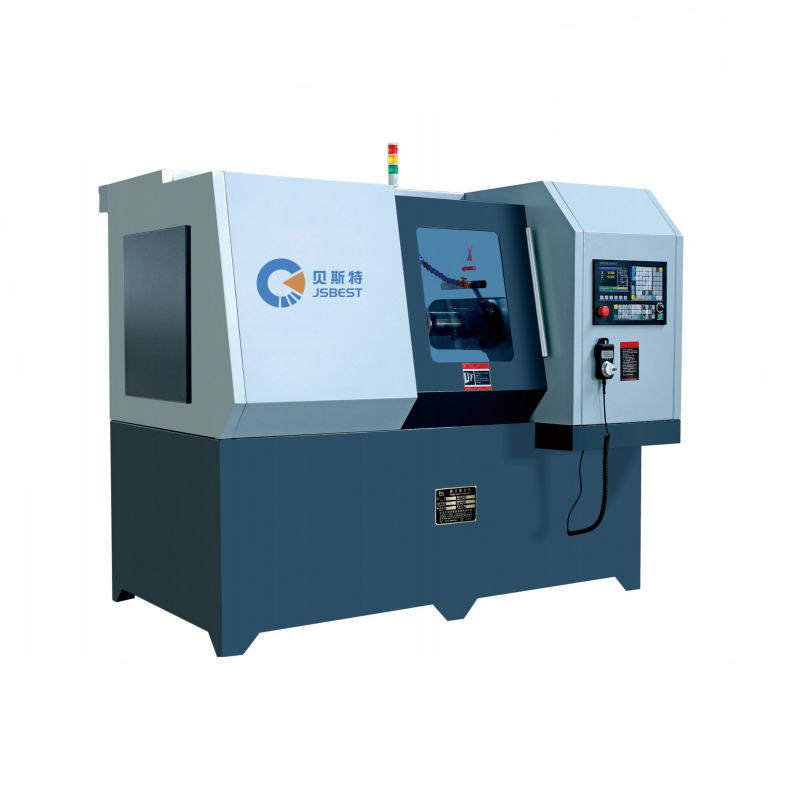
CNC Circular Knife Grinding Machine structural features:• High grinding accuracy, spindle and knife ...
See Details

- PRODUCT
- MDD Series Straight Knife Grinding Machine
- MYD Series Circular Knife Grinding Machine
- MCD Series Rewinding Knife Grinding Machine
- QUICK LINKS
- About Us
- Manufacturing
- Industry Solutions
- Downloads
- Contact
- CONTACT US
-
-
 No.99, Huanghai South Road, Tangyang Town, Dongtai City, Jiangsu Province, China
 -
 0086-13818631306
 -
 +86-515-85652988
 -

-

