


 English
  中文简体
中文简体 • The CNC Knife Grinding Machine adopts PLC program control, which is easy to operate, fast, stable,...
See DetailsWhat precautions should be observed when using a circular blade grinder?
Industry News-Content
- 1 Personal Protective Equipment That Must Be Worn
- 2 Pre-Operation Inspection of the Grinding Wheel
- 3 Safe Machine Setup and Blade Mounting
- 4 Safe Operating Procedures During Grinding
- 5 Grinding Wheel Condition Monitoring and Dressing
- 6 Common Hazards and How to Prevent Them
- 7 Precautions for Surface Grinding of Circular Blades
- 8 Post-Grinding Handling and Storage of Ground Blades
- 9 Machine Maintenance Precautions
When using a circular blade grinder, the most critical precautions are: always wear appropriate personal protective equipment, inspect the grinding wheel before every use, never exceed the rated wheel speed, secure the workpiece firmly, and keep bystanders clear of the grinding zone. Ignoring any one of these precautions can result in wheel fracture, blade ejection, or serious operator injury. The sections below provide a practical, step-by-step safety framework for both setup and operation.
Personal Protective Equipment That Must Be Worn
No grinding operation should begin without the correct PPE in place. Circular blade grinders generate high-velocity sparks, metal fragments, and fine abrasive dust that can cause severe eye, skin, and respiratory harm.
- Eye and face protection: Safety glasses alone are insufficient — a full-face shield rated to ANSI Z87.1 or equivalent must be worn over safety glasses to protect against flying debris.
- Hearing protection: Grinding noise levels routinely reach 90–105 dB(A); prolonged exposure above 85 dB causes permanent hearing damage. Earplugs or earmuffs rated NRR 25 or higher are recommended.
- Respiratory protection: Metal and abrasive dust particles below 10 microns penetrate deep into lung tissue. An N95 or P100 respirator is required when grinding in enclosed or poorly ventilated spaces.
- Hand protection: Cut-resistant gloves protect against blade contact during loading and unloading; avoid loose-fitting gloves that could catch in rotating parts.
- Protective clothing: Wear close-fitting, flame-resistant garments. Loose sleeves, ties, or jewelry must be removed before operation.
Pre-Operation Inspection of the Grinding Wheel
A damaged or incorrectly mounted grinding wheel is one of the leading causes of serious grinding machine accidents. The wheel must be inspected before every session using the following procedure:
Visual and Ring Test
Examine the wheel for visible cracks, chips, or discoloration. Then perform a ring test: suspend the wheel on a finger or rod and tap it lightly with a non-metallic object. A sound wheel produces a clear ringing tone; a cracked wheel produces a dull thud and must be discarded immediately.
Speed Rating Verification
Every grinding wheel carries a maximum operating speed marked in RPM or surface speed (m/s). The machine's spindle speed must never exceed this rating. Over-speeding causes centrifugal stress that can shatter the wheel, sending fragments at velocities exceeding 100 m/s. Always confirm that the wheel's marked speed equals or exceeds the grinder's rated speed before mounting.
Wheel Compatibility Check
Verify that the wheel's bore diameter matches the spindle exactly, and that the correct flanges and blotters (paper washers) are used. Flanges must be clean, flat, and of equal diameter. Never use a wheel that requires forcing onto the spindle, as this induces internal stress fractures.
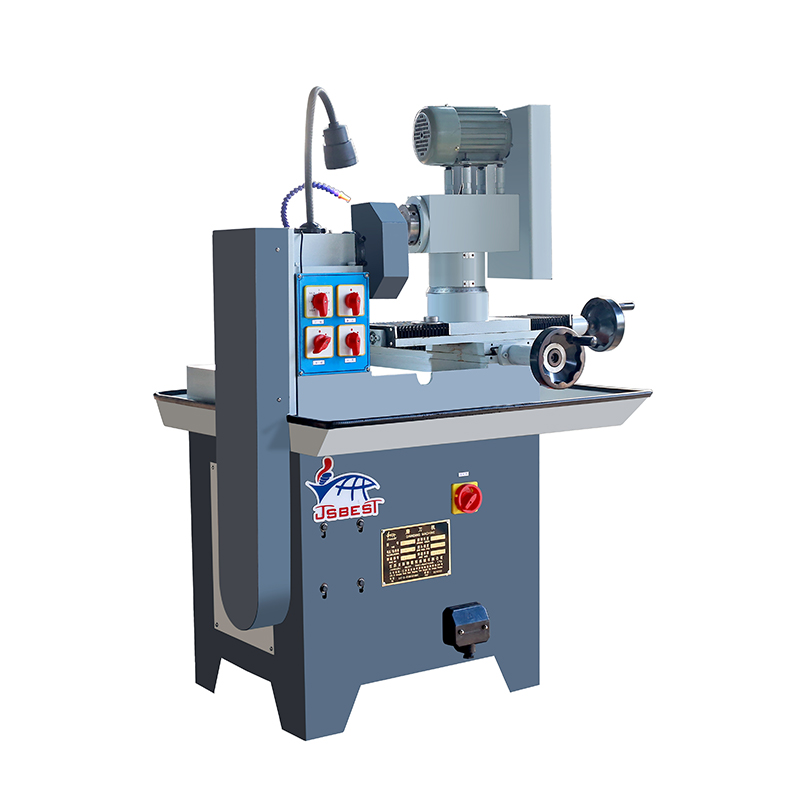
Safe Machine Setup and Blade Mounting
Correct setup before grinding determines both safety and grinding quality. Errors at this stage lead to vibration, uneven material removal, and potential blade or wheel failure.
- Disconnect power before loading or unloading any circular blade. Ensure the machine cannot be energized accidentally (lockout/tagout procedure).
- Clean the mounting surfaces of the arbor, flanges, and blade bore to remove metal chips, coolant residue, and abrasive particles that cause runout.
- Center the circular blade precisely on the arbor. Radial runout exceeding 0.02 mm causes vibration that accelerates wheel wear and degrades grinding accuracy.
- Tighten fasteners to the specified torque — both under-tightening (allowing blade movement) and over-tightening (inducing stress fractures in the blade) are hazardous.
- Set the tool rest gap to no more than 3 mm from the grinding wheel surface. A larger gap allows the workpiece to wedge between the rest and wheel, causing sudden kickback.
- Install and adjust all guards before starting. The wheel guard must cover at least 270° of the wheel circumference and must be secured, not merely resting in place.
Safe Operating Procedures During Grinding
Once the machine is set up and guards are confirmed in place, the following operating precautions apply throughout the grinding session:
Start-Up Procedure
After mounting a new or re-mounted wheel, stand to the side — not in front — of the grinding wheel and run the machine at full speed for at least 60 seconds before bringing the blade into contact with it. This idle run reveals any imbalance or structural weakness before load is applied.
Feed Rate and Contact Pressure
Apply feed gradually and consistently. Excessive grinding pressure does not speed up material removal — it generates heat that can anneal the blade edge, reducing its hardness. For slitting circular blades, the recommended depth of cut per pass is typically 0.01–0.05 mm, depending on blade material and wheel specification. Forcing deeper cuts risks wheel loading, burning the blade, and wheel fracture.
Coolant Application
Adequate coolant flow is not optional — it is a safety measure. Heat generated at the grinding contact zone can exceed 800°C locally if coolant is absent, causing micro-cracks in the blade and thermal stress in the wheel. Direct coolant at the wheel-blade contact point, not onto the wheel body, to avoid hydraulic shock to a hot wheel. Never apply coolant to a stopped wheel and then restart, as uneven thermal expansion can cause fracture.
Operator Positioning
The operator must never stand directly in line with the wheel's rotational plane during operation. If the wheel fractures, fragments travel tangentially in the plane of rotation. Standing to the side reduces exposure to this debris path significantly.
Grinding Wheel Condition Monitoring and Dressing
A grinding wheel that is glazed (pores clogged with metal particles) or loaded (abrasive grains dulled and embedded with workpiece material) becomes ineffective and dangerous. Signs that the wheel requires dressing include increased vibration, burning smell, reduced material removal rate, and discoloration of the blade surface.
Dress the wheel with a single-point diamond dresser or rotary dressing tool to restore a flat, open surface. During dressing:
- Apply the dresser at the wheel centerline, never above or below
- Use a consistent traverse rate — typically 0.1–0.3 mm per wheel revolution — to avoid creating waviness in the wheel face
- Remove only enough material to expose fresh abrasive; excessive dressing shortens wheel life unnecessarily
- Re-check wheel balance after dressing if significant material was removed
Common Hazards and How to Prevent Them
| Hazard | Primary Cause | Prevention Measure |
|---|---|---|
| Wheel burst / fragmentation | Over-speed, impact, pre-existing cracks | Ring test before use; never exceed rated speed; use guards |
| Blade kickback | Excessive feed, tool rest gap too large | Set tool rest within 3 mm; apply gradual feed pressure |
| Blade edge burning / annealing | Insufficient coolant, excessive pressure | Maintain continuous coolant flow; reduce depth of cut |
| Vibration and chatter marks | Blade runout, wheel imbalance, loose fixturing | Check runout before grinding; balance wheel; tighten fixtures |
| Eye injury from flying debris | No face shield, open guard | Always wear full-face shield; close all guards before starting |
| Respiratory hazard from dust | No dust extraction, no respirator | Use local exhaust ventilation; wear P100 respirator |
Precautions for Surface Grinding of Circular Blades
Surface grinding — used to restore flatness and finish to the blade face — introduces additional considerations beyond edge grinding. The blade must be held perfectly flat against the magnetic chuck or fixture; any tilt causes uneven material removal and leaves a crowned surface that impairs cutting performance.
- Demagnetize the blade after magnetic chuck operation to prevent metallic debris from adhering to the blade surface during subsequent production use.
- Check flatness with a dial indicator after each surface grinding session; acceptable flatness tolerance for slitting circular blades is typically ±0.005 mm per 100 mm of blade diameter.
- Use fine-grit wheels for surface finishing passes — coarse wheels remove material faster but leave surface roughness that increases cutting resistance rather than reducing it.
- Do not grind thin blades dry — blades thinner than 2 mm can warp from thermal stress within a single dry grinding pass. Coolant must be applied continuously.
Post-Grinding Handling and Storage of Ground Blades
A freshly ground circular blade has a sharp, burr-free edge that can cause lacerations even with brief contact. Handle ground blades only with cut-resistant gloves, holding the blade by the bore or flat face, never by the edge.
Before storage or reinstallation, clean the blade with an appropriate solvent to remove coolant and metal particles, then apply a thin coat of rust-inhibiting oil. Store blades vertically in individual blade holders or hang them on blade racks — never stack ground blades directly on top of each other, as contact between sharp edges causes micro-chipping that immediately degrades the grinding work performed.
Label each blade with the date of grinding, blade specification, and measured runout value, so that service history is traceable and re-grinding intervals can be planned proactively rather than reactively after production quality issues appear.
Machine Maintenance Precautions
A well-maintained machine is a safer machine. Circular blade grinders must receive regular maintenance to preserve both performance and operator safety:
- Spindle bearings: Inspect for play or roughness every 500 operating hours; excessive bearing wear causes spindle vibration that accelerates wheel wear and reduces grinding accuracy.
- Coolant system: Clean the coolant reservoir and replace coolant at manufacturer-specified intervals — typically every 4–8 weeks in production environments. Contaminated coolant harbors bacteria and reduces cooling effectiveness.
- Electrical systems: Inspect power cables, switches, and ground connections monthly. Grinding environments with coolant and metallic dust present elevated risk of insulation degradation and ground fault.
- Guarding hardware: Check that all guard fasteners are tight and that guard geometry has not been distorted. Never operate the machine with a damaged, bent, or missing guard.
- Dust extraction: Clean extraction ducts and replace filters at intervals specified by the equipment manual; blocked filters reduce suction and allow fine particles to accumulate in the machine enclosure.
All maintenance tasks must be performed with the machine fully isolated from its power supply. Document each maintenance action in a machine logbook to support compliance with workplace health and safety regulations and to identify recurring faults before they escalate into failures.
Related products
-
-

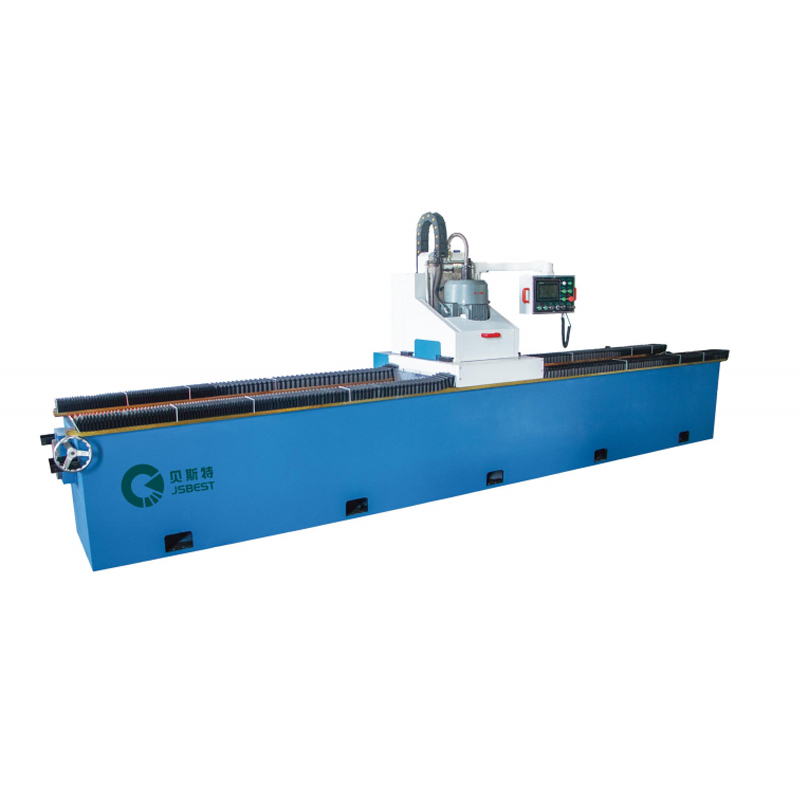
• The whole machine adopts a high-strength gantry-type welding structure, with a solid and compact o...
See Details -
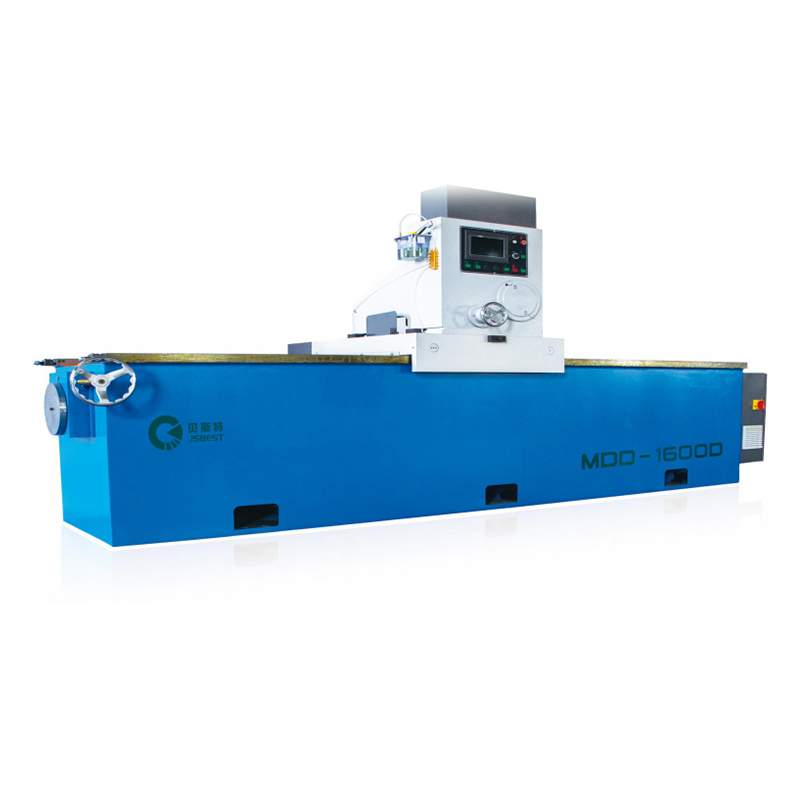
• The grinder adopts a gantry-type bed, high-quality steel plate welding, high-temperature tempering...
See Details -
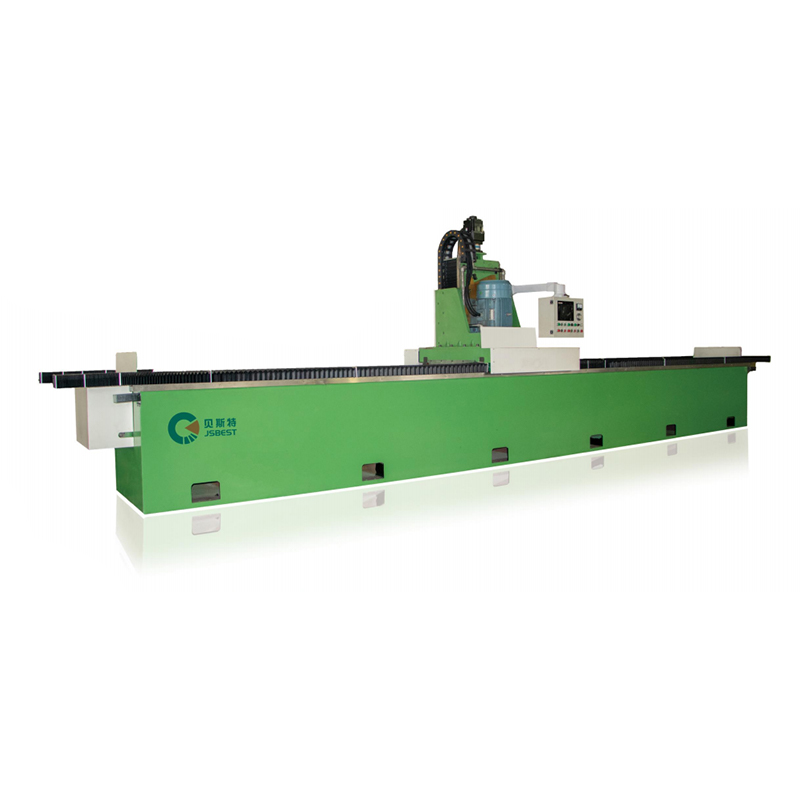
• A high-strength welded steel structure is adopted to eliminate the internal stress of the machine ...
See Details -
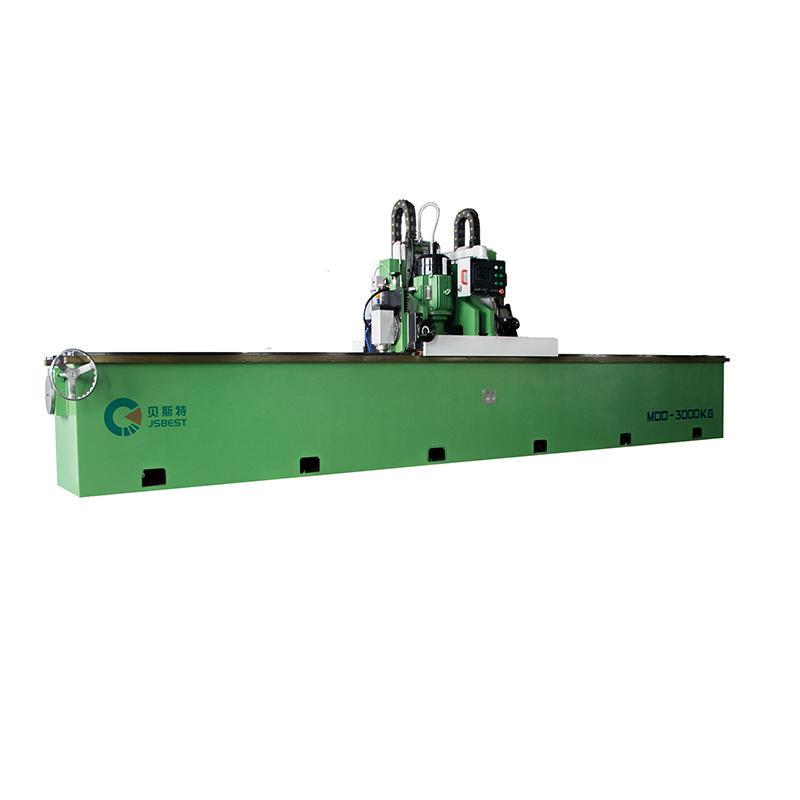
Double-Head Knife Grinding Machine is an efficient grinding equipment that combines rough grinding a...
See Details -
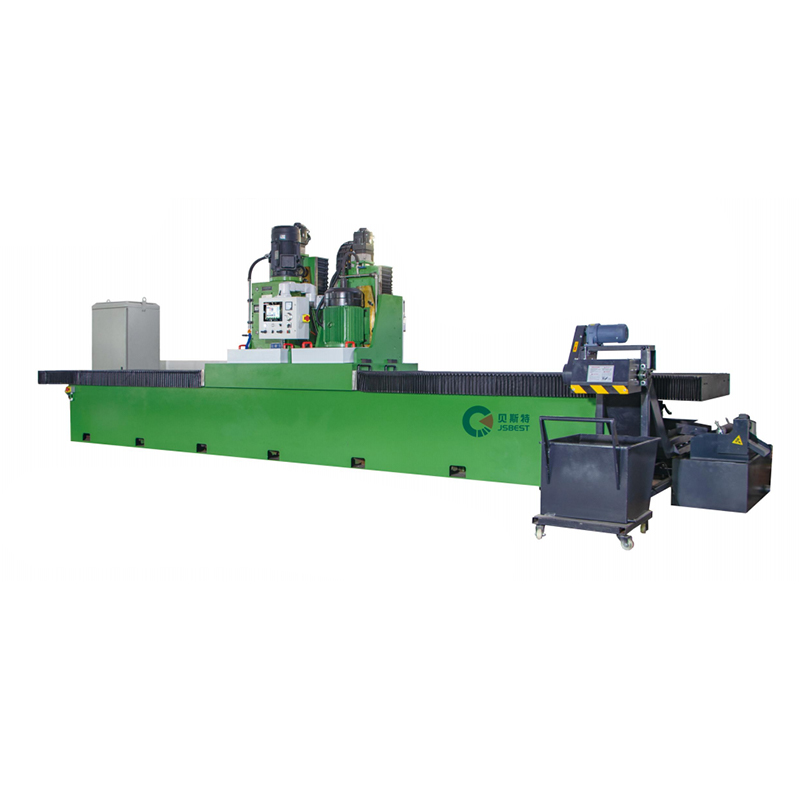
Heavy-Duty Surface Milling And Grinding Machine is an efficient processing equipment that integrates...
See Details -
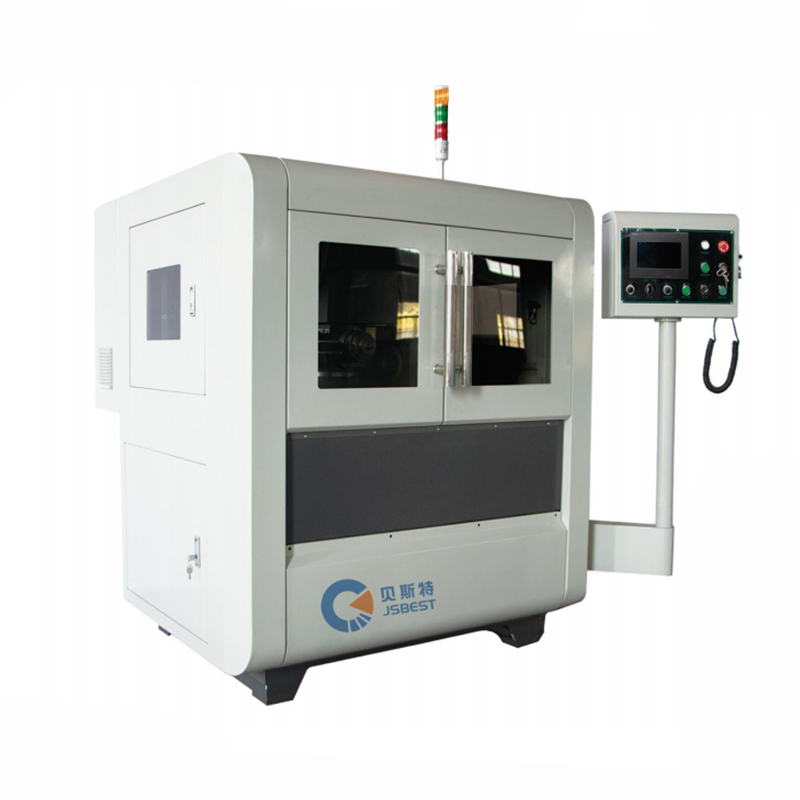
• This round knife grinder adopts a PLC program to control the automatic feeding part, which is easy...
See Details -
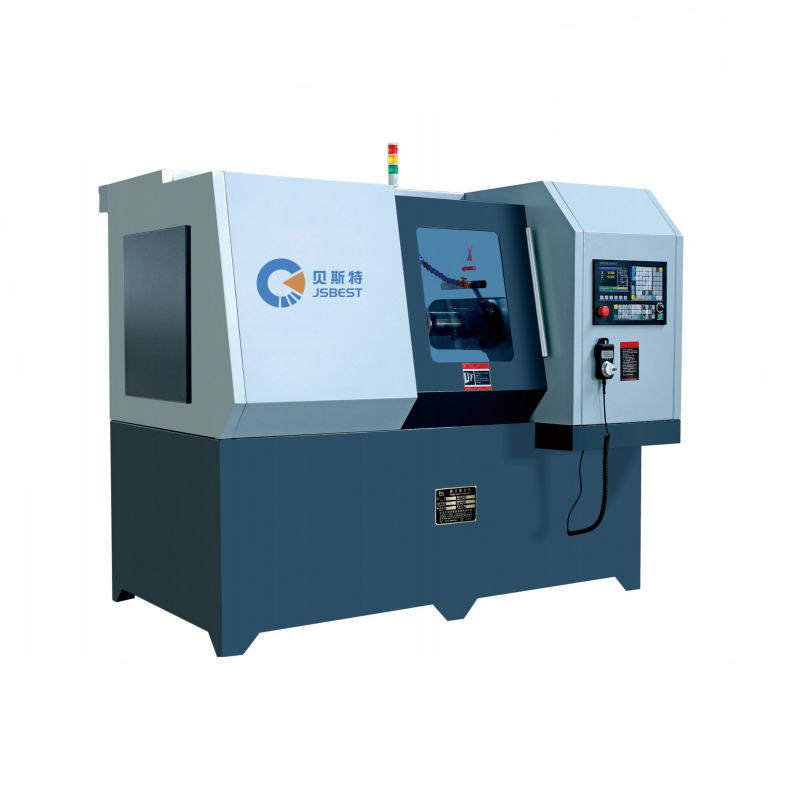
CNC Circular Knife Grinding Machine structural features:• High grinding accuracy, spindle and knife ...
See Details

- PRODUCT
- MDD Series Straight Knife Grinding Machine
- MYD Series Circular Knife Grinding Machine
- MCD Series Rewinding Knife Grinding Machine
- QUICK LINKS
- About Us
- Manufacturing
- Industry Solutions
- Downloads
- Contact
- CONTACT US
-
-
 No.99, Huanghai South Road, Tangyang Town, Dongtai City, Jiangsu Province, China
 -
 0086-13818631306
 -
 +86-515-85652988
 -

-

