


 English
  中文简体
中文简体 • The CNC Knife Grinding Machine adopts PLC program control, which is easy to operate, fast, stable,...
See DetailsWhen Choosing a Knife Grinding Machine, Should You Only Focus on Power? Which Parameters Are the Key to Determining Grinding Quality?
Industry News-Content
- 1 Is power really the only "hard indicator" for knife grinding machines?
- 2 How does grinding precision affect the final quality of the blade?
- 3 What role do grinding speed and wheel parameters play?
- 4 Can adjustability meet diverse grinding needs?
- 5 How does the cooling system prevent grinding defects?
- 6 Conclusion: What’s the right way to evaluate a knife grinding machine?
Is power really the only "hard indicator" for knife grinding machines?
When discussing knife grinding machines, power is often the first parameter mentioned. For example, some industrial models designed for large blades may have a main motor power of up to 7.5kw, while smaller devices might hover around 1-3kw . It’s true that sufficient power ensures the machine won’t stall when grinding thick or hard blade materials, and maintains stable operation during long-term use. However, equating power directly with grinding quality is a common misconception.
A machine with high power but poor structural stability may still produce uneven blade edges. Similarly, excessive power without matching control precision can lead to over-grinding or uneven material removal, especially when processing thin blades . Power is more of a "basic threshold"—meeting the minimum requirement is necessary, but it’s far from the only factor determining grinding results.
How does grinding precision affect the final quality of the blade?
Grinding precision is the core factor that directly determines whether a blade can achieve sharpness and consistency. This precision is usually reflected in two key indicators: feeding depth accuracy and overall grinding tolerance. Many modern machines offer a feeding depth range of 0.001-0.05mm for the grinding head, allowing for micro-adjustments to avoid over-removal of blade material . For industrial-grade applications like wood chipper blades or paper-cutting knives, the overall grinding precision often needs to reach 0.01-0.02mm to ensure stable cutting performance .
Precision is also closely linked to the machine’s structural design. Machines equipped with high-quality linear guide rails allow the grinding head to move more stably, preventing vibration-induced deviations . Additionally, electromagnetic chucks that securely clamp the blade—some adjustable from 0 to 90 degrees—ensure the blade remains fixed during grinding, avoiding positional shifts that compromise precision . For users, even a 0.1mm deviation can result in a blade that cuts unevenly or loses its edge quickly.
What role do grinding speed and wheel parameters play?
Grinding speed, including the rotational speed of the grinding wheel and the travel speed of the grinding head, has a subtle yet critical impact on quality. The rotational speed of grinding wheels typically ranges from 1440 to 2000 r/min , while belt grinders often reference surface feet per minute (SFPM), with 3000 SFPM being a common optimal speed for many scenarios . Too high a speed can generate excessive heat, leading to blade edge annealing—weakening the material and increasing the risk of chipping or corrosion . Too low a speed, on the other hand, results in inefficient grinding and a rough edge finish.
The grinding wheel itself is equally important. Parameters such as wheel size, abrasive grain type, and grit grade must match the blade material. For example, a 200×100×110mm wheel might be suitable for standard blades, while larger blades may require 205×115×145mm wheels for broader contact . Coarser grits are used for reshaping dull blades, while finer grits are necessary for achieving a smooth, polished edge that reduces cutting friction . Neglecting wheel selection can render even a high-power, precise machine ineffective.
Can adjustability meet diverse grinding needs?
Blade grinding is not a one-size-fits-all task—different blades (such as crusher knives, veneer knives, and guillotine blades) require varying angles and processing ranges . This makes the machine’s adjustability a key practical parameter. The most important adjustable feature is the grinding angle, with many machines offering a range of ±90° or 0-90° to accommodate straight edges, bevels, and other specialized shapes .
Grinding length adjustability is another vital consideration. Machines designed for industrial use may offer grinding lengths from 1500mm to 3100mm, or even longer for custom needs , while smaller models are limited to shorter blades . Additionally, adjustable grinding head travel speeds (e.g., 12-16 m/min for standard models or 0-60 Hz variable speeds) allow operators to adapt to different blade thicknesses and materials . A machine lacking flexibility will struggle to handle diverse grinding tasks, regardless of its power.
How does the cooling system prevent grinding defects?
Heat generation during grinding is a major threat to blade quality. Excessive heat can alter the blade’s material properties, leading to edge brittleness or discoloration . This is where the cooling system becomes indispensable. Most machines use external cooling with synthetic cutting fluid or water pumps (typically 90-125w) to dissipate heat in real time .
The cooling system’s effectiveness directly affects grinding consistency. For example, dry grinding (common in some Western knife production) is fast but risky—sparks during processing indicate overheating, which damages the blade . In contrast, wet cooling systems (similar to those used for Japanese knives) prevent overheating while reducing debris buildup on the grinding wheel, ensuring a smoother finish . A reliable cooling system is therefore not an accessory but a necessity for maintaining grinding quality, especially for high-volume or high-precision applications.
Conclusion: What’s the right way to evaluate a knife grinding machine?
Power is undoubtedly an important foundation for a knife grinding machine, but it cannot be the sole criterion for selection. To determine grinding quality, one must comprehensively assess precision indicators (feeding depth, tolerance), speed parameters (wheel rotation, head travel), adjustability (angle, length), and cooling system performance. These factors work together to ensure blades achieve the desired sharpness, consistency, and durability.
For users, the key is to match parameters to actual needs: industrial users processing large blades should prioritize high power, wide grinding lengths, and stable cooling; those focusing on precision (e.g., for fine cutting tools) should emphasize micro-adjustment capabilities and linear guide stability. By looking beyond power and considering the full range of critical parameters, one can truly select a machine that delivers consistent, high-quality grinding results.
Related products
-
-

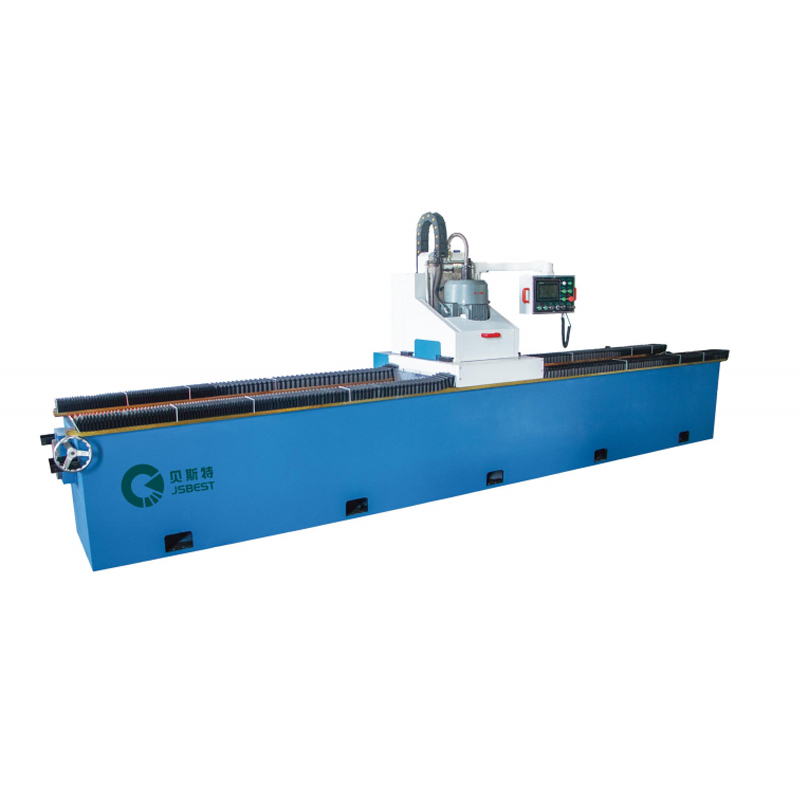
• The whole machine adopts a high-strength gantry-type welding structure, with a solid and compact o...
See Details -
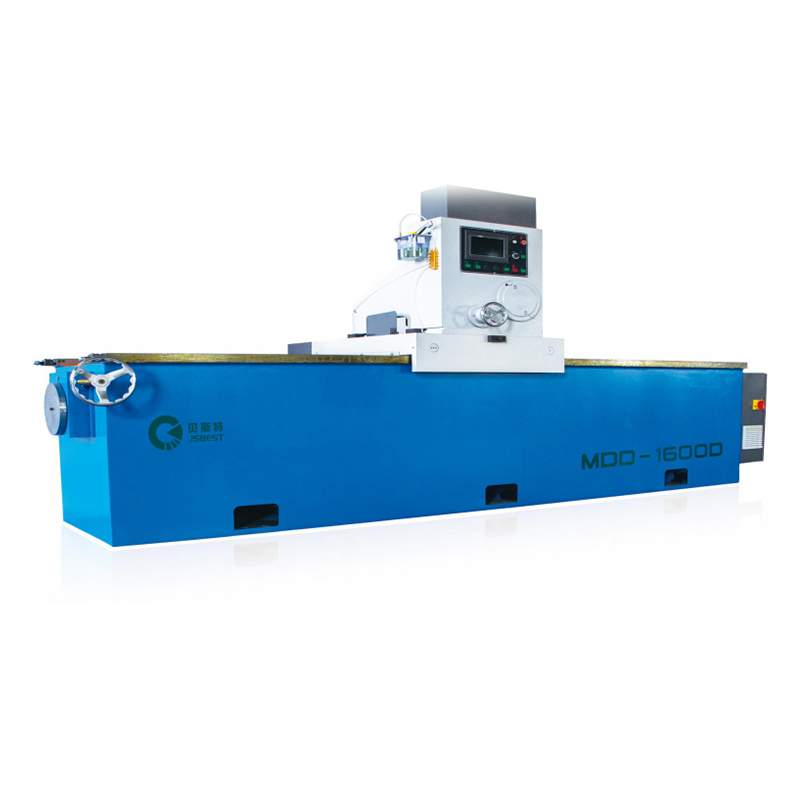
• The grinder adopts a gantry-type bed, high-quality steel plate welding, high-temperature tempering...
See Details -
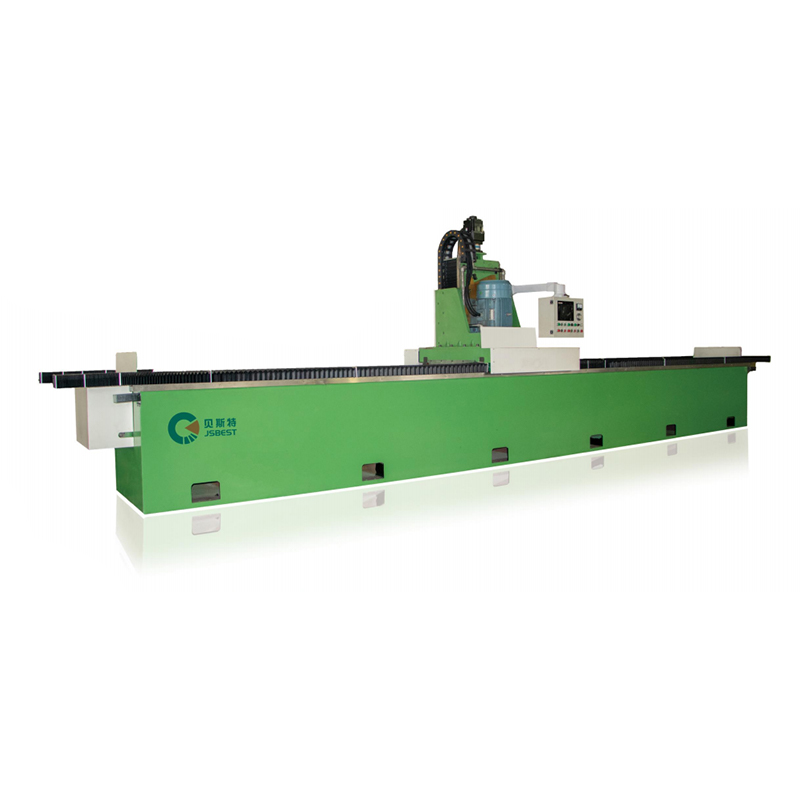
• A high-strength welded steel structure is adopted to eliminate the internal stress of the machine ...
See Details -
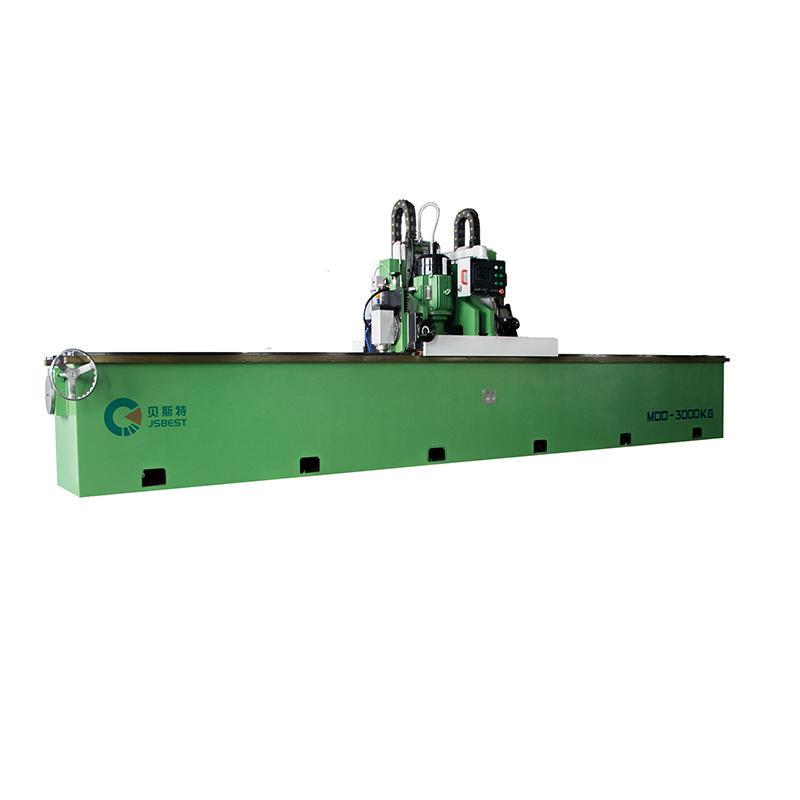
Double-Head Knife Grinding Machine is an efficient grinding equipment that combines rough grinding a...
See Details -
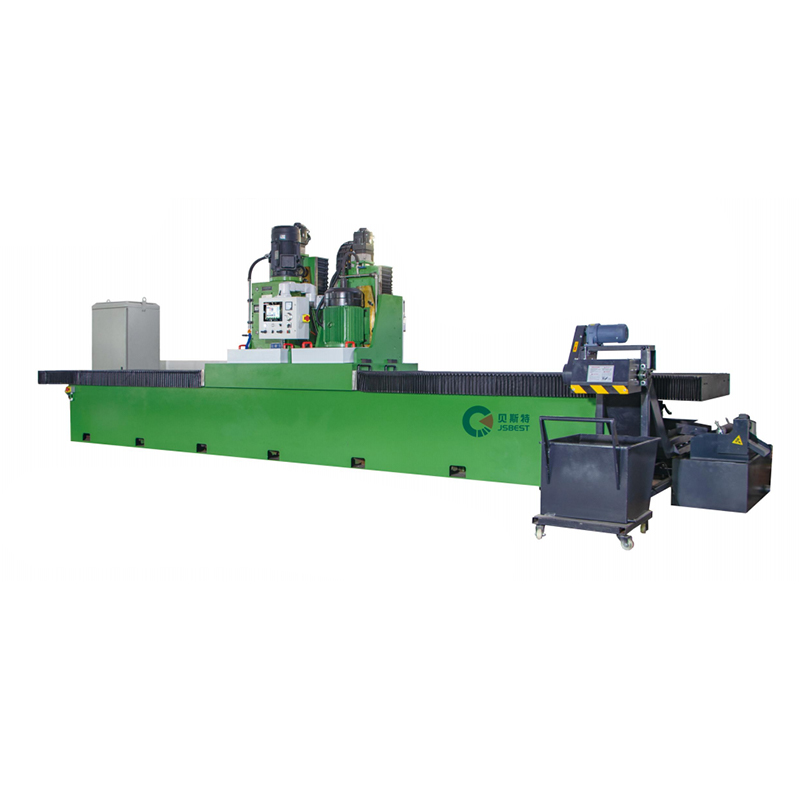
Heavy-Duty Surface Milling And Grinding Machine is an efficient processing equipment that integrates...
See Details -
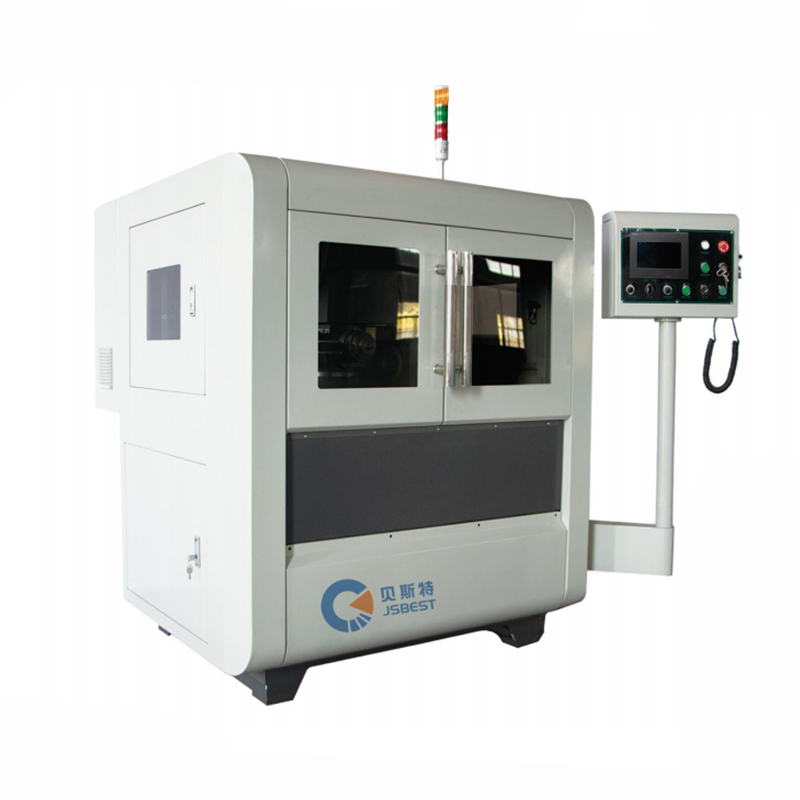
• This round knife grinder adopts a PLC program to control the automatic feeding part, which is easy...
See Details -
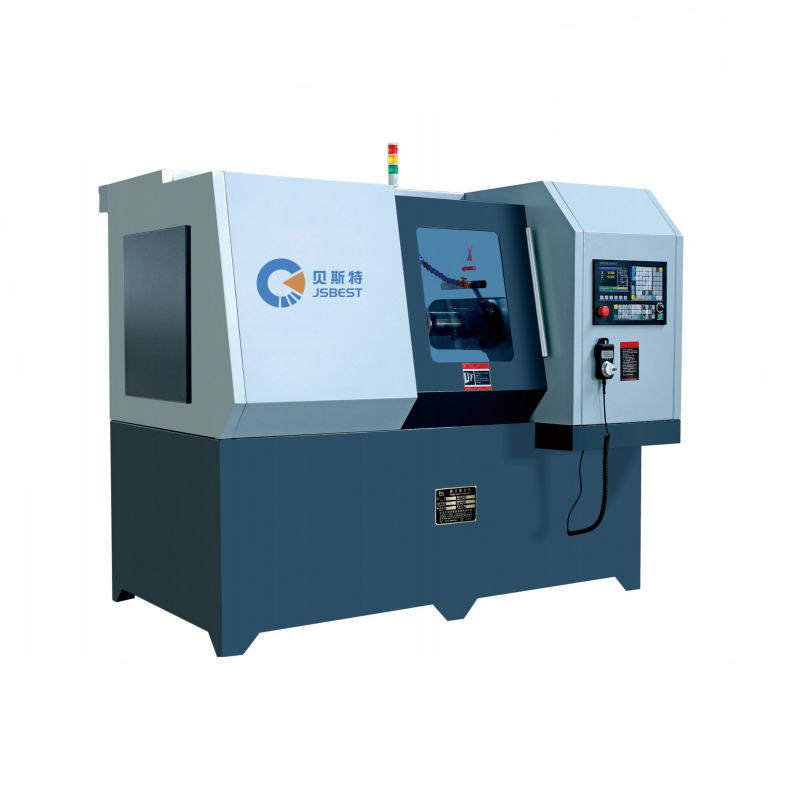
CNC Circular Knife Grinding Machine structural features:• High grinding accuracy, spindle and knife ...
See Details

- PRODUCT
- MDD Series Straight Knife Grinding Machine
- MYD Series Circular Knife Grinding Machine
- MCD Series Rewinding Knife Grinding Machine
- QUICK LINKS
- About Us
- Manufacturing
- Industry Solutions
- Downloads
- Contact
- CONTACT US
-
-
 No.99, Huanghai South Road, Tangyang Town, Dongtai City, Jiangsu Province, China
 -
 0086-13818631306
 -
 +86-515-85652988
 -

-

